





















During the holy month of Shravan, a massive surge of devotees gathers across prominent Shiva temples in and around Jaipur, Rajasthan. The historic Pink City is home to several ancient Shiva shrines that boast centuries of heritage, unique traditions, and deeply ingrained spiritual beliefs. While numerous sacred sites dot the region, four shrines stand out for their legendary past and distinct features: Bhuteshwar Mahadev hidden in the Amer forest, Tadkeshwar Mahadev in Chaura Rasta, the South Indian-style Jharkhand Mahadev in Vaishali Nagar, and the 700-year-old Nainath Temple nestled in the Aravalli hills. Each of these temples presents a fascinating blend of architectural beauty, mystery, and sacred rituals that draw thousands of pilgrims during Sawan.
Bhuteshwar Mahadev in Amer: Mystical Forest Shrine with Saint's Samadhi and Eerie Nights
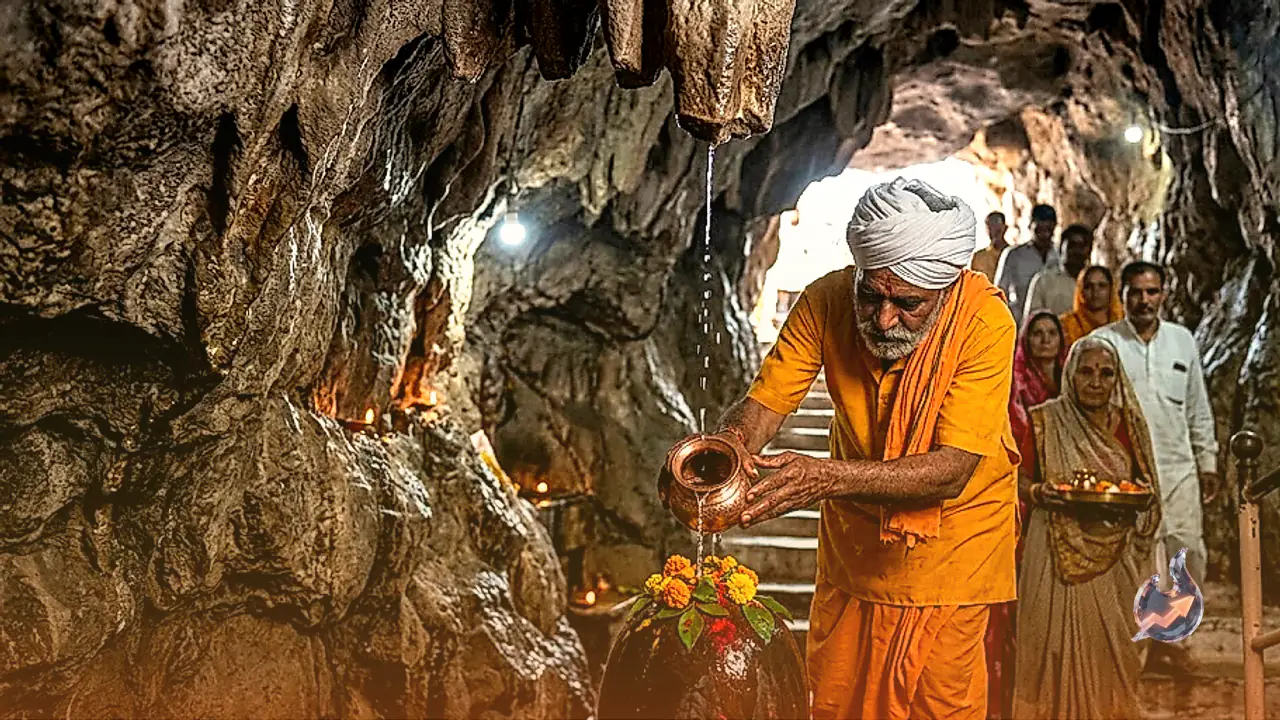
Tucked deep within the rugged hills and dense forests near the historic town of Amer, close to Jaipur, lies the Bhuteshwar Mahadev Temple. The architectural layout of this ancient sanctuary, characterized by its traditional mandap and dome structure, mirrors 17th-century craftsmanship. However, because the temple is located in an isolated wilderness far from human habitation, no historical records or documents exist to confirm its exact age or identify who originally built it. There are no residential houses or settlements anywhere in the surrounding area.
Navigating the dense forest trails to reach the shrine poses a significant challenge for devotees on ordinary days. The most compelling aspect of Bhuteshwar Mahadev is its nocturnal atmosphere. As dusk falls, the surrounding forest transforms into a terrifyingly quiet and intimidating environment. Consequently, no visitors or caretakers stay inside the temple premises after dark, a creepy characteristic that earned the shrine its name, Bhuteshwar Mahadev (Lord of Spirits). According to local tradition, a revered saint once traveled to this spot, performed intense meditation, and eventually took a live samadhi (alive burial ritual) near the shrine. The saint's samadhi structure remains intact adjacent to the main temple today. Despite the formidable terrain, thousands of pilgrims brave the journey during Shivratri and the month of Shravan to seek blessings.
Tadkeshwar Mahadev in Chaura Rasta: The Unique 51 kg Ghee Abhishek Tradition
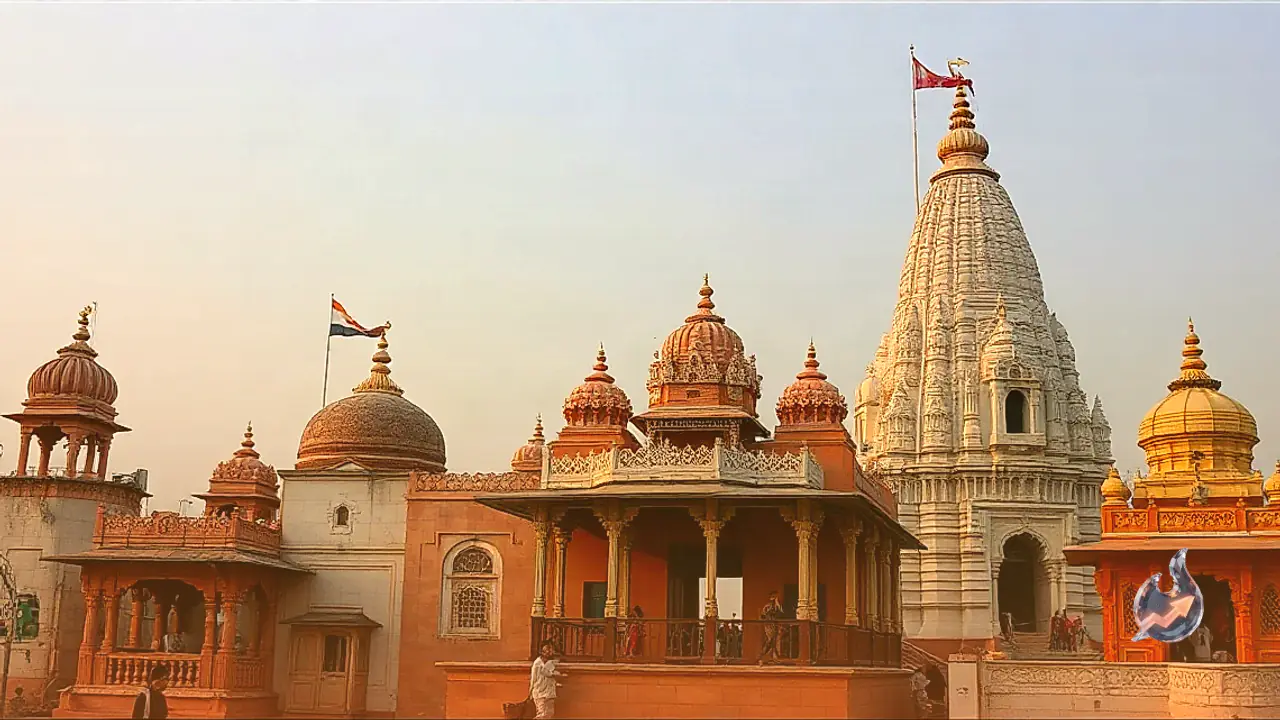
Located in the heart of Jaipur's bustling commercial hub of Chaura Rasta, Tadkeshwar Mahadev Temple experiences an immense influx of worshipers throughout the Shravan season. Constructed in the 16th century, the temple's architectural design strongly reflects traditional Jaipur craftsmanship and local cultural heritage. Historical accounts reveal that the ground upon which the temple stands was originally a cremation ground surrounded by a dense grove of palm trees (known locally as tad trees). The Shivling is believed to have naturally emerged (swayambhu) from this palm-covered cremation ground, giving rise to the temple's name, Tadkeshwar Mahadev.
While standard rituals in Shiva temples involve consecrating the deity with water and milk, Tadkeshwar Mahadev is renowned for a rare ritual practiced for generations. Here, devotees perform the sacred abhishek of the Jyotirlinga using 51 kilograms of pure ghee. Ancient beliefs hold that offering ghee to the Lord at this shrine grants the fulfillment of all heartfelt desires. This unique tradition draws pilgrims from distant regions who travel specifically to offer 51 kg ghee abhishek during the holy month.
Jharkhand Mahadev in Vaishali Nagar: South Indian Architecture Inspired by Tiruchirappalli
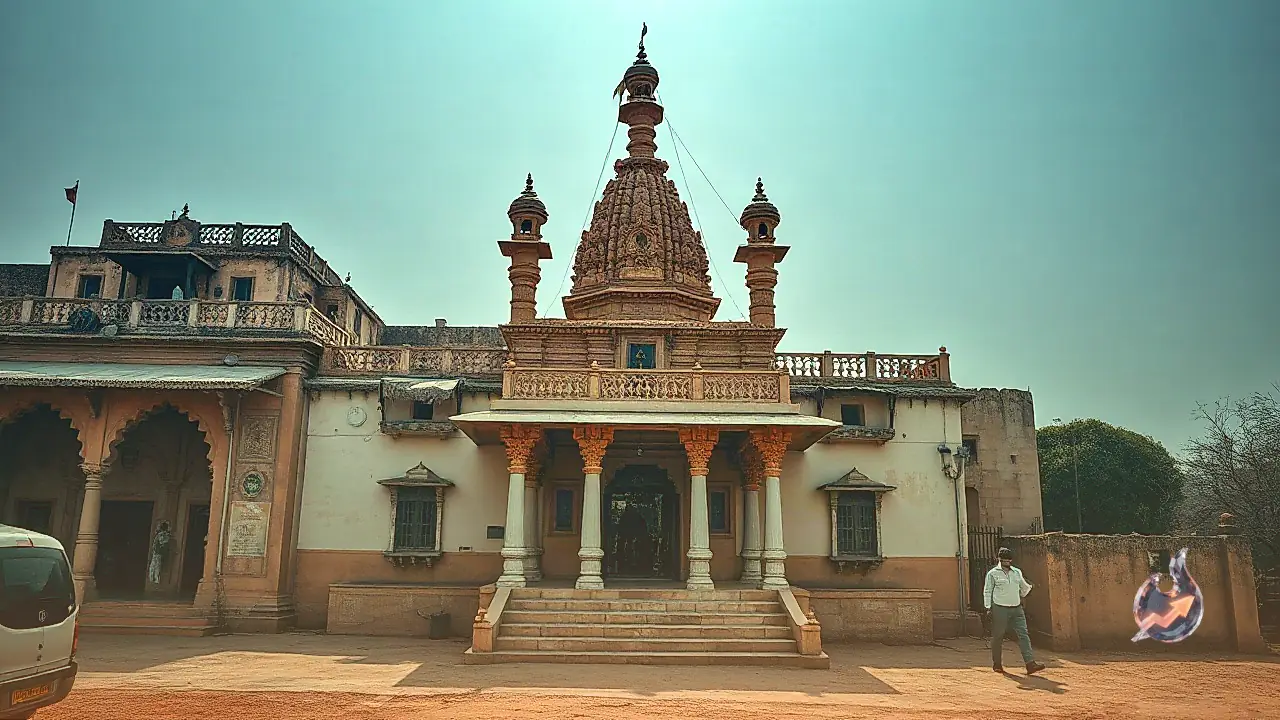
Situated on Queen's Road in Jaipur's Vaishali Nagar area, Jharkhand Mahadev Temple holds a distinct architectural position in the region. While nearly all temples in Jaipur feature traditional North Indian and Rajasthani styles, Jharkhand Mahadev stands out as the city's sole shrine constructed in the South Indian Dravidian architectural style, closely resembling the celebrated temple of Tiruchirappalli in Tamil Nadu. The shrine has a history spanning approximately 100 years.
In earlier times, the locality surrounding the temple was known as Prempura. The region was densely covered with wild shrubs and thickets (jhad), which led to the compound name Jharkhand Mahadev, referring to the shrine surrounded by thickets. An Army Battalion Camp is located adjacent to the temple premises. Up until the year 1918, the shrine existed as a small, modest structure. It was subsequently renovated and expanded into its current grand South Indian design. Even today, lush green bushes and plants surround the temple complex, preserving the natural ambiance reflected in its name.
700-Year-Old Nainath Temple in Aravalli Hills: Blessed Haven for Desiring Parents
Located roughly 50 kilometers from Jaipur near Banskho village, Nainath Temple is situated amidst the scenic Aravalli mountain range and surrounding forest area. Boasting a rich history of over 700 years, this revered pilgrimage spot is deeply tied to the royal folklore of the former rulers of Banskho. The Shivling at Nainath Temple is also considered swayambhu, having naturally appeared centuries ago.
According to historical legend, the ruler of Banskho married three queens, but none of them bore children for many years. Seeking a remedy, the royal family turned to Baba Balavnath, a revered ascetic living in the nearby wilderness. Baba Balavnath advised the queens to perform dedicated worship at the Shiva shrine in the forest. The youngest of the three queens followed the saint's guidance with great devotion and was subsequently blessed with a child. Ever since this miraculous event, Nainath Temple has been celebrated as a sacred refuge for childless couples seeking blessings for offspring, drawing faithful visitors for centuries.