

















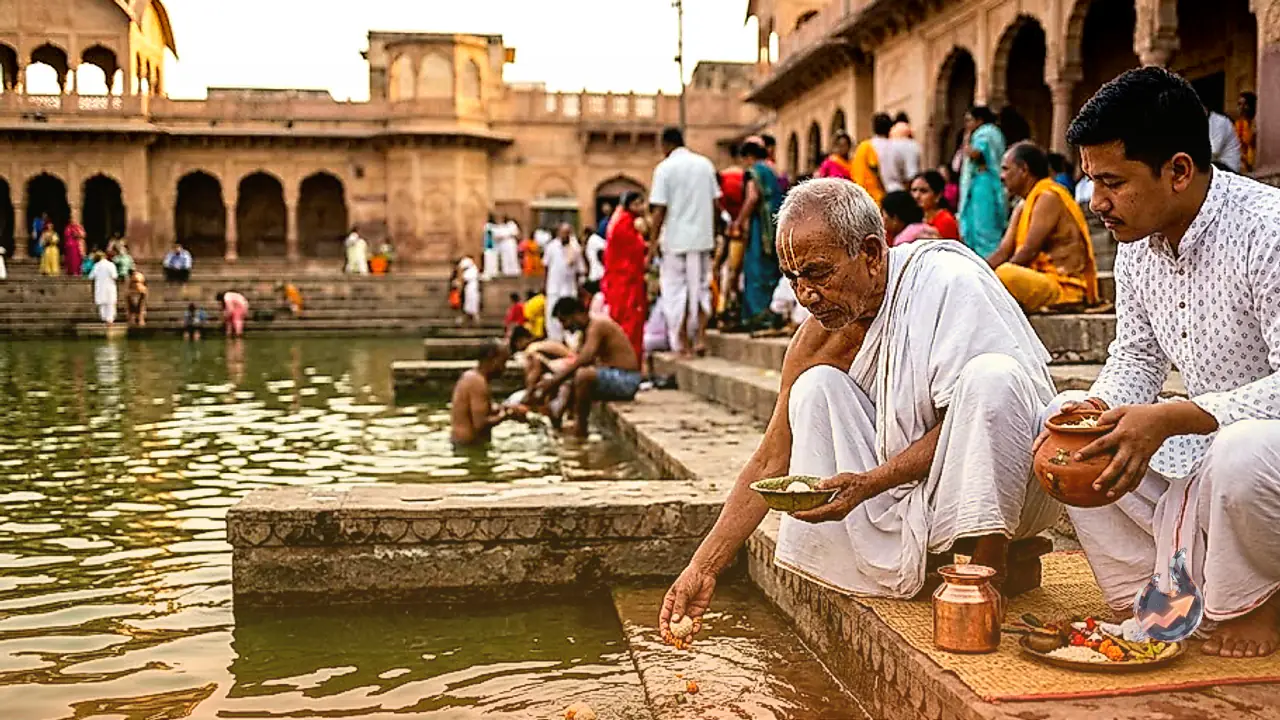
A profound spiritual link has bound the Braj region in northern India with the northeastern state of Manipur across several centuries. While pilgrims across India traditionally turn to Gaya in Bihar to conduct ancestral liberation ceremonies, followers of the Gaudiya Vaishnavite faith in Manipur hold Radha Kund and Shiva Kund in Govardhan, Mathura, as the supreme sanctuaries for honoring the departed. Generations of families from the northeastern state continue to travel across the country to carry out funeral rituals and Pind Daan along the sacred parikrama path, honoring an unbroken spiritual heritage during the annual Pitru Paksha period.
Radha Kund Regarded with Same Sanctity as Gaya
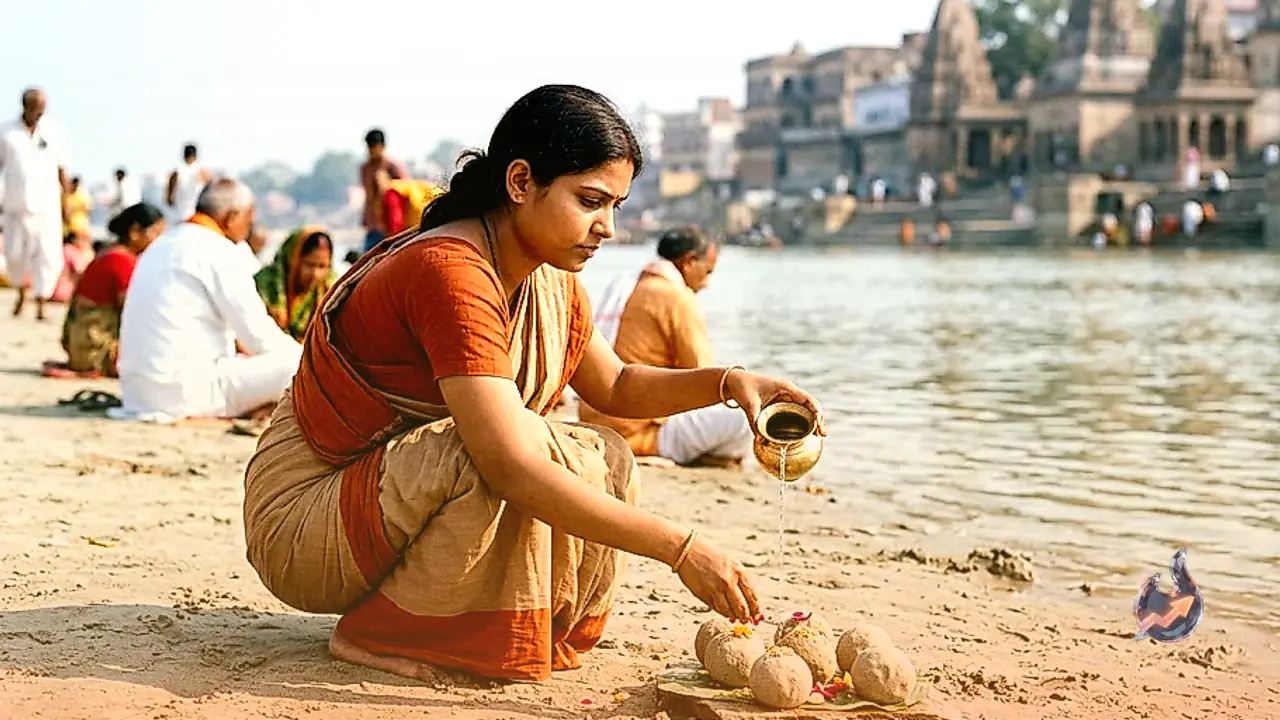
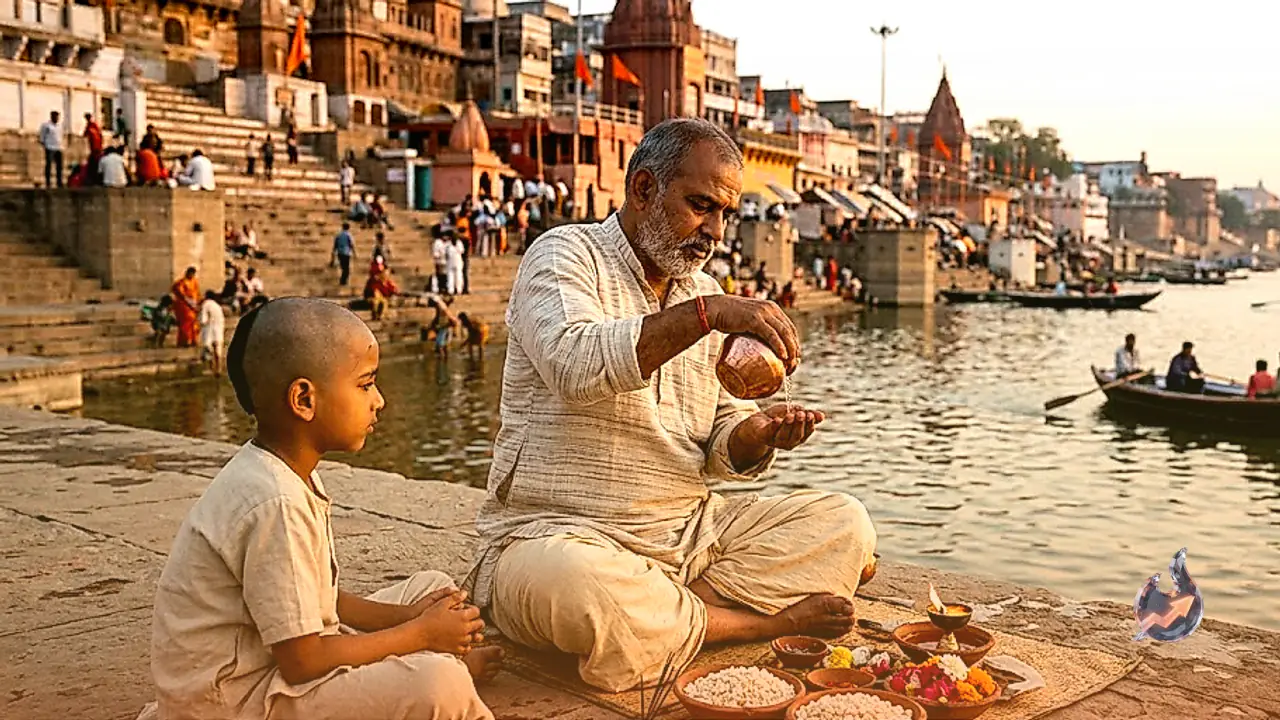
Devotees belonging to Manipur's Vaishnavite tradition observe detailed rituals of offering oblations and water to ensure peace for departed souls, primarily throughout the autumn month of Ashwin during Pitru Paksha and at other auspicious junctures. In the Manipuri tongue, this ritual offering of water and prayers is known as 'Tarpon'. Families from the state revere Radha Kund with the exact sacred status typically accorded to Gaya Ji. According to long-standing theological conviction, performing solemn water rites in Radha Kund secures an eternal spiritual abode for ancestors at the divine feet of Radha and Krishna, drawing pilgrims specifically to the Gaya Ghat located beside the Shraddha Kund area.
Bone Immersion and Tree Burial Customs at Shiva Kund
The sacred waters of Shiva Kund, situated near the Radha Kund sector of the circumambulation pathway, hold extraordinary significance because Lord Shiva resides there in his Siddheshwar manifestation. Scriptural traditions celebrate Shiva as the paramount guide and teacher among Vaishnavas. In accordance with this philosophical outlook, when an individual passes away in Manipur, family members typically separate the retained mortal fragments, casting one portion into the Ganges and carrying the remaining sacred relics to Braj to be immersed in Shiva Kund, Mansi Ganga, or neighboring holy bodies of water, trusting Shiva's grace to release the soul from worldly transmigrations.
Local resident Deepu Joshi explains that Manipuri groups arrive bearing mortal remains to offer them first in devotion before Radha Rani. According to Deepu Joshi, pilgrims accompany these rites with traditional beats of drums and cymbals, digging beneath sacred Peepal trees to inter the relics before tying consecrated cloth around the trunks in remembrance, a practice witnessed continuously by local residents since childhood.
Historic 18th-Century Link Under King Bhagyachandra
This enduring relationship between Manipur and Braj was formally established in the 18th century, sparked when Manipur's monarch, Maharaja Bhagyachandra, also widely chronicled as Jai Singh, formally embraced the Gaudiya Vaishnava lineage. The sovereign's religious conversion initiated profound devotional shifts throughout his territory, firmly tethering northeastern religious culture to the landscape of Mathura and Vrindavan. Physical monuments such as the historic Gopal Manipuri Temple and ancient samadhi memorials situated near Radha Kund stand as permanent testaments to this royal legacy. Even today, many aging devotees from Manipur choose to spend their twilight years residing in Braj, seeking personal spiritual elevation alongside ultimate peace for their forebears.
Key Ritual Calendar for Pitru Paksha 2026
The observance calendar for Pitru Paksha begins on Saturday, September 26, dedicated to the Purnima Shraddha. The structured daily cycle commences the following day on Sunday, September 27, marking Pratipada Shraddha. Subsequent observances fall on Monday, September 28 for Dwitiya, and Tuesday, September 29 for Tritiya Shraddha alongside Maha Bharani, followed by the combined Chaturthi and Panchami Shraddha on Wednesday, September 30.
Entering the month of October, the calendar schedules Shashti Shraddha on Thursday, October 1, Saptami on Friday, October 2, Ashtami on Saturday, October 3, Navami on Sunday, October 4, and Dashami Shraddha on Monday, October 5. Ritual observances conclude during the final stretch with Ekadashi Shraddha on Tuesday, October 6, Dwadashi and Magha Shraddha on Wednesday, October 7, Trayodashi on Thursday, October 8, Chaturdashi on Friday, October 9, and the definitive Sarvapitri Amavasya culmination on Saturday, October 10.