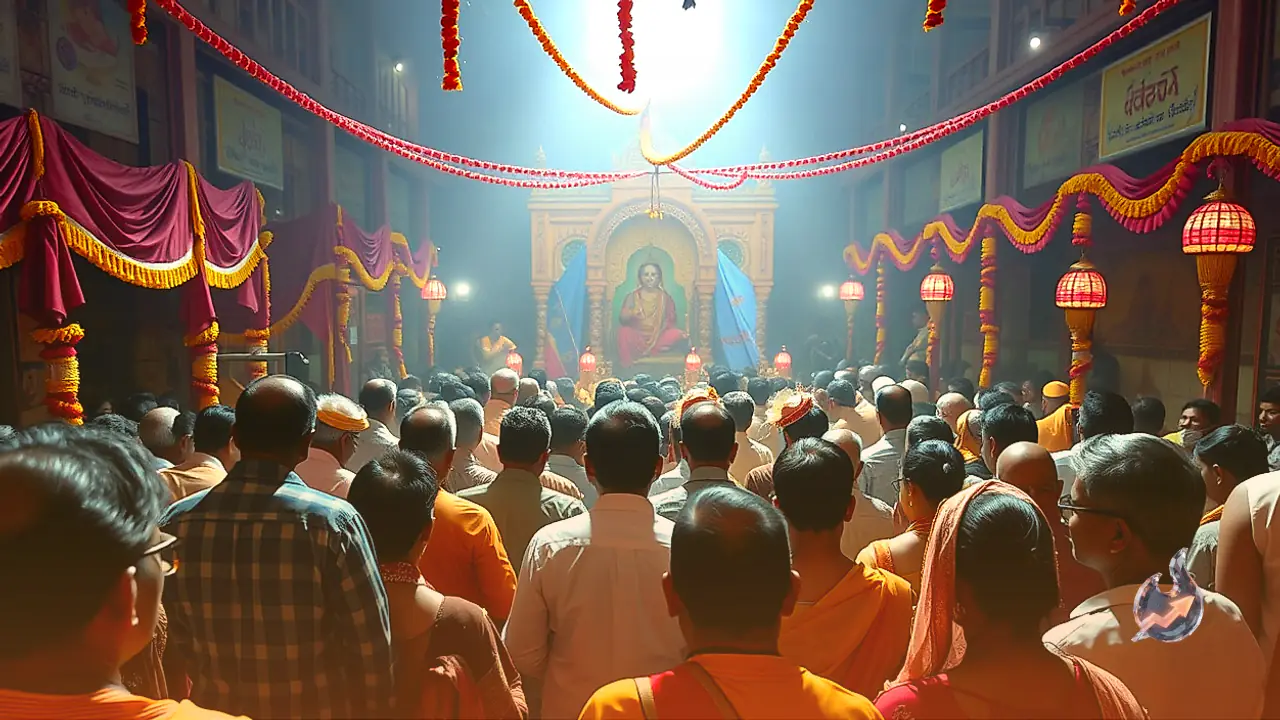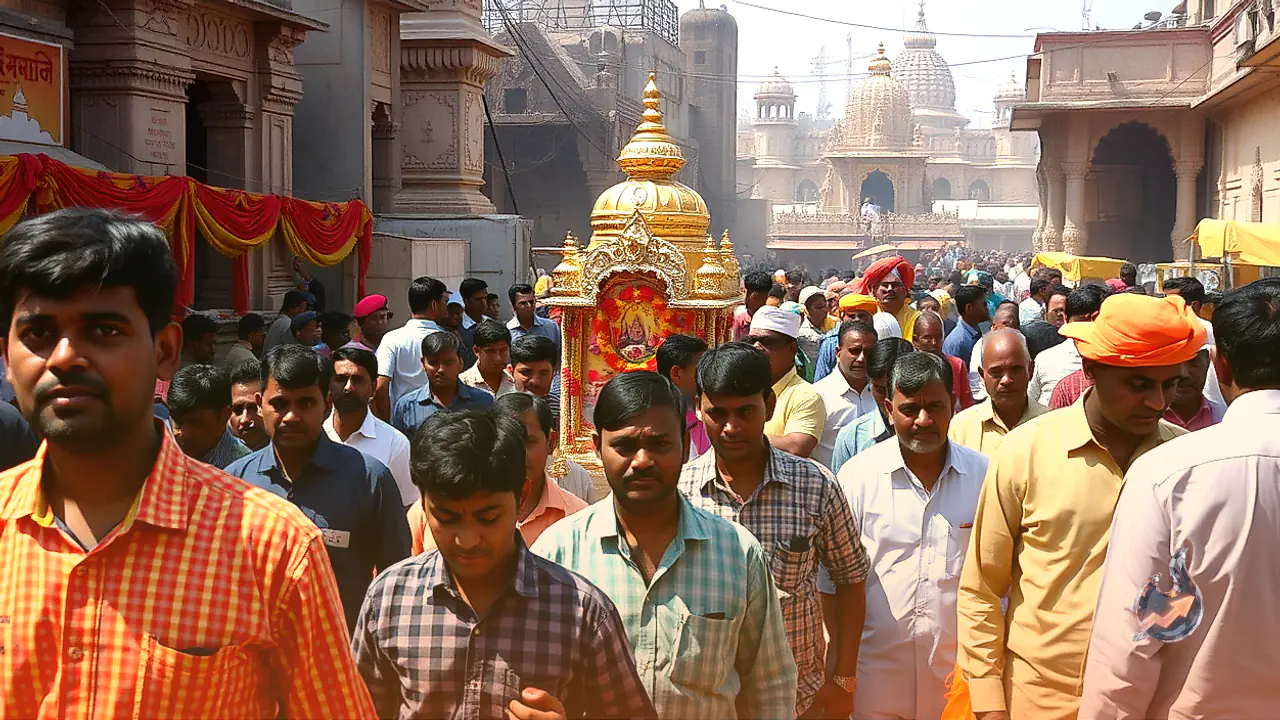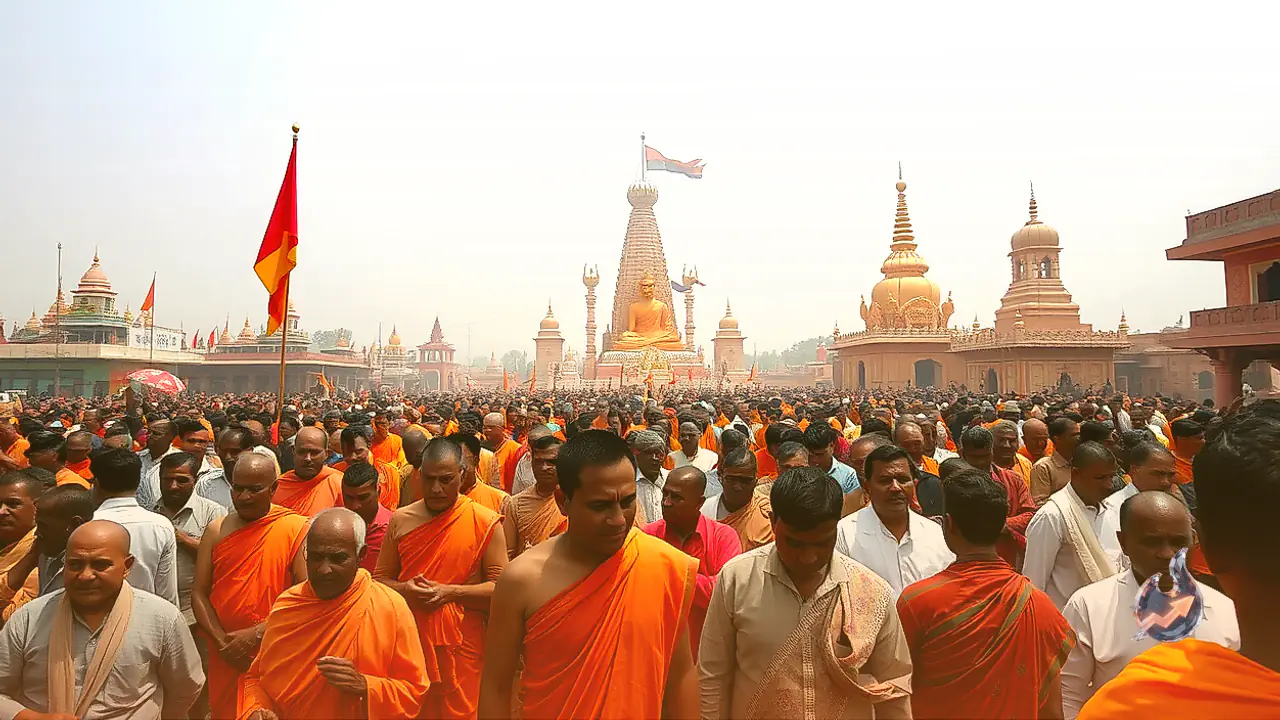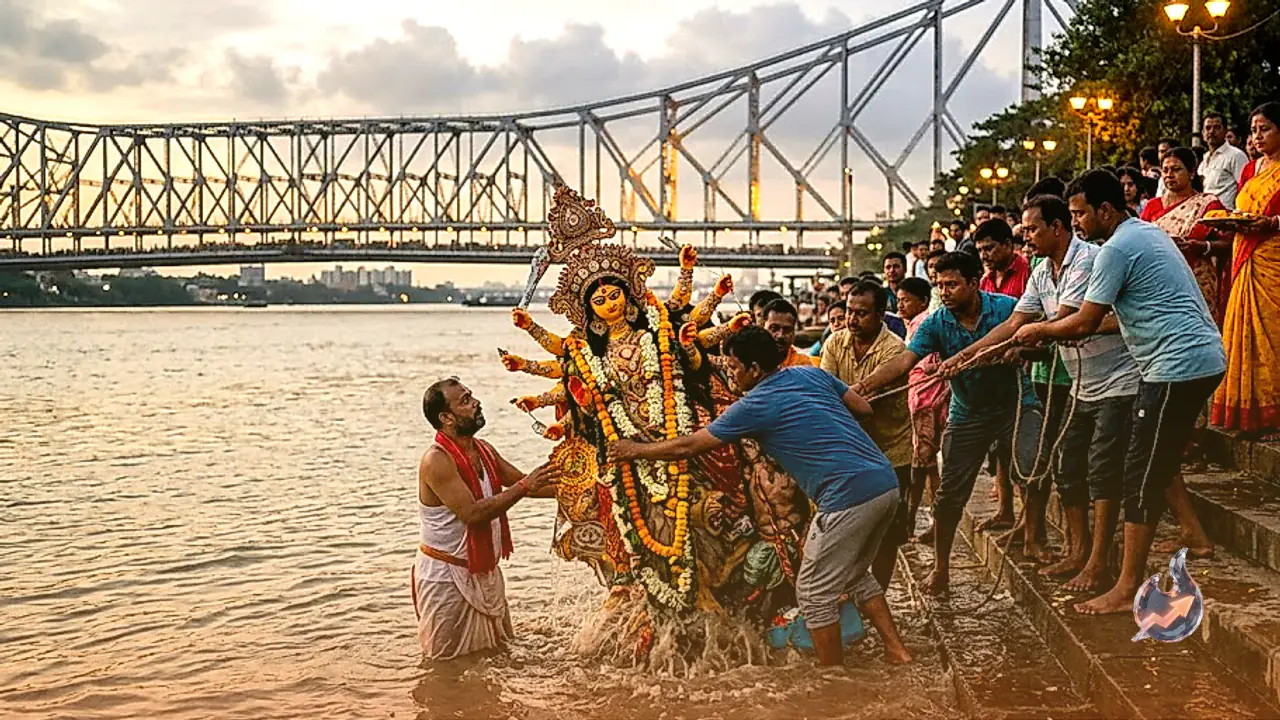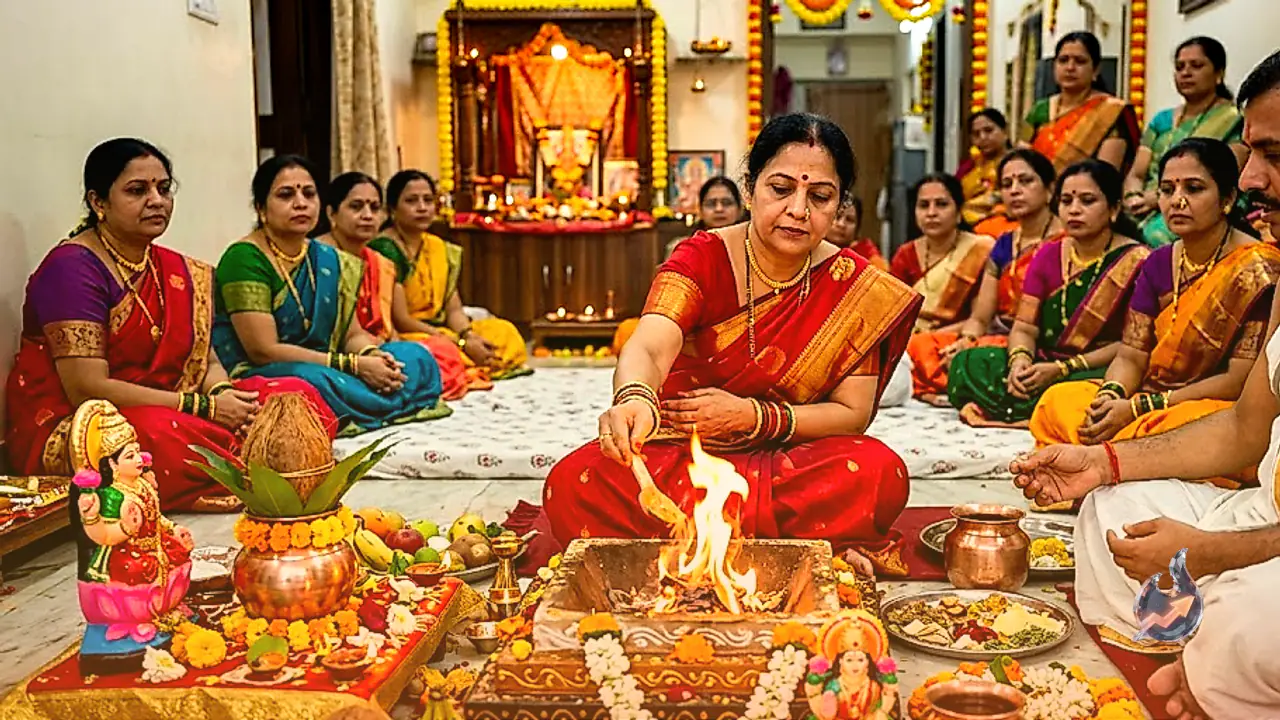





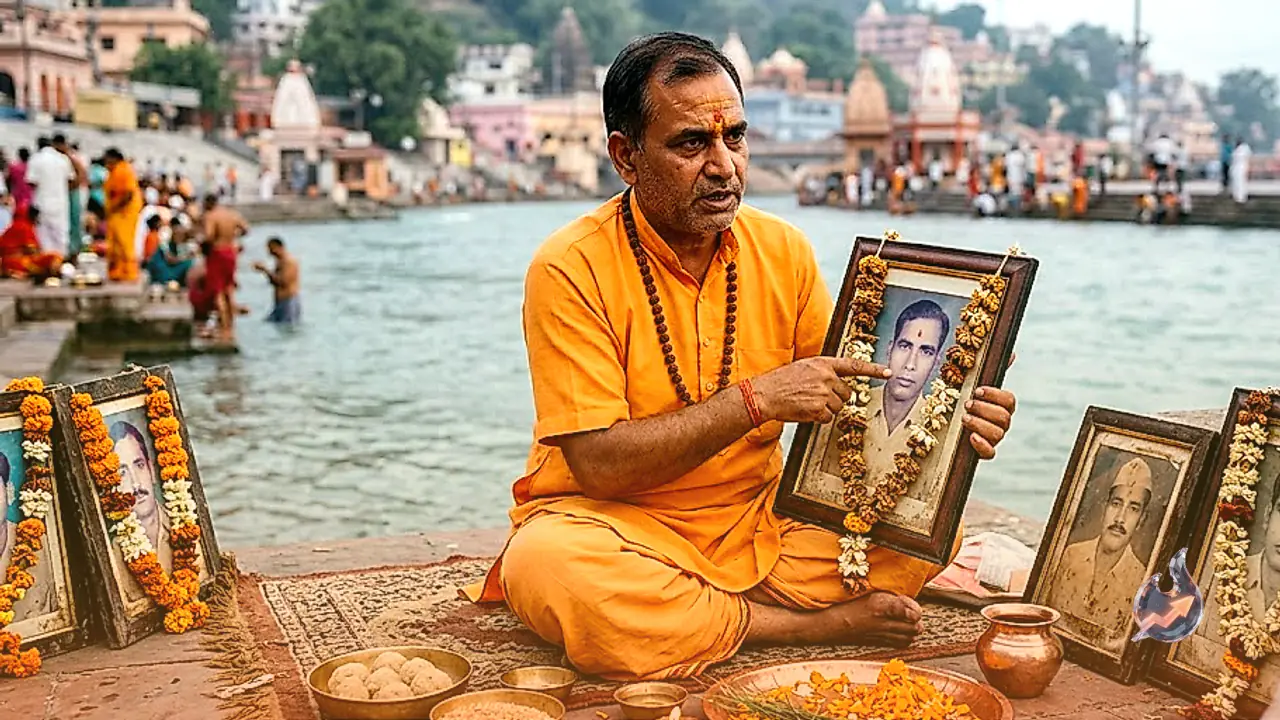

















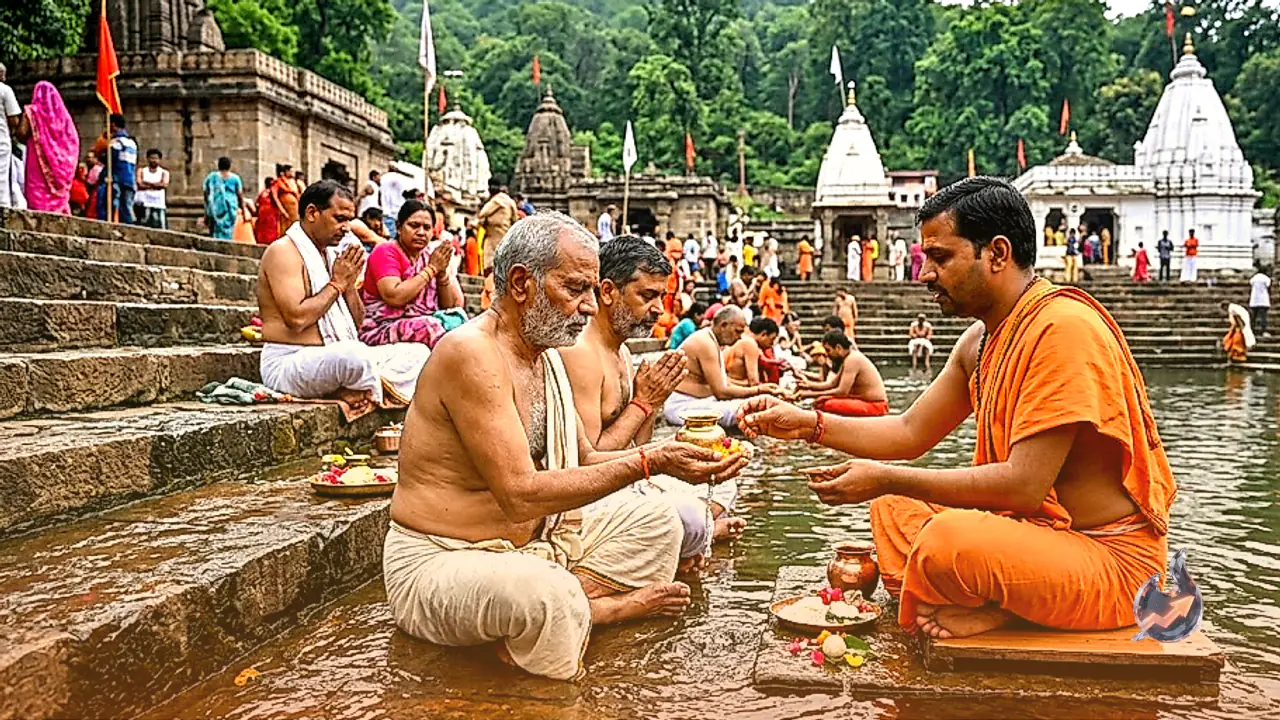

In the timeless spiritual traditions of India, fulfilling obligations toward one's departed forefathers is regarded as a sacred spiritual duty. Among the premier pilgrimage sites designated for releasing ancestral debts, Amarkantak, the elevated source of the life-giving Narmada, occupies an extraordinary position. Scriptural chronicles explain that ancestral rites performed along these sacred currents carry a potency that does not diminish over time. This revered highland is celebrated as an eternal sanctuary where oblations offered to departed souls yield imperishable spiritual peace.
The Mind-Born Daughter of the Ancestors
According to ancient narratives preserved in the Vayu Purana, the sacred river is identified as the mind-born daughter of the ancestors themselves. Because of this divine lineage, conducting oblation ceremonies with her waters is believed to result in an everlasting state of contentment for departed forebears. Offerings made of clean river water, black sesame seeds, and sacred kusha grass are traditional rituals that bestow eternal satisfaction. This spiritual standing explains why large numbers of pilgrims gather at the holy banks of Amarkantak during Pitru Paksha to conduct solemn rituals for both divine energies and ancestral spirits.
The Significance of Arandi Sangam and Funeral Rites
The scriptures highlight the Arandi Sangam, along with various ghats along the river at Amarkantak, as foremost among holy sites for performing ancestral offerings and ball-shaped food oblations. The Vayu Purana provides the earliest historical mention of this specific sanctuary as a designated location for funeral rites. Sages have long maintained that paying respectful homage here removes deep-seated ancestral afflictions from a seeker's life. Completing these traditional oblation rites brings peace, material harmony, and prosperity to the family lineage while liberating the individual from the burdensome ancestral debt.
Spiritual Splendor That Purifies at First Sight
The spiritual stature of this holy watercourse surpasses conventional scriptural comparisons. A well-known verse found in the Reva Khanda of the Skanda Purana delineates the purifying qualities of various holy streams across northern India. It observes that bathing for three days in the Saraswati, cleansing for seven days in the Yamuna, or an immediate dip in the sacred waters of the Ganga cleanses a mortal of sins. Yet, scripture proclaims that the Narmada possesses such transcendent power that mere sight of her sweeping waters instantly destroys cumulative transgressions gathered over numerous lifetimes.
The Daughter of Shiva and the Self-Manifested Shivalingas
Devotional legends honor the river as the mind-born daughter of Lord Shiva. Originating from the rugged heights of the Maikal mountain range, she is fondly addressed as Maikalsuta. Her other traditional name, Reva, stems from the roaring, leaping musical cadence created as her waters cascade across uneven rocks. According to sacred tradition, Lord Shiva granted her an extraordinary boon of immortality, proclaiming that she would remain undiminished even during the cosmic dissolution of the universe. This eternal nature is commemorated in the sacred phrase describing her survival through cosmic doom. Furthermore, by divine grace, every stone shaped by her gentle rolling currents is worshipped as an authentic Narmadeshwar Shivalinga without the need for formal ritual consecration. This unique phenomenon gave rise to the enduring regional saying that every single pebble of this holy stream embodies Shiva. Underscoring this uniqueness, she remains the only river honored with an entire dedicated epic, the Narmada Purana.
An Inverse Geographic Journey and the Sacred Pilgrimage
In contrast to the majority of major rivers across peninsular India that flow eastward into the Bay of Bengal, this river carves a rare westward path. Flowing through a deep rift valley between towering hills, it journeys westward across central regions before emptying into the Arabian Sea at the Gulf of Khambhat. It is also the only river on earth sanctified by an unbroken foot pilgrimage around its entire course from source to sea. Spiritual seekers and ascetic pilgrims traditionally spend three years, three months, and thirteen days walking its complete perimeter barefoot. This strenuous journey serves as an intense spiritual discipline designed to dissolve ego and align the human spirit with the natural and divine order.
Historic Temples and Ancient Kalachuri Architecture
At Amarkantak, the river emerges from a small pristine reservoir known as the Narmada Udgam Kund. The surrounding white masonry tank and its complex of roughly twenty-four neighboring shrines were commissioned by the Bhonsle monarchs of Nagpur and Maharaja Gulab Singh of Rewa. Just a short walk from this origin sanctuary stands a cluster of ancient temples preserved under the care of the Archaeological Survey of India (ASI). These historic structures were erected in the eleventh century by King Karndev of the Kalachuri dynasty. Notable among them are the Pataleshwar Mahadev temple, the Machendranath temple, and the magnificent three-faced triple-shrine Karna temple, which stand as enduring masterpieces of medieval regional architecture.
Ecological Diversity in the Achanakmar-Amarkantak Biosphere Reserve
Complementing its profound religious pedigree, the natural environment of Amarkantak forms an essential core of the Achanakmar-Amarkantak Biosphere Reserve. In 2012, this diverse wilderness was officially welcomed into the global network of UNESCO's Man and the Biosphere programme. The dense surrounding forests are a treasure trove of rare medicinal flora. Prized botanicals such as Gulbakawali and black turmeric flourish abundantly within these high-altitude woodlands, having sustained traditional herbal healing systems for generations to treat difficult chronic health conditions.