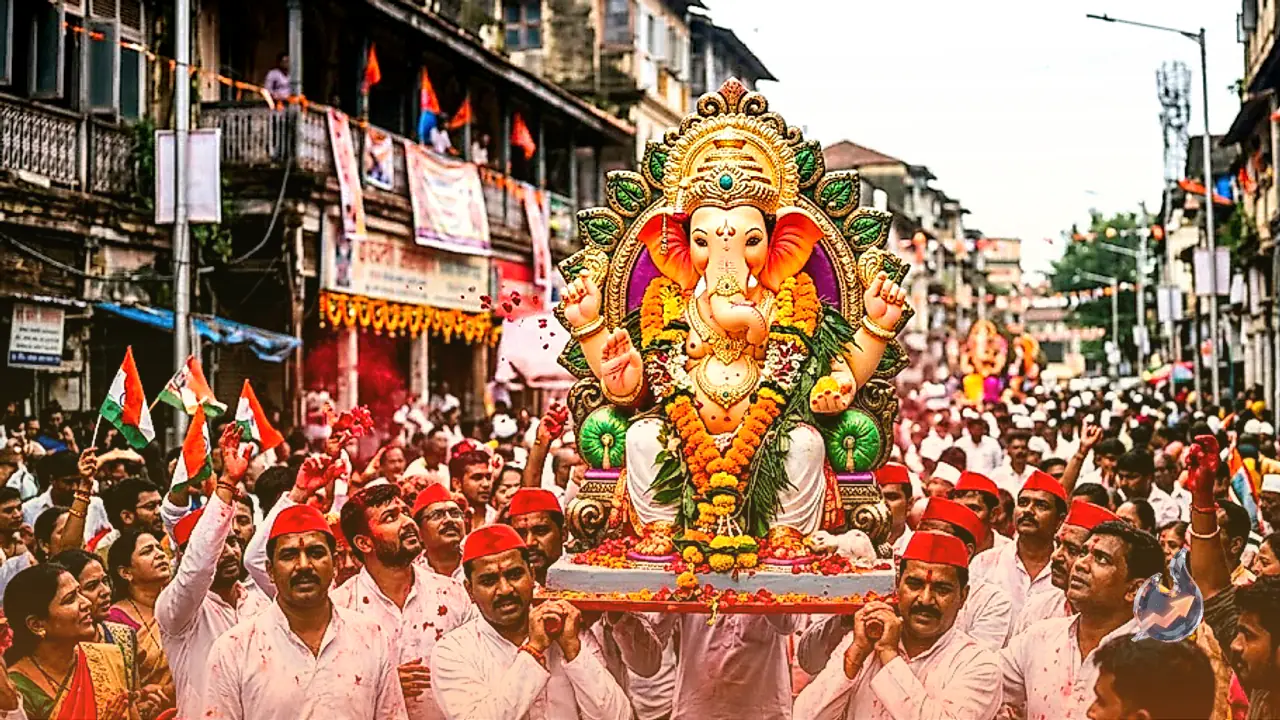






















The sixth month of the Hindu calendar, Bhadrapada, has officially begun, widely recognized by people as Bhado. Derived from the Bhadrapada nakshatra, this month holds immense religious and spiritual significance in Hindu traditions. Spanning roughly from mid-August to mid-September, this period arrives right after Sawan and is marked by major festivals like Janmashtami, Ganesh Chaturthi, Hartalika तीज, and Rishi Panchami. According to religious beliefs, engaging in prayers, fasting, and acts of charity during this month brings immense virtue and blessings. Alongside spiritual observances, traditional guidelines outline specific dietary rules for this month, and following these practices is believed to keep various ailments and hardships at bay. Let us understand what dietary protocols are prescribed for the month of Bhadrapada.
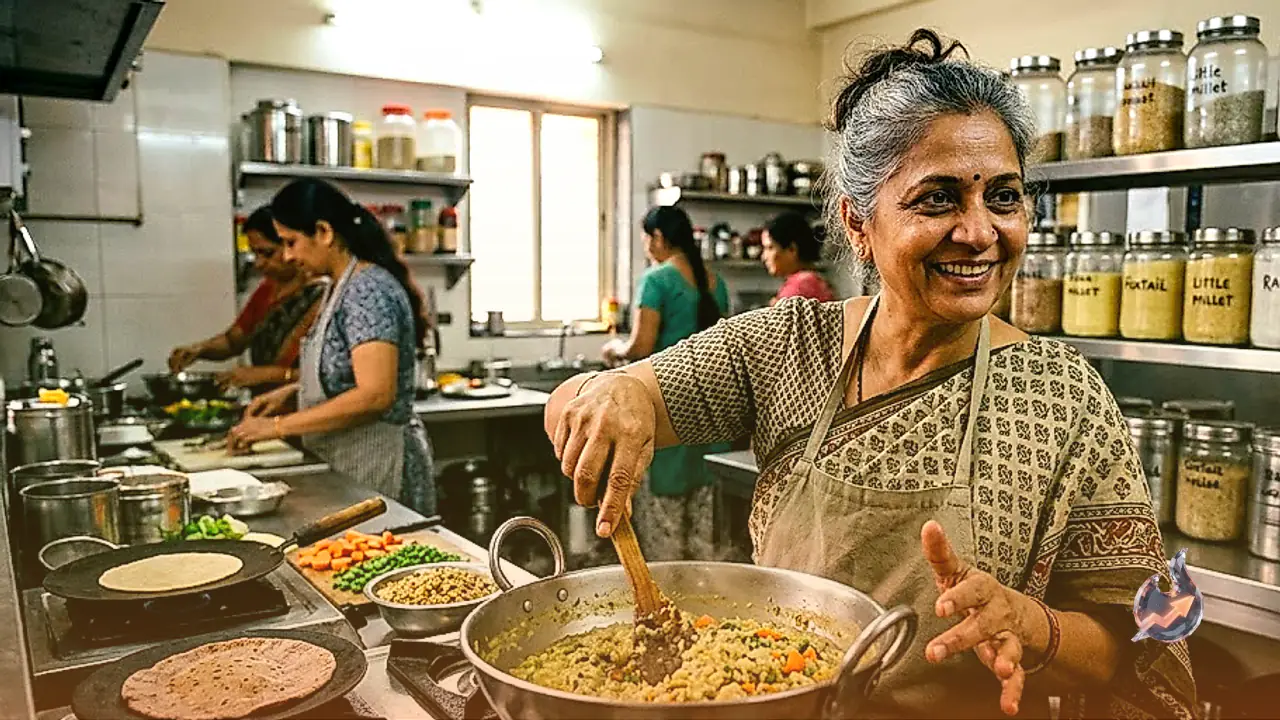
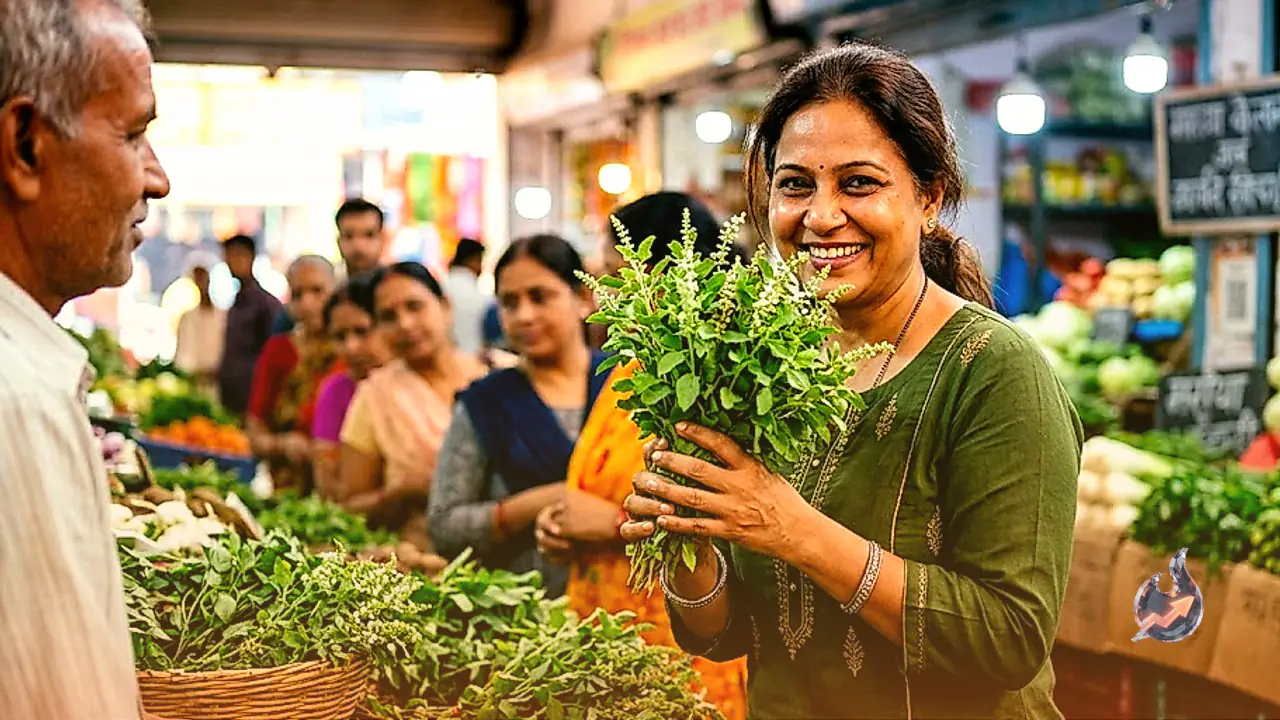
When considering what to eat during Bhadrapada, the weather begins to transition significantly during this time. Continuous rainfall and high humidity can take a toll on the human digestive system, making it wise to consume light, fresh, and easily digestible meals. Incorporating freshly prepared home-cooked food, moong dal, arhar dal, and an adequate amount of water into the daily diet is considered beneficial. Additionally, people can include tomato soup, ginger, onions, and garlic in their meals. Drinking turmeric milk, traditional herbal decoctions, halwa, and items made from gram flour is also advised. Those observing fasts can consume fruits, milk, curd, makhana, sabudana, kuttu flour, or singhara flour preparations according to their family traditions. Alongside these, eating fresh seasonal fruits like apples, bananas, pomegranates, and pears is a great choice. It is best to avoid overly fried and spicy dishes, while maintaining strict hygiene during this rainy season.
On the other hand, there are several food items that must be strictly avoided during Bhadrapada to protect health and uphold purity. Traditional customs heavily emphasize consuming a purely sattvic diet during this month, with many households staying away from non-vegetarian food, alcohol, and tamasic meals. Furthermore, heavily fried, stale, or long-stored food items should be kept off the plate. The rainy season elevates the risk of stomach ailments due to contaminated water and infected food items, which is why unhygienic street food should be approached with extreme caution. Religious and dietary traditions recommend avoiding meat, honey, jaggery, green vegetables, and radishes during Bhadrapada.
Special dietary restrictions apply to certain vegetables and lentils throughout this month. People are advised against eating eggplants during Bhado because they tend to get infested with worms during this weather, and consuming them can trigger gas and indigestion. Additionally, using coconut oil is discouraged during this period. Cold and stale items should not be eaten, and people are advised against consuming ice cream and cold drinks. Vegetables like beetroot, cucumber, and kakdi should be avoided, and fast food must be strictly steered clear of. Due to the damp weather, green leafy vegetables and watermelons should also be kept off the menu. Beyond vegetables, consuming masoor dal and chana dal is prohibited during this month. However, these dietary guidelines can vary depending on different regional customs, family backgrounds, and fasting traditions, which is why prioritizing one's own family customs is always recommended when following religious practices.