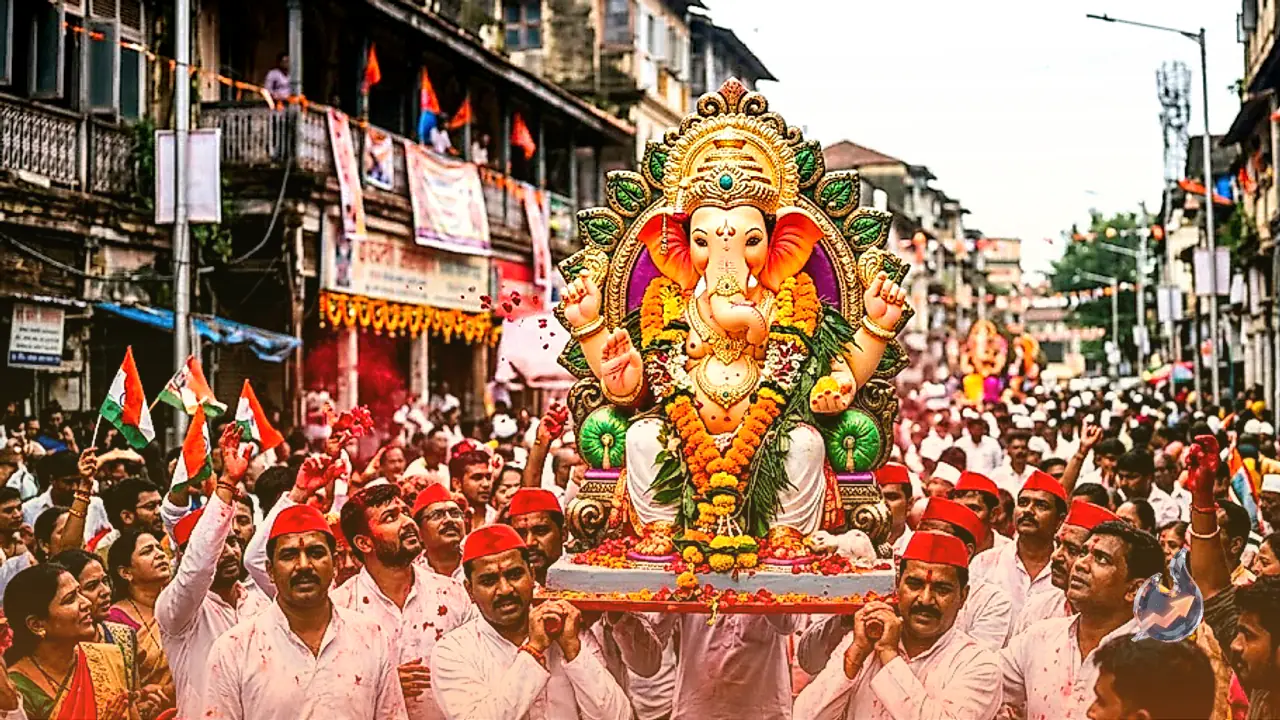
























In Sanatan tradition, the month of Bhadrapada is considered exceptionally significant for prayers, fasting, and spiritual observance. Arriving right after Sawan, this month hosts major festivals like Janmashtami, Ganeshotsav, Hartalika Teej, and Rishi Panchami. This year, the Bhadrapada month spans from August 29 to September 26, 2026. As part of the Chaturmas period, this month emphasizes maintaining dietary discipline and complete purity alongside regular worship.
Significance of Bhadrapada Month
According to the Hindu calendar, Bhadrapada is the sixth month of the year, commonly referred to as Bhado. Throughout this entire month, devotees worship the Hrishikesh form of Lord Vishnu. Being one of the four holy months of Chaturmas, special emphasis is placed on maintaining restraint, discipline, and complete satvik purity in daily life.
Recommended Foods for Health and Tradition
During Bhadrapada, seasonal shifts and ongoing rains often trigger digestive issues. To counter this, consuming fresh and light meals is considered the best approach. Individuals should include home-cooked food, moong and arhar lentils, soups, ginger, and adequate water in their daily diet. Those observing fasts can consume fruits, milk, curd, makhana, sabudana, kuttu, and singhara flour dishes according to their family customs. Fresh fruits like apples, bananas, pomegranates, and pears are also recommended.
Foods to Avoid During the Month
Religious traditions strictly emphasize a satvik diet throughout Bhadrapada. Many households strictly avoid non-vegetarian food, alcohol, and tamasic items. Additionally, people are advised against eating stale, heavily fried, or spicy meals. According to scriptural guidelines, consumption of meat, honey, jaggery, radishes, eggplants, beetroot, cucumbers, and watermelons is discouraged. Dietary restrictions are also maintained regarding green leafy vegetables, masoor dal, and chana dal.
Variations in Regional and Family Traditions
Dietary rules during Bhadrapada can vary significantly depending on regional practices and family traditions. Therefore, when observing specific fasts or religious guidelines, it is considered appropriate to give priority to one's own family customs and local beliefs.