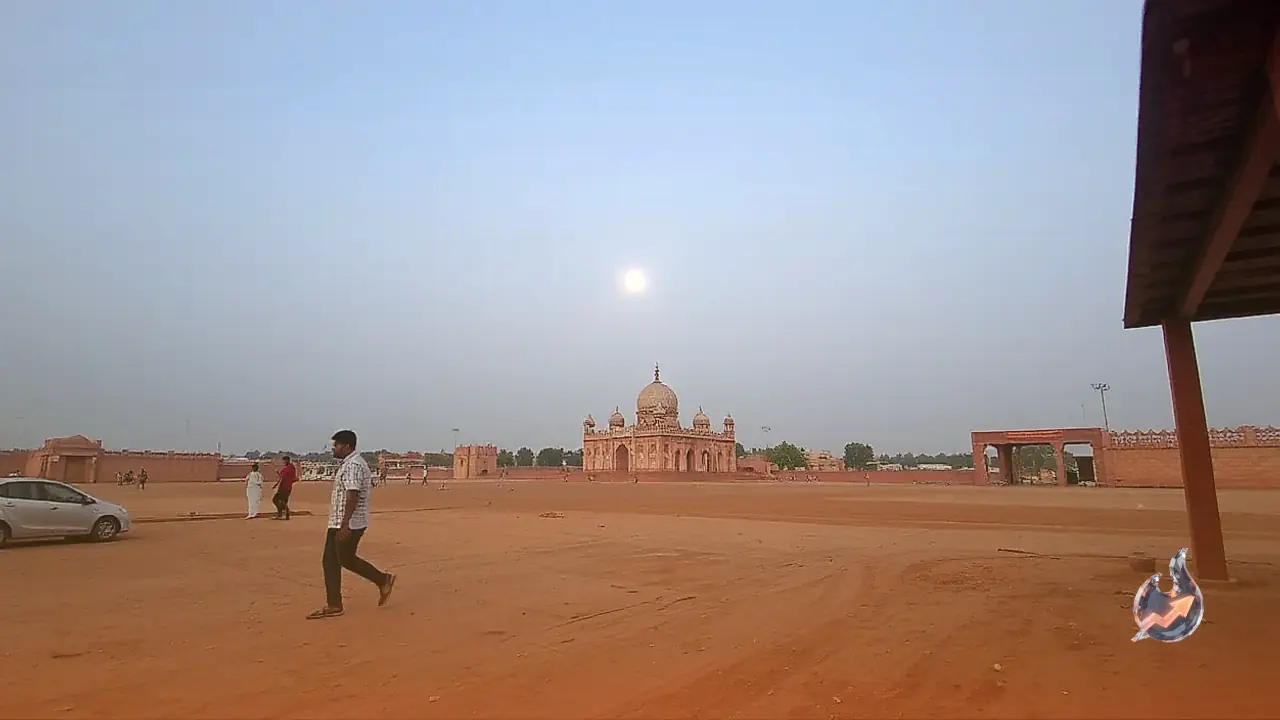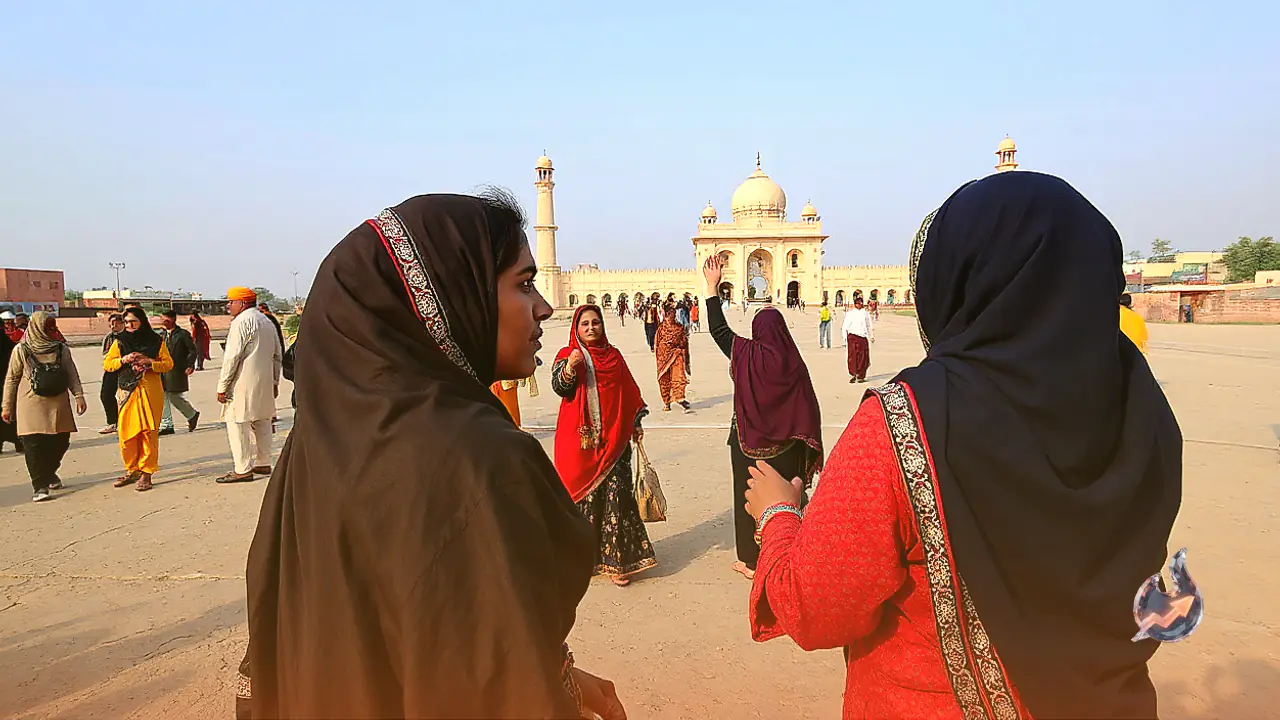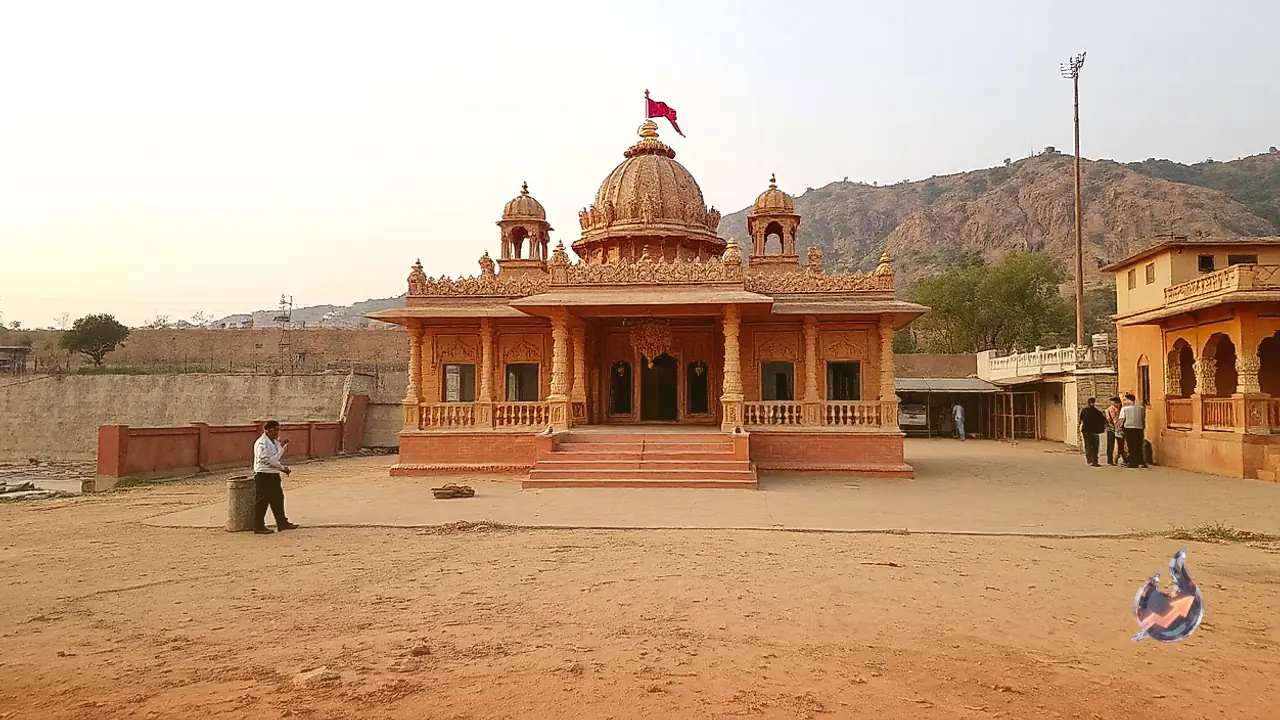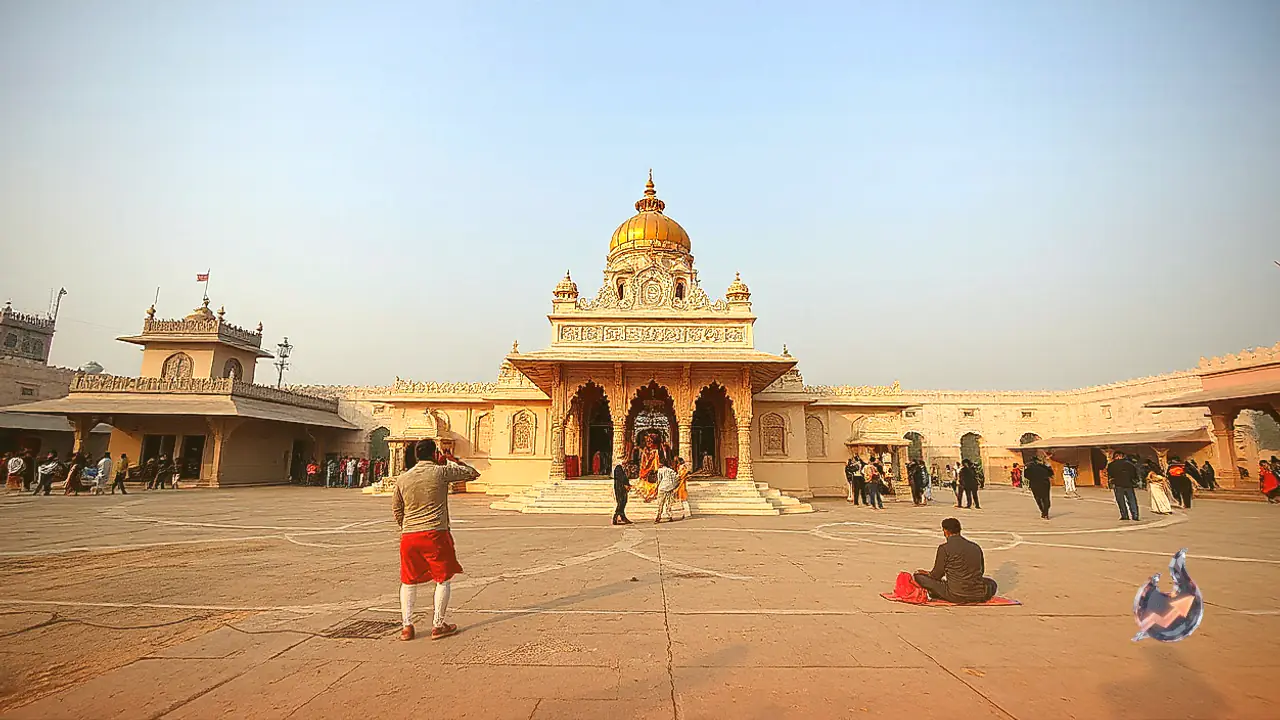
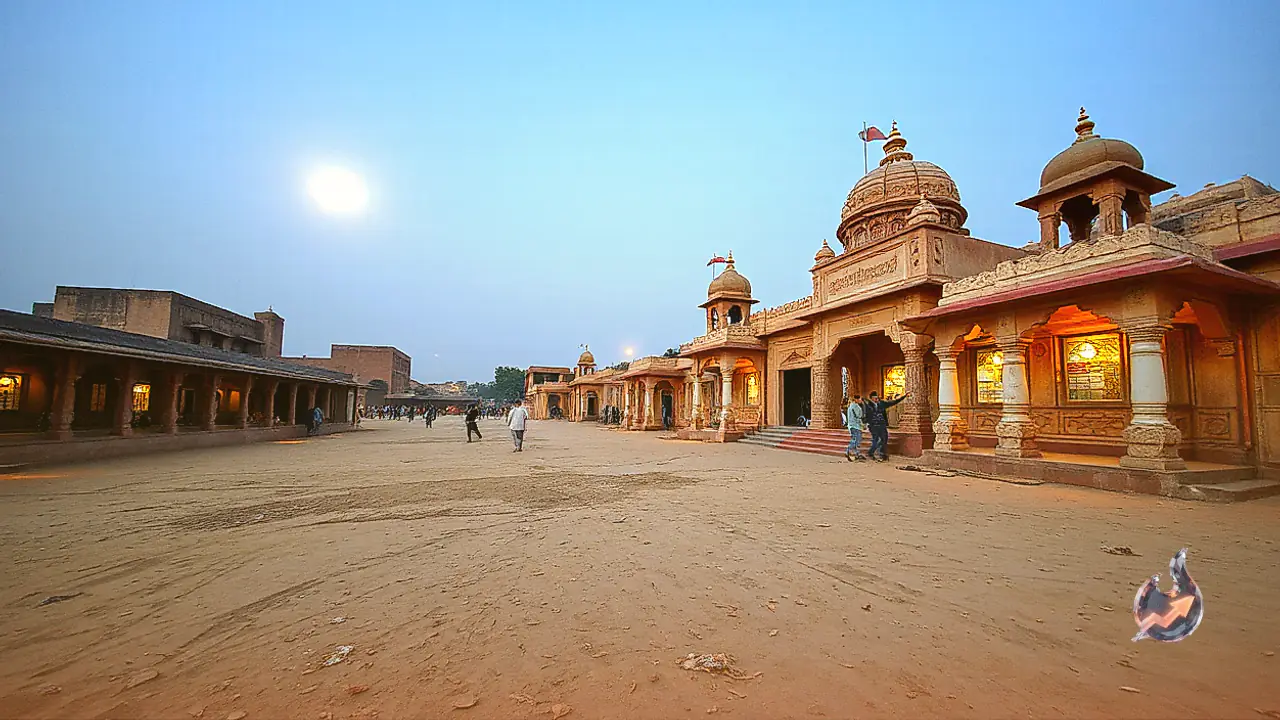
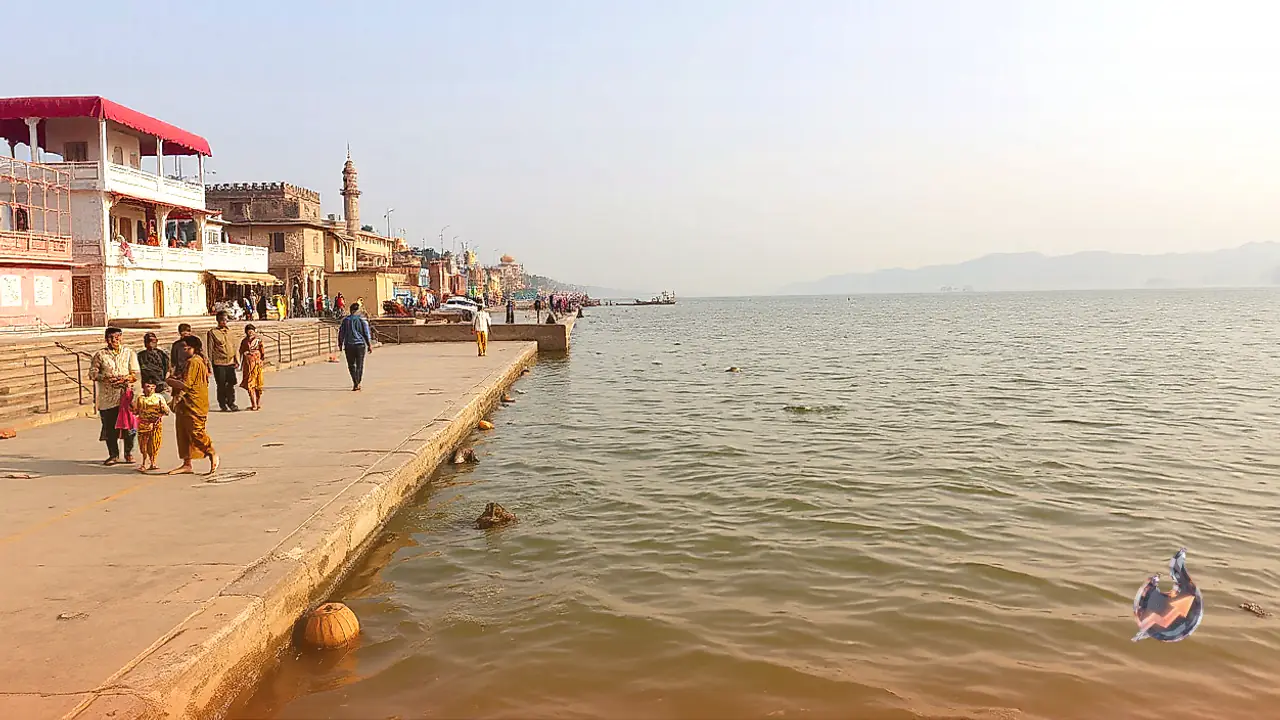
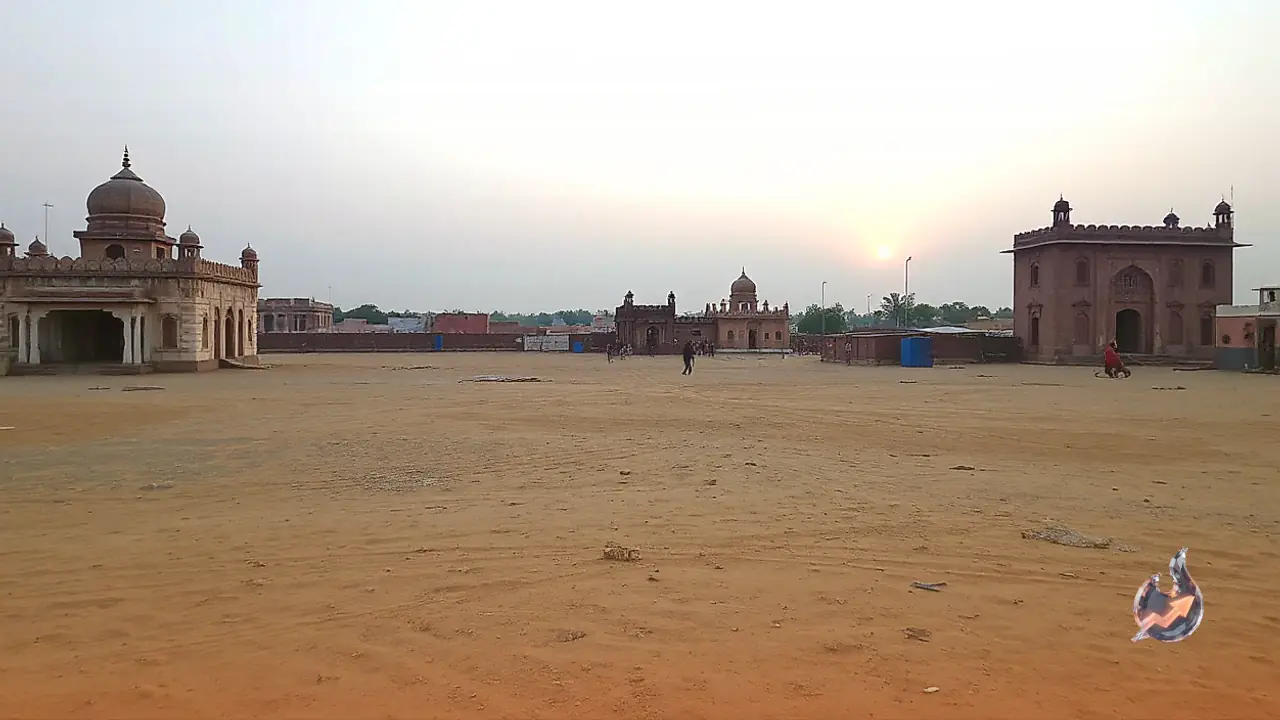
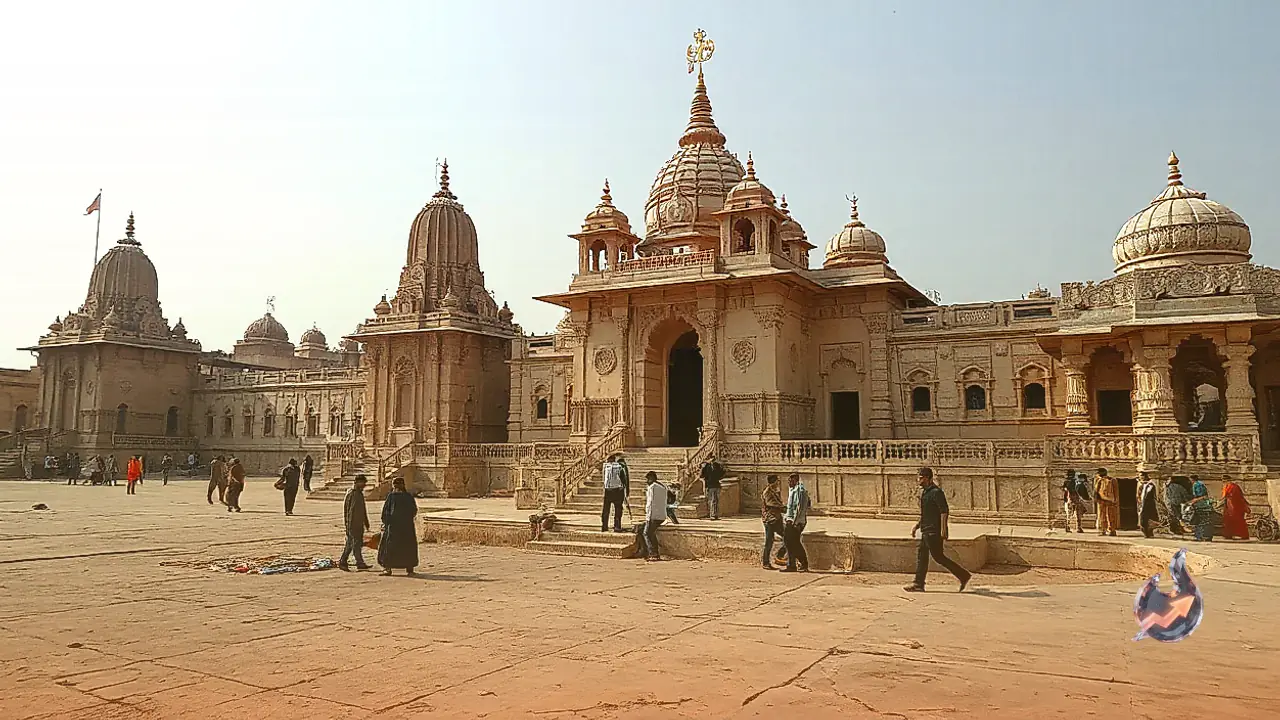
















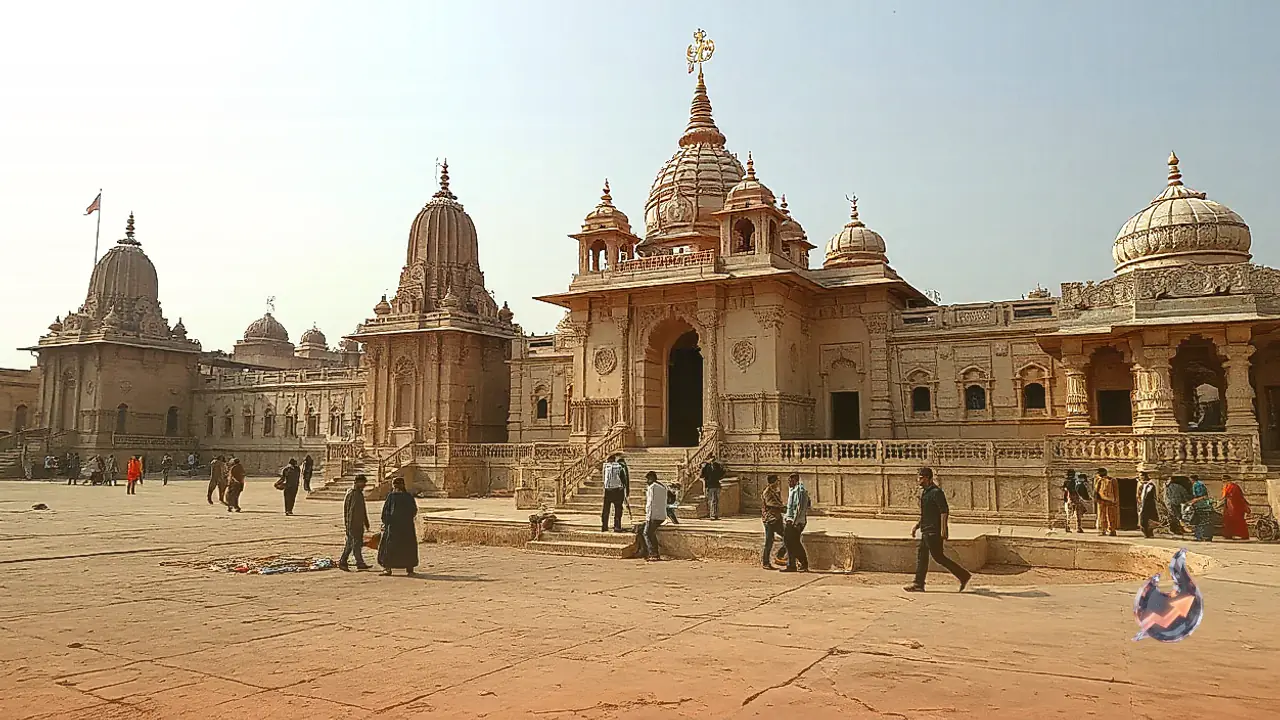

Located on the Siddha hill in the Pachhat village of the Naugaon region in Chhatarpur, an 11th-century temple housing a 1008-faced Shiva idol serves as a major center of faith for devotees. During the holy month of Sawan, followers from far and wide travel to this magnificent court of the thousand-and-eight-faced Lord Shiva to pray for their happiness and prosperity. The divine atmosphere of this historic site draws countless believers seeking spiritual fulfillment.
In the Bijawar tehsil of Chhatarpur lies the Jatashankar Dham, also revered as the Kedarnath temple. This sacred destination is widely known for the unique grace of Lord Shiva and numerous supernatural phenomena. Within the premises of this dham, there are three distinct kunds or water reservoirs that naturally yield cold, warm, and normal water respectively. It is firmly believed that bathing in these pools cures severe skin ailments, which is why visitors frequently carry this holy water back to their homes.
The sanctum sanctorum of the temple houses a swayambhu shivalinga, meaning it manifested on its own. According to tradition, this sacred pillar appeared centuries ago and remains entirely unchanged to this day. Surrounded by rolling hills, the Jai Shiv Dham creates the serene impression of the deity sitting comfortably in the lap of nature to look after the welfare of humanity.
Another prominent Shiva temple situated in Khajuraho is known as Kunwar Math, though most people recognize it by the name Dulha Deo Temple. According to historical evidence, the construction of the Dulha Deo Temple was commissioned by the Chandel dynasty king Madan Varman in the year 1130 AD. The intricate architecture reflects the brilliant craftsmanship of that era.
Inside the sanctum of this temple stands a beautifully carved shivalinga. One of the most fascinating features of this structure is that 999 smaller lingas are etched directly onto the surface of the main sacred stone. It is believed that performing a single parikrama or circumambulation around this shivalinga equals the spiritual merit of completing 1000 parikramas. Alongside the central deity, idols of Lord Ganesh, Goddess Parvati, and Goddess Ganga are also installed within the temple grounds.
The Matangeshwar Mahadev Temple in Khajuraho is uniquely distinct in its own right. Historical accounts indicate that the shivalinga housed here extends equally above and below the ground. It measures 9 feet above the floor and reaches 9 feet deep underground, making the entire shivalinga 18 feet tall. This structure is among the oldest temples in Khajuraho, built during the 8th to 9th century, whereas the other heavily ornamented temples in the area date back to the 10th and 11th centuries.
According to traditional lore, this shivalinga used to grow by the size of a single grain of rice every year, eventually reaching its current height of 18 feet. In earlier times, the height of the shivalinga was measured annually on Sharad Purnima. To check its continuous upward growth, nails charged with sacred mantras were touched to the structure, which stabilized its rapid expansion. Nevertheless, the popular belief that the shivalinga continues to grow each year persists to this day.
Touching the shivalinga with one's hands is believed to fulfill the deepest wishes of the visiting devotees. Believers report a profound sense of spiritual assurance that their prayers have been answered the moment they make physical contact with the sacred stone.