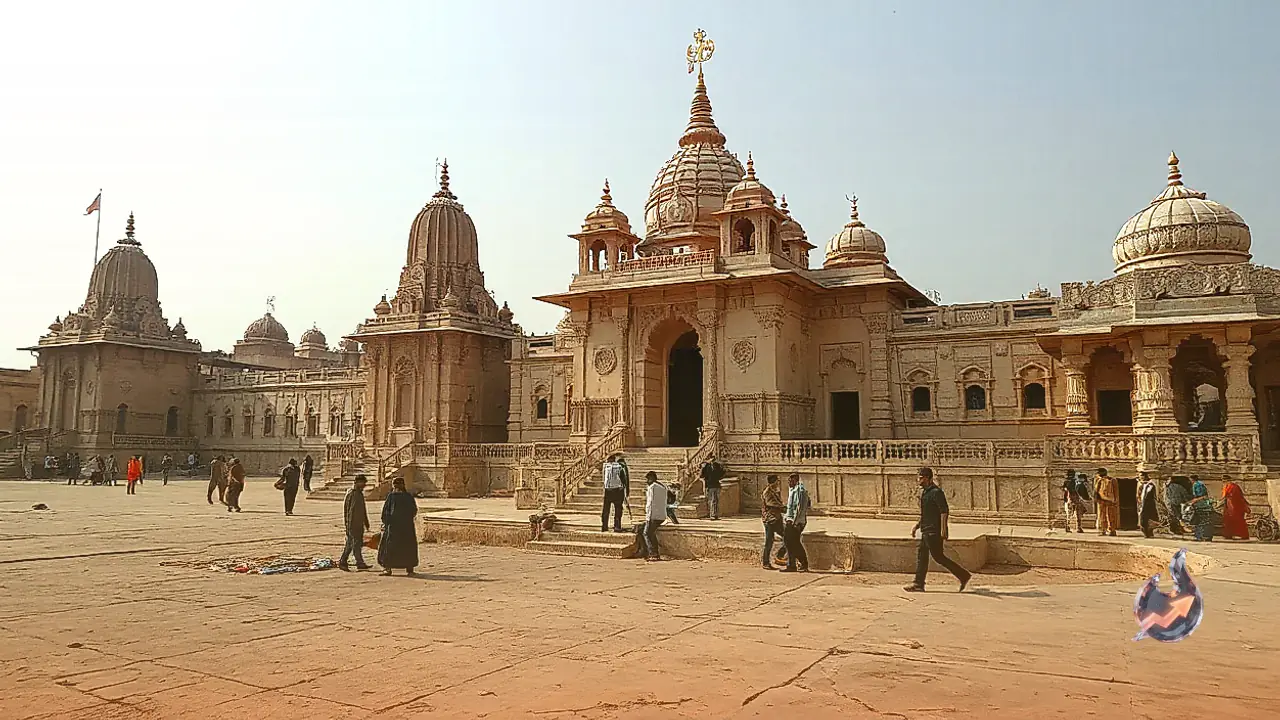


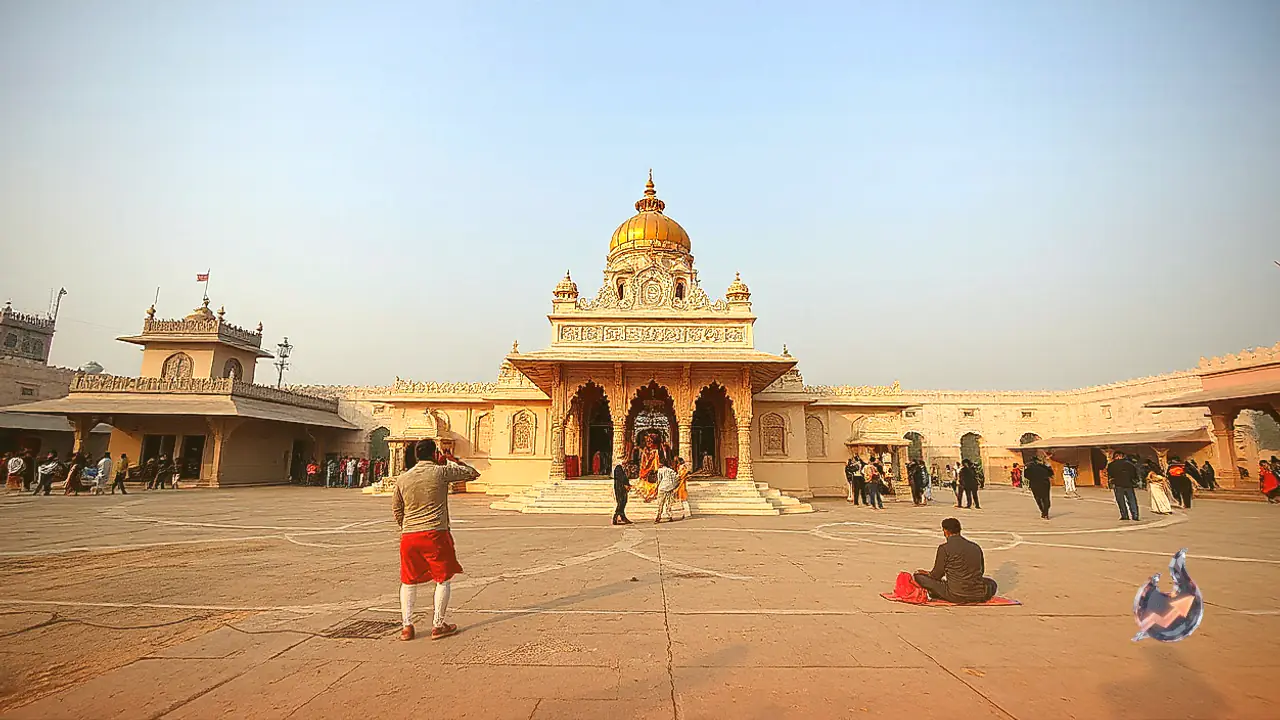
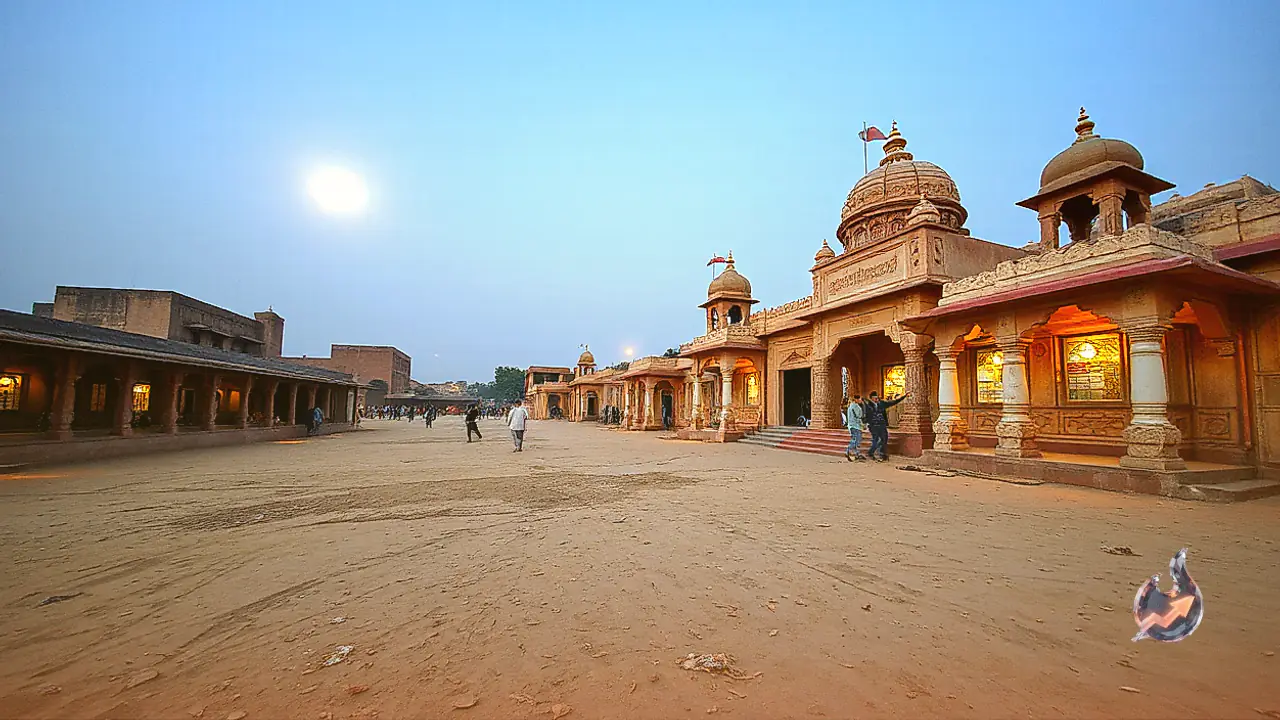



















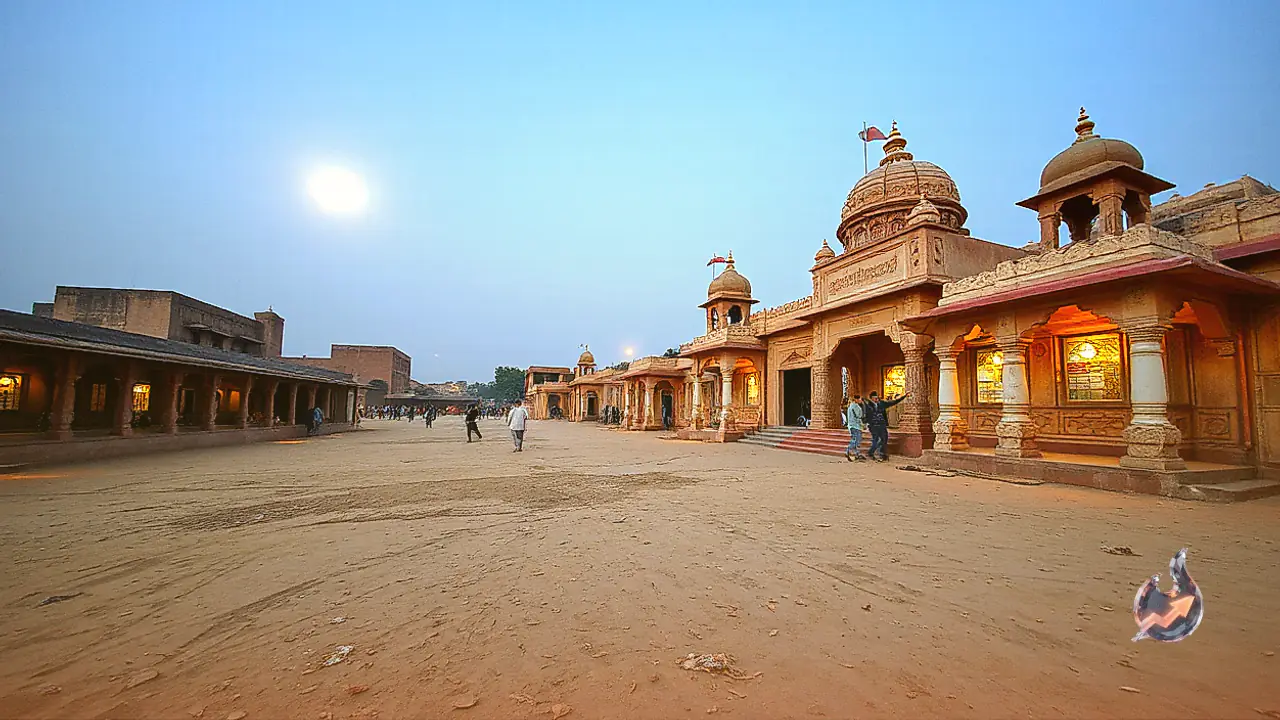

Sharad Purnima is celebrated with great enthusiasm every year on the full moon date of the Ashwin month. In Hindu culture, this Purnima holds immense spiritual and traditional significance. It is also widely known by other names suchv as Kojagari Purnima, Ras Purnima, Kaumudi Vrat, or Kumar Purnima. The arrival of Sharad Purnima marks the official transition into the autumn season, or Sharad Ritu, and initiates various worship practices and religious rituals.
According to ancient mythologies, Goddess Lakshmi emerged from the cosmic ocean during the Samudra Manthan on this very day and chose Lord Vishnu as her consort. Therefore, this auspicious date is also celebrated as the appearance day of Goddess Lakshmi. This year, Sharad Purnima will be observed on the night of October 25. The full moon tithi of the Ashwin month begins at 11:55 AM on October 25 and concludes at 9:41 AM the following day on October 26, making the night of October 25 the primary date for the celebration.
The Sixteen Phases of the Moon and Nectar Rains
According to religious beliefs, the moon shines with all its sixteen phases in full glory on the night of Sharad Purnima. It is traditionally believed that nectar rains down from the moon's rays on this particular night. Milk and rice, the main ingredients of kheer, represent the moon. Leaving the kheer out under the open sky allows the divine energy and rays of the moon to infuse directly into it, which is why it is consumed as prasad the next morning.
Lord Krishna's Maharas and Darshan at Banke Bihari Temple
Mythological accounts link this night to another major spiritual milestone. It is said that Lord Krishna performed the Maharas with the Gopis in Vrindavan on this sacred night, symbolizing divine love and devotion. Because of this, the occasion is also called Ras Purnima. On this auspicious day, Thakurji gives darshan in the Maharas posture holding a flute at the famous Banke Bihari Temple in Vrindavan. This rare form of the deity can be witnessed by devotees only once a year on Sharad Purnima.
Goddess Lakshmi's Earthly Stroll and Kojagari Vrat
Another prominent belief dictates that Goddess Lakshmi roams the earth on the night of Sharad Purnima, asking 'Ko Jagarti', which means 'who is awake'. Those who stay awake through the night and worship Goddess Lakshmi receive her special blessings. Because of the practice of staying awake, this fast is also known as the Kojagari Vrat.
Key Traditions and Rituals of Sharad Purnima
Several traditional customs are observed during Sharad Purnima. Kheer made from cow's milk and rice is placed under the open moonlit sky at night so that the lunar rays nourish it. Additionally, devotees worship a golden idol of Goddess Lakshmi on this day. Ghee lamps are lit, and continuous mantra chanting is carried out throughout the night. Worshippers chant hymns dedicated to Goddess Lakshmi and Lord Krishna. Donating white clothes, rice, sugar, silver utensils, and food on this occasion is considered extremely auspicious.
The Scientific and Ayurvedic Rationale Behind Kheer
Beyond religious customs, there is a clear scientific and Ayurvedic backing to this tradition. During Sharad Ritu, Pitta dosha tends to increase in the human body. Kheer possesses a cooling nature, and when kept overnight in silver vessels under the moonlight, it transforms into a health tonic. This process aids digestion and significantly improves overall immunity and vitality.