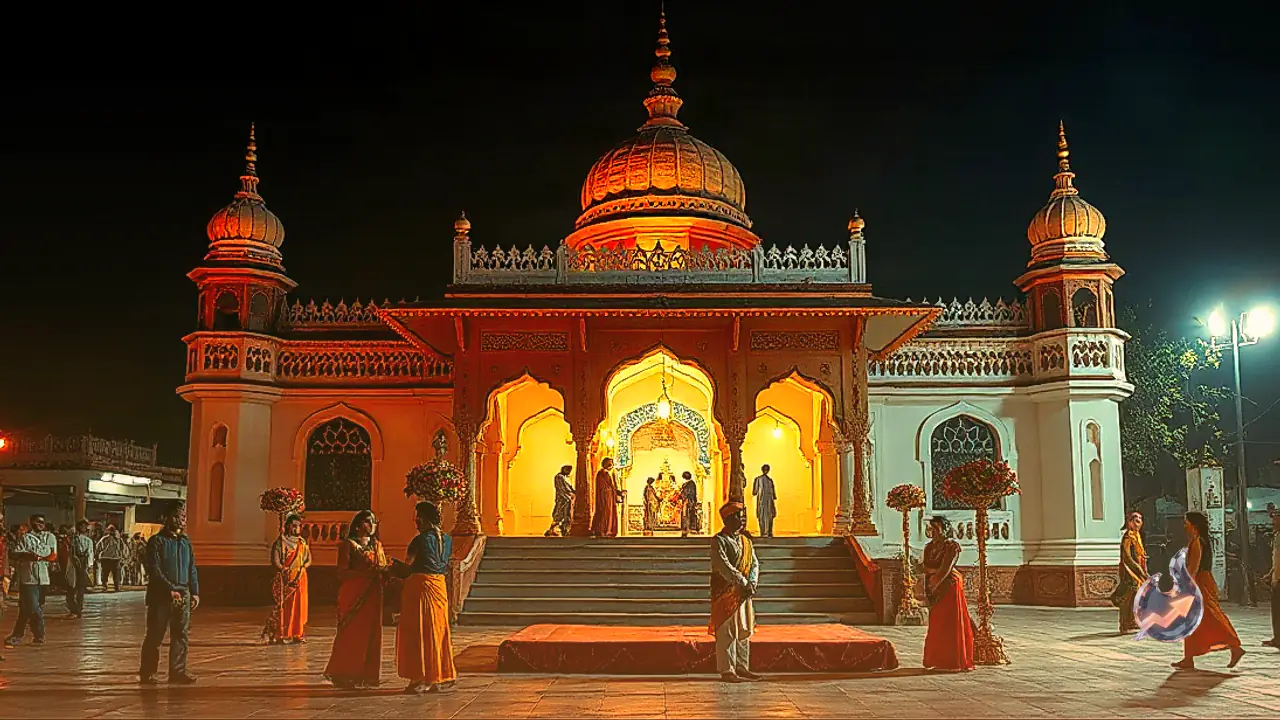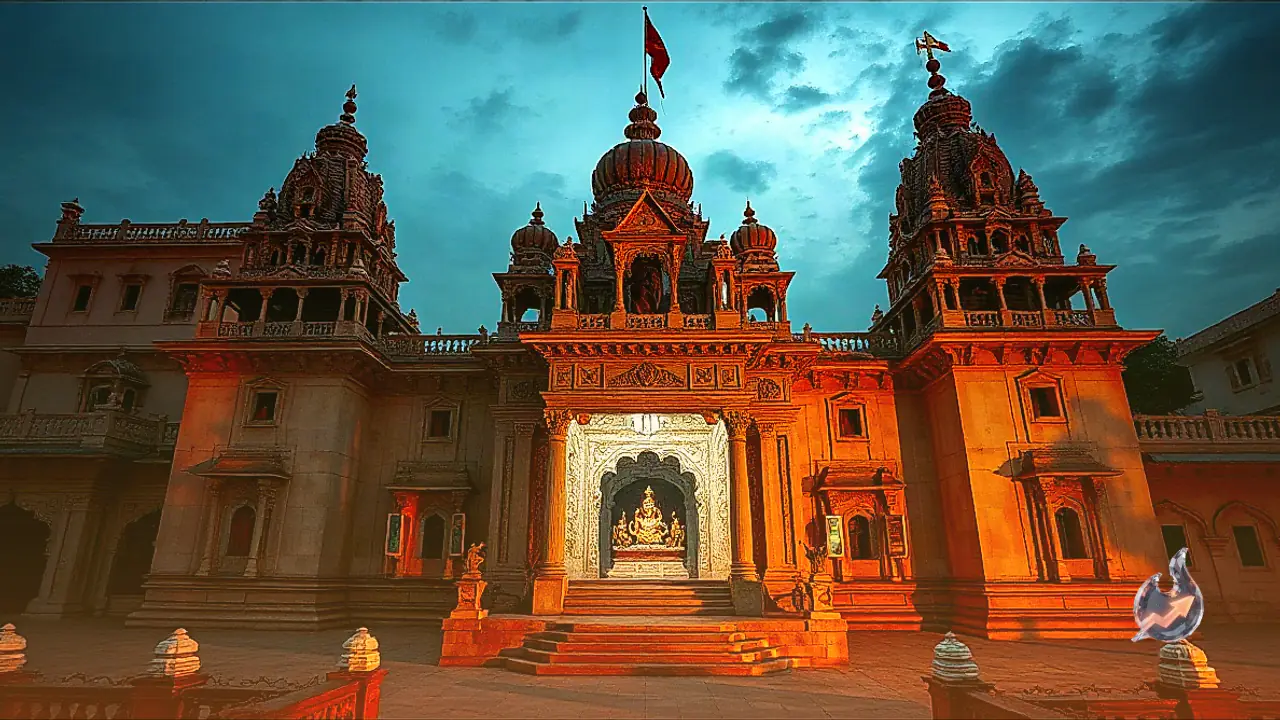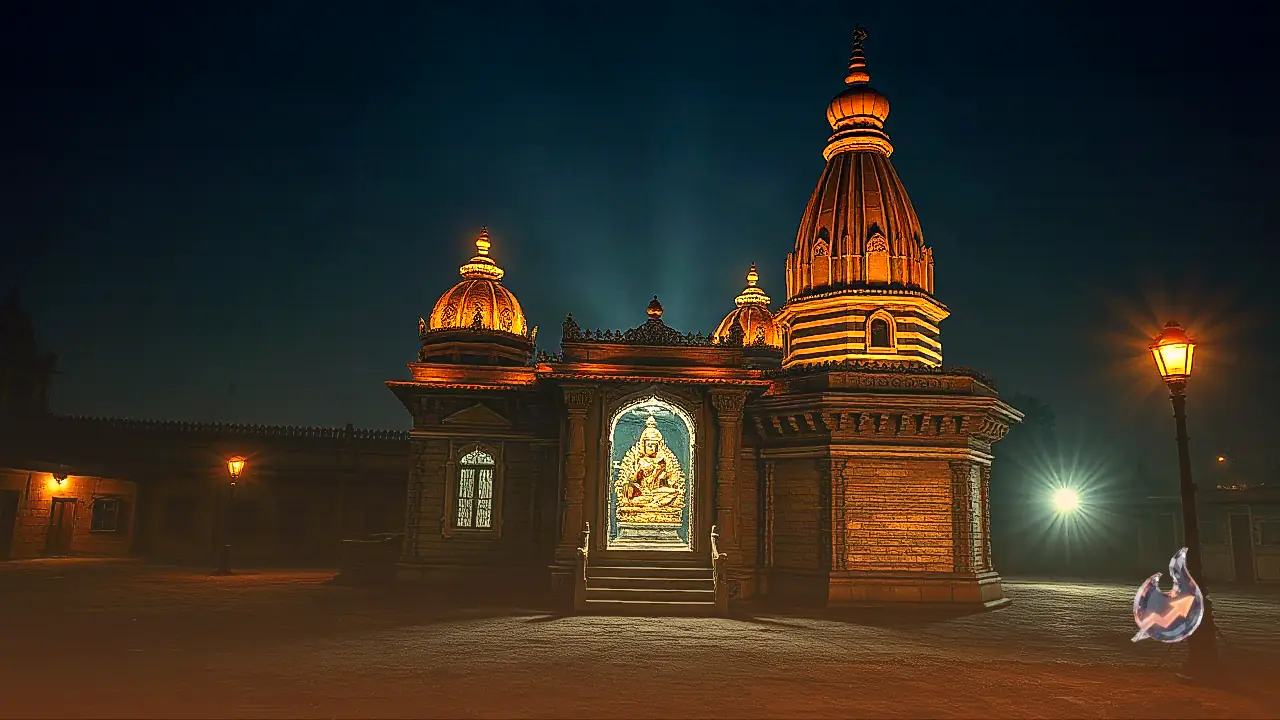

















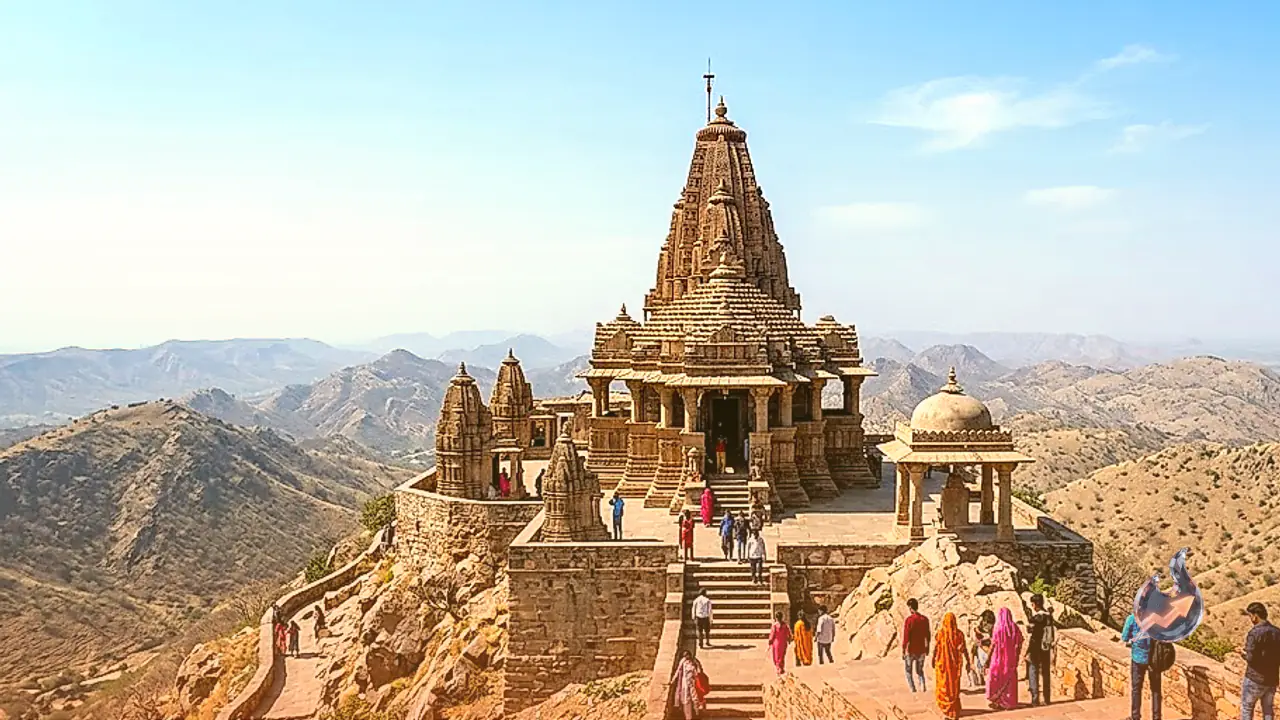

Situated on the high crests of the Aravalli mountain range at an elevation of approximately 3,100 feet above sea level, the Harshnath Temple in the Sikar district of Rajasthan stands as a premier destination for both spiritual pilgrims and heritage enthusiasts. This sacred site serves as a vital symbol of the thousand-year-old architectural and cultural legacy of the Shekhawati region. Surrounded by cool breezes and lush valley views, the mountain complex doubles as a popular hill station, offering a serene escape alongside its deep historical roots.
Historical Foundation and Chauhan Era Architecture
The construction of this historic temple on Harsh Mountain was initiated by the Chauhan ruler Vigraharaja in 973 AD, roughly 1,053 years ago. It took 12 full years of dedicated craftsmanship to complete the structure. The temple was formally consecrated on the auspicious day of Guru Purnima during the Ashadha Shukla Paksha. To commemorate this event, an inscription in Devanagari script was engraved on a black stone slab. Today, historians regard this inscription as the foundational primary document establishing the history and origins of the site.
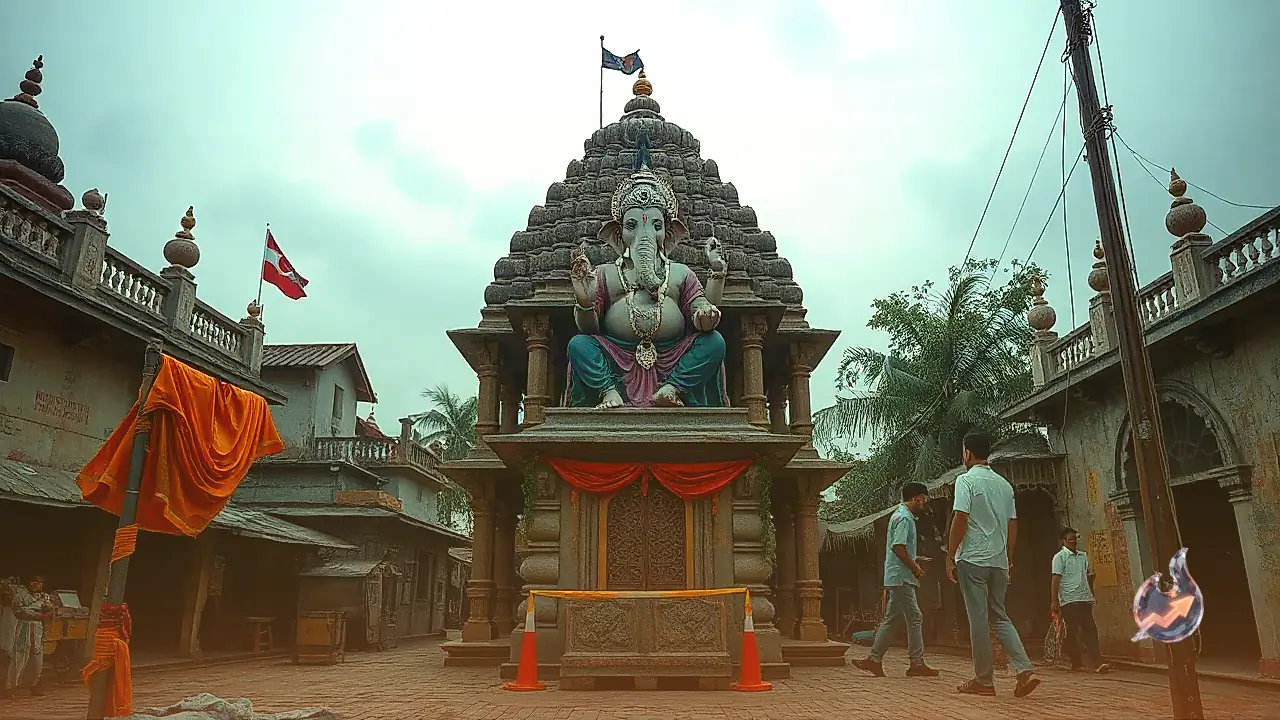
According to historians, the original Harshnath Temple was an extraordinary masterpiece of medieval stone craftsmanship. Its majestic presence was highlighted by a towering spire or shikhara, an expansive sanctum sanctorum or garbhagriha, intricately carved stone pillars, and detailed artistic reliefs carved directly into rock. Alongside the primary deity Lord Shiva, the temple housed fine stone sculptures of various deities, including Indra, Kuber, Vishnu, Lakshmi, Sheshnag, and Ganesh.
Mughal Demolition and Preservation of Artifacts in Sikar Museum
Through the turbulent phases of regional history, the complex faced severe destruction when the army of Mughal Emperor Aurangzeb demolished the grand temple. Nevertheless, the remaining architectural fragments continue to reflect the artistic magnificence of that golden era. Rare and valuable statues recovered from the ruined site were subsequently moved and safely preserved inside the Rajkumar Hardayal Singh Government Museum in Sikar.
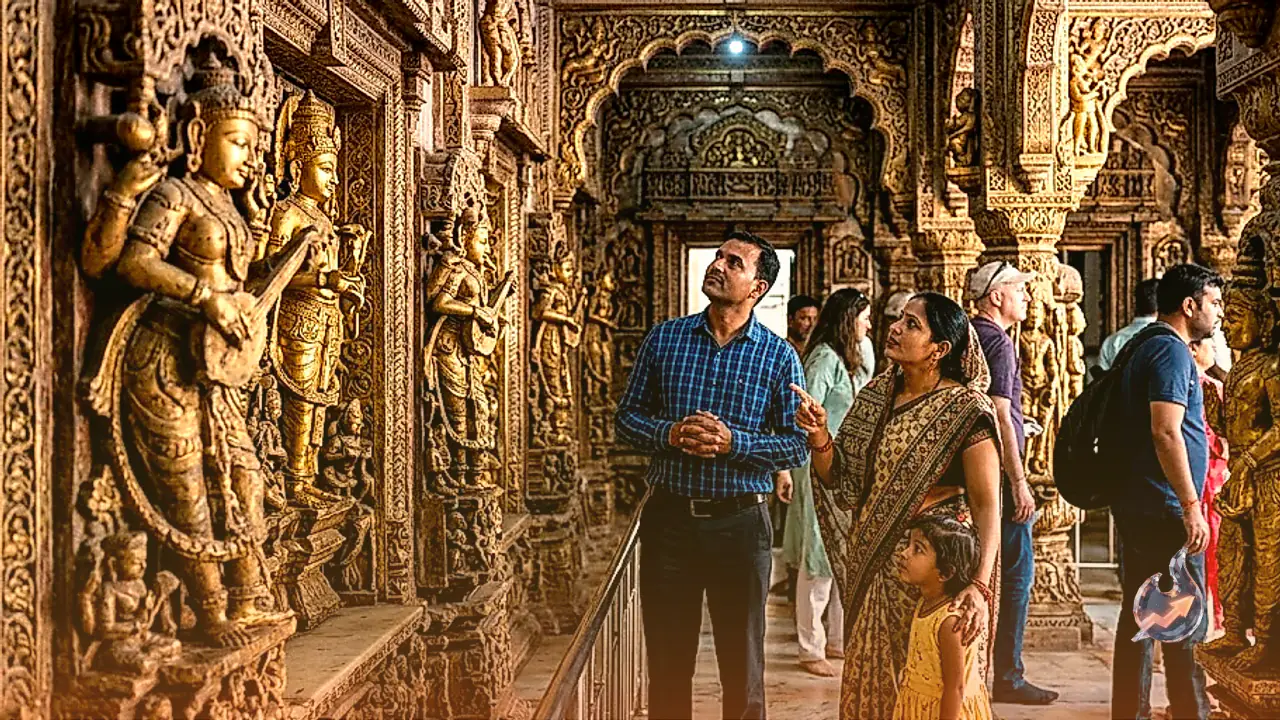
Tourists, historians, and art connoisseurs visit the museum to admire the fine detailing and intricate stone carvings of these ancient sculptures. The collection is particularly notable because it extends beyond Shaivite imagery. It encompasses a wide array of religious sculptures and artistic motifs representing the Vaishnava, Surya, and Shakta traditions, showcasing the diverse spiritual practices prevalent in historical Rajasthan.
Spiritual Tourism and Shekhawati Regional Destination
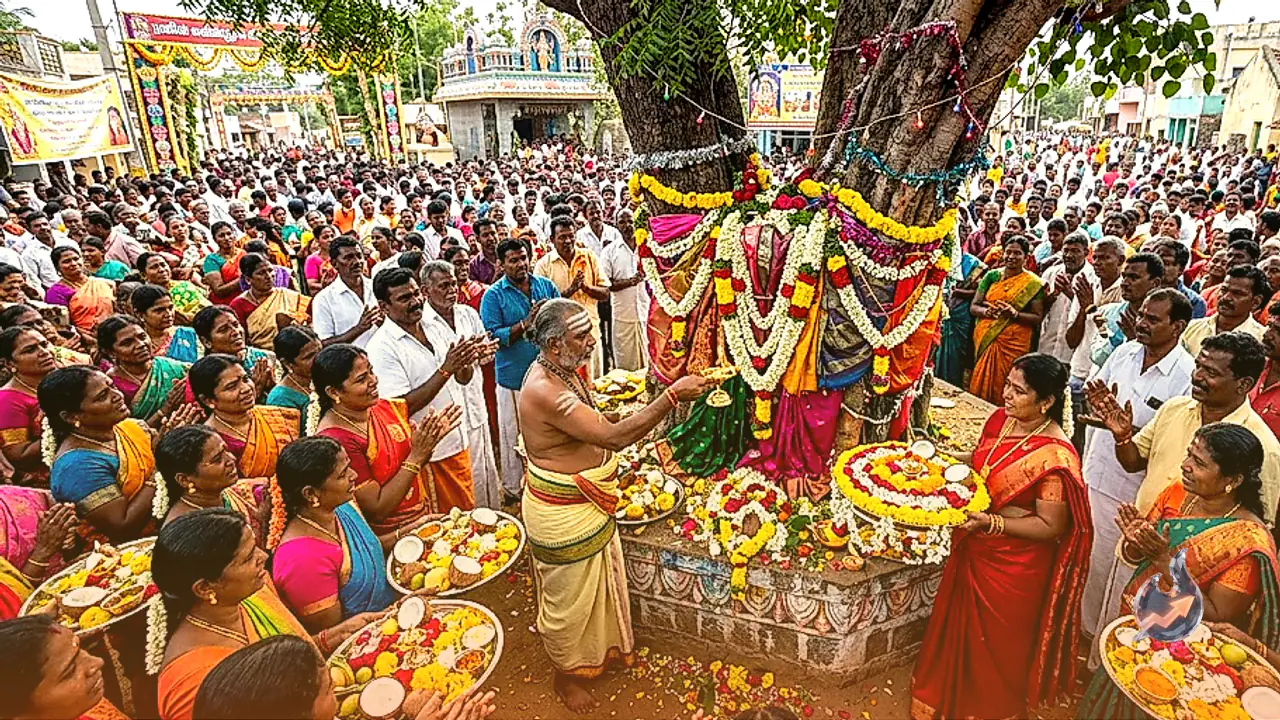
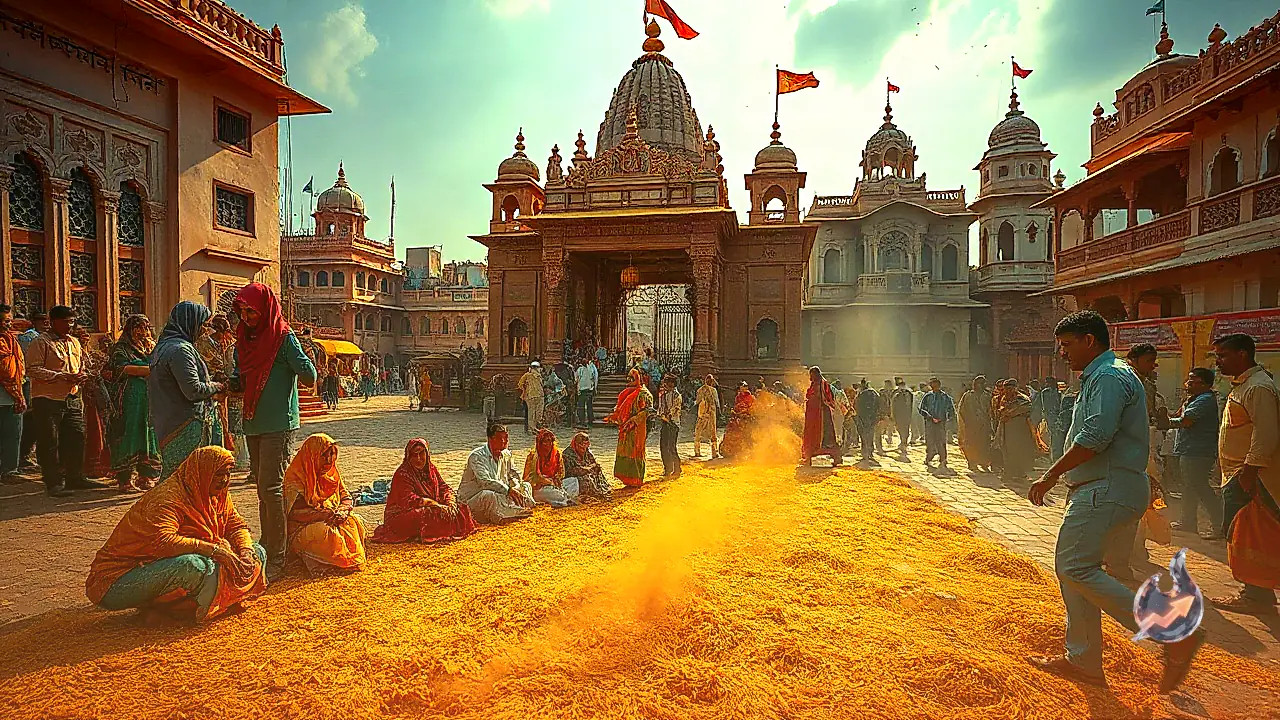
In modern times, Harsh Mountain has transformed into a major hub combining religious faith with regional tourism. Devotees visit the Harshnath Shiva Temple and the adjacent Bhairav Temple throughout the year. The mountain experiences its highest visitor turnout during key religious occasions, such as the holy month of Sawan, Mahashivratri, and Guru Purnima, when special rituals and traditional gatherings are held.
With its scenic mountain views, refreshing climate, and rolling Aravalli landscape, Harsh Mountain is widely recognized as the primary hill station of Shekhawati. Over 200,000 tourists and pilgrims travel to this historical height annually to experience its unique blend of nature and devotion.