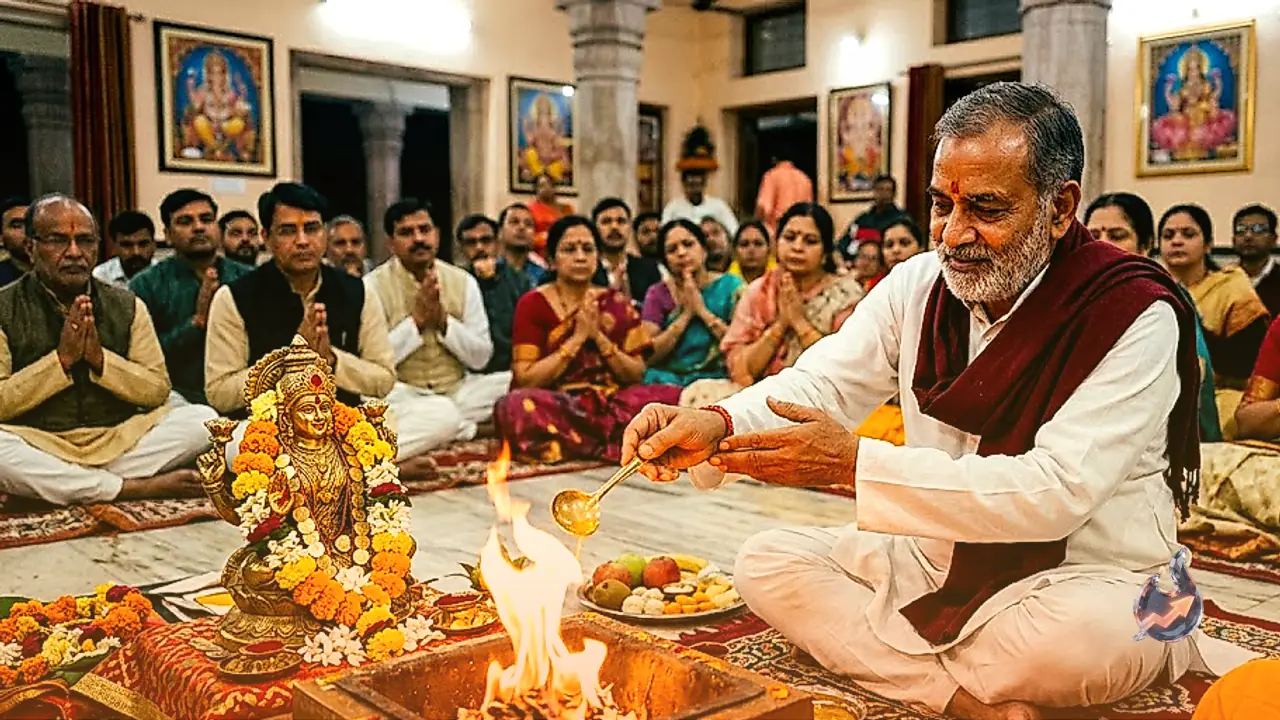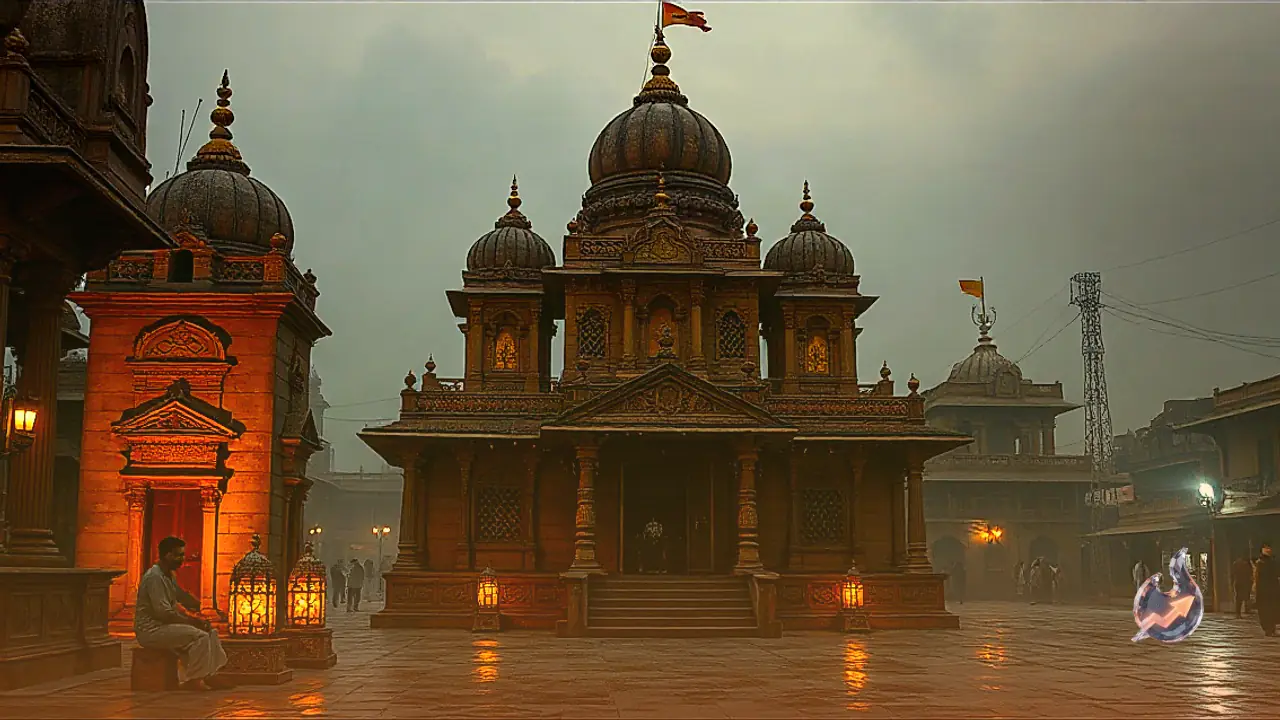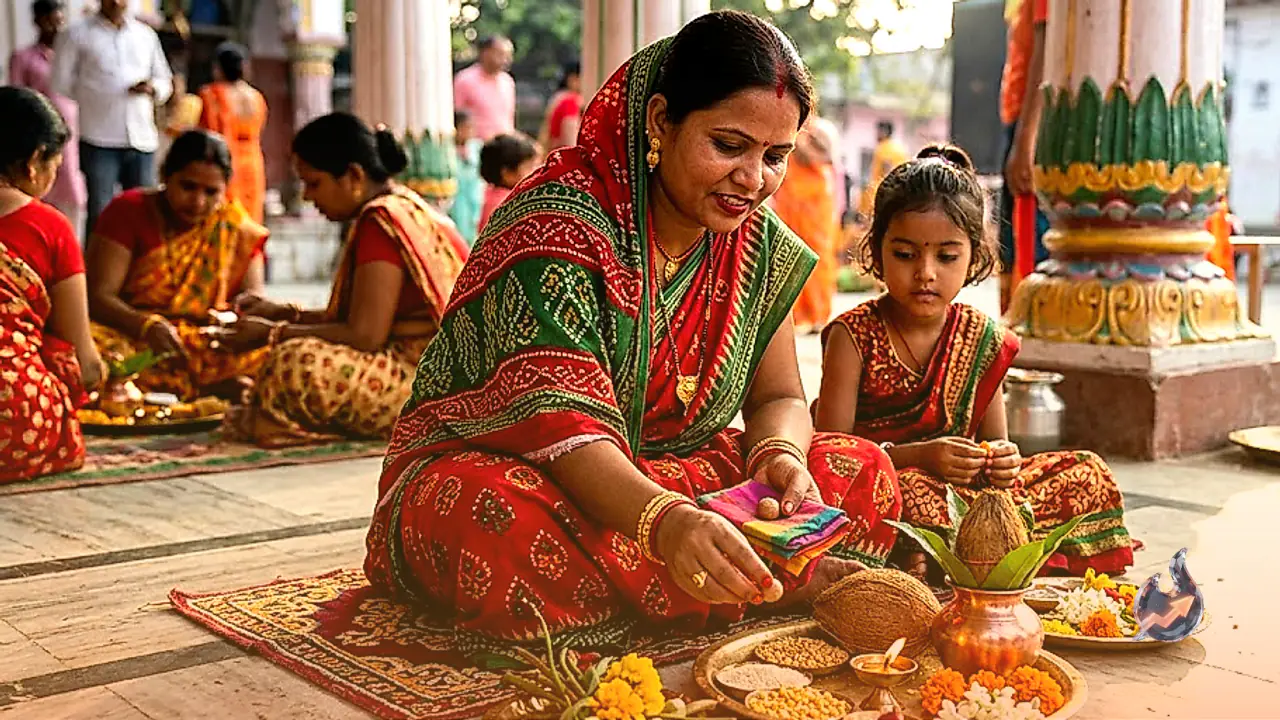



















Among the diverse cultural and spiritual observances across Bihar, the festival of Jitiya stands out as one of the most demanding fasts undertaken by women. Centered around Madhubani and the wider Mithilanchal region, this two-day observance carries profound spiritual weight. Women undertake this rigorous ritual to pray for the longevity, well-being, and happiness of their children, as well as the long life of their husbands. Traditionally, women commence this vow after being blessed with a son. In 2026, the calendar marks Khajitiya, an auspicious alignment that occurs when the fast falls on a Saturday or Tuesday, enabling any eligible woman to initiate this lifetime observance for the first time.
Distinct Dietary Traditions Before the Fast
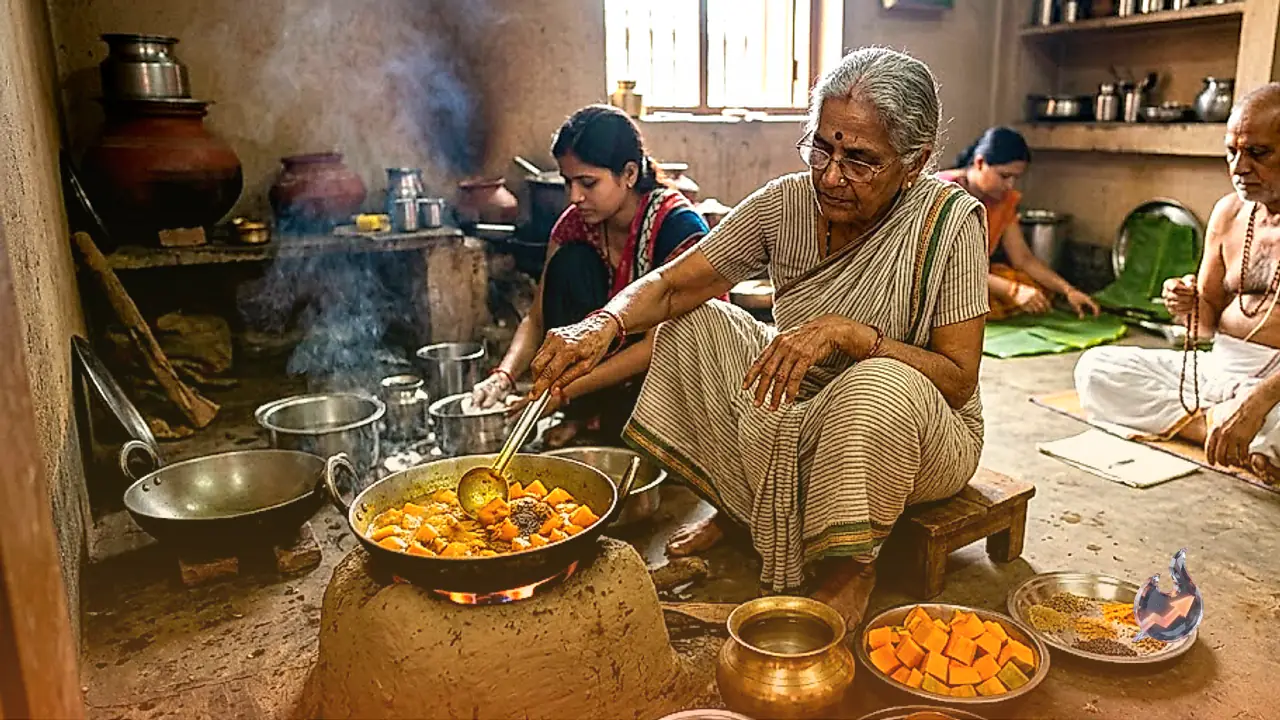
While religious practices across Mithilanchal generally place extreme emphasis on conventional ritual purity, the preliminary customs of Jitiya diverge entirely from standard temple rituals. Before stepping into the fast, women consume flatbread prepared from marua flour, a grain traditionally viewed as impure during regular religious ceremonies. Along with marua roti, the meal features nooni saag, a wild leafy green, and fish preparations, marking the official opening of the festival. For individuals and households that abstain from non-vegetarian food, the custom is modified to include only marua flatbread, nooni greens, and curd with beaten rice (dahi-chura).
Inviting Married Women and Honoring Ancestors
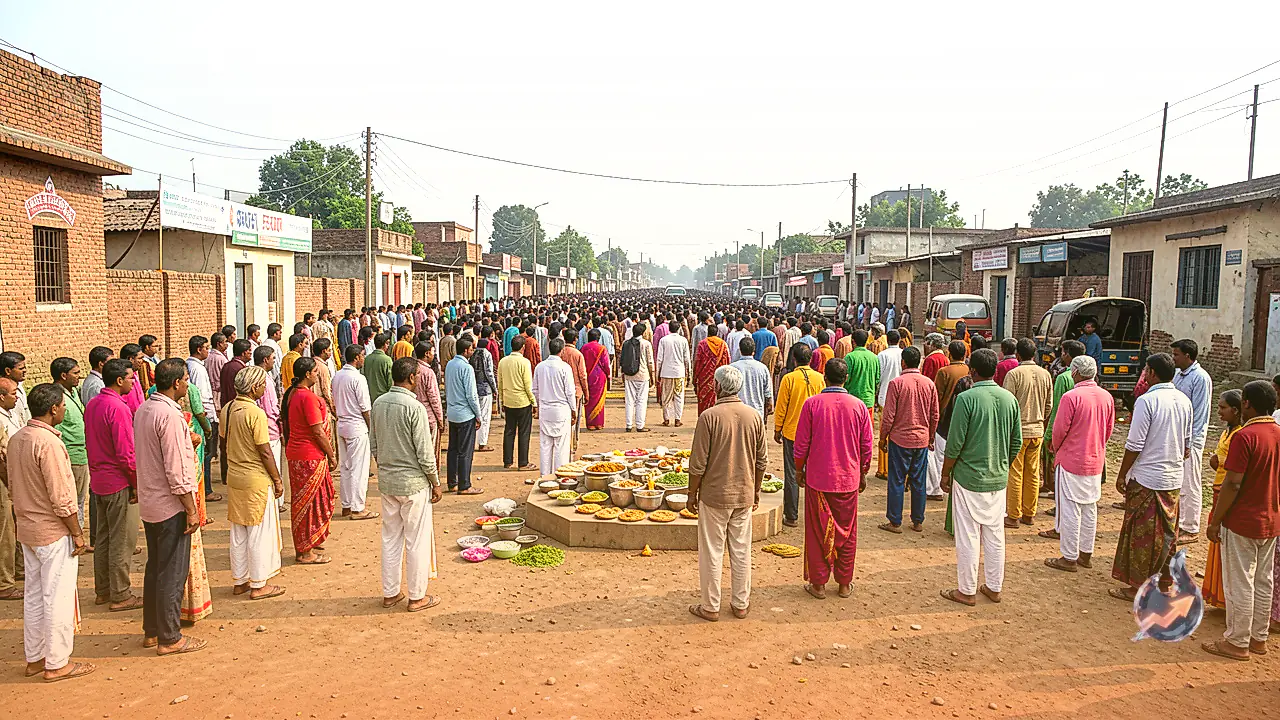
Detailing the local customs, Sudha Devi explains that while social feasts typically involve invitations to men, Jitiya reverses this norm by extending formal dining invitations exclusively to married women on the day prior to the fast. Host families serve a meal featuring fish, rice, vegetables, and curd. This feast is dedicated to female ancestors who have passed away, preparing the ground for the prayers held the following day. During these ancestral rites, offerings of oil, khar grass, and betel nuts are made. Following the ritual, these sacred offerings are ceremonially applied to the children as a protective blessing.
The Waterless Penance and the Othgan Morning Ritual
The core of Jitiya is an uncompromising waterless fast, where mothers refrain from drinking even a single drop of water across the demanding duration. Before entering this severe stage of fasting, households wake up at dawn on the preceding day to observe the traditional rite of Othgan. During Othgan, children of the house are fed curd and flattened rice. Once this pre-dawn custom is completed, the women maintain strict restraint throughout the two days, concluding the sacred cycle with customary prayers.