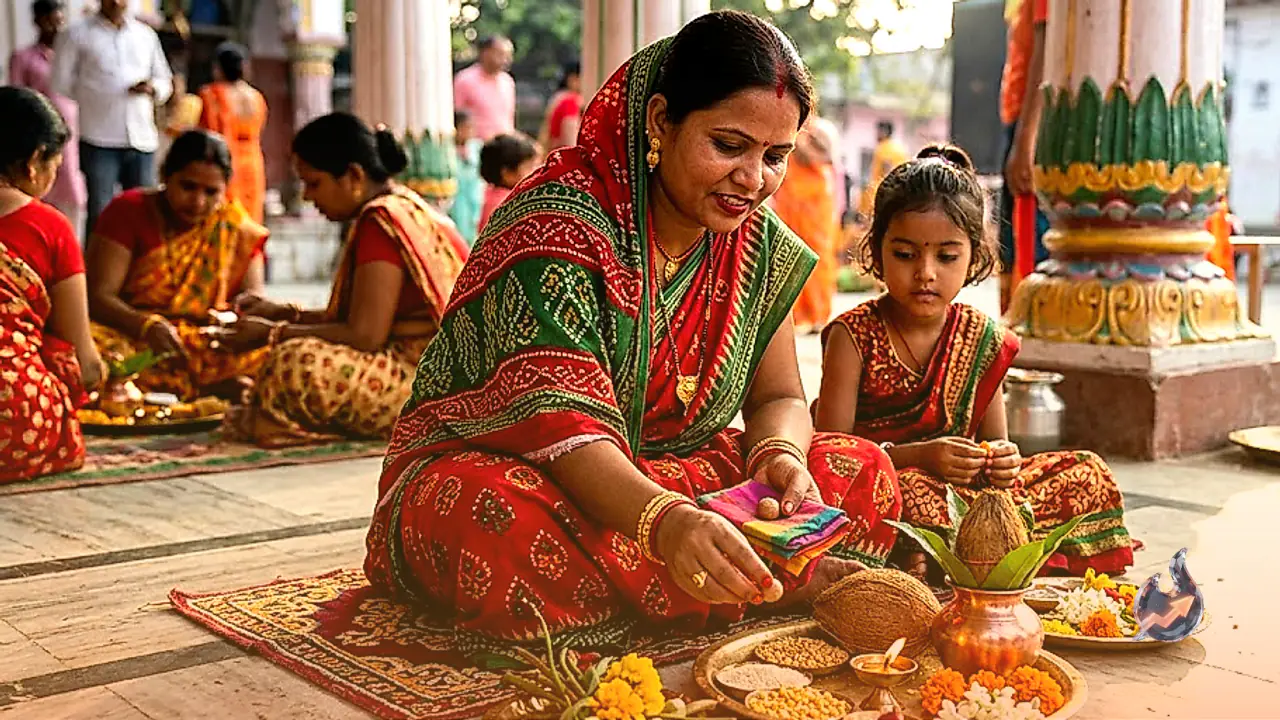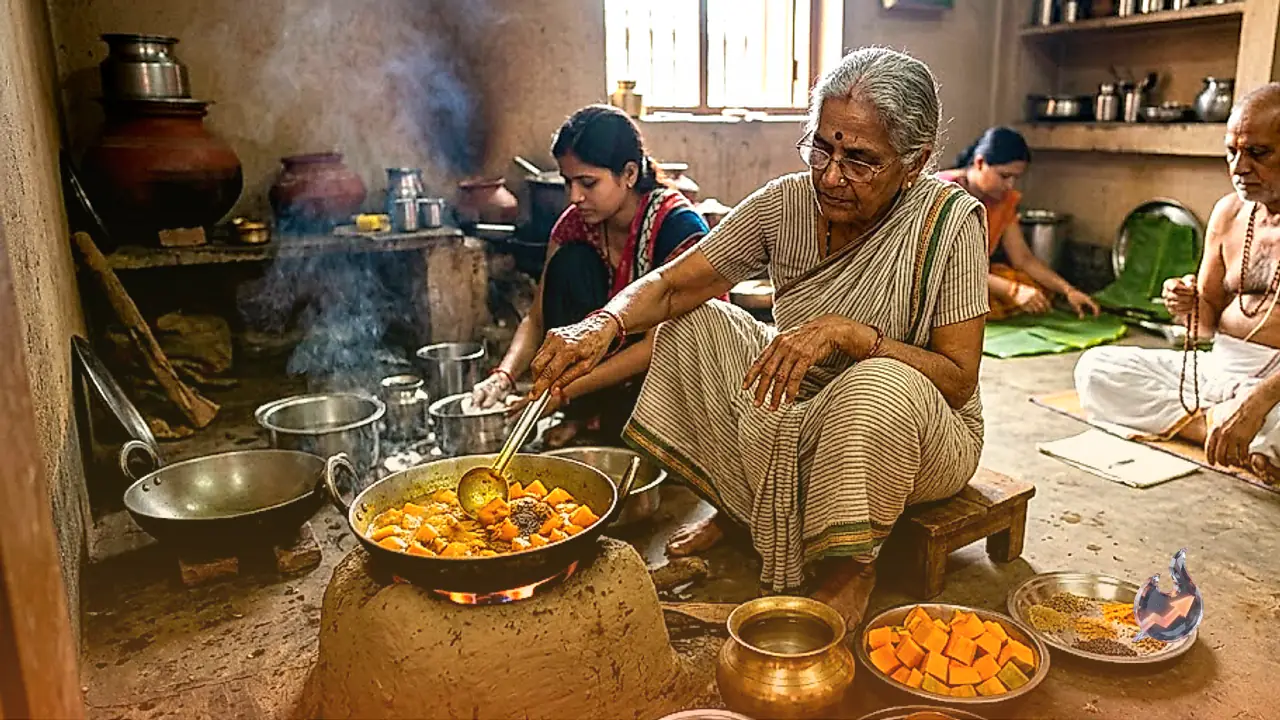























In Hindu religious traditions, the period of Pitru Paksha holds profound spiritual significance as a dedicated fortnight for paying homage to ancestors. Performing sacred rituals such as Tarpan, Shradh, and Pind Daan during this window is believed to grant spiritual liberation to departed souls while bestowing their divine blessings upon subsequent generations. Although several holy pilgrimage destinations across India host ancestral rites, Gaya Ji in Bihar stands out as the foremost sacred ground. According to traditional belief, offerings made at Gaya Ji possess the extraordinary power to liberate 108 lineages across seven generations. Understanding the travel logistics, sacred altars, procedural etiquette, and expenses is essential for anyone preparing for this sacred journey.
The Pitru Paksha Mela 2026 and Sacred Altars
Every year during Pitru Paksha, Gaya Ji hosts the famous Pitru Paksha Fair, attracting hundreds of thousands of pilgrims from across India and around the globe. For the year 2026, the fair commenced on September 25 and will run until October 10. The concluding day, October 10, marks Sarvapitru Amavasya, which is regarded as the ultimate day for performing rites for all ancestors whose exact lunar dates of death remain unknown to their surviving descendants.
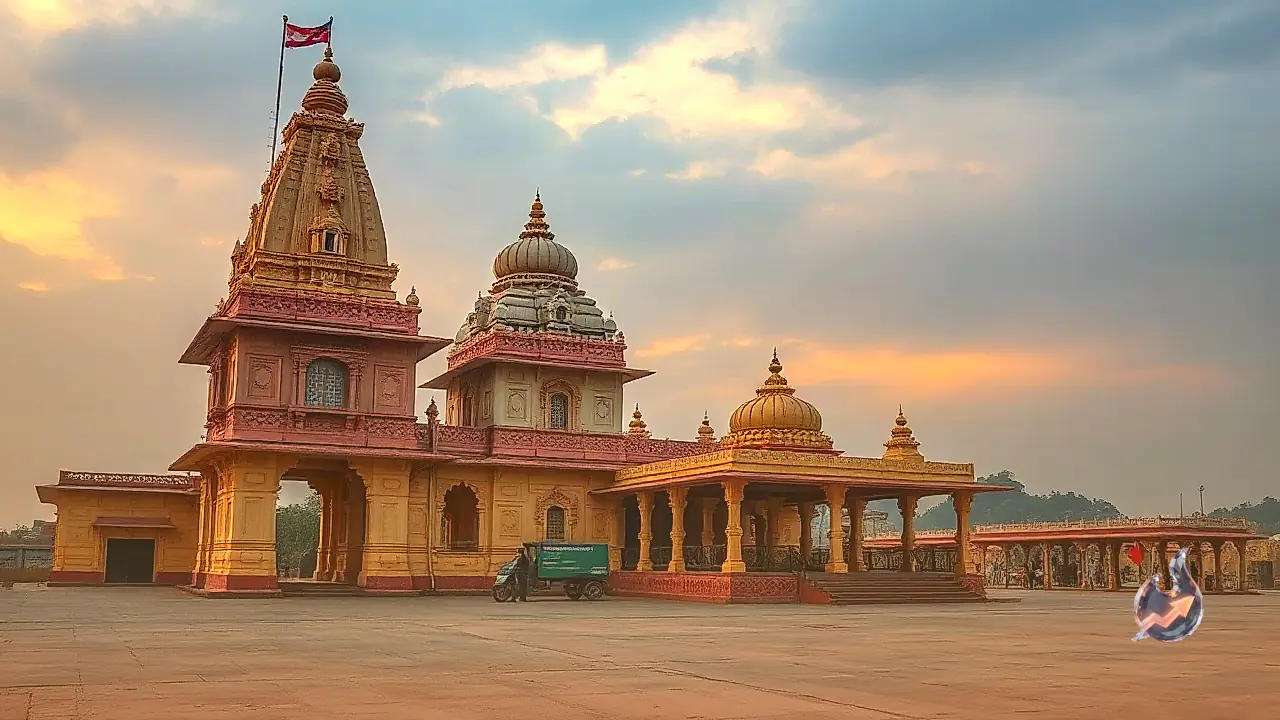
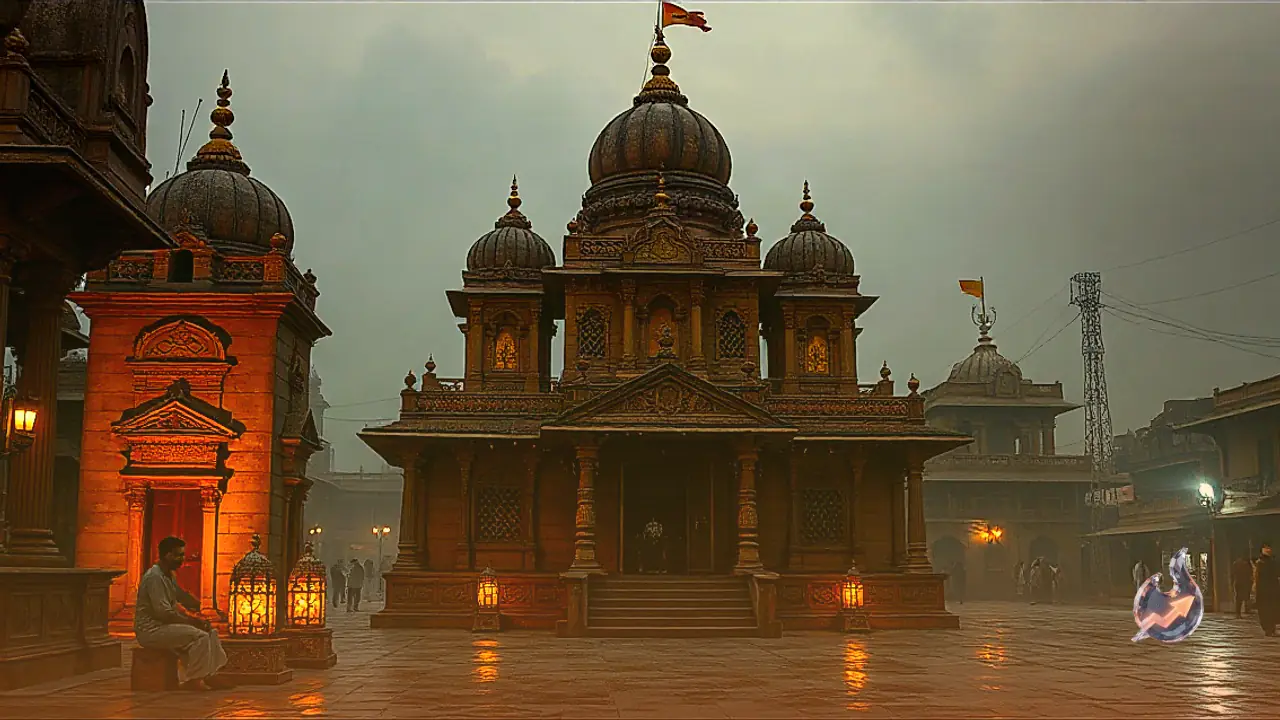
The sacred zone of Gaya houses 48 primary altars or vedis dedicated to ancestral offerings. While each spot possesses unique religious merit, five specific sites are regarded as the most prominent: the sacred Vishnupad Temple, Gaya Shiromani Temple, the banks of the Falgu River, Pancha Tirtha, and Sita Kund. Pilgrims congregate at these revered altars to prepare traditional offerings made from rice, barley, and sesame seeds, invoking peace for their departed lineage.
Spiritual Legacy and Historical Significance of Gaya Ji
Resting along the banks of the Falgu River in the ancient Magadha region of Bihar, Gaya Ji is among the oldest pilgrimage hubs in the subcontinent. It is also historically celebrated as the sacred soil where Lord Gautama Buddha attained supreme enlightenment beneath the holy Bodhi tree. Revered classical scriptures, including the Vishnu Purana and Vayu Purana, explicitly describe Gaya as the land of absolute salvation, or Moksha. Tradition maintains that Lord Vishnu himself resides continuously here in the manifestation of the ancestral deity, Pitru Devata.
Ancient narratives state that Lord Brahma initiated the sacred tradition by performing ancestral offerings for his forebears right on the banks of the Falgu River. During the Treta Yuga, Lord Rama traveled to this exact destination to perform the sacred Pind Daan rituals for his father, King Dasharatha. Historical accounts note that there were originally 360 sacred altars across the landscape, though only 48 active altars remain accessible for ancestral rites today.
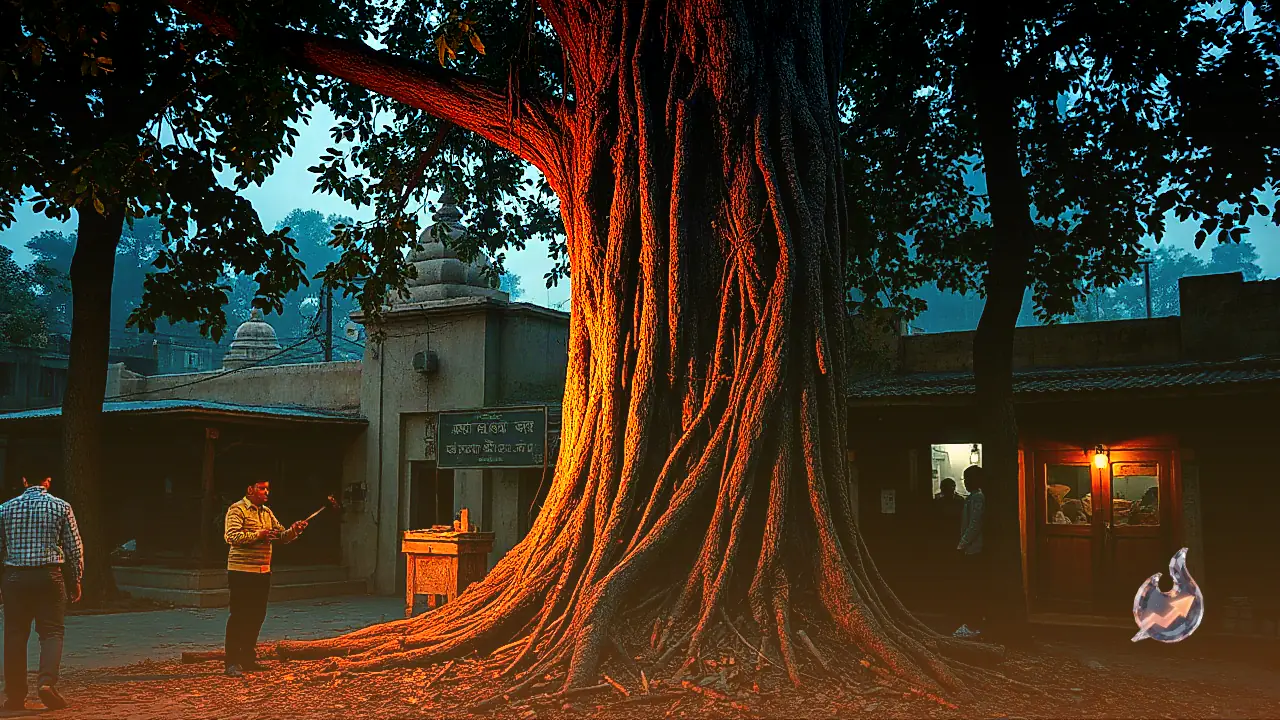
Another revered sanctuary within this holy boundary is the Akshayavat, an immortal banyan tree under which devotees traditionally present charitable gifts. Offerings and charity conducted under the shade of Akshayavat are considered imperishable, ensuring that the spiritual merit accrued from such virtuous deeds remains eternally fruitful and returns manifold to the family.
Estimated Travel Costs, Ritual Dakshina, and Planning
Given the massive influx of pilgrims during the festive fortnight, securing transportation and lodging well in advance is highly recommended. For pilgrims traveling from the national capital, Delhi, train fares typically start around 500 rupees for basic sleeper accommodations and can reach up to 3000 rupees depending on the selected premium tier. For those preferring air transit, flight tickets usually range between 3000 rupees and 10,000 rupees based on booking timelines.
Accommodation expenses within Gaya generally fluctuate between 3000 rupees and 7000 rupees per person, depending on individual convenience, hotel amenities, or guesthouse standards. When budgeting for the religious ceremonies, the combined cost of Pind Daan rituals, Shradh materials, and priestly honorariums generally falls between 2100 rupees and 5100 rupees, and can extend up to 11,000 rupees for comprehensive or multi-altar ceremonies.
Ritual expenditures can vary depending on individual requirements. Devotees are strongly advised to coordinate beforehand with the officiating priest to clearly settle the total breakdown of puja materials, ceremonial vows, and priestly fees, avoiding any misunderstandings during the rites. Wherever possible, families should seek out their lineage's authorized Gayawal Panda, who hold hereditary records tracking family ancestral genealogies over centuries.
Transportation Routes and How to Reach Gaya Ji
To reach Gaya Ji, travelers generally transit through Bihar's capital city, Patna, or other neighboring transport hubs. Multiple regional trains, public transport buses, and highway connections run continuously between Patna and Gaya. A routine road or rail journey from Patna to Gaya usually takes approximately 2 hours under standard traffic conditions.
Upon arriving at Gaya Junction railway station, visitors can easily hire motorized auto-rickshaws or local taxicabs to access various Pind Daan vedis, the Vishnupad Temple, or the ghats along the Falgu River. Travelers departing directly from Patna also have the alternative option of booking private rental cabs, shared taxis, or inter-city buses that travel straight to the sanctified zones of Gaya.