


















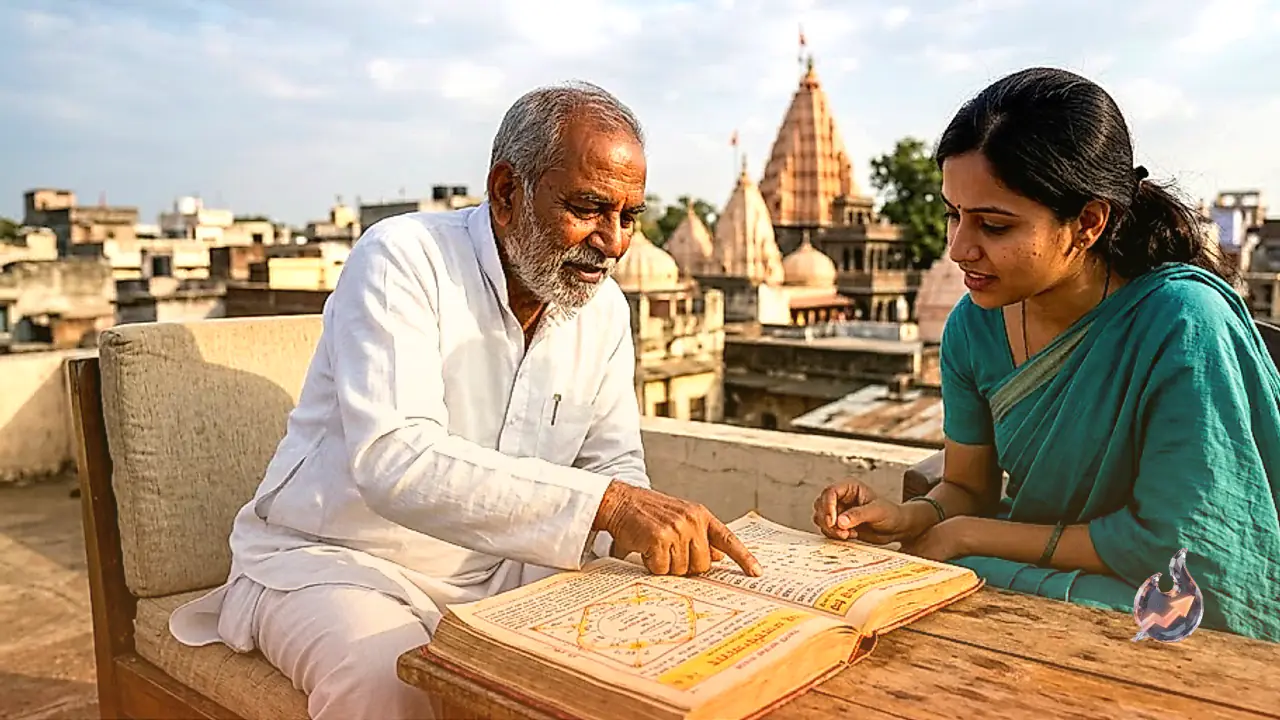

As the final month of December draws to a close and the year 2026 approaches, the arrival of a new year invariably brings excitement and joy. However, an interesting paradox persists in everyday life where even young children easily recall the months of the English calendar, while many adults struggle to name the twelve months of the traditional Indian calendar with confidence. To clear up this common confusion, Ujjain-based astrologer Anand Bhardwaj has detailed how the traditional Hindu new year begins and how its months are structured throughout the year.
The Astronomical Significance of Chaitra Pratipada
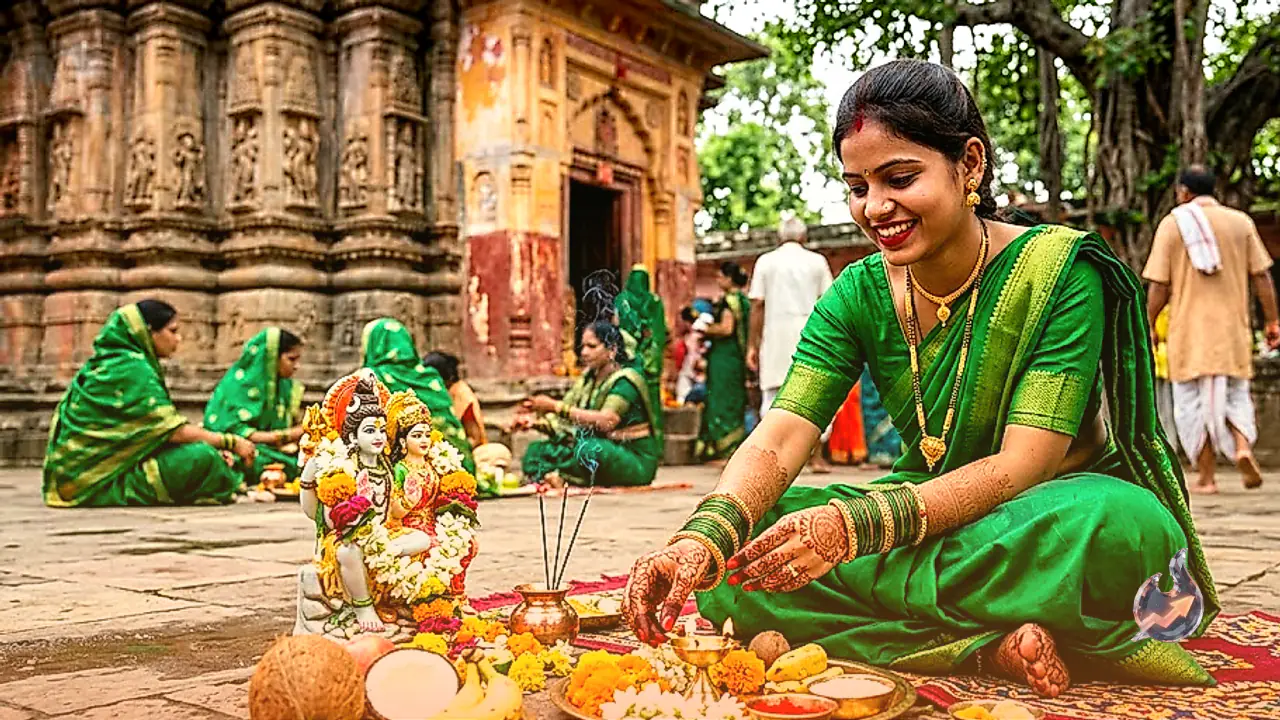
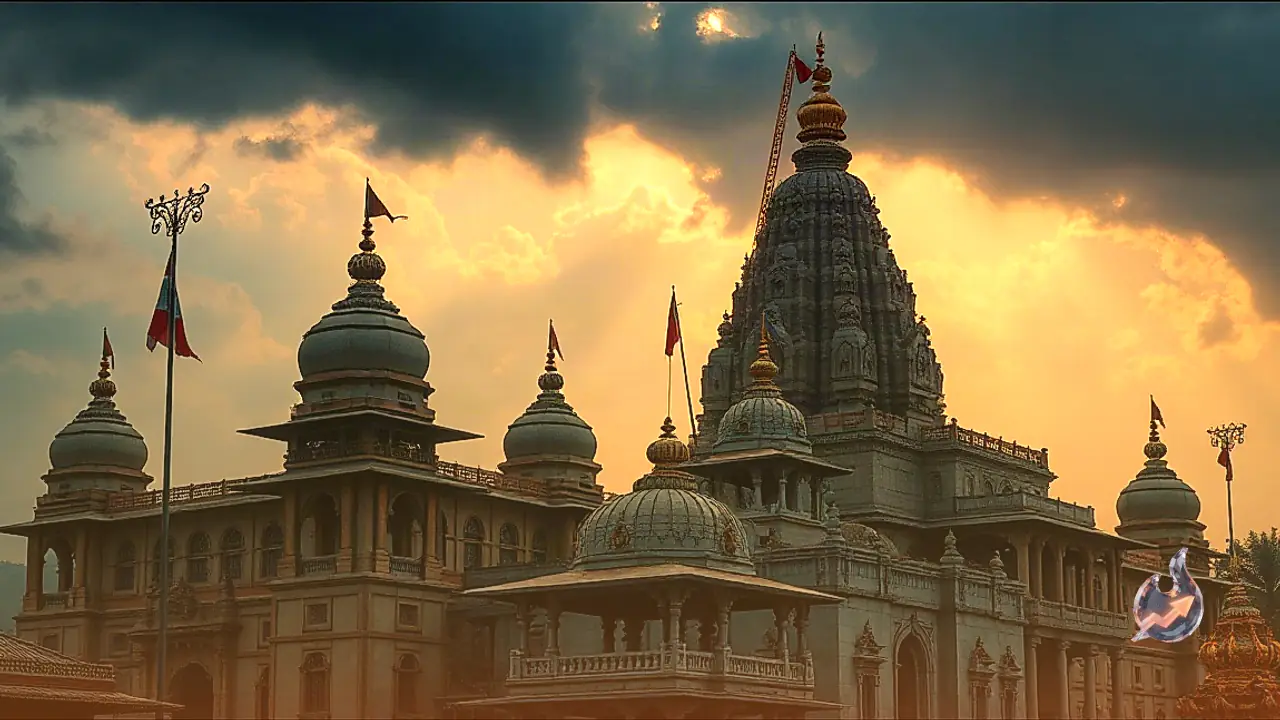
The traditional Hindu new year officially commences on the Pratipada date of the Chaitra month, making it the first and most vital month of the Indian calendar. Falling right after the conclusion of Phalgun, this marks a profound transition in time and nature. On this very day, various regions across the country celebrate major festivals like Gudi Padwa, Ugadi, and Nav Samvatsar, marking a fresh beginning filled with cultural significance.
The Twelve Months of the Traditional Calendar
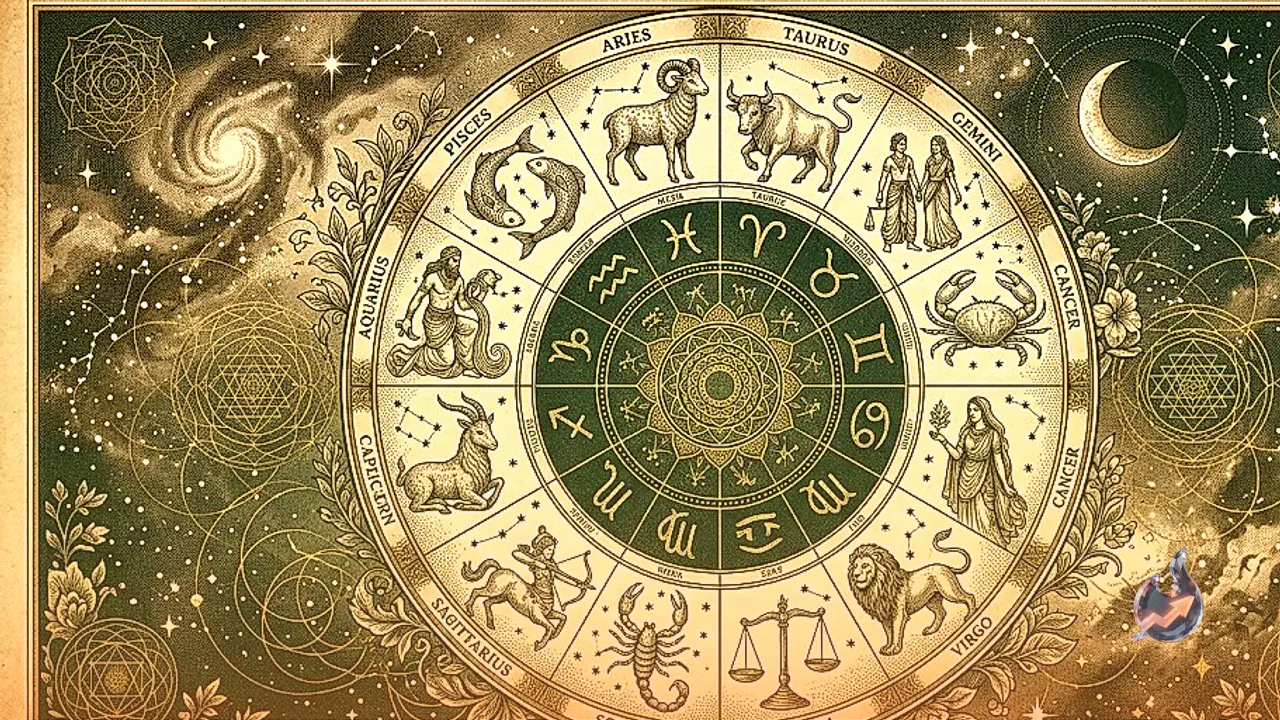
The cycle of the twelve traditional months maps closely across the dates of the Gregorian calendar. The year begins with Chaitra, running from mid-March to mid-April, and hosts the auspicious festival of Chaitra Navratri near its onset. This is followed by Vaishakh, the second month spanning from mid-April to mid-May, which holds immense importance for both agriculture and weather patterns. Jyestha is the third month, lasting from mid-May to mid-June, during which peak summer temperatures are experienced across the region.
Monsoon Arrival and the Sacred Month of Sawan
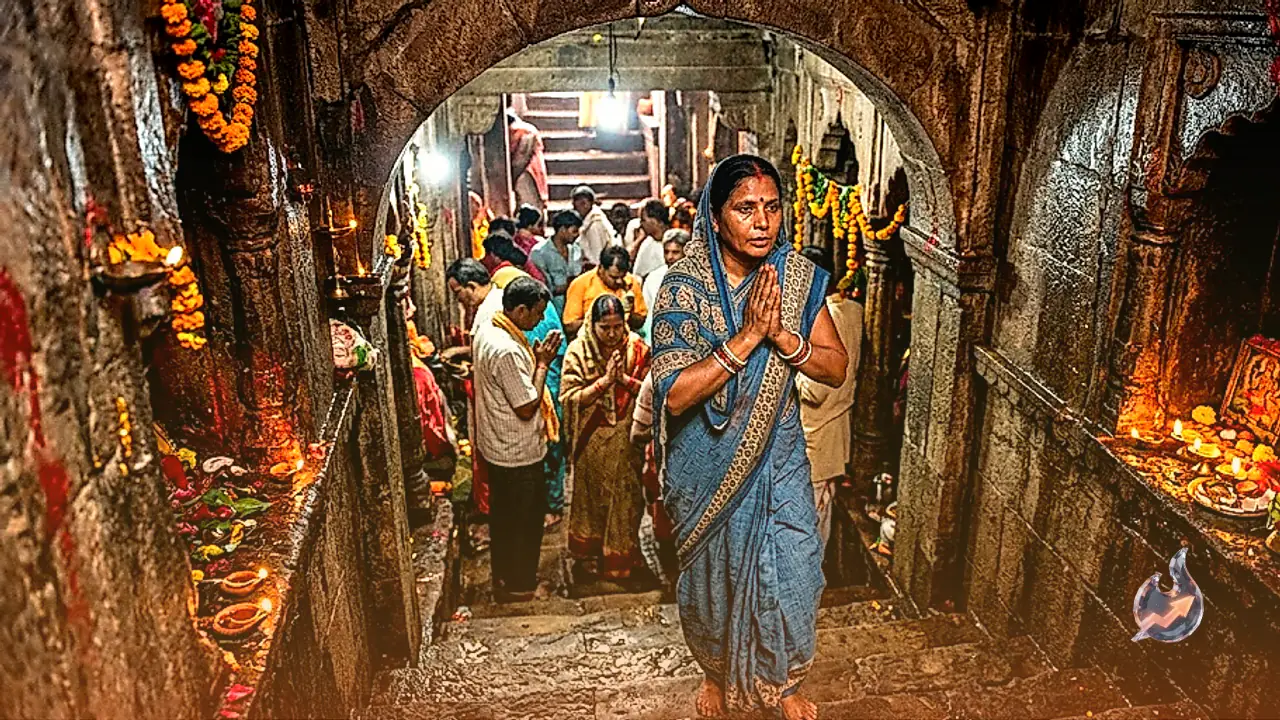
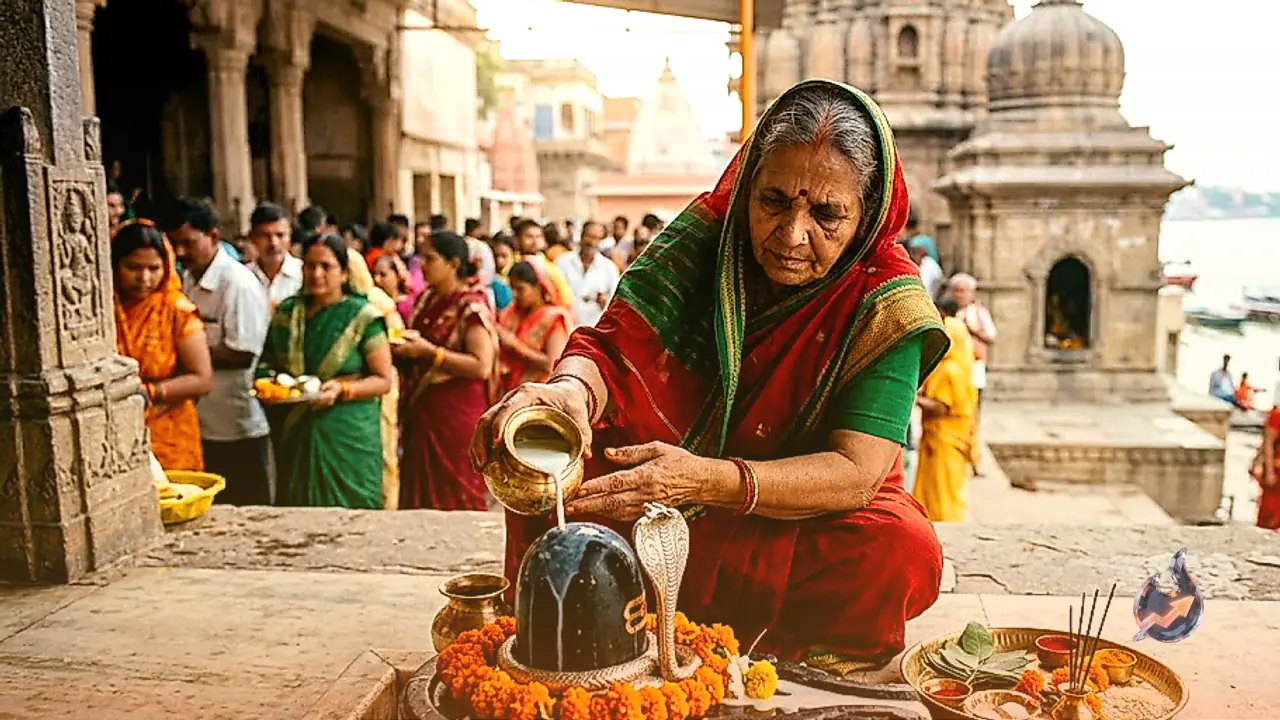
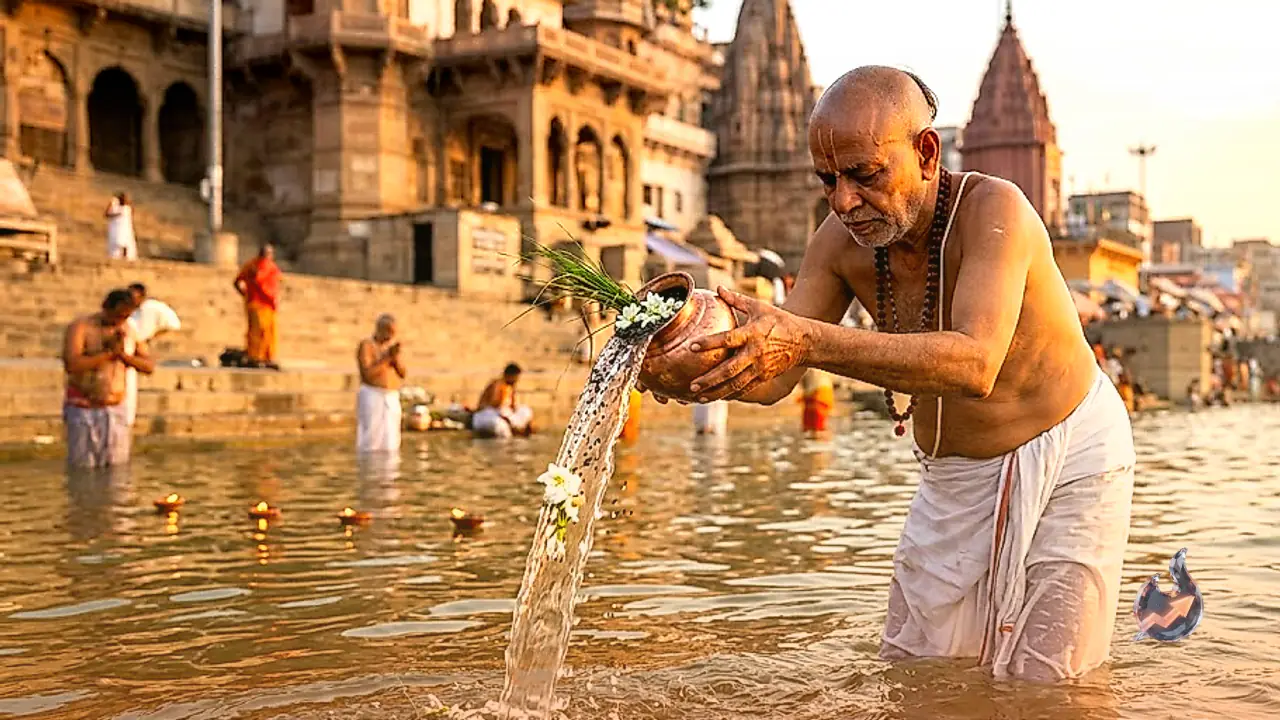
Following the intense heat, Ashadh arrives, running from mid-June to mid-July, bringing the first scents of the monsoon rains as showers touch the earth. This leads directly into Shravan, the fifth and most revered month of the Hindu calendar, lasting from mid-July to mid-August and dedicated entirely to the worship of Lord Shiva. Bhadrapada follows from mid-August to mid-September, a festive period marked by major celebrations such as Teej, Ganesh Chaturthi, and Anant Chaturdashi.
Autumn Festivals and the Transition Toward Winter
As the year progresses, Ashwin spans from mid-September to mid-October, bringing Sharad Navratri, Dussehra, and the onset of a gentle chill in the atmosphere. Kartik is considered one of the most sacred months, occurring from mid-October to mid-November, coinciding with the awakening of Lord Vishnu from Yog Nidra and the grand celebration of Diwali. Margashirsha runs from mid-November to mid-December, holding great religious significance and importance for the farming community.
The Culmination of Winter and the Festivity of Phalgun
The winter season peaks during Paush, which lasts from mid-December to mid-January, bringing intense cold waves. Magh follows from mid-January to mid-February, a period where ritual bathing and acts of charity hold special spiritual merit. Finally, Phalgun marks the last month of the Hindu year, running from mid-February to mid-March, culminating in the vibrant festival of colors known as Holi before the cycle resets with Chaitra once again.