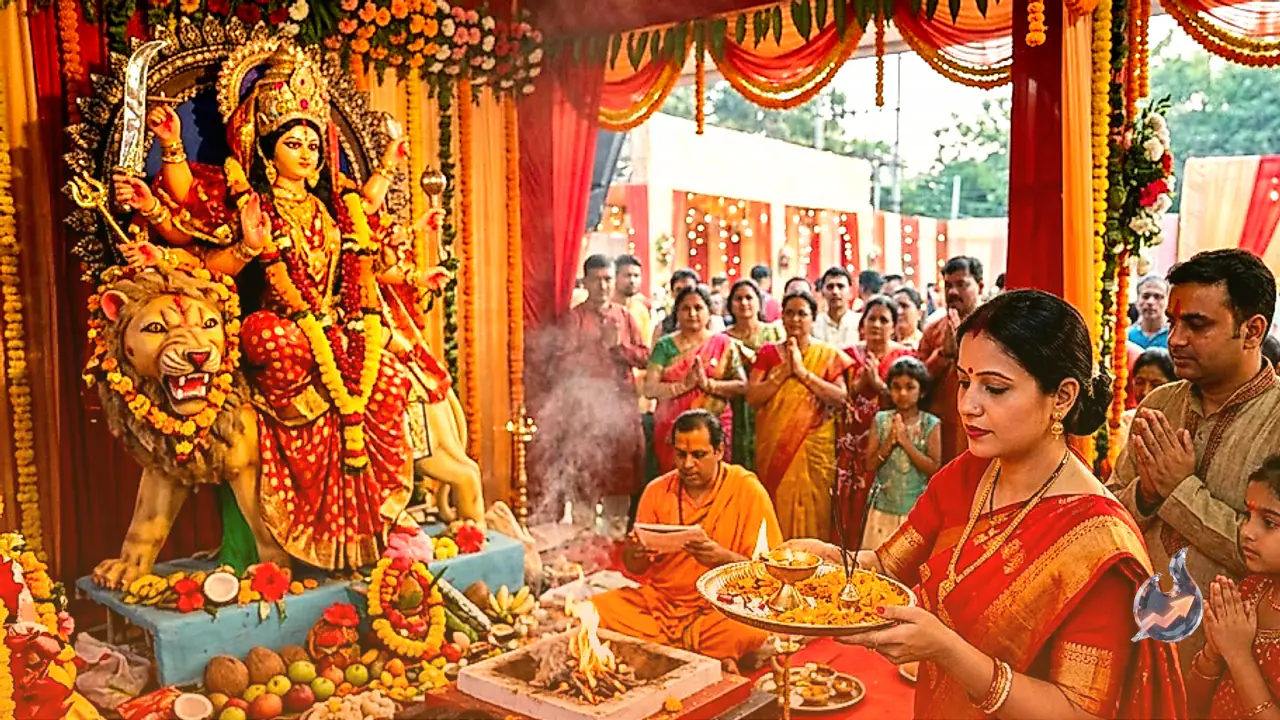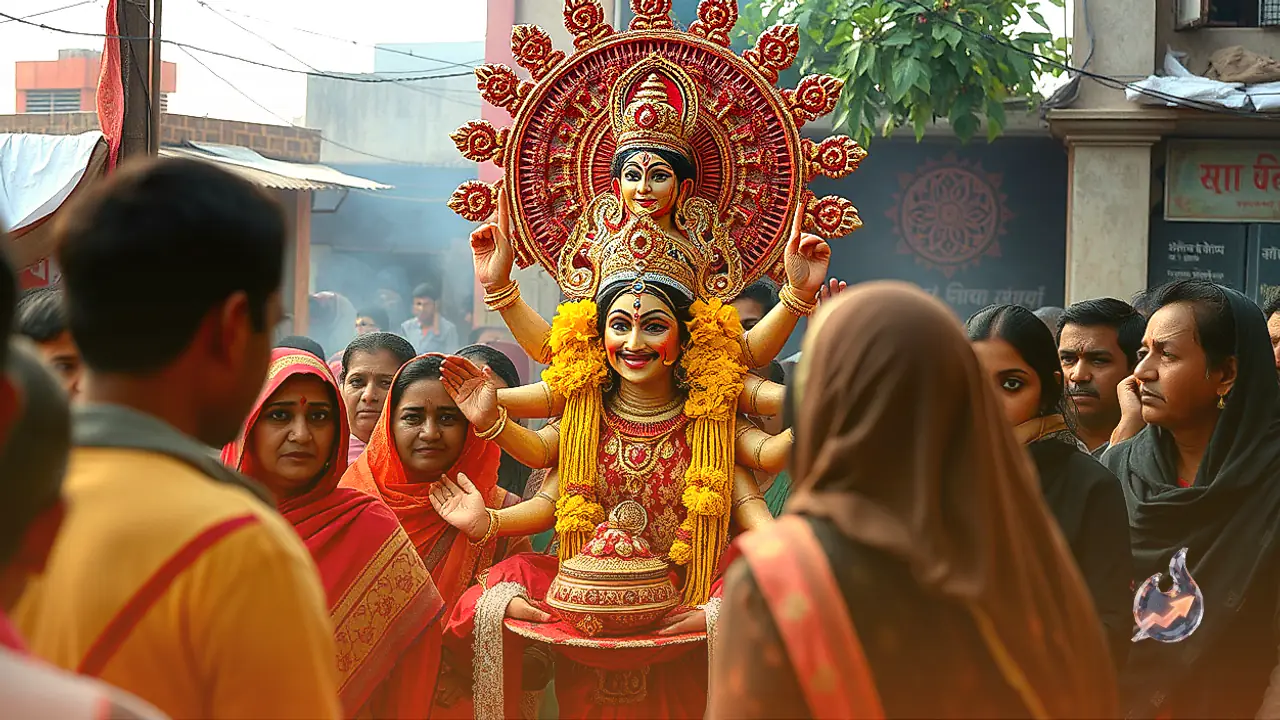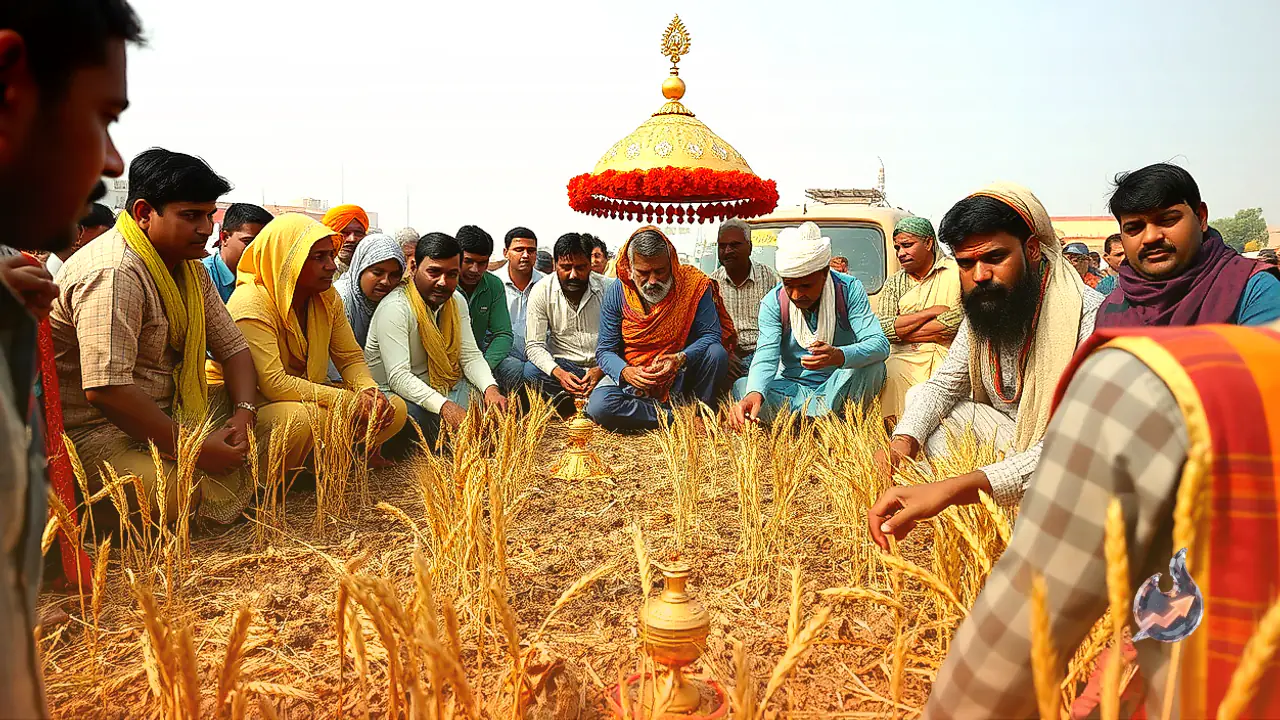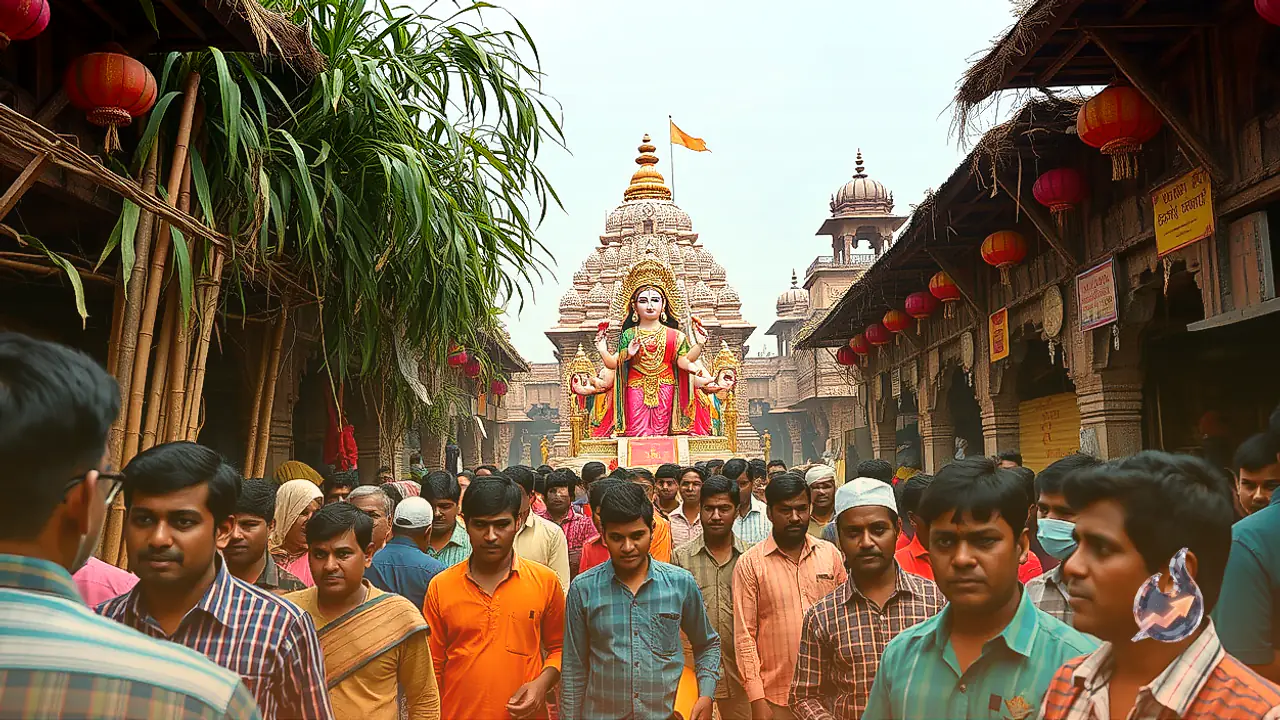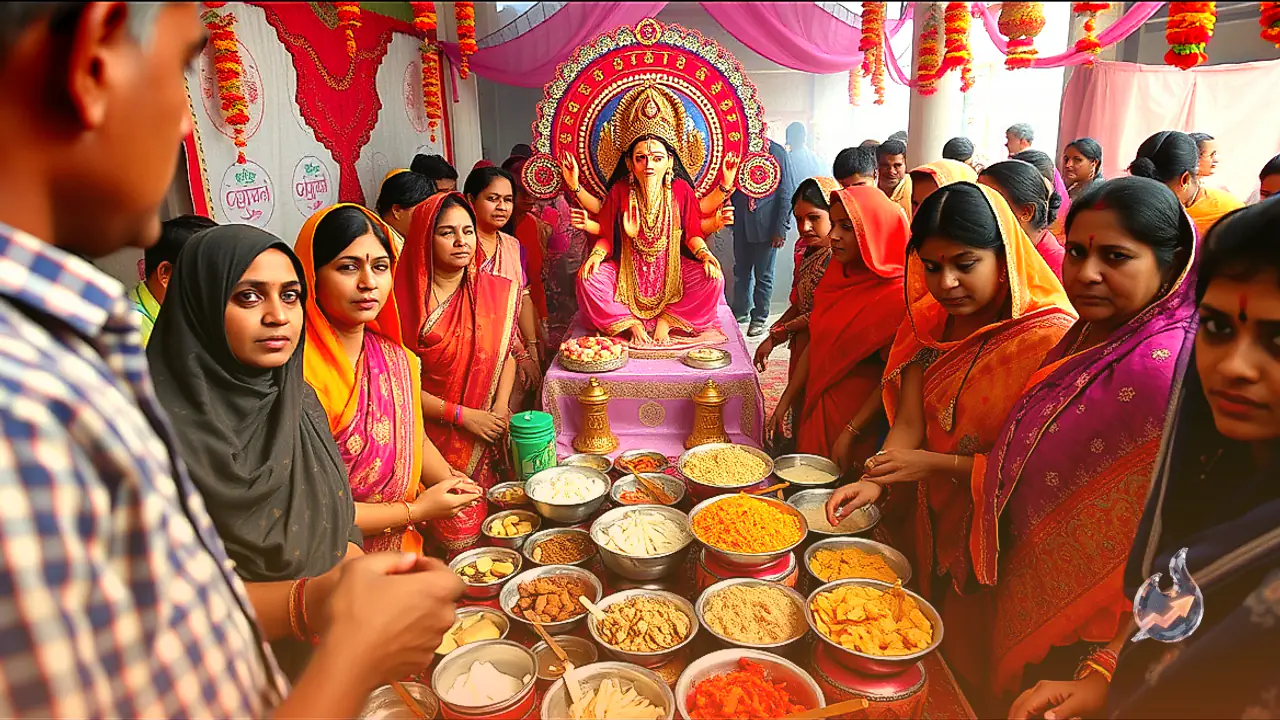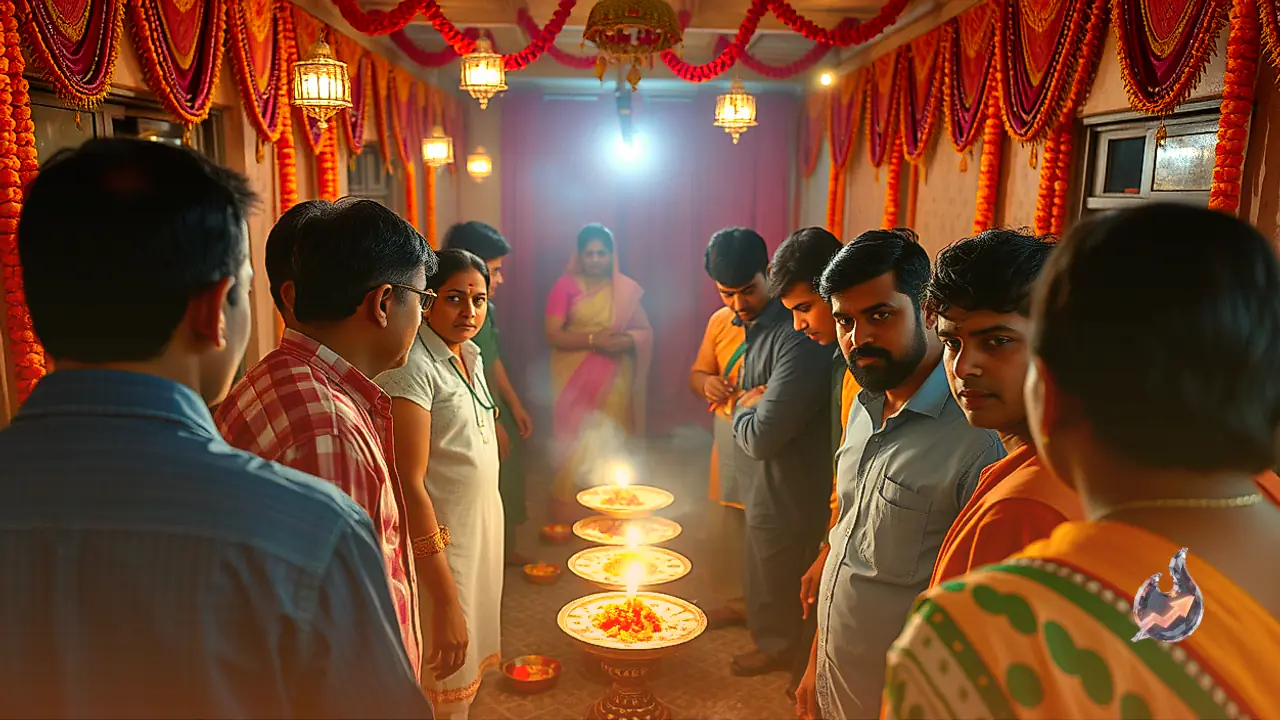





















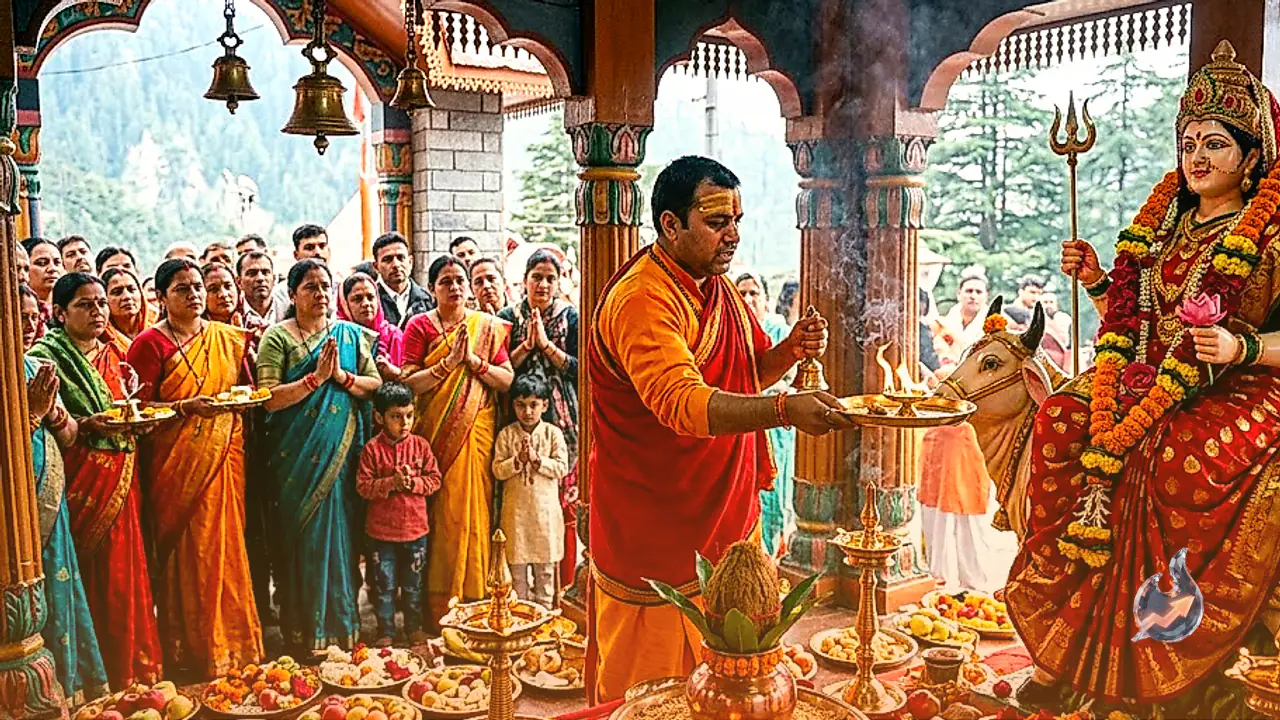

The nine-day festival of Navratri commences on its opening day with the dedicated worship of Goddess Shailputri. Among the nine manifestations of Goddess Durga, Shailputri holds extraordinary spiritual prominence, marking her veneration as the essential foundation of the festival. Depicted riding a bull, she is revered by sacred texts under the title Vrisharudha. Her iconography showcases two divine arms: her right hand holds a trident, while her left hand cradles a pristine lotus flower. Known additionally as Goddess Hemavati and Goddess Parvati, her divine image conveys deep spiritual tranquility, fortitude, and auspiciousness for all devotees undertaking the observance.
The Defiance of Prajapati Daksha and Sati's Journey
The origins of Goddess Shailputri trace back directly to the sacrifice of Goddess Sati. Historical lore recounts that Sati, the daughter of Prajapati Daksha, chose to marry Lord Shiva despite fierce opposition from her father. Sometime later, Prajapati Daksha convened a grand sacrificial ceremony and dispatched invitations to all deities across the heavens. Deliberately, however, he excluded Lord Shiva from the guest list. When Goddess Sati expressed her wish to attend, Lord Shiva counseled her that arriving uninvited at an event where everyone else was invited was neither proper nor dignified. Despite the caution, Goddess Sati felt an overwhelming urge to visit her parental abode and insisted on attending the sacrificial gathering.
The Sacrificial Fire and the Genesis of Shaktipeeths
Upon her arrival at Daksha's dwelling, only her mother greeted her with maternal affection. Her sisters directed mockery and sarcastic remarks toward her, openly disrespecting Lord Shiva. Prajapati Daksha compounded the insult by uttering harsh and disparaging words against Mahadev in front of the assembled assembly. Deeply wounded and unable to bear the profound dishonor directed at her spouse, Sati entered a state of fierce anguish. Invoking the mystic yogic fire within herself, she immolated her physical form. Overwhelmed by inconsolable sorrow and wrath, Lord Shiva destroyed the sacrificial arena and began wandering across the cosmos while carrying Sati's lifeless body.
Rebirth on the Sacred Peaks as Shailputri
To alleviate the grief threatening cosmic equilibrium, Lord Vishnu released his Sudarshan Chakra to sever Sati's physical remains. The departed form split into 51 sanctified pieces that descended upon the earth, later revered across generations as the 51 sacred Shaktipeeths. Following this self-immolation, the divine feminine incarnated in her next birth in the home of the king of mountains, Himalaya. In classical Sanskrit, the term Shail denotes a mountain, thereby earning the divine child the name Shailputri, meaning the daughter of the mountain. In this reborn persona, she embodies pure devotion, endurance, and grace.