



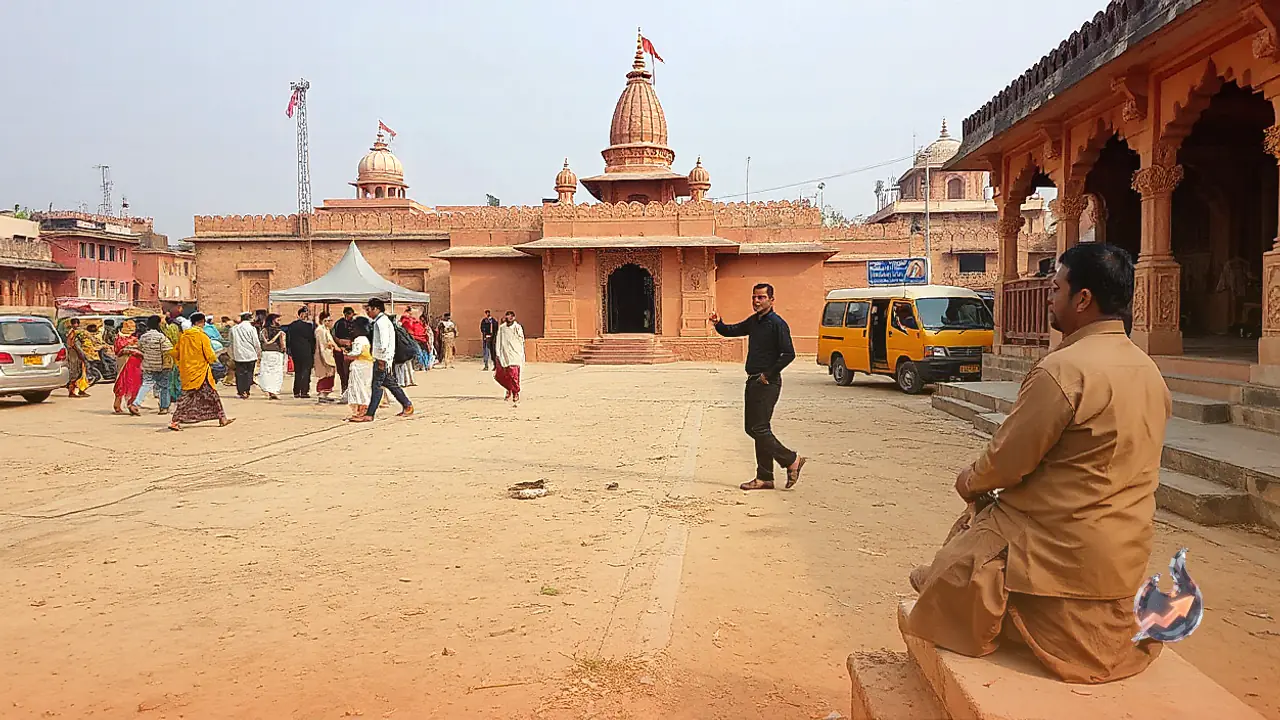














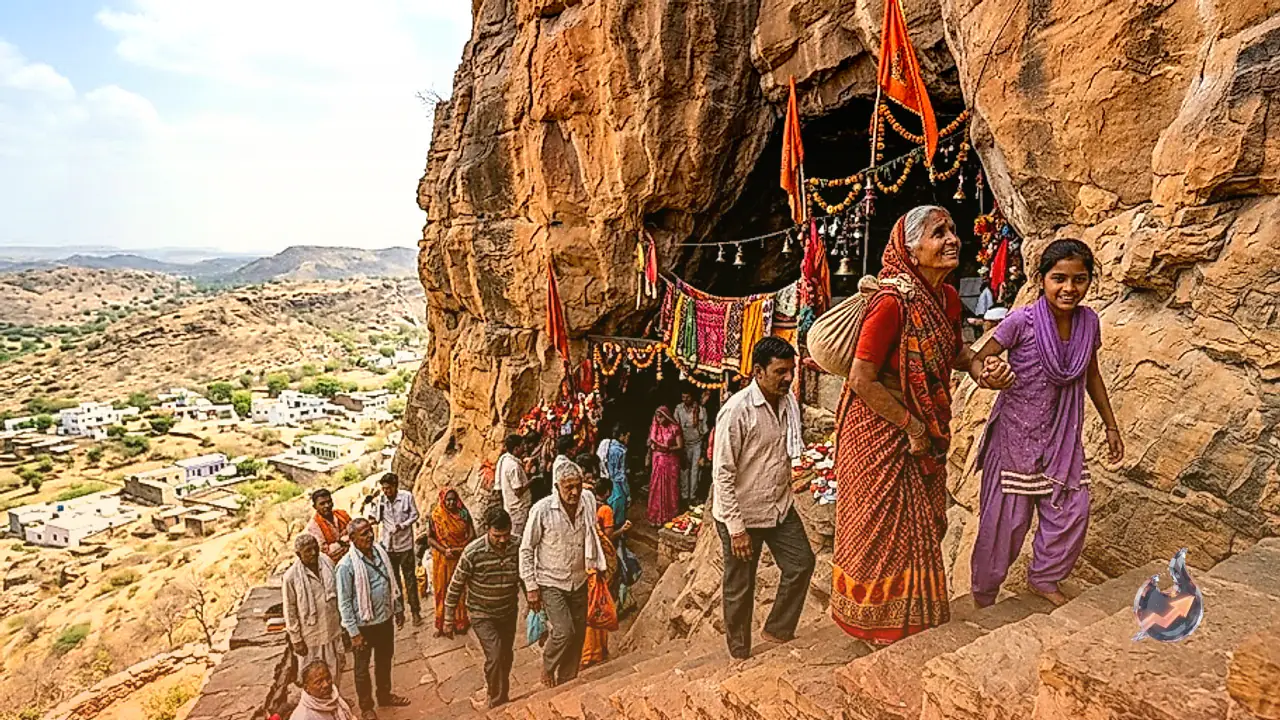

The Hadoti region of Rajasthan is widely celebrated across India for its majestic architectural heritage and deeply revered spiritual destinations. Spanning across the districts of Bundi, Jhalawar, Kota, and Baran, the sacred shrines of this region represent not only extraordinary historic craftsmanship but also centuries-old traditions of unwavering faith. From the serene shores of the Chambal River housing Lord Keshav Rai to the high mountain cave shrine of Bijasan Mata in Indargarh, these spiritual sites draw thousands of pilgrims throughout the year. Five extraordinary temples in the Hadoti belt stand out for their distinct legends, unique traditions, and enduring religious importance.
Keshorai Patan Temple on the Chambal River Bank
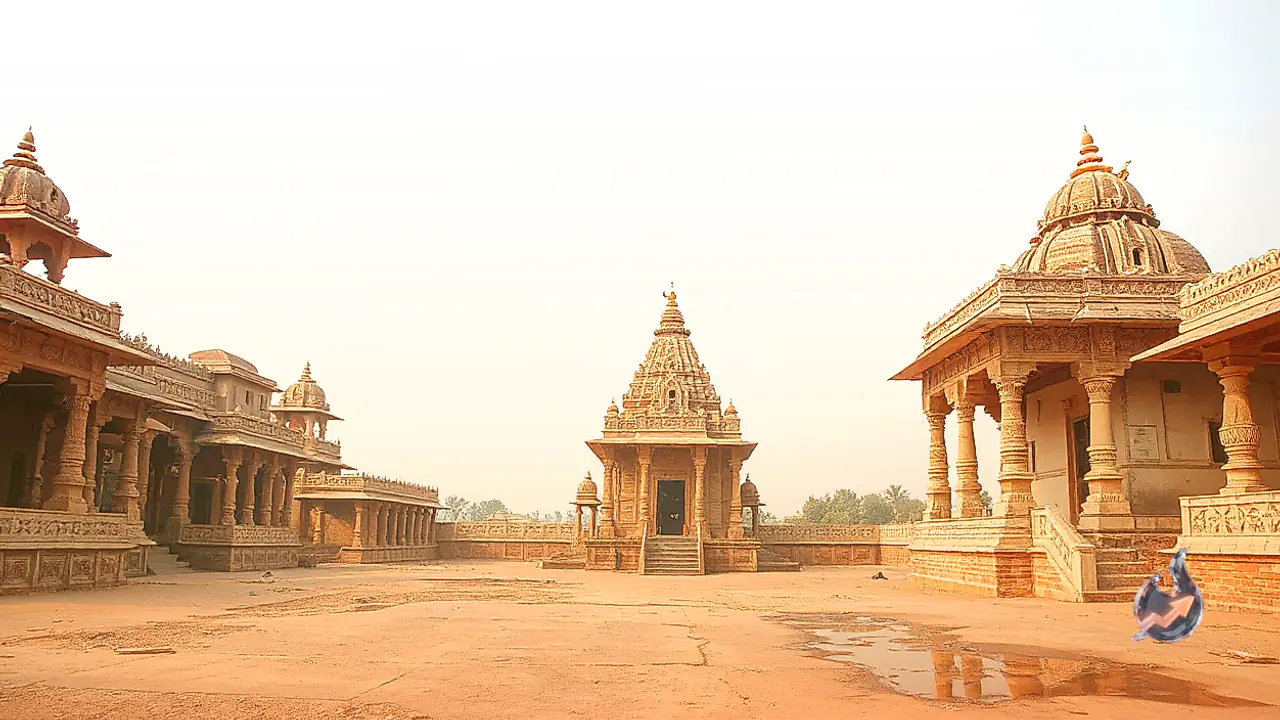
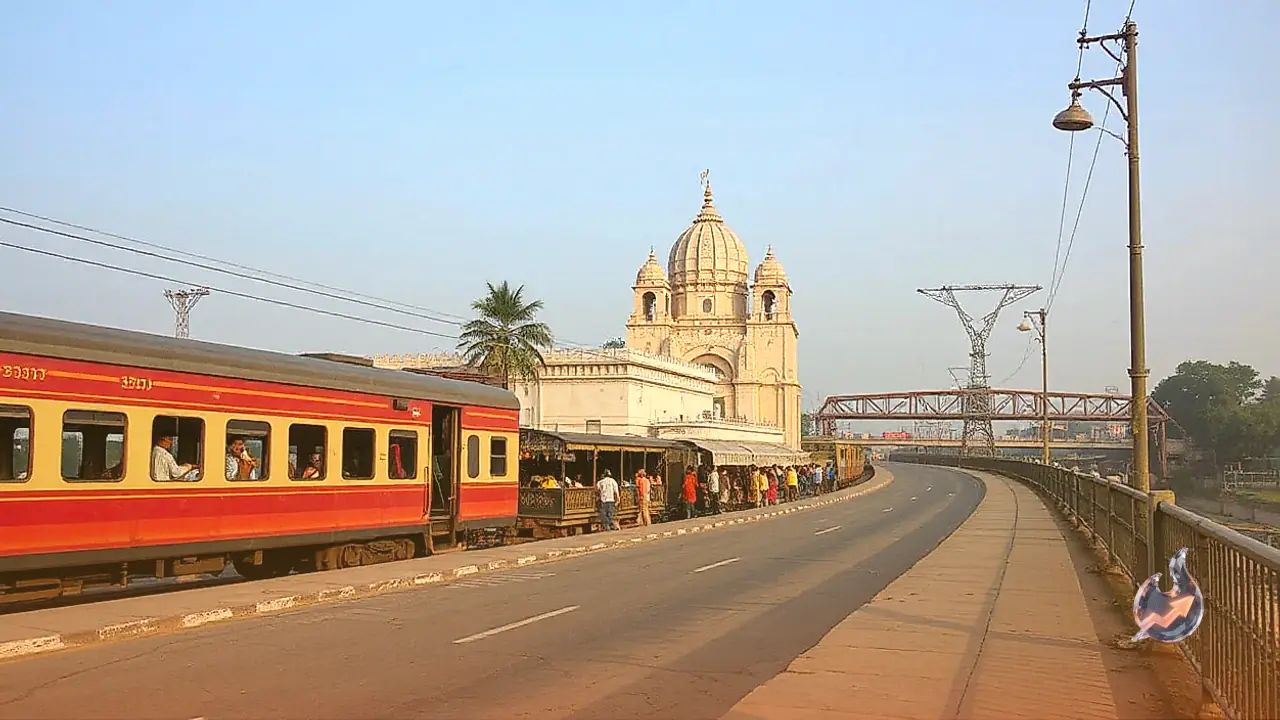
Situated along the picturesque banks of the Chambal River in Keshorai Patan within Bundi district, this grand ancient temple is dedicated to the Keshav Rai incarnation of Lord Vishnu. Historical records indicate that the construction of this majestic structure was completed in 1641 AD under the patronage of Rao Raja Chhatrasal. According to revered legends, Lord Vishnu was deeply pleased by the selfless devotion of King Rantidev and blessed him by manifesting in two sacred idols. The shrine houses a pristine white marble idol of Keshavji alongside a striking black stone idol of Charbhuja Nath. The panoramic views of the flowing Chambal River combined with the intricate stone architecture make this complex a premier spiritual and tourist landmark.
Kamkheda Balaji Sacred Hanuman Shrine
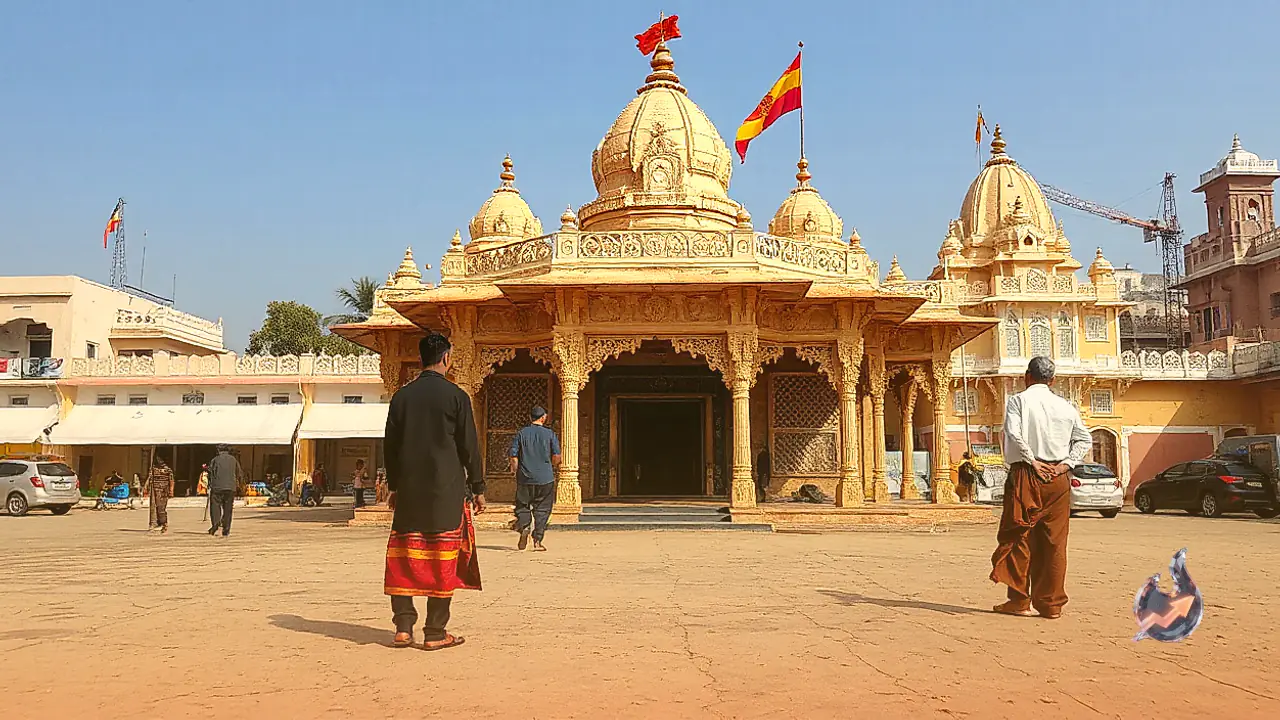
Located in the Kamkheda locality, approximately 16 kilometers from Aklera town in Jhalawar district, stands the renowned ancient temple of Lord Hanuman, worshipped locally as Balaji. Devotees gather at this sacred precinct in large numbers throughout all seasons of the year. According to local belief and religious traditions, offering prayers and participating in special rituals at Kamkheda Balaji helps individuals gain relief from negative energies, obstacles, and distress. Pilgrims travel from across Rajasthan, neighboring Madhya Pradesh, and several other states to seek divine blessings, solidifying the temple's status as a major pilgrimage center in western India.
Bijasan Mata Hilltop Shrine of Indargarh
Perched high atop a mountain in Indargarh within Bundi district, the Bijasan Mata Temple is an ancient rock-cut shrine dedicated to Goddess Durga. Revered traditions associated with this sacred site trace its origins back over 2,000 years. Local legend holds that following intense penance performed by the ascetic saint Baba Kripanath Ji Maharaj, the self-manifested idol of the Goddess emerged by splitting open a massive natural rock face. Situated inside a natural cavern near the mountain summit, reaching the main sanctum requires devotees to ascend approximately 700 to 750 stone steps, offering a rewarding pilgrimage experience.
The Unique 525 Shivlings Temple of Kota
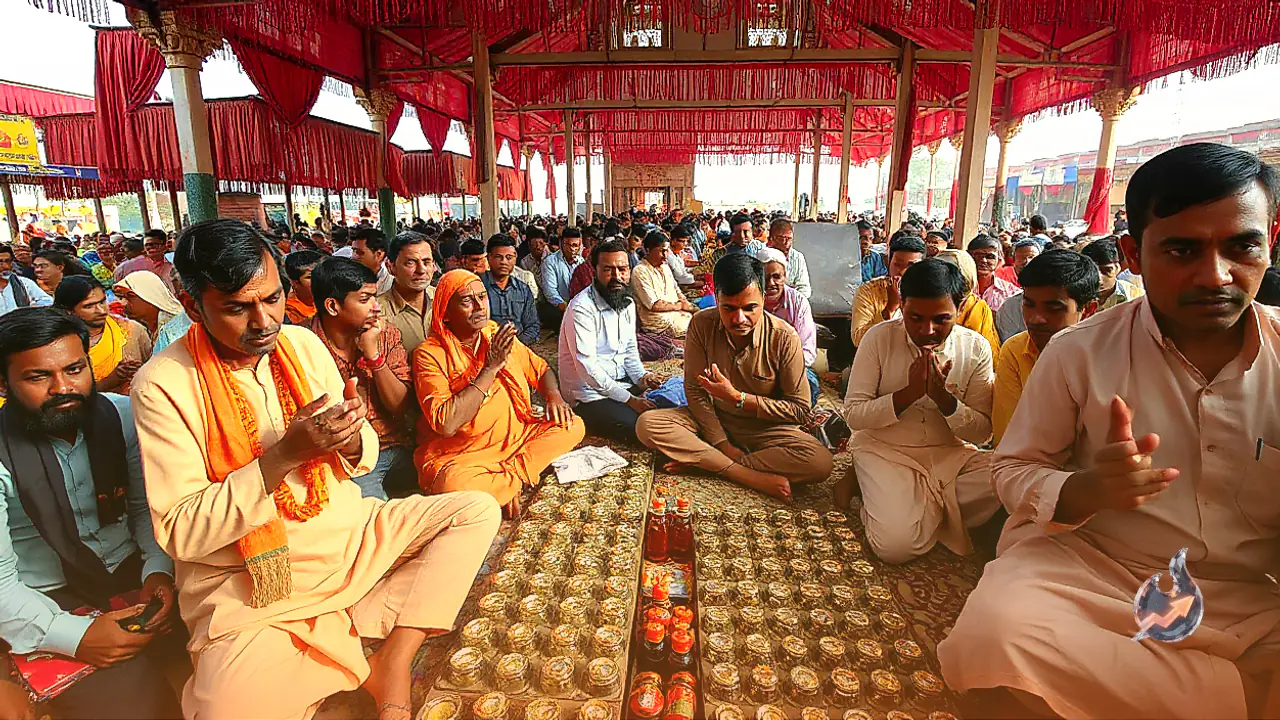
In the city of Kota, the temple housing 525 Shivlings serves as a rare and captivating center of devotion for followers of Lord Shiva. The simultaneous installation of 525 sacred Shivlings within a single temple complex gives this shrine a distinct identity across the region. During the auspicious month of Sawan, vast crowds of devotees visit to perform elaborate worship ceremonies and sacred water rituals. Pilgrims offer water, milk, and sacred belpatra leaves over the Shivlings while praying for peace, health, and prosperity. The shrine hosts grand religious celebrations on Mondays and during the major festival of Mahashivratri.
Shri Kalyanrai Ji Temple: Presiding Deity of Baran
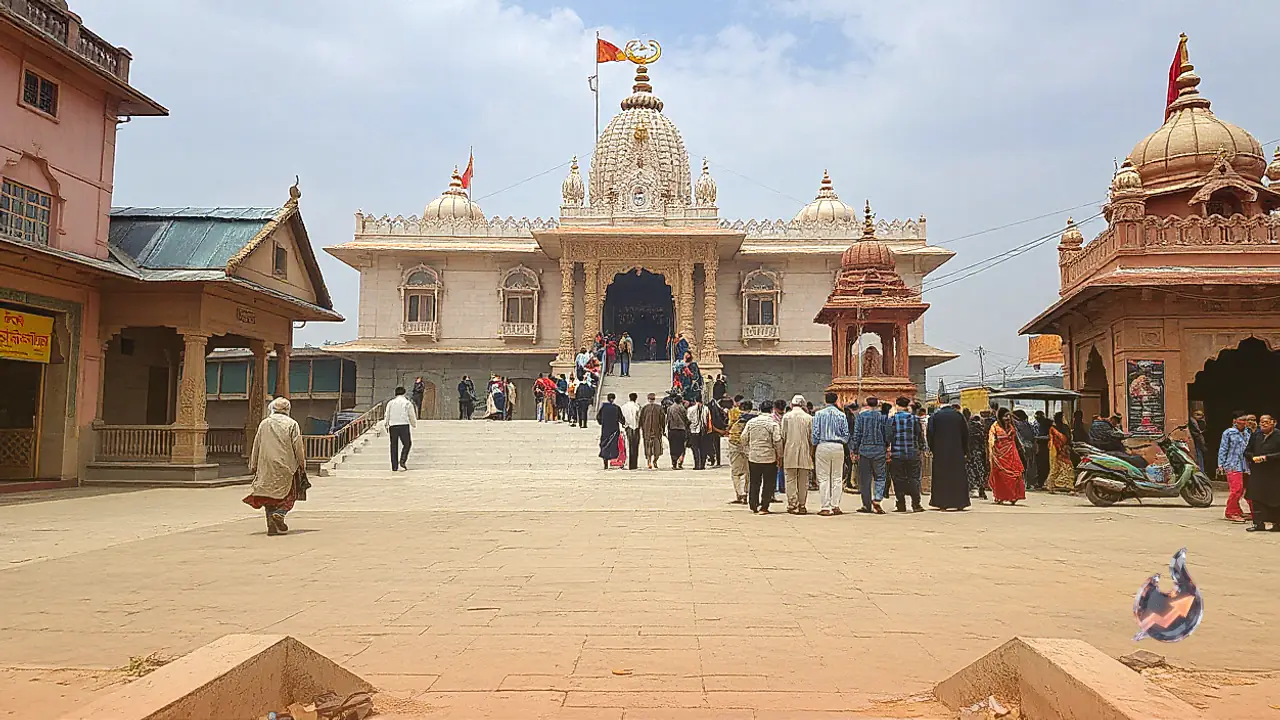
Positioned in the bustling Sadar Bazar area of Baran city, the famous Shri Ji Temple, also known as the Shri Kalyanrai Ji Temple, stands as an essential pillar of local heritage. Dedicated to the benevolent Kalyanrai form of Lord Vishnu, the deity is venerated as the primary patron deity of Baran. Pilgrims and local residents visit the shrine continuously throughout the year. Beyond its deep religious significance, the temple's centuries-old history and architectural prominence make it an indispensable symbol of Baran's cultural identity.