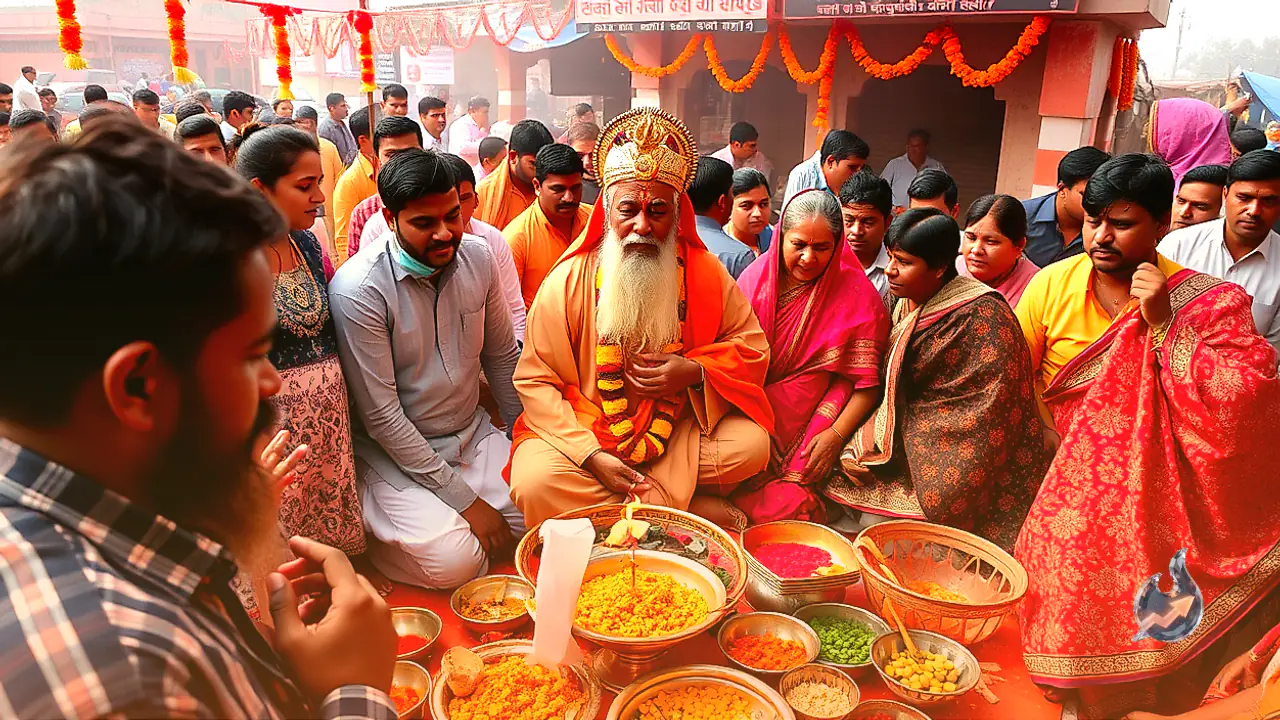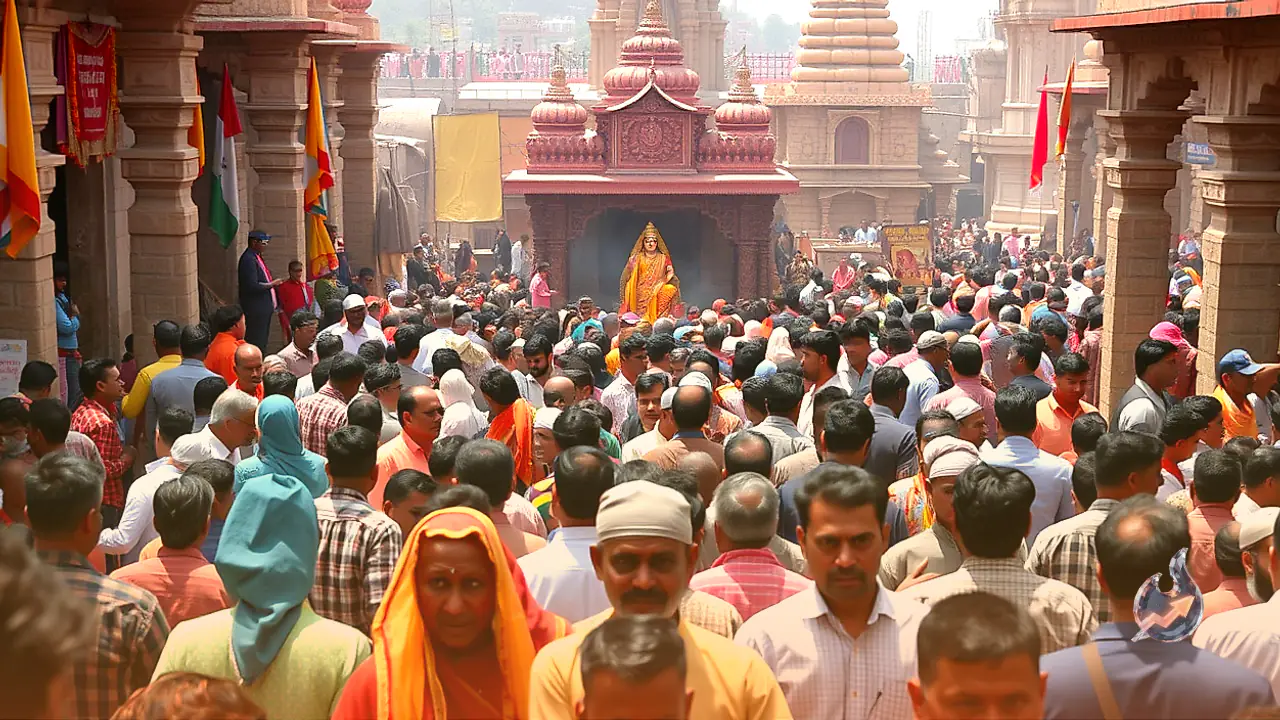






















In Hindu spiritual tradition, the Amavasya of the Ashwin month holds immense significance as Sarvapitri Amavasya. This year, the solemn date falls on October 10, marking the conclusion of the fortnight dedicated to ancestors. On this occasion, families perform Tarpan, Pind Daan, and Shraddha rituals to pay homage and bid a respectful farewell to their departed forebears. What elevates the occasion this time is its occurrence on a Saturday, which forms the potent alignment known as Shanishchari Amavasya. Spiritual beliefs suggest that when these two observances coincide, worshipping Shanidev alongside honouring one's ancestors delivers double the spiritual merit.
As the sun sets and the hour of the ancestors' departure arrives, lighting lamps at specific points around the household and community is regarded as an essential rite. Sacred traditions hold that illuminating the evening dispels darkness from the ancestors' journey, brings solace to their souls, and attracts the protective grace of Shanidev. Carrying out this ritual with devotion at five specific locations is said to resolve life hurdles. Here are the five key places where lamps should be lit on this sacred evening.
Under the Sacred Peepal Tree
The Peepal tree holds an exalted place in scriptural lore, as it is regarded as an abode where both divinities and departed souls reside. On the evening of Sarvapitri Amavasya on October 10, one should place an earthen lamp filled with mustard oil at the base of a Peepal tree. While lighting the flame, invoke the memory of your ancestors and seek their guidance and grace. Tradition holds that this gesture satisfies ancestral spirits, drawing their enduring benevolence upon the household.
Facing the Auspicious Southern Direction
Classical Hindu beliefs designate the southern direction as the realm of Yama and the sacred path of the ancestors. It is understood that at the conclusion of Shraddha Paksha, departed souls journey back toward their realm in this very direction. Lighting a lamp directed toward the south outside the house or in an open, safe spot serves as an offering of reverence. Devotees pray for domestic peace, stability, and protection as ancestors depart contentedly.
At a Shani Temple
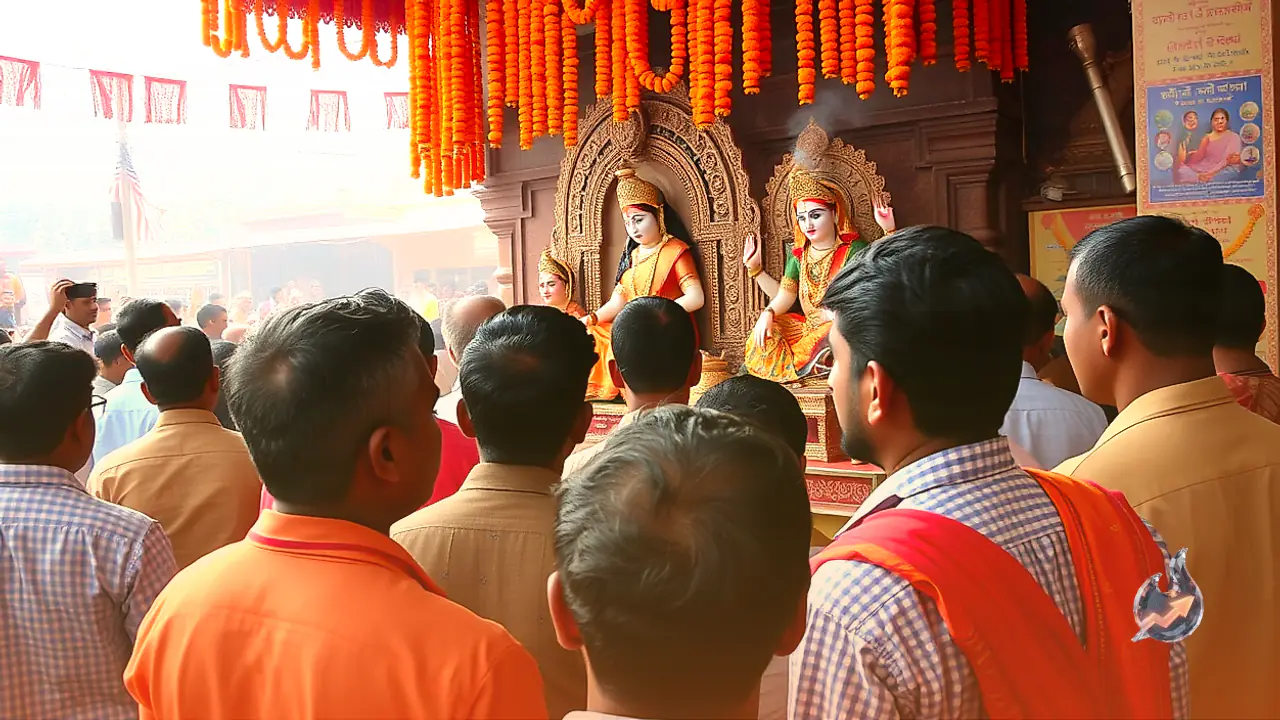
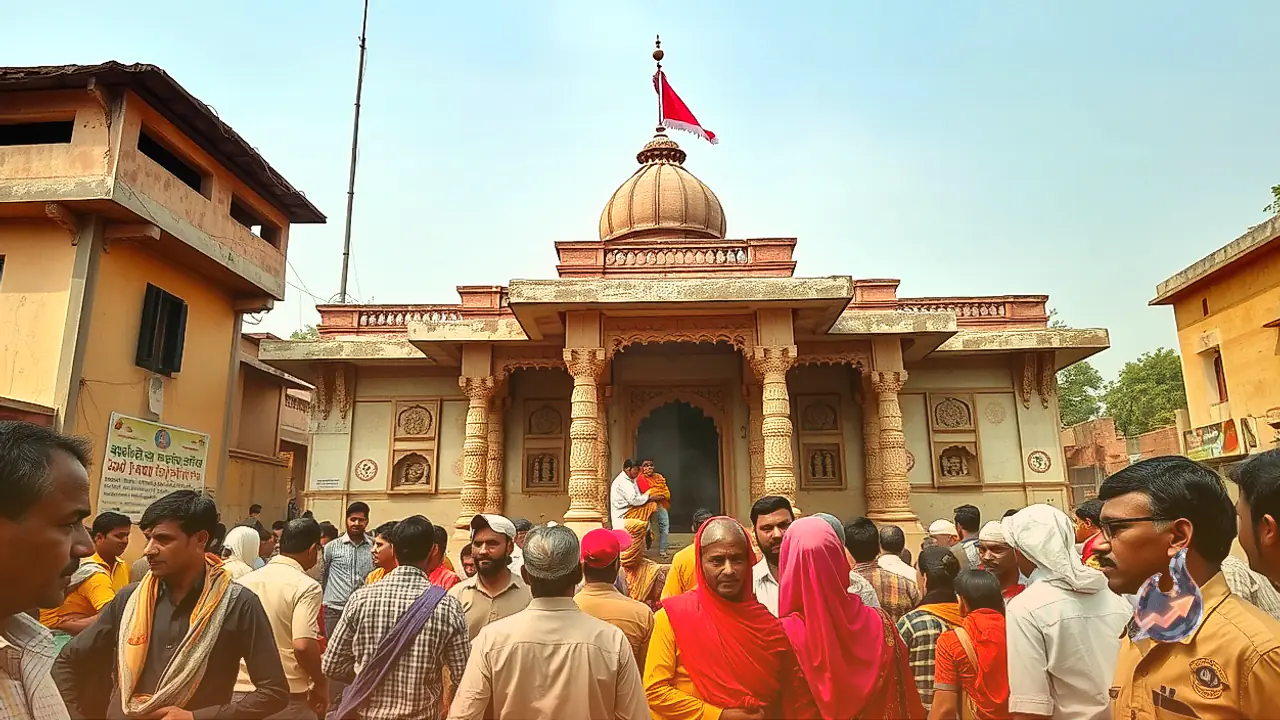
With the confluence of Sarvapitri Amavasya and a Saturday, offering prayers at a shrine dedicated to Shanidev takes on profound importance. Devotees are encouraged to visit a Shani temple during the evening hours and offer a lamp filled with mustard oil before the deity. This ritual is accompanied by heartfelt prayers to remove chronic delays, hardships, and karmic impediments, helping alleviate the severe pressures of Shani-related astrological influences.
At the Main Entrance of the Residence
Placing an illuminated lamp at the front threshold of the home during the ancestors' departure is considered deeply auspicious. The flame at the doorway signifies warm hospitality and honors the departing souls with an illuminated passage. According to traditional belief, keeping a lit lamp at the entrance clears out stagnant or negative energy, fills the living space with vibrant positivity, and invites wholehearted blessings from the departed family elders.
Near the Sacred Tulsi Plant
During the twilight hours of Sarvapitri Amavasya, light a lamp containing pure clarified butter near the Tulsi plant. As the flame burns, meditate upon Lord Vishnu and remember the ancestral lineage. Because the Tulsi plant is deeply cherished by Lord Vishnu, honoring it in this manner fosters a harmonious, serene atmosphere within the home. It is widely held that this ritual assists in relieving the afflictions associated with Pitru Dosha while bringing comfort across various life challenges.