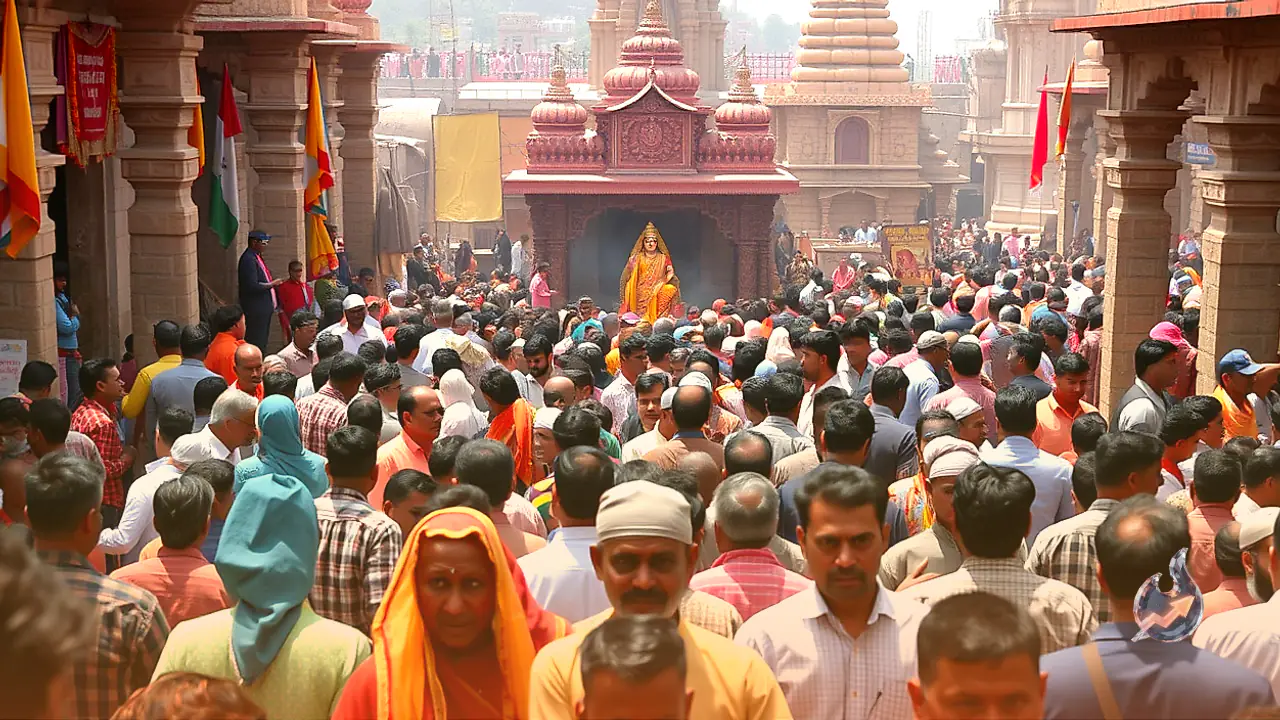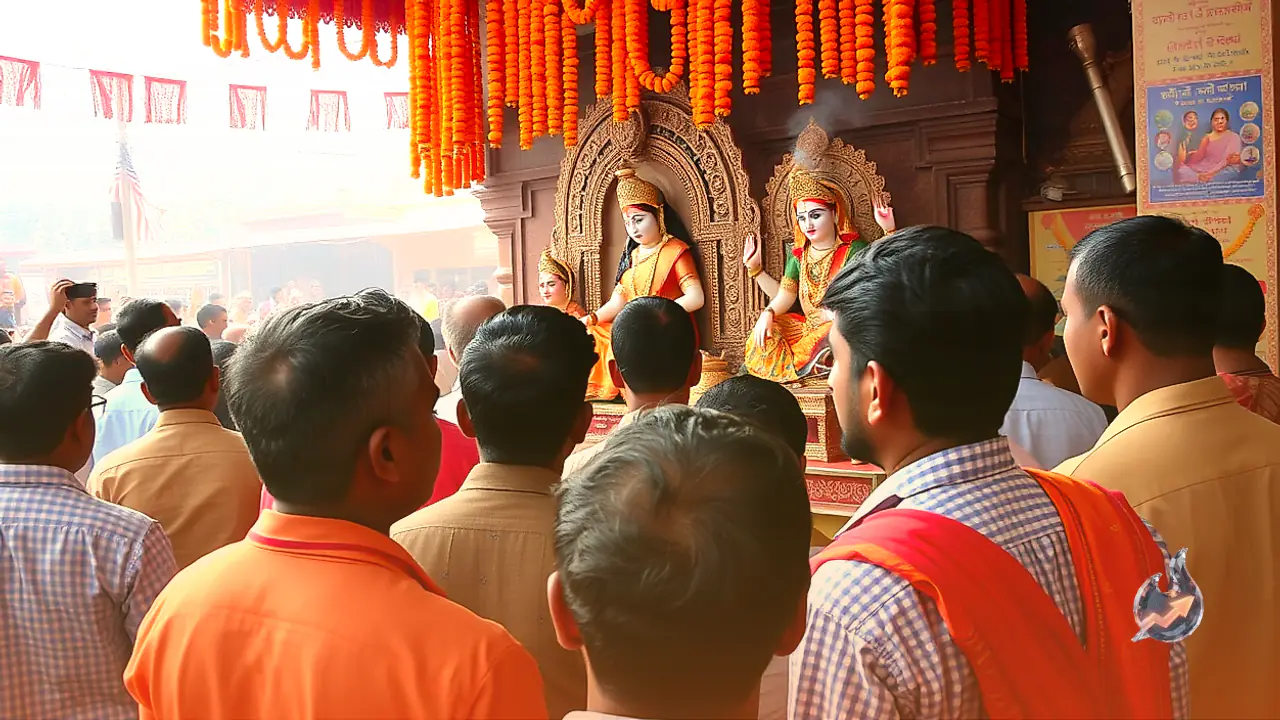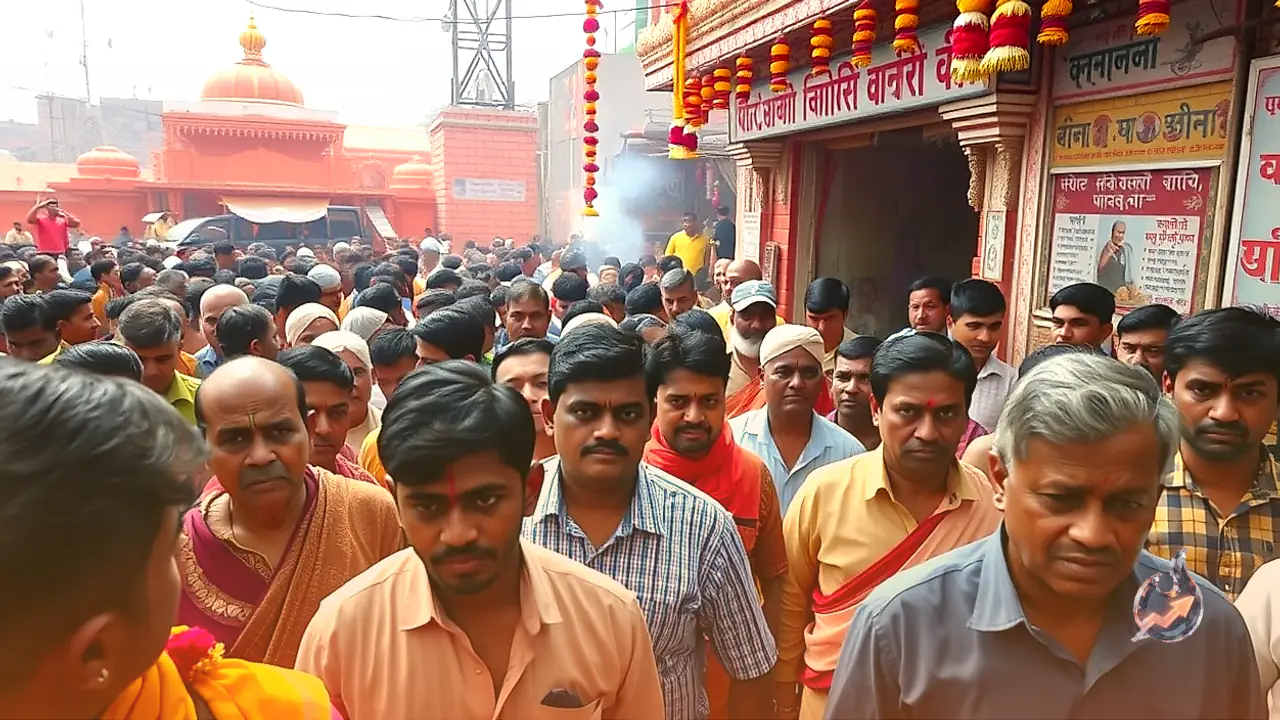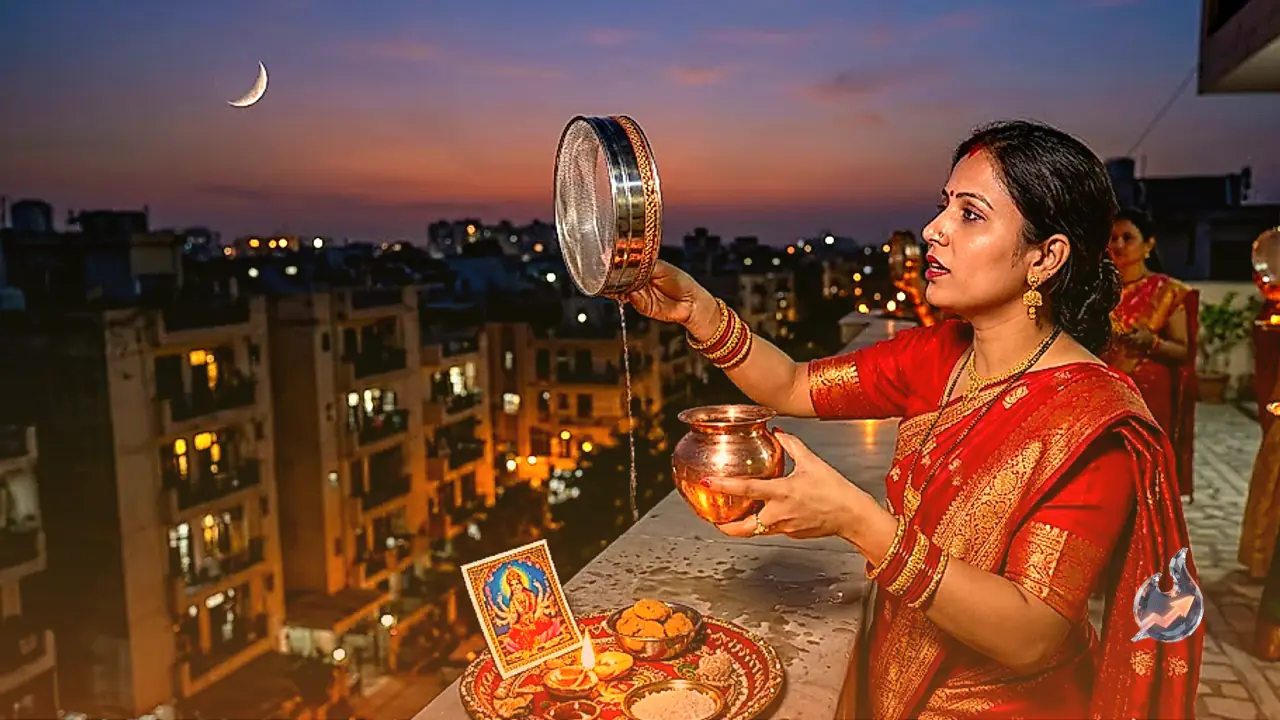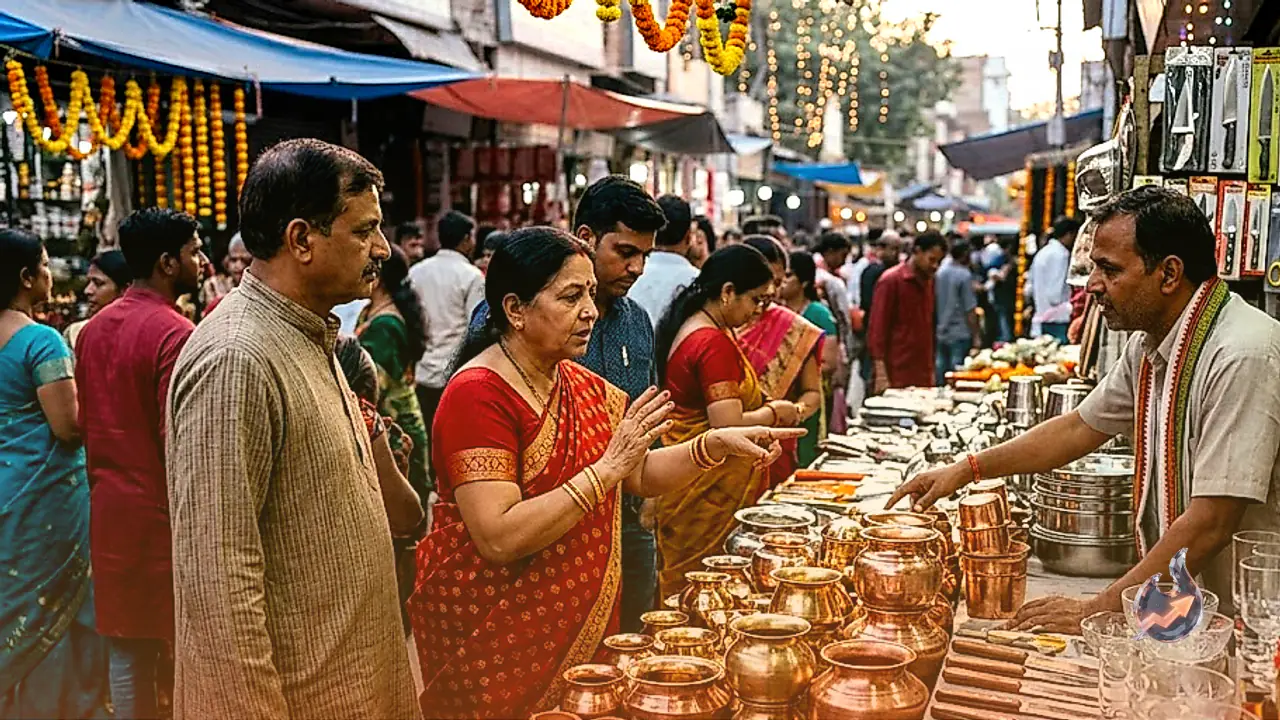



















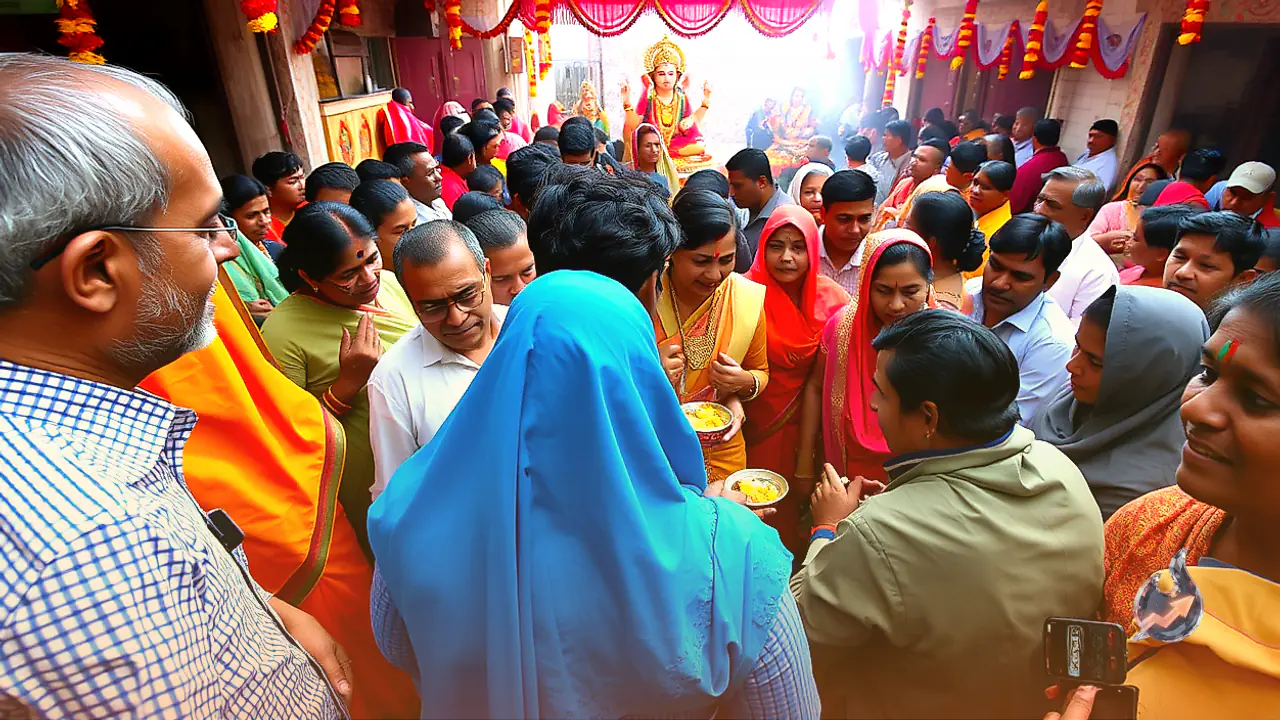

The tradition of worshipping young girls during the sacred festival of Navratri is regarded as an essential and fruitful aspect of divine veneration. According to devotional beliefs, young girls are revered as living embodiments of Goddess Durga, and the ritual cycle of Navratri remains incomplete without their formal adoration. Honouring these young girls with sincerity is said to invite peace, joy, and prosperity into the household while dispelling negative energy from the domestic space. However, devotees frequently seek clarity regarding the precise dates and correct traditional procedures for conducting this ceremony.
Festival Dates and the Significance of the Nine Days
Pandit Nandkishore Mudgal, an astrologer based at the Mudgal Jyotish Kendra in Pagal Baba Ashram, Deoghar, explains that the festive observance of Navratri commenced on 22 September and continues through 2 October. Throughout these nine days, the nine distinct forms of Goddess Durga are worshipped through elaborate spiritual procedures. Devotees who observe fasting at home or recite the Durga Saptashati are particularly advised to undertake Kanya Pujan, as doing so helps in attaining the complete auspicious rewards of their prayers. This observance is believed to preserve divine grace over the household throughout the entire year.
Observing the Ritual on Ashtami or Navami
Devotees observe Kanya Pujan according to their family customs and practical convenience. Some worship young girls daily from Pratipada through Navami, while others perform the entire ceremony specifically on the days of Ashtami or Navami. Both approaches are considered religiously valid and appropriate. Those who cannot arrange the ritual on each of the nine days should ensure that they perform it either on Ashtami or on Navami.
Step-by-Step Worship Procedure and the Presence of a Batuk
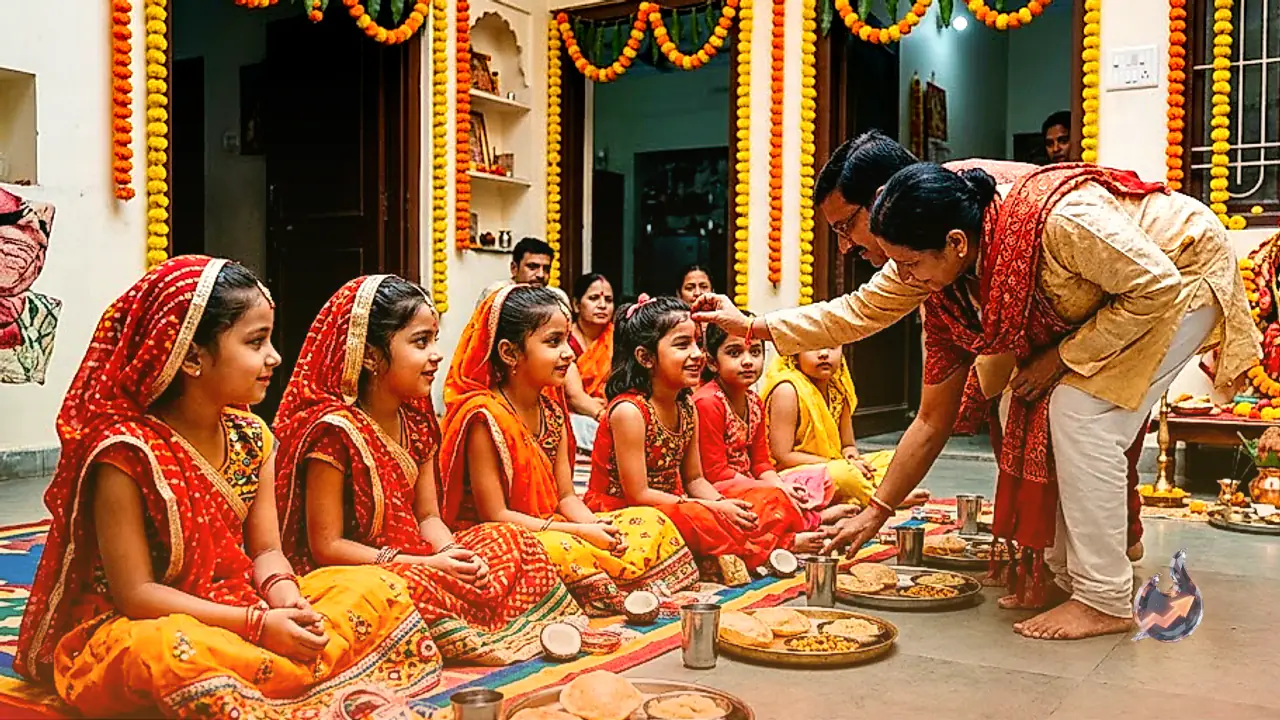
When organizing Kanya Pujan on Ashtami or Navami, including a young boy known as a Batuk alongside the girls is regarded as essential. The ritual begins by respectfully washing their feet and seating them on clean mats. A sacred protective thread, known as kalawa, is tied around their wrists, followed by an application of red kumkum on their foreheads. The children are then served traditional prasad, consisting of puris, black chickpeas, halwa, and coconut. Once the meal is complete, devotees should touch their feet to seek blessings.
Ceremonial Farewell, Offerings and Spiritual Benefits
The young guests should not be sent away without respectful parting offerings. Tradition prescribes offering them paan following the meal, accompanied by seasonal fruits, cash offerings as dakshina, makeup accessories, and a red chunri. Following this respectful sequence pleases Goddess Durga, banishing negative vibrations from the home and bringing lasting well-being and abundance to the family.