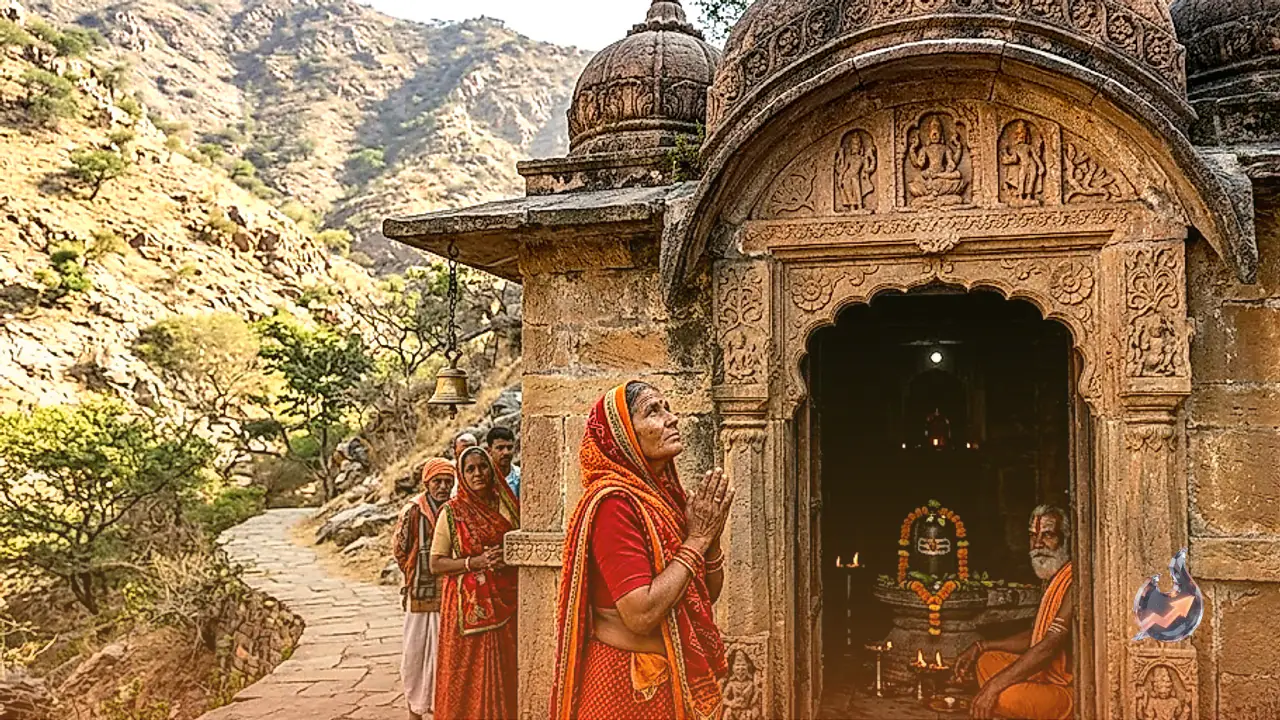






















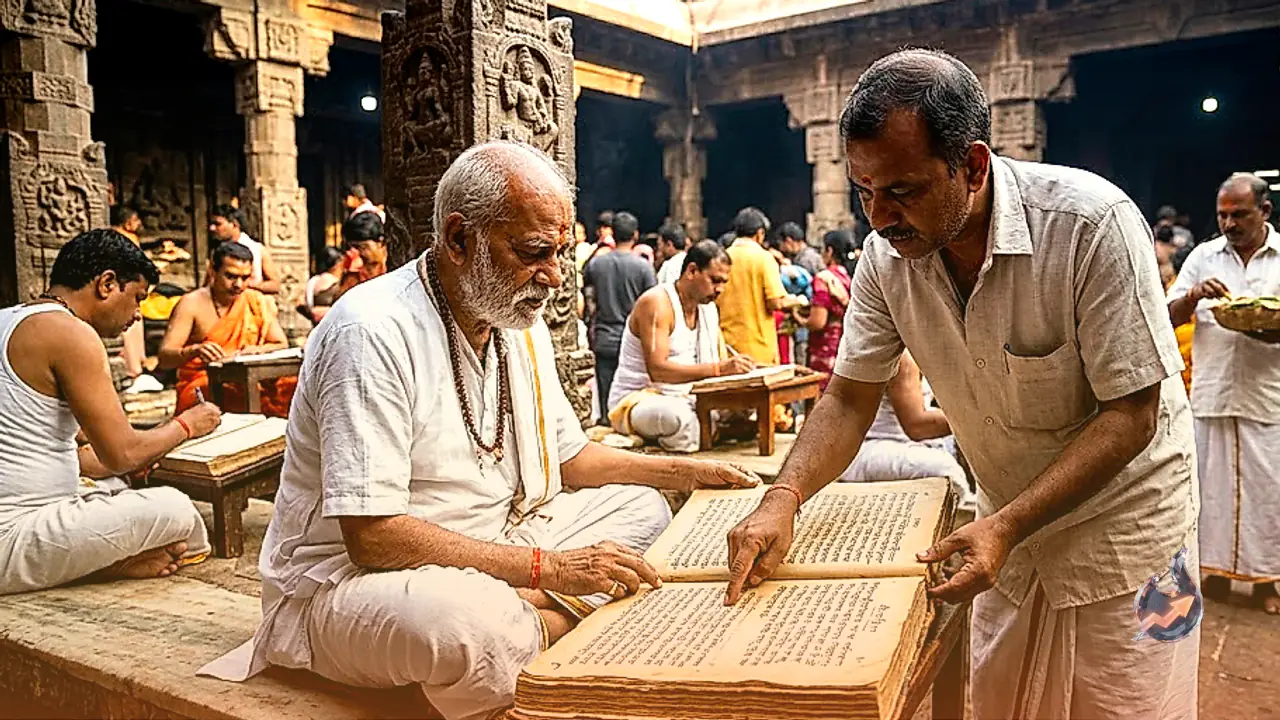

During the sacred period of Pitru Paksha, offering Pind Daan and performing Shraddh rituals in the holy city of Gayaji carries immense spiritual significance. According to Hindu beliefs, performing ancestral rites on this holy land helps departed ancestors attain salvation, frees the family from Pitru Dosh, and brings peace and prosperity to the household. This year, Pitru Paksha begins on September 27 and will continue until October 10. During these 15 days, lakhs of devotees from across India travel to Gayaji to pray for the liberation of their ancestors. However, a major question that arises for many pilgrims visiting the holy town is how to identify their traditional family priest (Tirth Purohit) and locate their address amidst the large gathering of priests.
Centuries Old Genealogical Records Preserved in Panji Registers
The system of family priests in Gayaji is extraordinarily ancient and structured. According to Swami Venkatesh Prapannacharya Maharaj, the head of Ramanuj Math located in the Vishnupad area, the Tirth Purohits of Gayaji have been conducting Pind Daan and Shraddh rituals for families across different states, districts, and regions for generations. These priests maintain meticulous lineage records of their patron families in traditional handwritten ledgers known as Panji or Vamshavali registers.
These genealogical registers contain detailed entries including the names of ancestors, native village, home district, gotra, dates of past rituals, and other essential family history. In many cases, these records date back 200 to 400 years or even longer, offering families a rare window into their ancestral roots spanning multiple generations.
The Significance of Receiving Sufal from Your Own Lineage Priest
In the religious customs of Gayaji, receiving Sufal after completing Pind Daan is considered a vital final step. Swami Venkatesh Prapannacharya Maharaj explained that Sufal must always be received from one's traditional family priest. According to established custom, only the Tirth Purohit who safeguards the genealogical record of a particular family has the authority to grant Sufal. If a household has an existing traditional relationship with a priest family in Gaya, performing the sacred rituals under their guidance and accepting Sufal from them is considered an essential part of the heritage.
Step-by-Step Guide for First-Time Pilgrims to Locate Their Priest
If you are visiting Gayaji for the first time or do not remember the name and address of your family priest, there is no need to worry. Devotees can easily trace their ancestral Tirth Purohit by following a few simple steps
- Consult Family Elders: Before setting out for Gayaji, speak with senior family members such as grandparents, parents, or uncles. Older generations often recall the name, neighborhood, or lineage title of the priest who conducted rituals in previous decades.
- Examine Old Receipts and Documents: Search for old receipts from previous Pind Daan trips, photos, invitation letters, or religious documents kept at home. These paper records frequently contain the priest's full name, address, and location.
- Locate via Village, District, and Gotra: Even if a pilgrim only knows their native village, district, state, and gotra, authorized record keepers (Panjikars) in Gaya can examine their ancient ledgers to identify the corresponding priest family.
- Reach Out Near Vishnupad Temple: Upon arriving in Gayaji, head to the Vishnupad Temple area and contact authorized Panjikars and priest associations. Based on the family background provided, they assist pilgrims in cross-matching records and connecting with their rightful family priest.