
















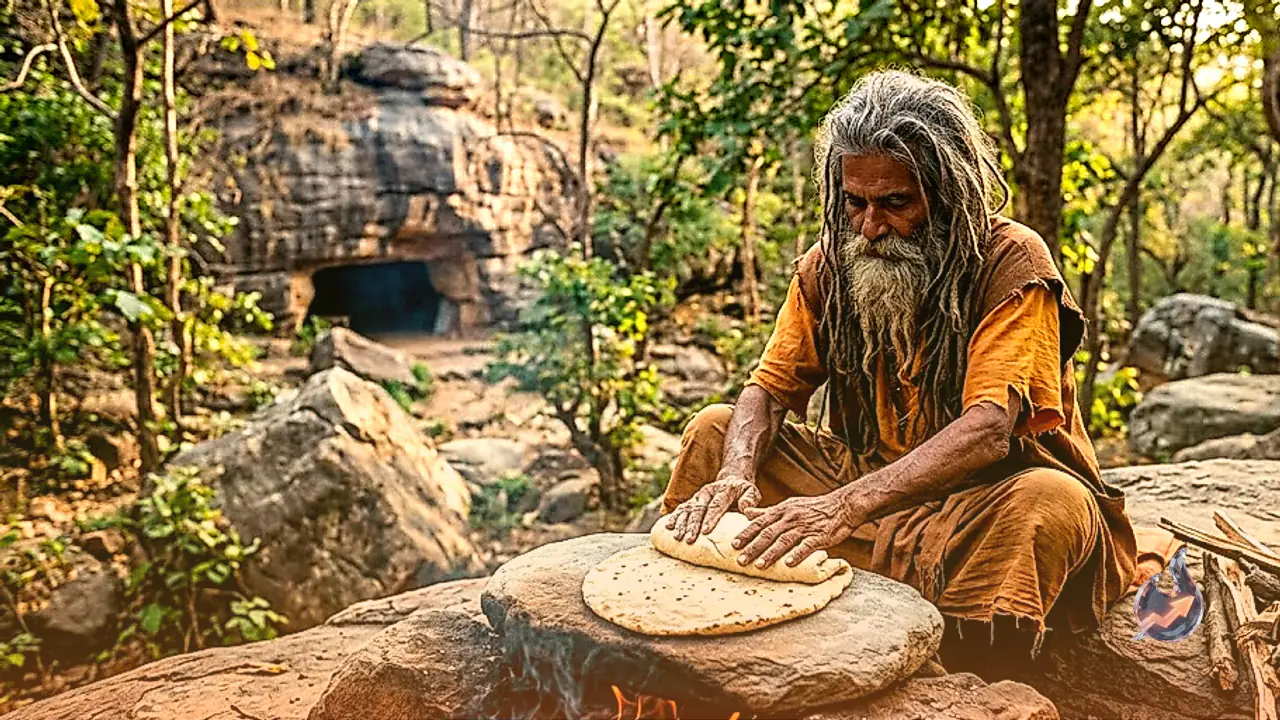

Deep inside the forests of Chitrakoot lives a tapasvi sadhu whose daily routine would stun anyone used to modern comforts. He owns not a single utensil for cooking, yet every day he prepares his own food offering, kneading the dough directly on a bare stone.
Chitrakoot's sacred legacy
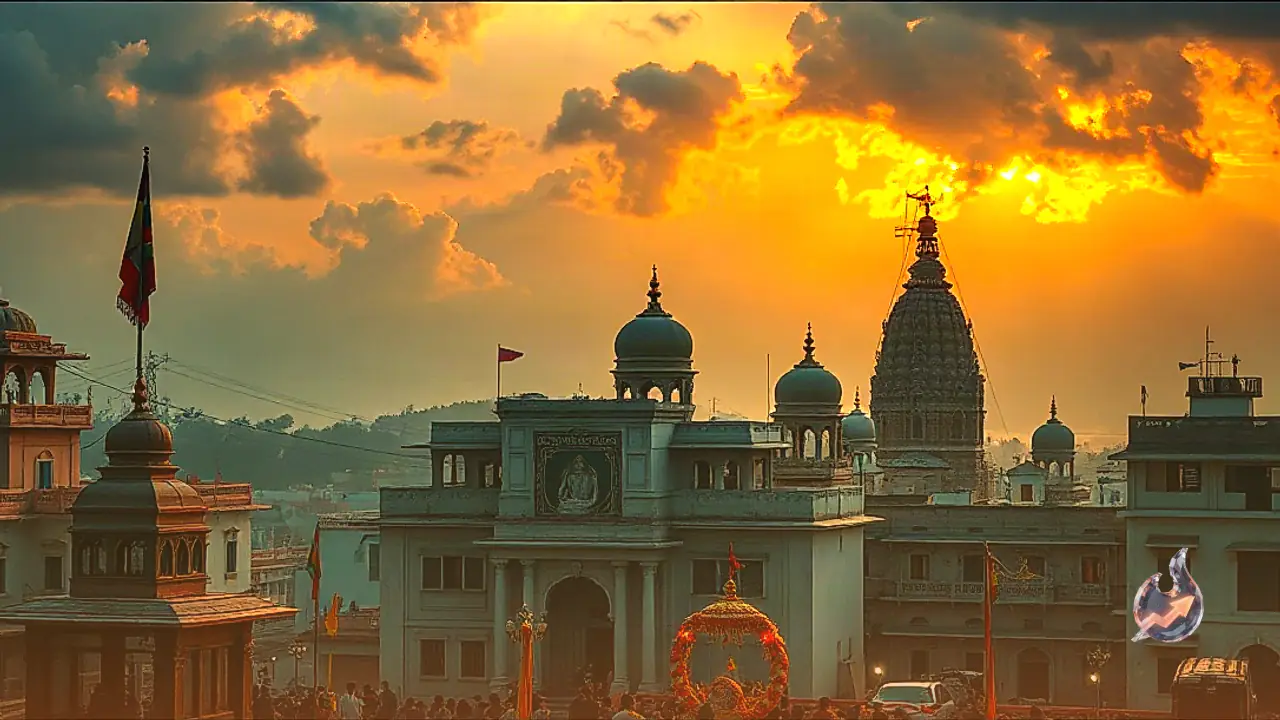
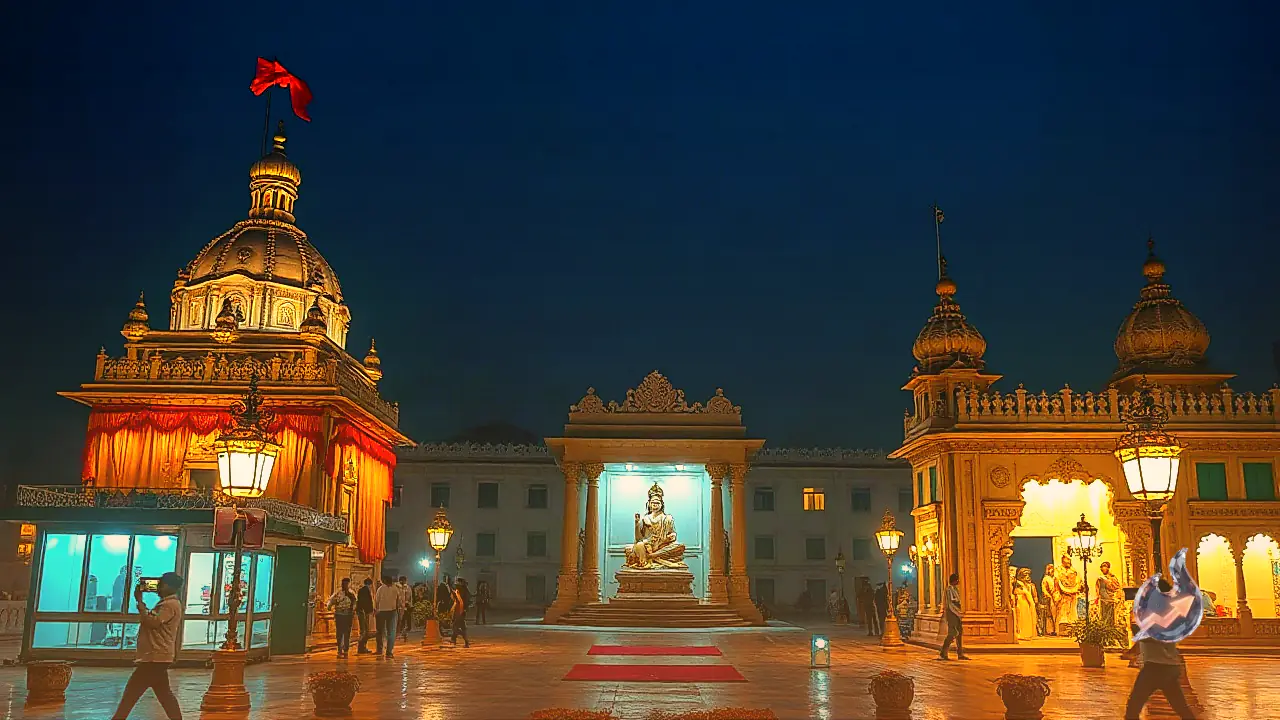
Chitrakoot is regarded as deeply sacred ground in religious belief, said to be the place where Lord Ram appeared before Tulsidas. The Mandakini river, also known as the Payaswini, flows through the region, and along its banks sits Ramghat, where large numbers of devotees arrive daily to bathe with devotion.
Tapasya inside a cave at Narsingh Dhara
For generations, caves built into the hills of Chitrakoot's dense forests have housed saints and ascetics who live their tapasya amid wild animals. In this same stretch of forest lies Narsingh Dhara, where a stream descends from the hills. An ancient idol of Lord Narsingh stands at this spot, surrounded by thick jungle. In a cave nearby, a sadhu maharaj remains absorbed in devotion, holding no attachment to worldly comforts.
How he cooks with no utensils
After bathing, the sadhu first meditates, then performs his regular puja. Once he has offered water to the deity, he sets about preparing his prasad. What stands out is that in this entire process, he has no utensil whatsoever for kneading or cooking.
Only one trip outside the cave, each day
The sadhu steps outside his cave just once a day. He fetches water from the clean stream flowing close by, and a large stone lying near the waterfall serves as his kitchen, the flat surface where he kneads his dough.
A simple life among wild animals
Many devotees who make their way through the dense forest to reach him bring food supplies as offerings. But on days when no such arrangement is made, the sadhu simply survives on wild fruits and tubers found in the forest. His shelter is a small cave. At night, wild animals including lions and bears often pass by, sometimes even in herds, yet none have ever harmed him.
One Ramrot feeds everyone
The sadhu lights a fire using dry grass and twigs, and cooks his 'Ramrot' on it, a bread weighing around 1 kilogram. He says that no matter whether he has 1 kilogram of flour or 5, he always prepares only a single Ramrot, and from that one loaf he distributes food and prasad to everyone present.
A routine built on renunciation
He first offers the prepared prasad to god on tree leaves, then sits down to eat his own share off a leaf-plate. Devotees who visit his hut are also fed by him. He performs sadhna for an hour each morning and evening, and on many nights he spends the entire night chanting god's name. His life, marked by renunciation, contentment and tapasya, stands as a rare example in today's world.