


















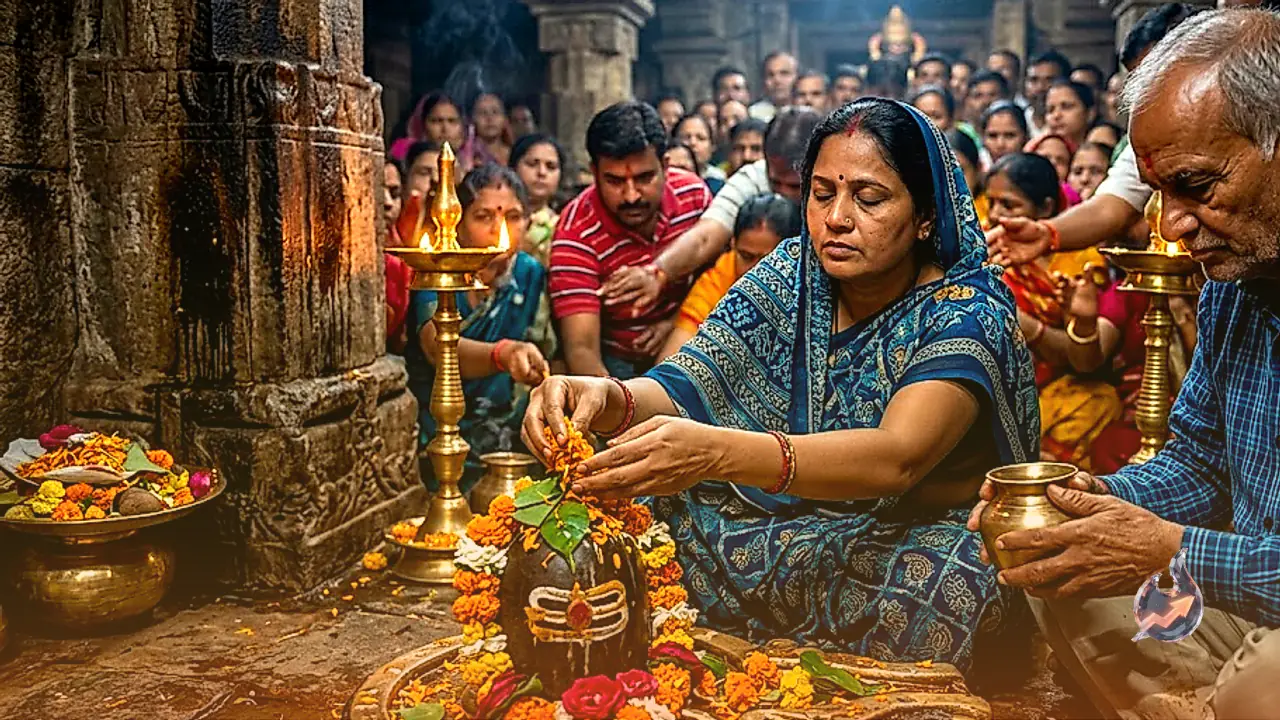

On the banks of Lakshmi Tal in Jhansi stands a centuries-old Shiva shrine that locals simply call the Bhootnath Mahadev Temple, a name that has come to define the city's spiritual character. Devotees stream in from early morning until late evening, and the crowd is not limited to Jhansi alone, people travel here from neighbouring districts and even other states to seek Bholenath's blessings. First-time visitors often say they are struck by how calm and unassuming the temple feels, and that quiet, ancient character is part of what has made it one of the most visited Shiva shrines in the city. Over the years, that reputation has turned the temple into an essential part of Jhansi's religious identity.
What the Name Bhootnath Actually Means
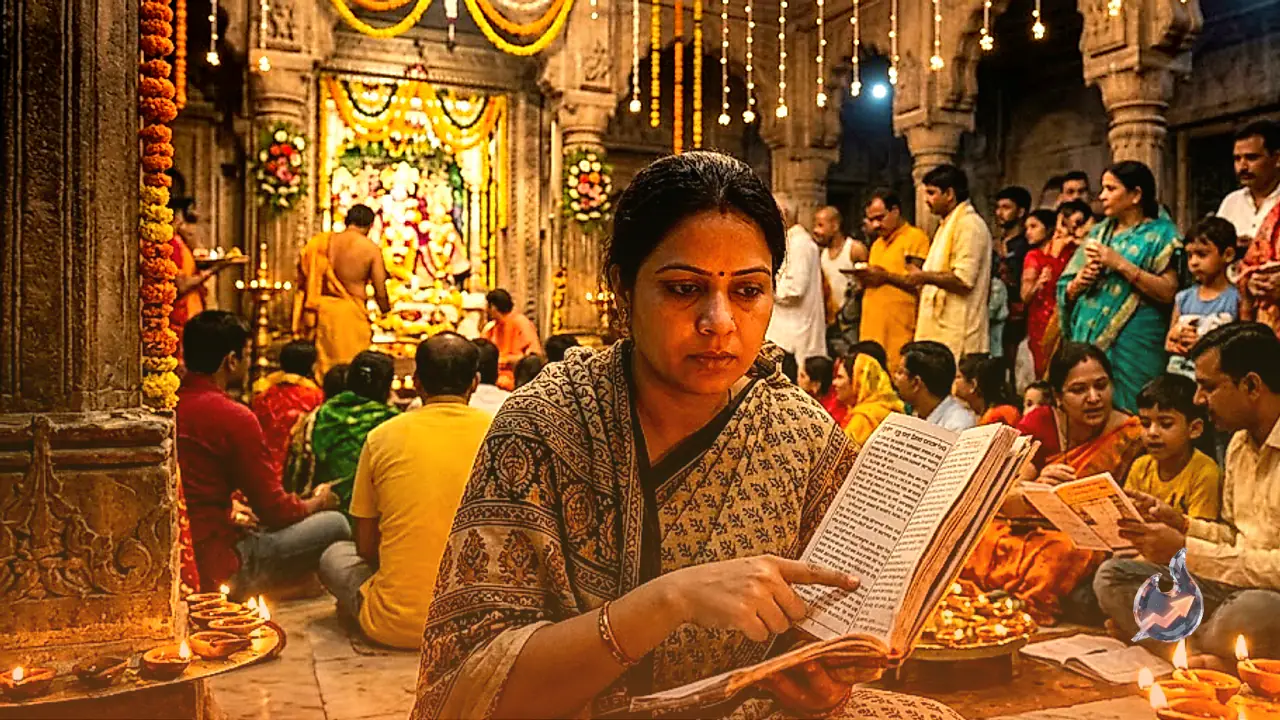
In Hindu belief, Lord Shiva is regarded as the master of every living being, spirit, yaksha, gandharva and unseen force in existence, and it is this dominion that earns him the name Bhootnath. The deity enshrined at this Jhansi temple is worshipped in precisely that form. Devotees hold an unshakeable belief that Bhootnath hears every prayer directed at him and grants his followers courage and strength when times get hard. That is why people arrive here asking for their family's wellbeing, good health, career success and relief from whatever troubles they are facing. Through the day, the temple complex echoes with chants of Har Har Mahadev, the ringing of bells and the recitation of mantras, keeping the entire atmosphere charged with devotion.
The Shivling and the Daily Rituals
The Shivling installed inside the temple is considered extremely old and, in the eyes of devotees, miraculous. Locals say that worship at this Shivling has continued without a break across several generations. Every day, large numbers of devotees offer water, milk, bel leaves, dhatura and flowers at the shrine. Mondays draw noticeably bigger crowds than other days of the week, a pattern common to Shiva temples across the country. A number of devotees return specifically to perform a special puja or Rudrabhishek once a wish they prayed for has been fulfilled. The belief that runs through all of this is simple, a prayer offered with a sincere heart reaches Bhootnath, and he continues to bless those who come to him.
Faith and the Wishes People Bring Here
Among devotees, there is a strong conviction that worshipping Bhootnath Mahadev clears away fear, crisis and hardship from one's life. Some come seeking a job, others pray for business growth, exam results, good health or a marriage to work out. Many longtime devotees say they have had unbroken faith in this temple for years, and that on every important occasion in their lives, this is the first place they come to bow their heads. That depth of belief is what sets the temple apart, and it shows on the faces of the people who walk through its gates, a mix of reverence and a very particular calm.
A Heritage That Spans Centuries
According to local belief, the temple is several hundred years old and forms an important part of Jhansi's religious and cultural heritage. The city around it has changed considerably over time, but the temple's identity and the devotion it commands have stayed constant. Families have passed down the temple's history and significance to their children across generations. From time to time, the temple also hosts religious rituals, bhajan-kirtan sessions and special puja programmes that draw large numbers of devotees. In doing so, the Bhootnath temple continues to keep Jhansi's old religious tradition alive even today.
A Calm Setting by the Lake
Because it sits right on the edge of Lakshmi Tal, the temple's surroundings are unusually scenic, adding to the sense of peace that visitors describe. The atmosphere turns even more devotional during the morning and evening aartis. The sound of temple bells, the murmur of prayers and the chanting of Shiva mantras fill the whole complex with a kind of spiritual energy. Many people come here not just for darshan but simply to sit quietly for a while, meditate and clear their minds.
Sawan and Maha Shivratri Bring a Flood of Devotees
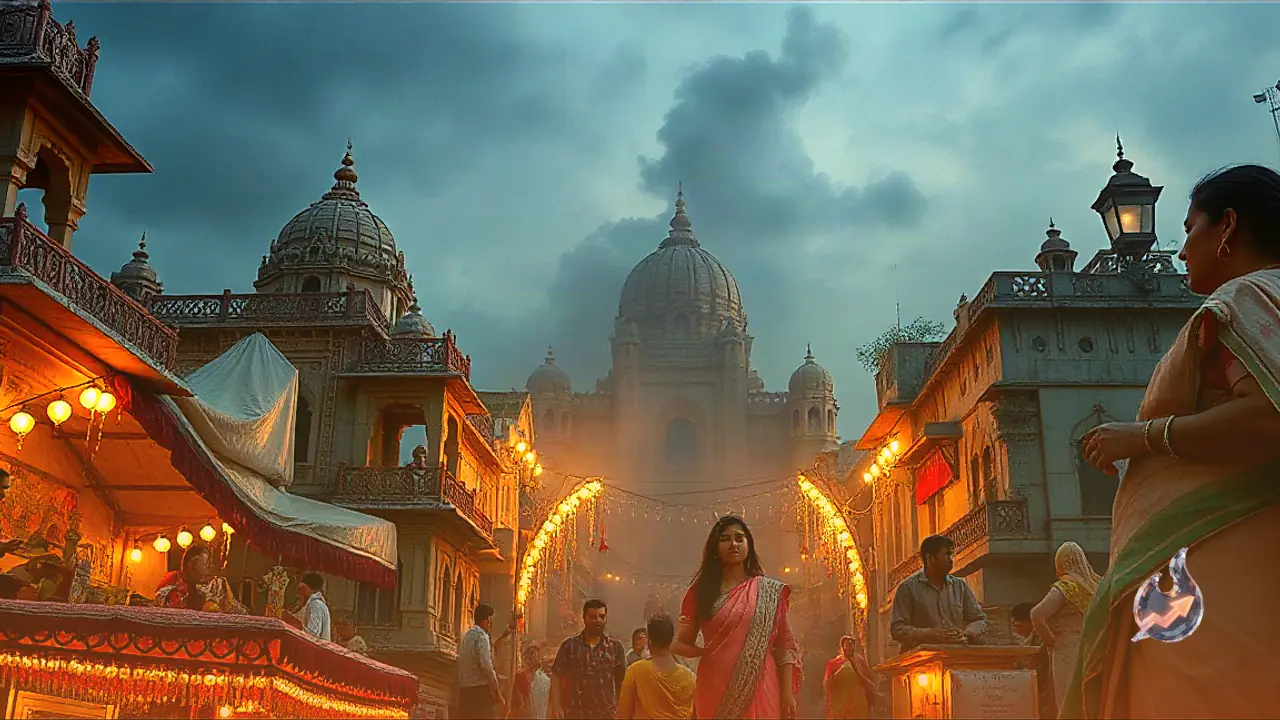
The temple's energy multiplies once the month of Sawan begins. Large numbers of Shiva devotees arrive every single day during this period to perform jalabhishek. On Maha Shivratri, the crowd swells into what can only be described as a flood of devotees. The temple is decorated with flowers and coloured lights, while bhajan-kirtan, puja and other religious programmes are held with full enthusiasm. Long queues of devotees form from early morning until late at night, and the entire temple complex reverberates with chants of Har Har Mahadev as devotees take part in the worship with great fervour.
A Symbol Tied to Jhansi's Identity
Even today, the Bhootnath temple stands as a strong symbol of Jhansi's faith, tradition and cultural identity. Every devotee who visits prays for happiness, peace and prosperity in their life after seeking Bholenath's darshan. The temple is not merely a place of worship, it has become a centre of people's emotions, faith and devotion. Crowds visit through every month of the year, but the temple's significance rises further during Sawan and Maha Shivratri. That is why people travel from far and wide to see Bhootnath Mahadev, and leave feeling blessed for having connected with this sacred site.