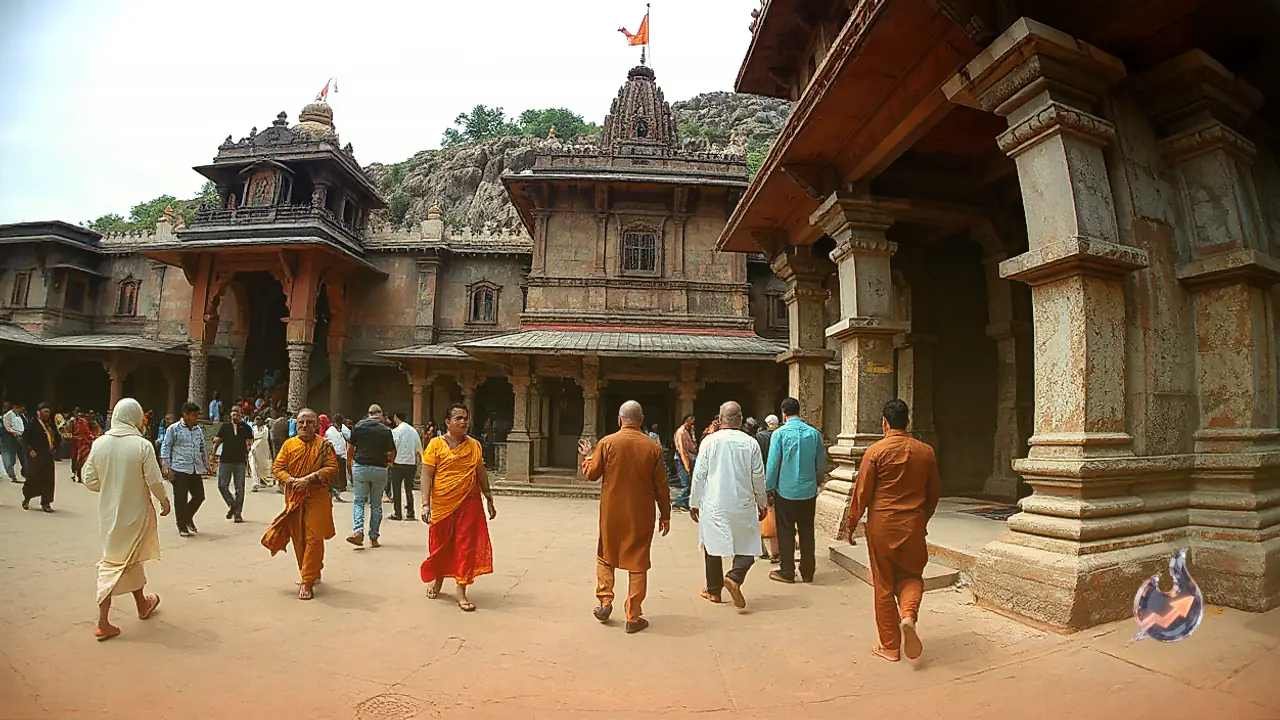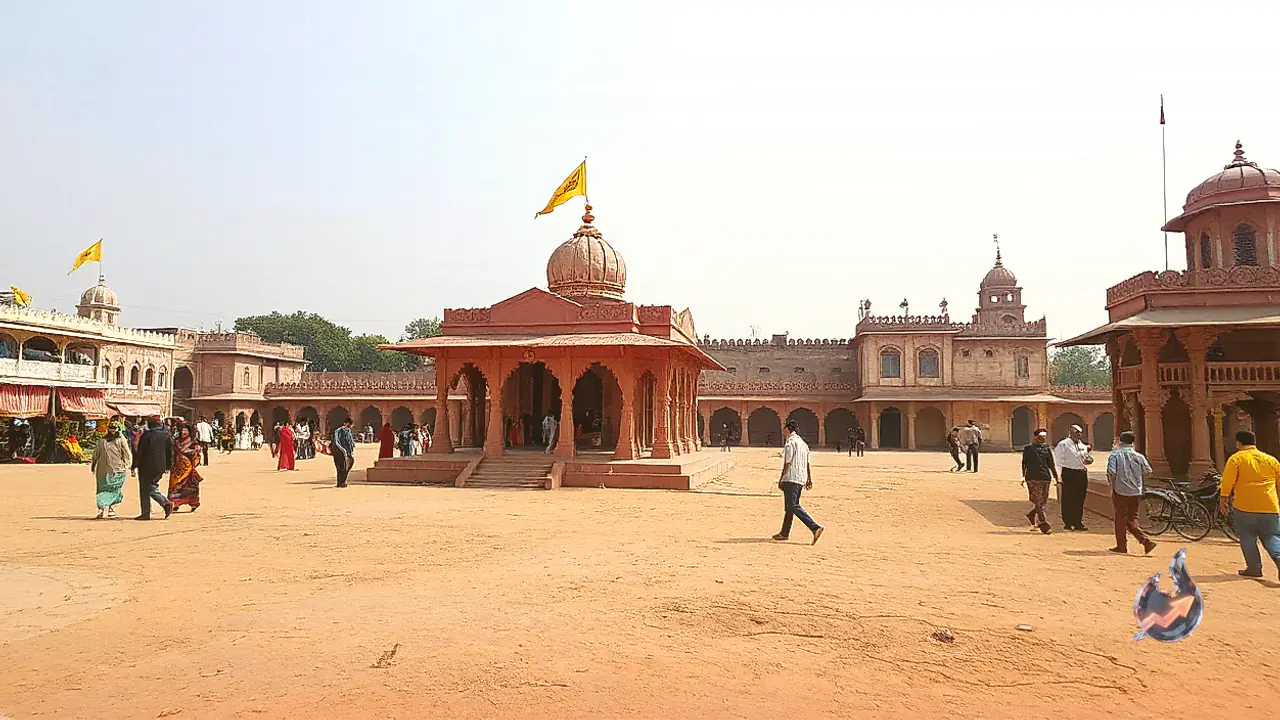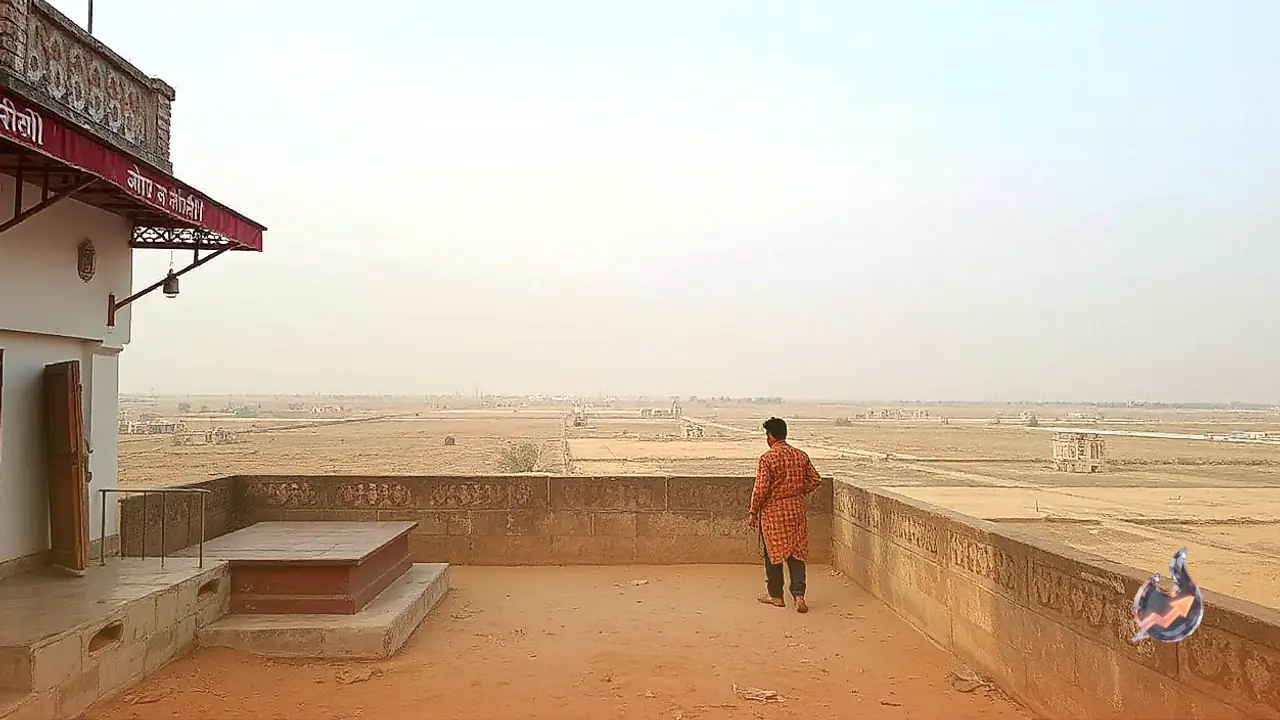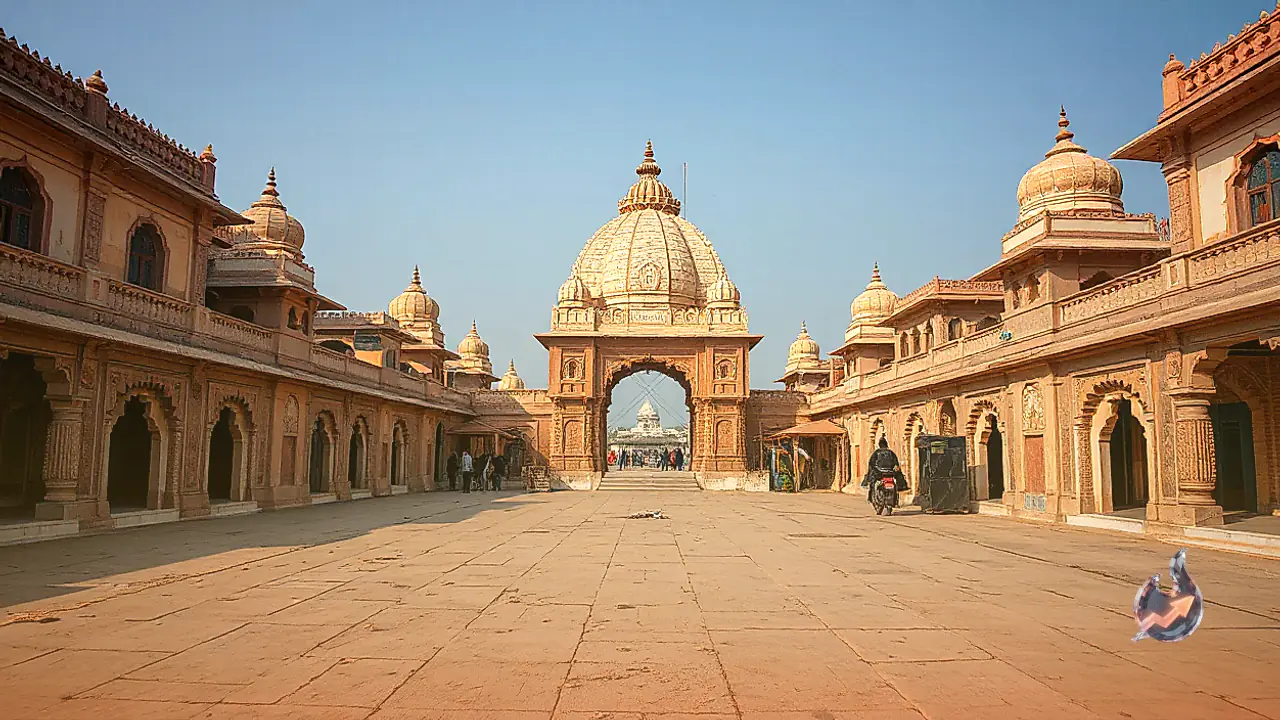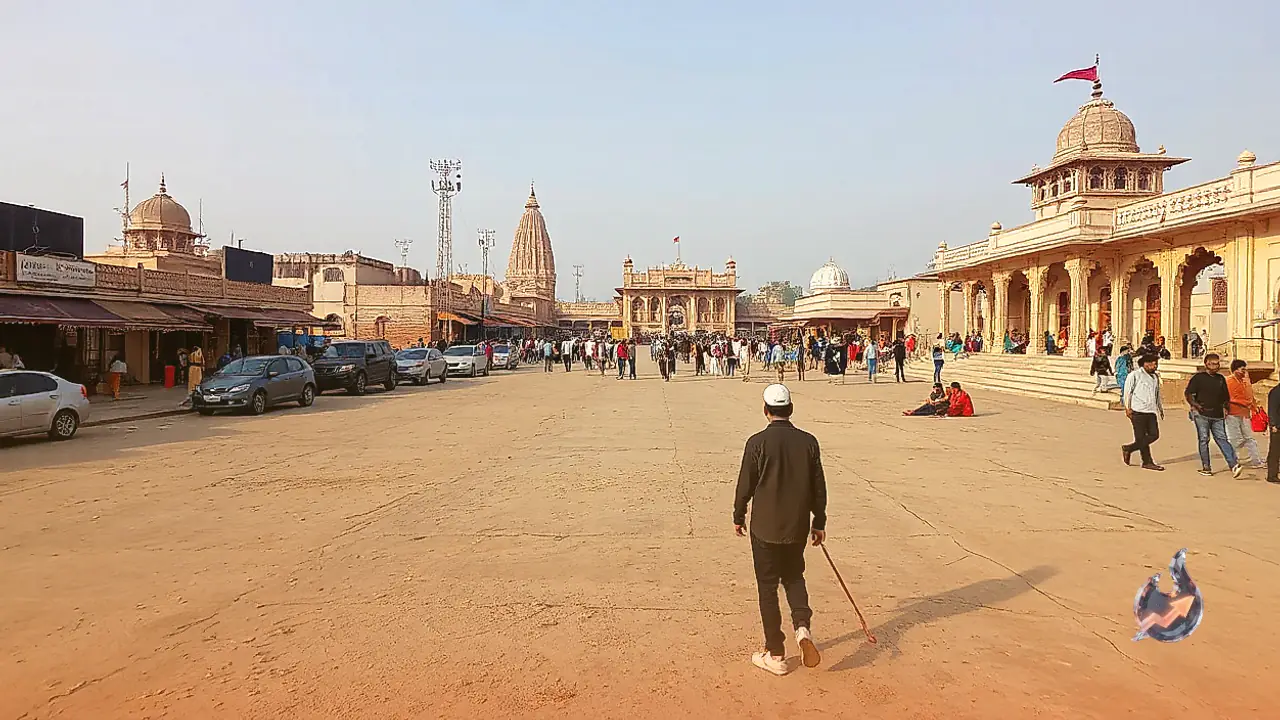

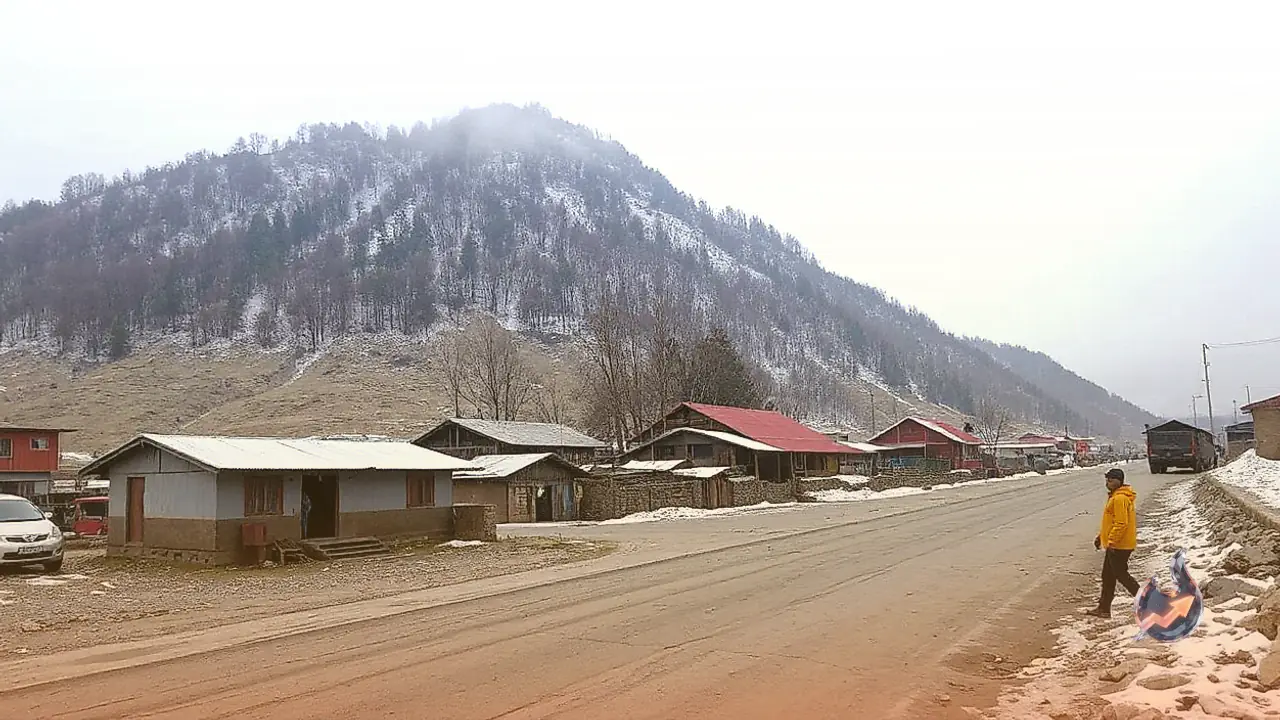
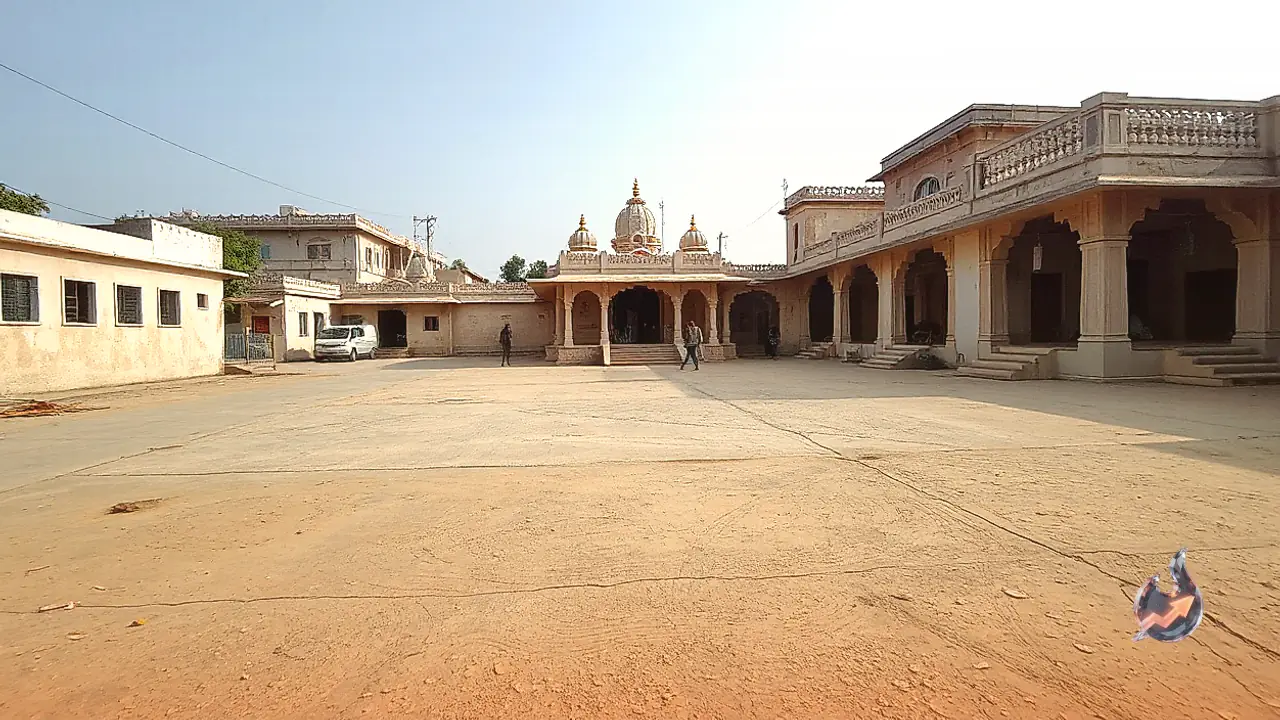















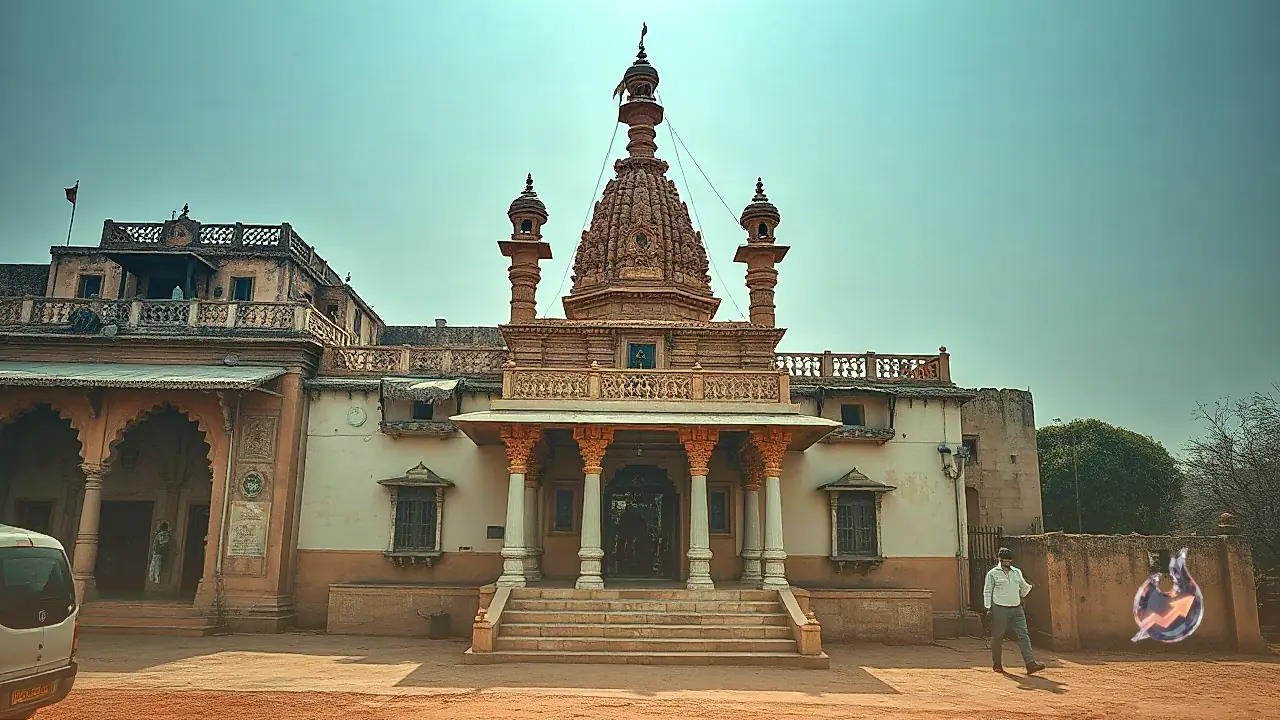

The historical Bali Fort, situated in the Pali district of Rajasthan's Marwar region, holds deep historical and spiritual significance. Standing at an elevation of nearly 20 feet within this fort complex is the ancient shrine of Mata Vachanadeh, revered by devotees as the Bol Majisa Temple. Dating back approximately 850 years, this sacred pilgrimage site predates the construction of Bali Fort itself. Honored as the ancestral deity (Kuldevi) of the Rajpurohit community, the temple attracts thousands of worshippers who come to seek blessings and experience its rich heritage.
Historical Roots Linked to Vikram Samvat 1206 and Marwar Tradition
Historical accounts and local traditions trace the roots of this sanctified shrine back to Vikram Samvat 1206. Across the Marwar region, the temple enjoys immense social and spiritual prestige. Positioned on an elevated rocky terrain inside the fort structure, it has served as the core spiritual anchor for the Rajpurohit community over generations. Tradition holds that while the fort was erected in later years to secure the territory, the shrine of the deity had already existed as a center of worship. Devotees visit the site to fulfill traditional vows and seek blessings for family health and prosperity.
The Sacrifice of Devpal Raigur and the Origin of Bol Majisa
According to Chunnilal Rajpurohit, a direct descendant of Mataji's lineage, the origin of the temple's unique name is rooted in an extraordinary historical event. During the royal era, Mata Vachanadeh's husband, Devpal Raigur, laid down his life while bravely fighting enemies on the battlefield. As Mata Vachanadeh prepared to perform Sati on her husband's funeral pyre, an unusual occurrence transpired at the sacred ground. Words of divine wisdom spontaneously flowed from her mouth during the rite. Because these miraculous words (bol) emerged as she ascended the pyre, the deity came to be worshipped as Bol Majisa, elevating the location into a renowned seat of divine power.
Unique Cave Architecture and the Rare Parrot-Nagdev Stone Carving
Moved by this miraculous event, the local ruler and members of the royal family joined hands to construct a grand temple building at the site. The architectural design of the shrine is distinctive: the deity resides inside a natural rock cave, directly above which the main temple structure was erected. Adding to the historical value of the complex is a rare, ancient stone carving situated nearby. This unique stone sculpture features a distinct figure of a parrot on one face and an image of Nagdev, the Snake Deity, on the other, reflecting the rare artistic traditions of medieval Rajasthan.
Community Management, Daily Rituals, and Chaitra Shukla Beej Festivities
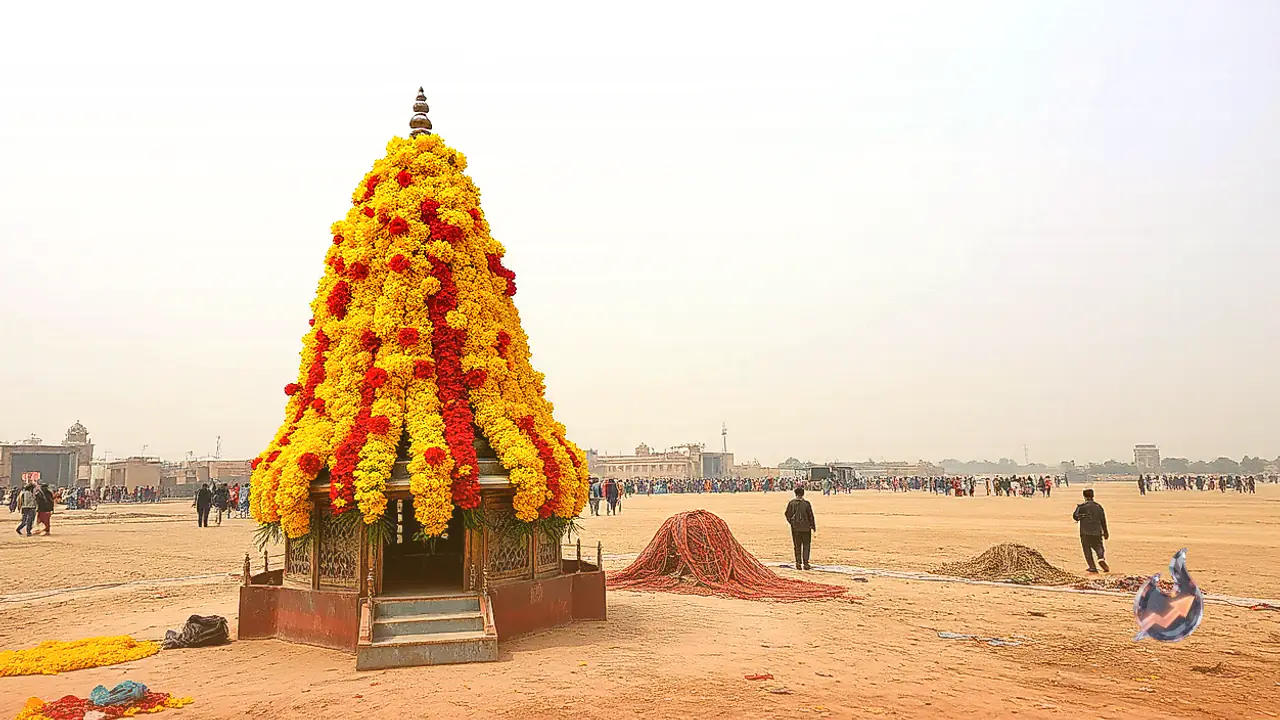
Today, the complete management and maintenance of the historical shrine are overseen by the Rajpurohit family and community. Daily worship services and ceremonial evening prayers (aarti) are conducted with strict devotion by the temple priest, Pandit Avdhesh Maharaj (Shrimali). The most significant event of the year takes place on the Dwitiya (Beej) tithi of the Shukla Paksha in the month of Chaitra. On this auspicious date, large gatherings of devotees assemble at the fort temple. The deity is adorned with a newly crafted traditional attire, a fresh ceremonial flag is hoisted atop the temple spire (shikhar), and special religious rites are performed for regional prosperity.