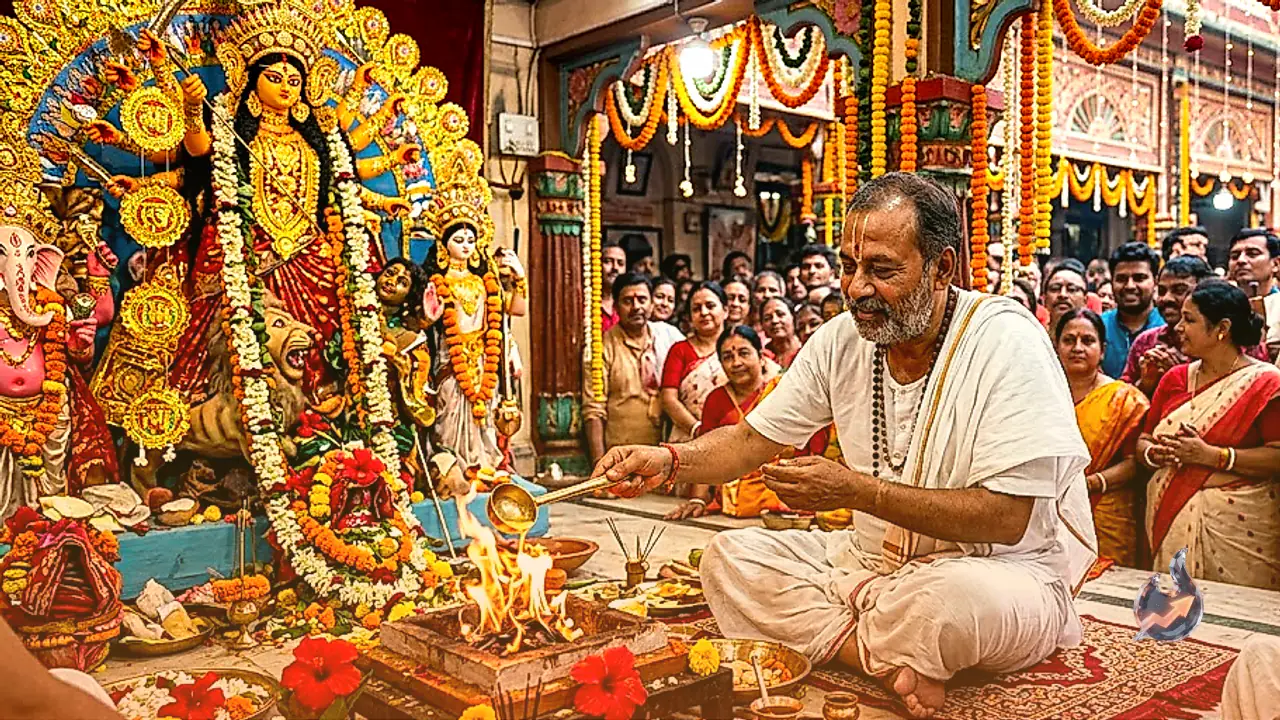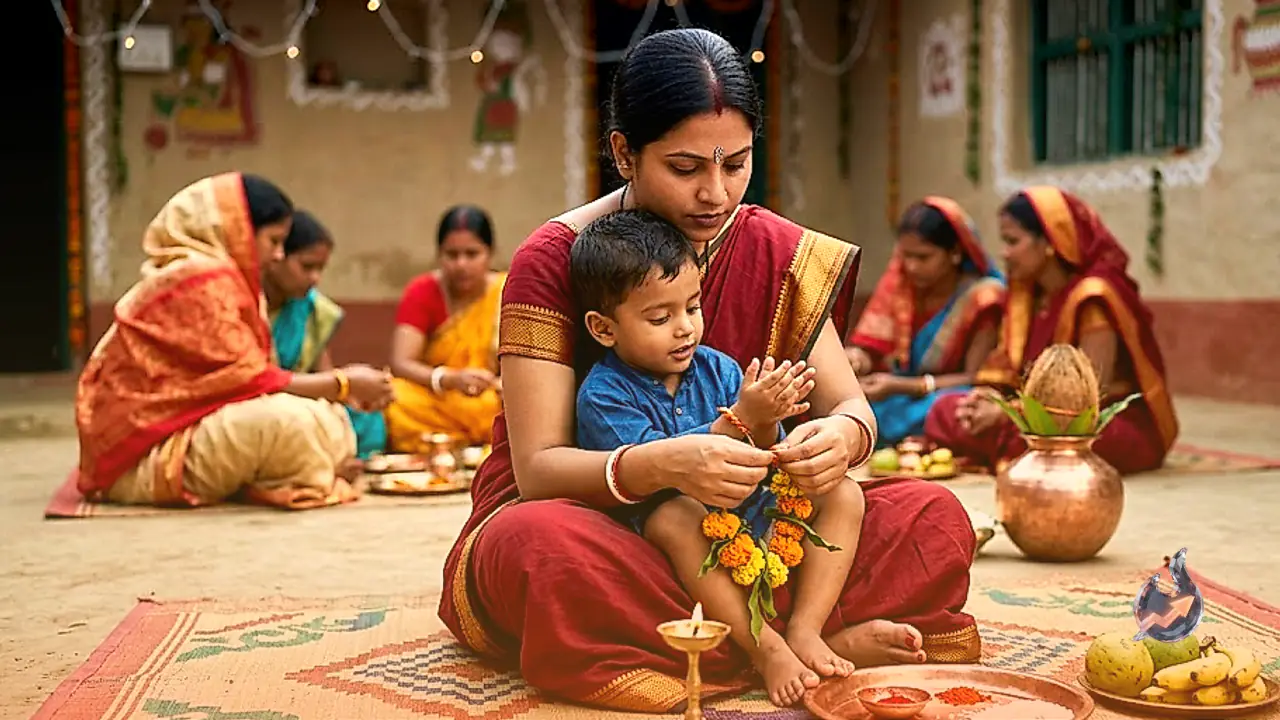


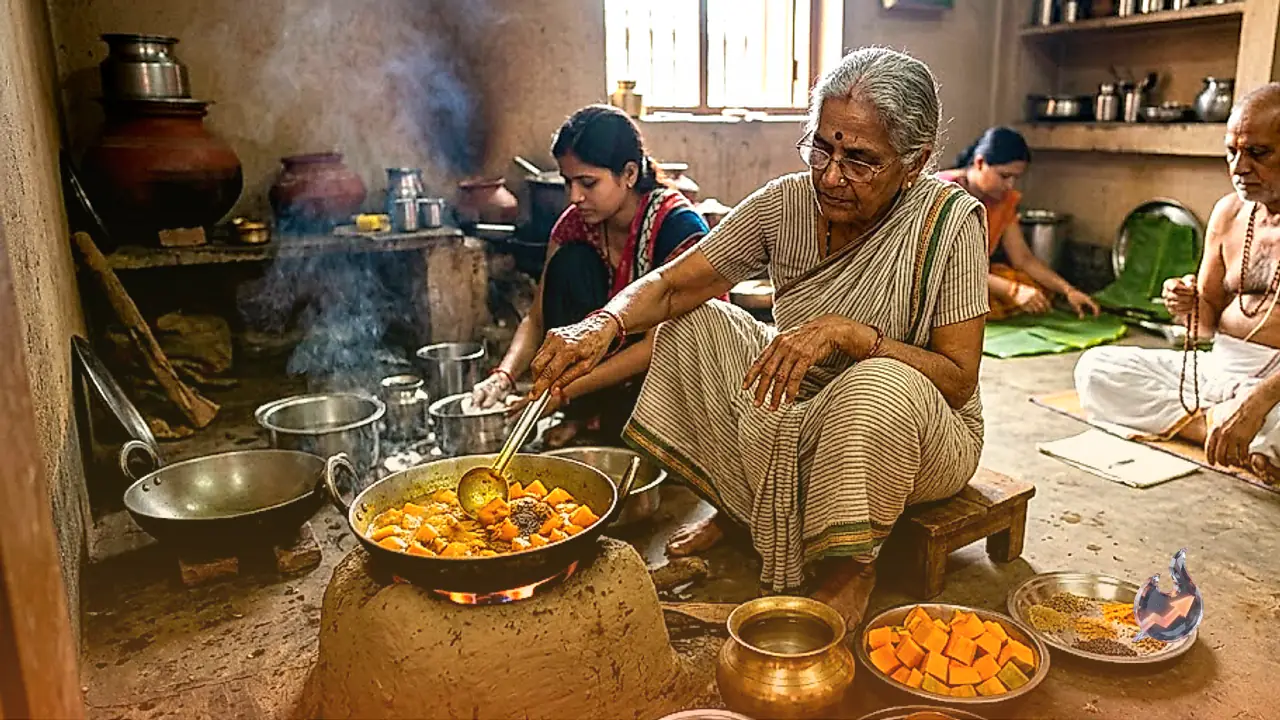



















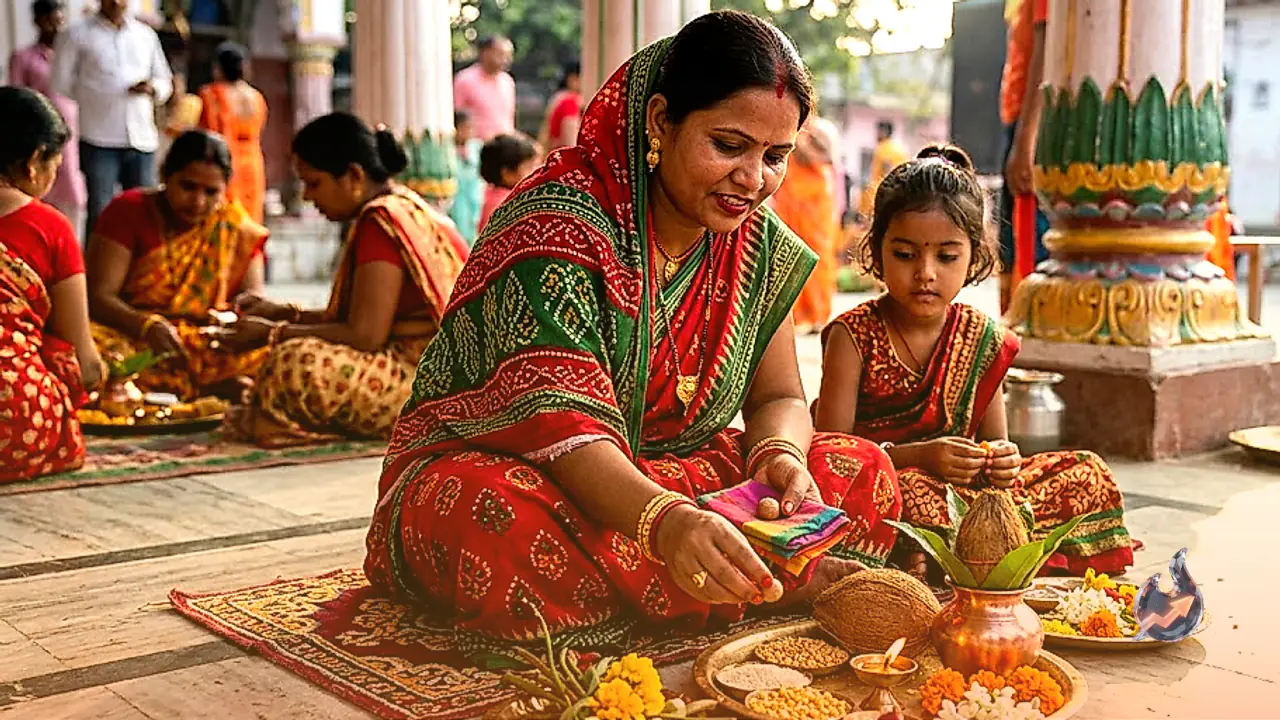

Mothers across various households are gearing up to observe the sacred Jitiya fast, an arduous religious penance undertaken exclusively for the longevity, health, and prosperity of children. Known for its rigorous discipline, this waterless fast holds immense cultural and spiritual significance. In 2026, the primary fast of Jitiya will take place on 3 October. In anticipation of the auspicious occasion, household preparations have begun in full swing, and local marketplaces are bustling with vendors stocking up on traditional ceremonial items. Performing the rituals strictly in accordance with traditional scriptures requires arranging every single item well ahead of the worship ceremony.
A Three-Day Observance of Rigorous Discipline
According to the Hindu lunar calendar, the auspicious Jitiya fast is observed on the Ashtami Tithi of the Krishna Paksha during the month of Ashwin. The sacred festival spans across three consecutive days, commencing with the traditional purification ritual known as Nahay-Khay. On the day following Nahay-Khay, participating women undertake a demanding waterless fast that lasts for around 36 hours. The penance concludes after sunrise on the final morning, when observers offer an Arghya to the Sun God and formally break their fast during the Paran ceremony. Traditional beliefs hold that observing this fast brings sustained peace, prosperity, and positive vitality to the entire family.
Complete Checklist of Essential Puja Materials
To ensure the rituals proceed seamlessly without last-minute omissions, devotees compile and organize a comprehensive array of ceremonial supplies in advance. The complete list of required items includes
- An idol or sacred representation of Lord Jimutavahana
- Fresh flowers and floral garlands
- Yellow ceremonial fabric
- Earthen lamps, wicks, dhoop, incense sticks, and camphor
- A copper pot and a holy Kalash or water vessel
- Vermilion, sacred red thread Mauli, Roli, sandalwood paste, and turmeric
- Holy Ganga water and Panchamrit
- A booklet containing the traditional Jitiya Vrat Katha
- A bamboo basket and a wooden ceremonial platform
- Red or yellow cloth covering
- Kusha grass, sacred cow dung, and clean water
- Akshat or whole unbroken grains of rice
- Fresh Durva grass
- Betel leaves, betel nuts, cloves, and cardamom
- Sacred red or yellow Jitiya thread
- Marua flour and Bajri
- Soaked grams, seasonal fresh fruits, and assorted sweets
- Freshly prepared Thekua and other traditional festive delicacies
Traditional Offerings and Holy Prasad
The sacred offerings presented before the deity during the ritual hold an integral role in completing the ceremony. Devotees offer a rich plate of Prasad comprising traditional Thekua, freshly cooked festive delicacies, traditional sweets, soaked whole grams, seasonal fruits, and Panchamrit. Organizing all these sacred offerings and ceremonial articles in a dedicated, clean space beforehand helps prevent any missing essentials during the prayers, allowing the family to conduct the proceedings with full devotion and serenity.