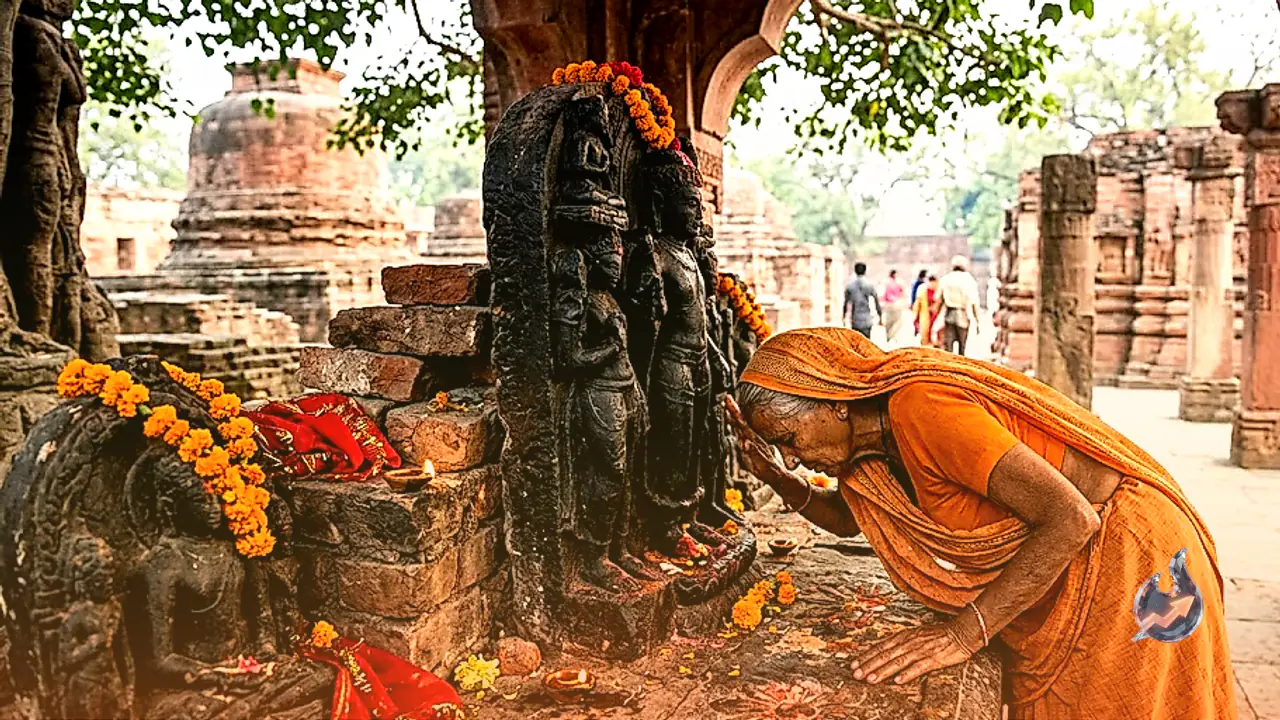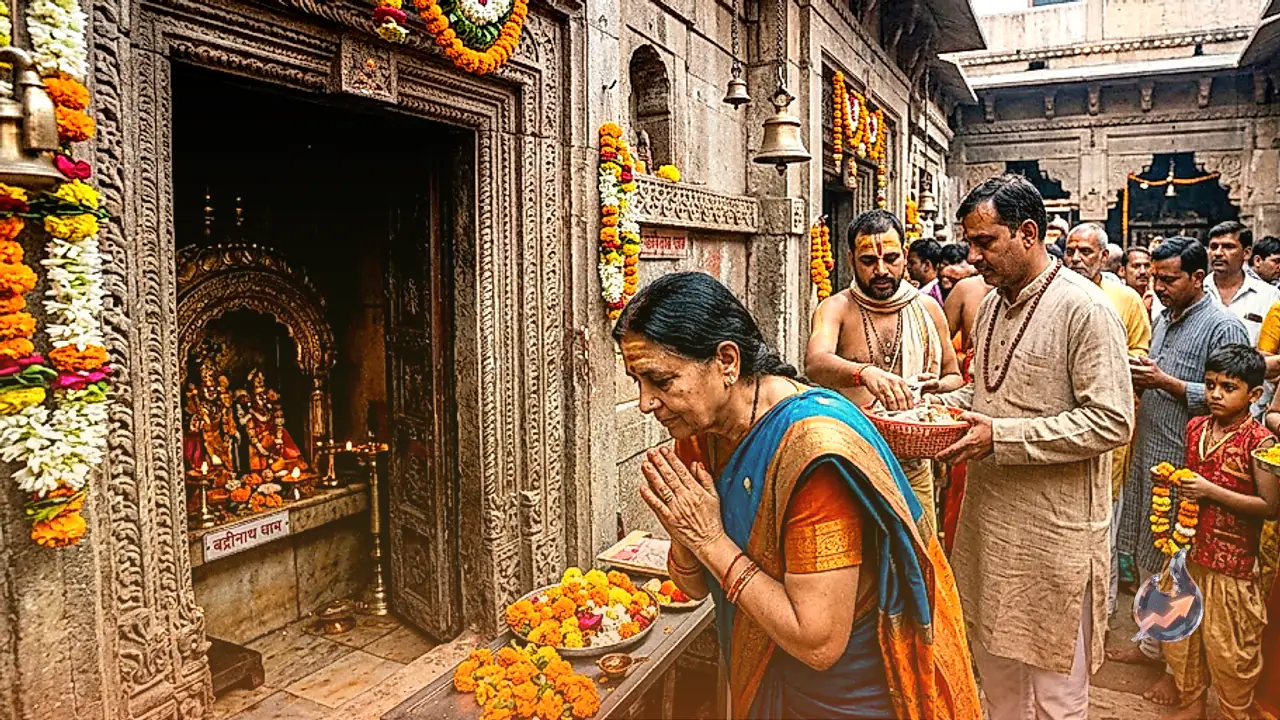























In Hindu tradition, the period of Pitru Paksha is dedicated to remembering ancestors, expressing deep gratitude, and honoring departed souls. The commemorative period is scheduled to commence on September 26, 2026. Throughout this period, families perform traditional rites including Tarpan, Pind Daan, and Shradh ceremonies. Because the fortnight requires disciplined adherence to specific customs and lifestyle restrictions, it is customary to settle essential personal grooming, auspicious commitments, and household tasks before the solemn rituals officially begin, thereby avoiding ritual transgressions linked to Pitru Dosha.
Essential Tasks to Finish Ahead of Shradh
Personal grooming and adornment are strictly regulated during Pitru Paksha according to traditional beliefs. Cutting hair, trimming or shaving beards, and clipping nails are traditionally considered inauspicious throughout the memorial period. The observance emphasizes restraint, simplicity, and solemn remembrance rather than outward vanity. Consequently, individuals needing a haircut, shaving, or salon services are advised to complete these arrangements well before the September 26 start date.
Similarly, major celebrations and auspicious milestones should be addressed ahead of time. Customs dictate putting major celebrations on hold during Pitru Paksha, including weddings, formal engagements, Roka rituals, housewarmings, or the inauguration of new commercial ventures. If an important celebration or family milestone is pending, settling it before the onset of the Shradh period is considered appropriate under traditional practices.
Household Purification and Removing Withered Plants
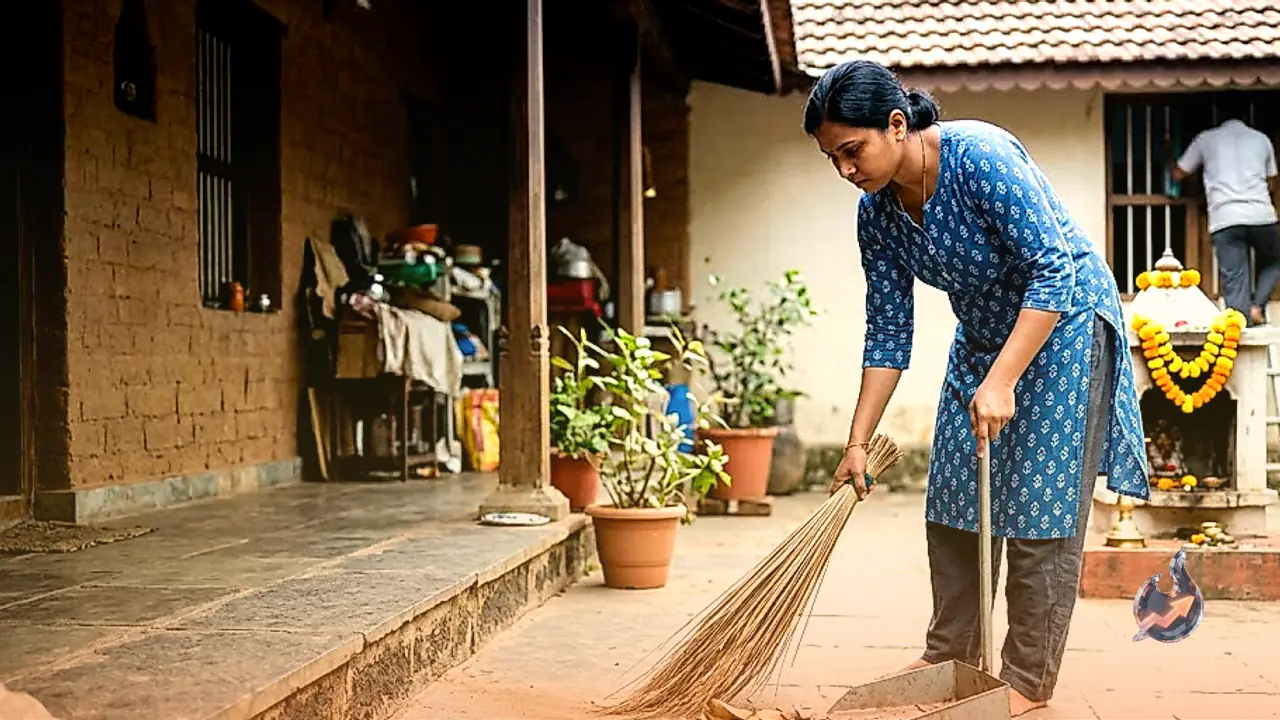
Preparing the living environment is another vital prerequisite before rituals commence. The entire home, especially the puja altar and the primary entrance, should undergo thorough cleaning. Discarding accumulated clutter, broken utensils, and damaged household items in advance ensures that the premises remain orderly, serene, and clean throughout the ritual period, aligning with the sanctity expected during ancestral offerings.
Plant arrangements in courtyards or balconies also warrant inspection. Any dead or completely dried vegetation in garden pots should be removed before Pitru Paksha begins. In particular, dried Tulsi plants carry a dedicated protocol requiring respectful immersion in flowing water. In traditional lore, leaving withered or decaying greenery inside domestic spaces is regarded as unfavorable and contrary to domestic harmony.
The Cultural and Spiritual Significance of Pitru Paksha
Spanning approximately 15 to 16 days, Pitru Paksha centers entirely on devotion and gratitude toward one's lineage. Devout observance through sincere Tarpan, Pind Daan, and Shradh offerings is believed to bring peace to departed souls and secure ancestral blessings for the family. Conversely, neglecting the customary codes of conduct during this fortnight is traditionally associated with difficulties attributed to Pitru Dosha.