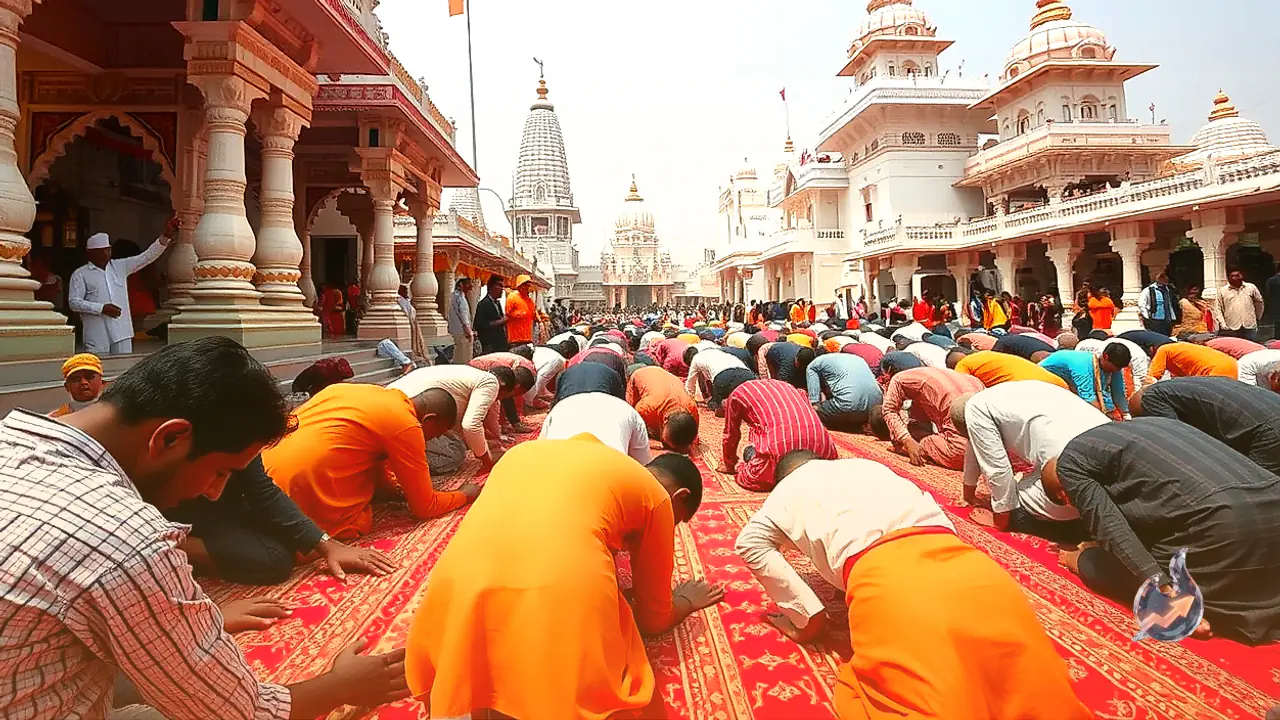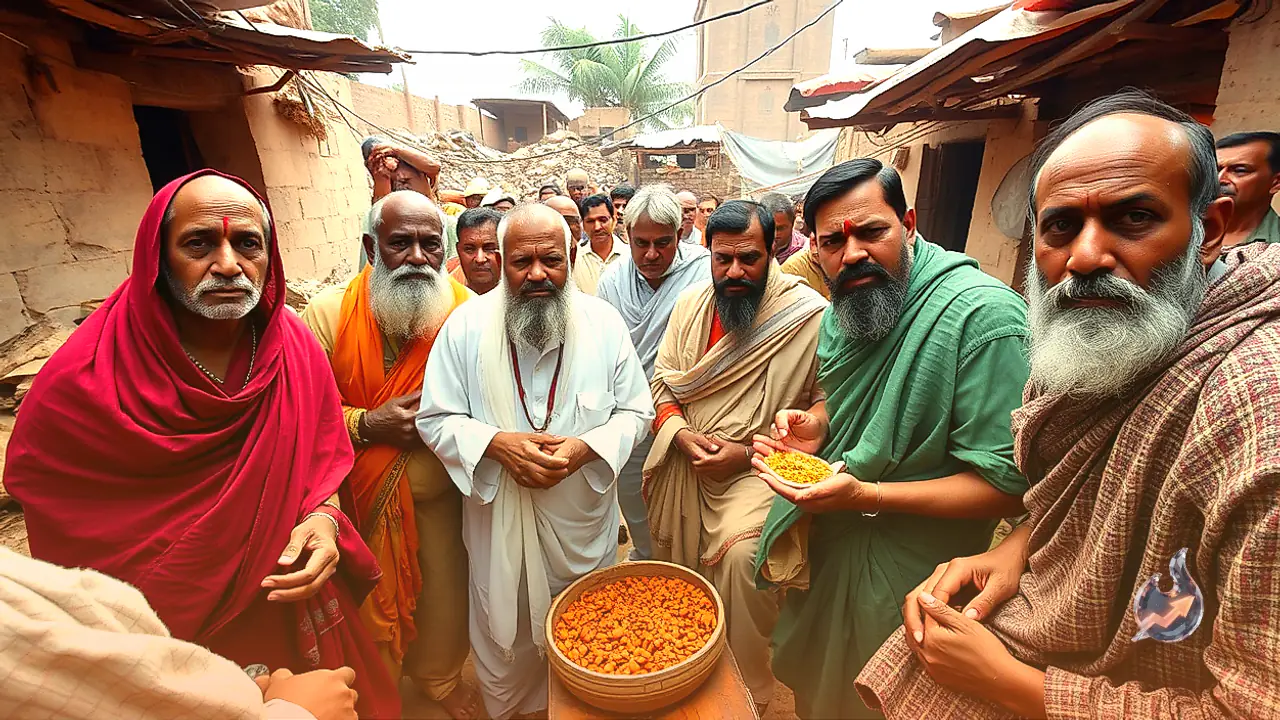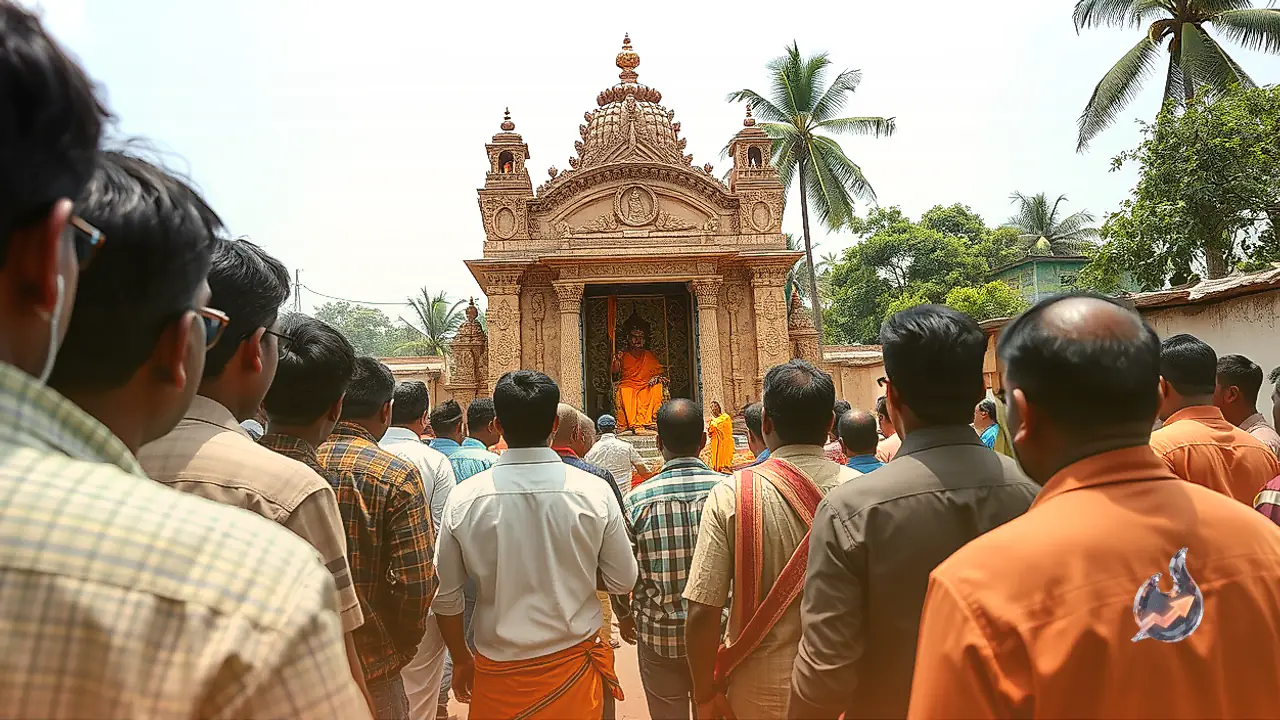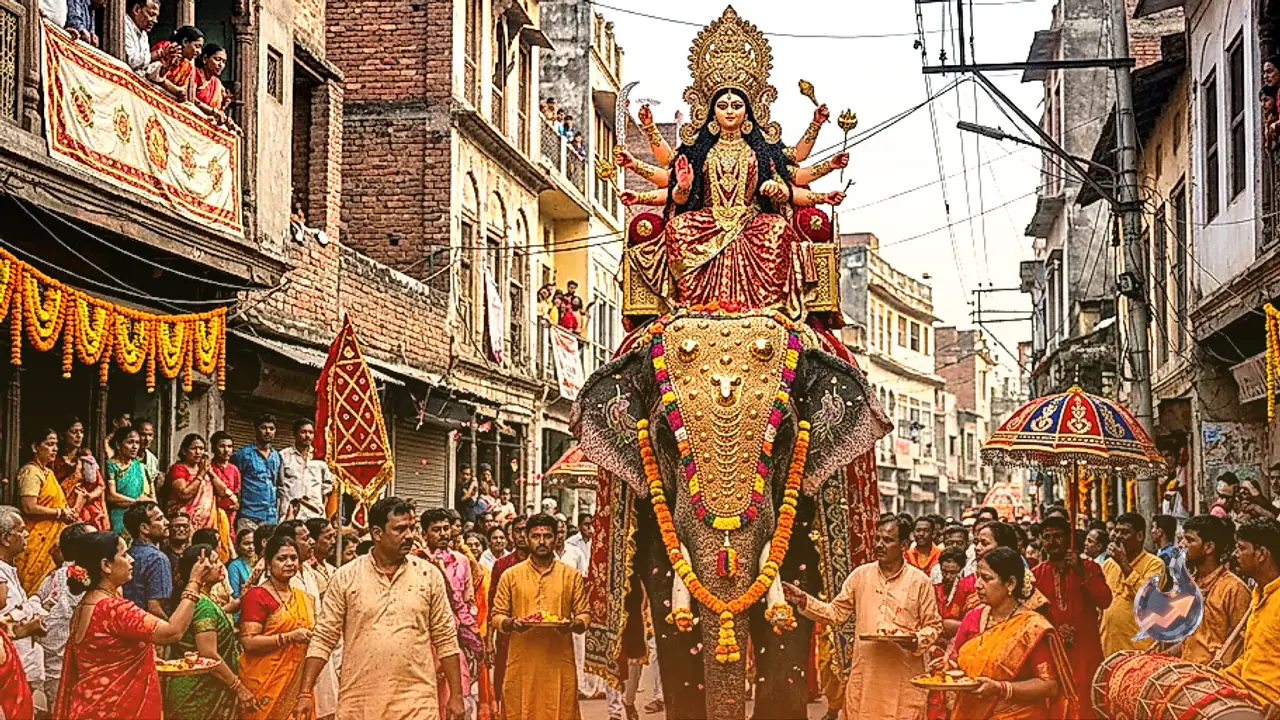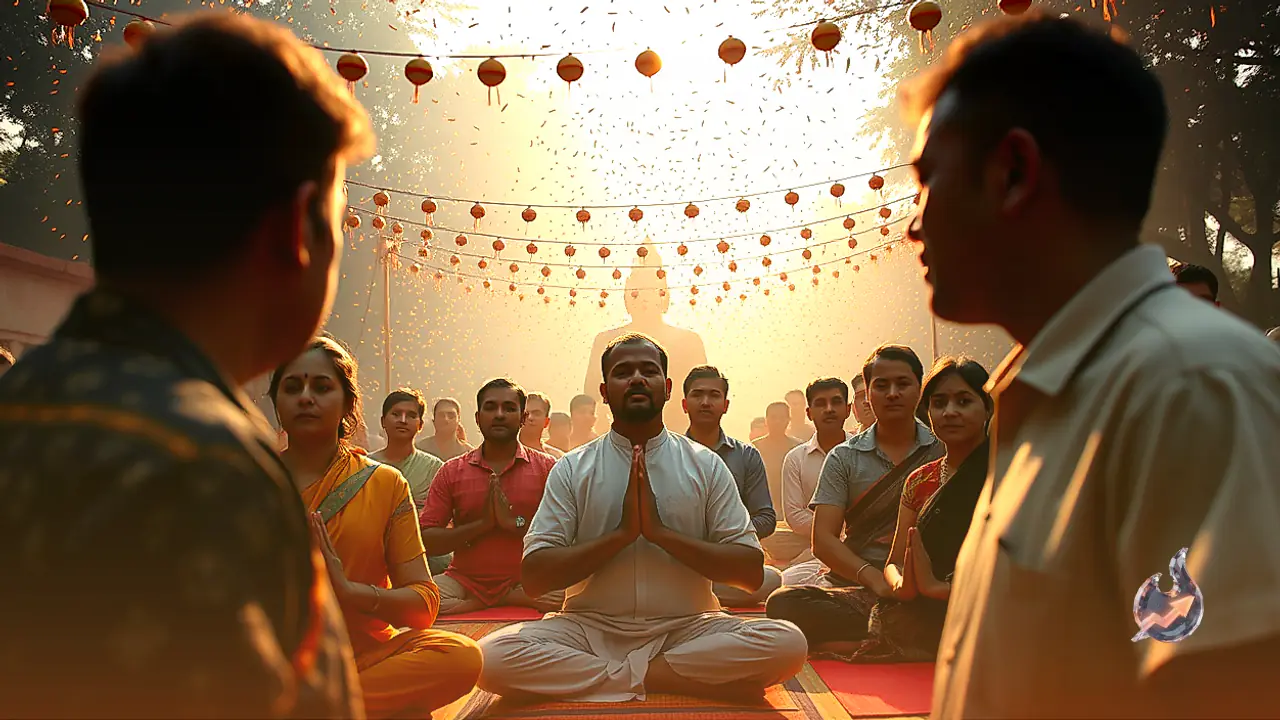


















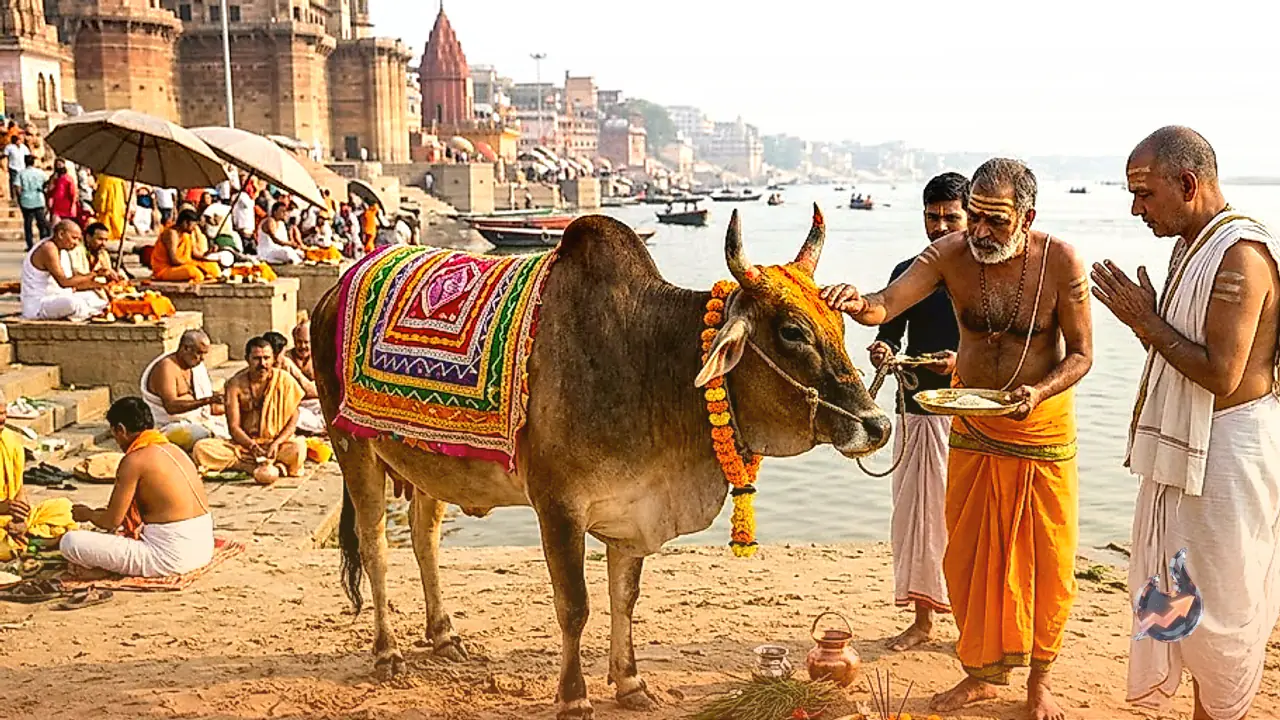

Within Sanatan tradition, the period of Pitru Paksha holds profound spiritual significance for honoring departed ancestors through tarpan, pind daan, and charitable deeds. Among various offerings recommended during this fortnight, godan, or the donation of a cow, occupies a uniquely sacred place. References across traditional beliefs and texts such as the Garuda Purana associate cow donation with the peace and liberation of ancestral souls. Because traditional belief holds that numerous deities reside within a cow, this gesture is considered extraordinarily meritorious and spiritually auspicious compared to ordinary acts of charity.
The Merits of Savatsa and Kapila Cow Offerings
Spiritual lore associated with the Garuda Purana outlines diverse classifications of cow donation based on specific characteristics. Donating a healthy milch cow is considered an exceptionally elevated deed. Offering a cow alongside her calf is known as Savatsa godan, which is regarded as particularly fruitful and spiritually rewarding. Similarly, donating a Kapila cow, distinguished by a reddish or brown coat, is believed to carry special spiritual efficacy. These specific offerings are traditionally undertaken to ensure ease, spiritual merit, and blessings for preceding generations.
Prescribed Protocols and Observance of the Ritual
Specific guidelines are traditionally followed when selecting a cow for donation. Religious custom specifies that the animal should not be aged or infirm, and both its horns and hooves should be completely healthy and radiant. Donors are also encouraged to offer money or gold alongside the animal according to their personal financial capacity. In addition, the prescribed ritual includes placing clarified butter, milk, and sesame seeds in a dedicated vessel and offering them near the cow's tail along with sacred kusha grass. Completing these formal steps ensures the offering aligns with classical customary expectations.
Vaitarani Crossing, Panchadhenu and Liberation of 21 Generations
The philosophical reasoning behind godan is deeply connected to navigating the afterlife. Traditional belief maintains that performing this donation during periods of crisis or near the culmination of life smoothens the soul's journey beyond the mortal plane. The ritual donation termed Panchadhenu is believed to grant release from severe hardships and past misdeeds. Traditional lore particularly emphasizes its role in easing the crossing of the mythological Vaitarani river. Properly executed tarpan coupled with cow donation is believed to bring spiritual salvation to 21 ancestral lineages. During the accompanying pind daan rites, individuals traditionally hold silver, gold, copper, sesame seeds, or kusha grass in their hands while completing the offerings.
Appropriate Recipients and Venues for Cow Donation
Scriptural customs emphasize that donations must be directed toward worthy recipients to fulfill their religious purpose. Traditionally, a cow donation may be respectfully made to an eligible and qualified Brahmin. Alternatively, donors may perform this offering at an established gaushala, ensuring that the animal receives dedicated shelter, nourishment, and sustained care in an ethical environment.