




















Pitru Paksha concludes on the Amavasya tithi of the Krishna Paksha in the month of Ashwin, widely known across traditional observances as Pitru Amavasya or Sarva Pitru Amavasya. Within Hindu spiritual traditions, this particular day holds immense importance because performing rituals such as Shradh and tarpan is believed to satisfy all departed ancestors whose exact death anniversaries may not be known. In the year 2026, Sarva Pitru Amavasya falls on October 10. Observing dedicated rites, offering pind daan, and undertaking charitable acts on this occasion are believed to bring the benevolence of forefathers into one's household, turning lingering difficulties into peace, health, and prosperity. For anyone unable to perform rituals throughout the fortnight, this concluding day acts as a complete opportunity to fulfill ancestral obligations.
Chanting Sacred Mantras and Prayers
Reciting specific prayers on Sarva Pitru Amavasya is recommended to invoke ancestral grace and soothe unsettled energies. Devotees may also recite the Pitru Chalisa with devotion during their morning or afternoon prayers. Among the sacred chants, three primary mantras carry great significance for this occasion. The first is 'Om Pitribhyah Namah', a direct salutation offering reverence to the departed souls. The second potent chant is 'Om Shri Sarva Pitru Dosha Nivaranaya Klesham Ham Ham Sukha Shantim Dehi Phat Swaha', intended to neutralize Pitru Dosha and restore peace and harmony in the home. The third revered hymn is 'Om Devatabhyah Pitribhyashcha Mahayogibhya Eva Cha, Namah Swadhayai Swahayai Nityameva Namo Namah', which honors both divine beings and ancestral spirits, ensuring comprehensive spiritual blessings.
Performing Tarpan with Prescribed Rules
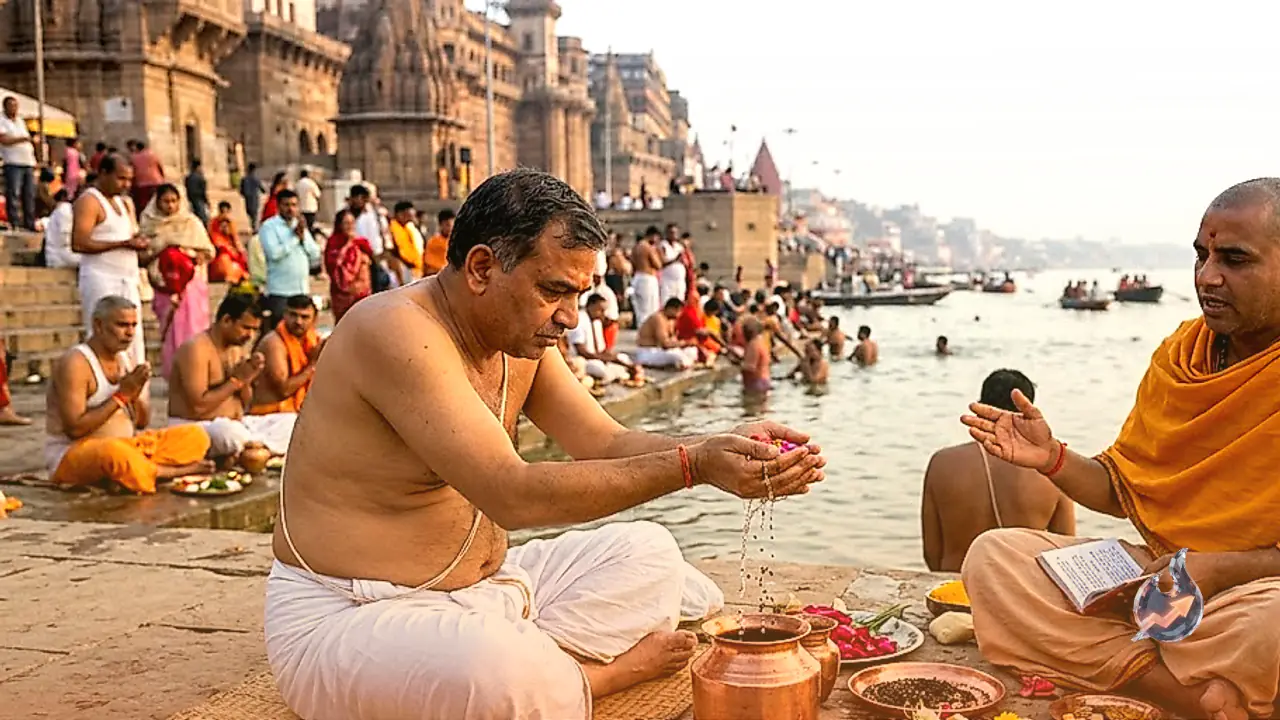
Offering consecrated water through tarpan stands as one of the central duties on Sarva Pitru Amavasya. While performing tarpan, the practitioner must face the south direction, as traditional scriptures associate the southern quarter with ancestral realms. The water used for the offering should be mixed with black sesame seeds, raw milk, kusha grass, and unbroken rice grains (akshat). The water is poured from the palms specifically through the space between the thumb and the index finger. In sacred texts, this specific part of the hand is revered as the Pitru Tirtha. Offering water through this posture is believed to reach the ancestors directly, granting them satisfaction and eliciting longevity, success, and protection for the entire family line.
Lighting an Oil Lamp Under the Peepal Tree
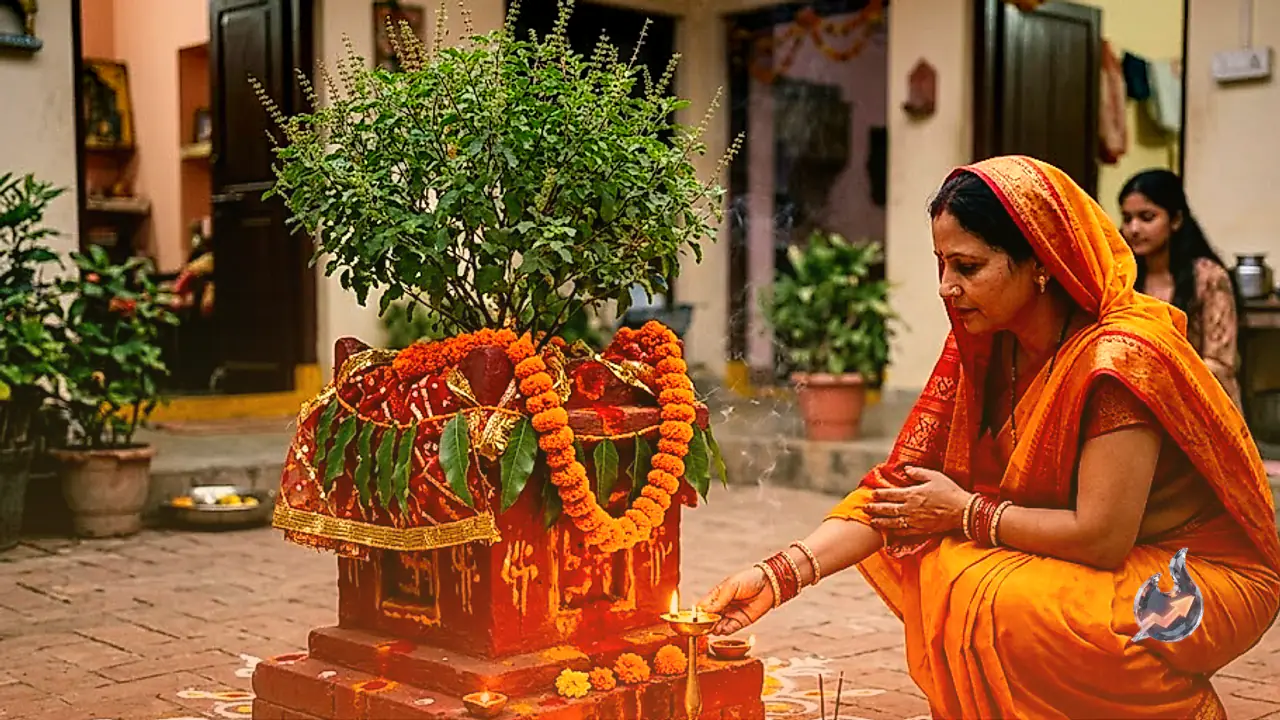
According to long-standing religious beliefs, ancestral spirits reside within the sacred Peepal tree alongside celestial energies. Consequently, serving this tree on Sarva Pitru Amavasya holds exceptional value. Devotees should pour clean water at the roots of the Peepal tree early in the day following purification. In the evening, a mustard oil lamp should be placed beneath the tree. This ritual is thought to illuminate the spiritual path of departed souls and alleviate distress. Engaging in this simple yet meaningful rite helps quiet negative planetary and ancestral afflictions, fostering inner peace and household stability.
Donating Food Grains and Feeding Animals
Charity in the memory of ancestors forms another essential pillar of observance on this day. On Sarva Pitru Amavasya, one should generously distribute cooked meals or raw food grains to people in need. In addition, traditional customs emphasize feeding living creatures, including cows, dogs, crows, and ants. It is believed that offerings made to these beings directly satisfy the forefathers, who accept devotion through varied forms of life. Feeding them helps dissolve karmic obstacles, bringing positive transformations, spiritual relief, and progress in delayed endeavors.
Lighting a Four-Wick Lamp Facing the South
To dispel negative energies from the living space, a four-faced lamp (chaumukhi deepak) should be lit in the south section of the residence during the evening of Sarva Pitru Amavasya. While illuminating the lamp, one must fold hands and sincerely pray for forgiveness regarding any unintentional mistakes, neglect, or shortcomings toward departed elders. According to spiritual beliefs, genuine repentance pleases the ancestors, clearing energetic blockages and ushering constructive changes into domestic life. Even if an individual finds it difficult to complete all five practices, undertaking even a single ritual with pure intention and humility can attract ancestral goodwill.