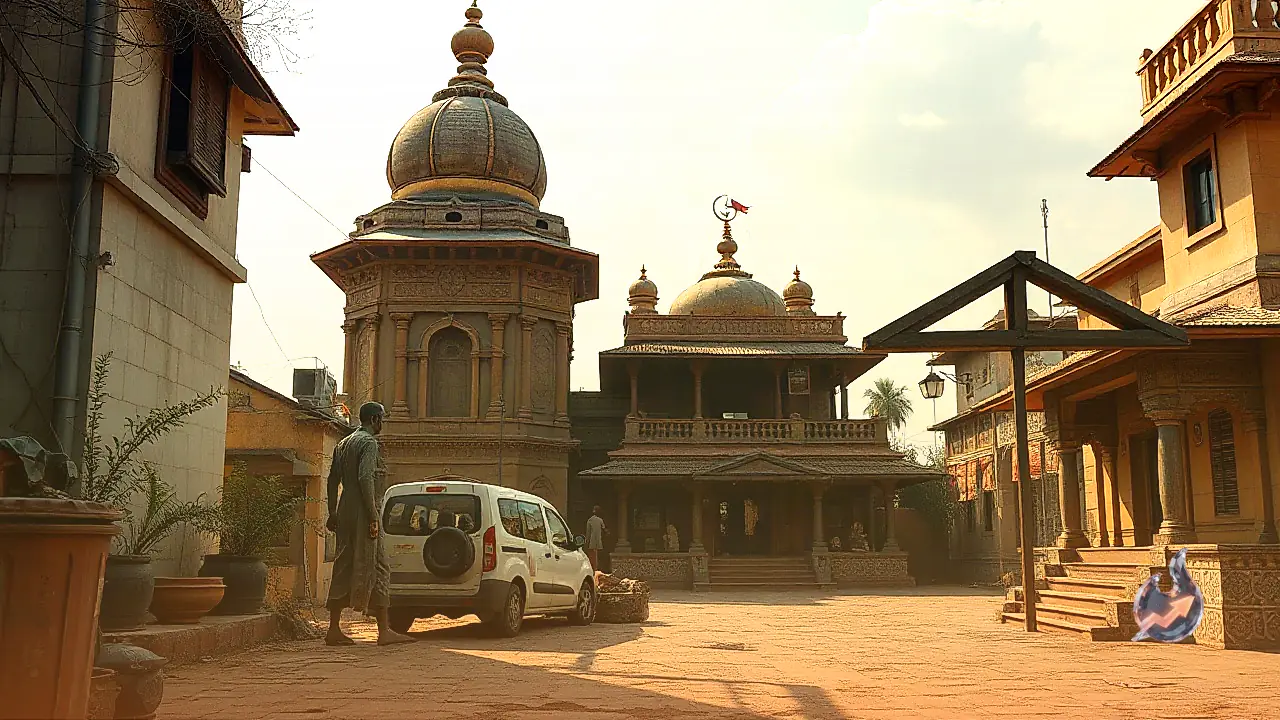


















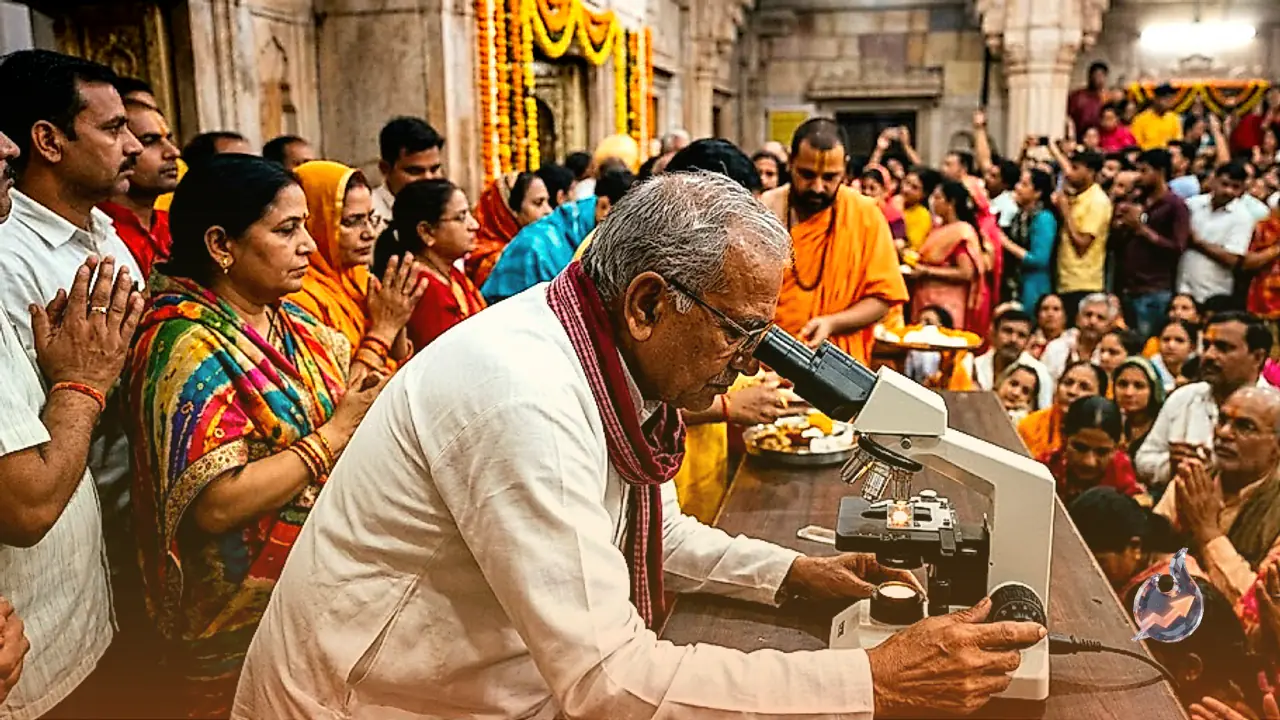

In the historic town of Khandela within Rajasthan's Sikar district, an extraordinary spiritual custom continues to fascinate visitors and devotees from across the region. At the centre of this reverence stands the renowned Bihariji temple, an ancient shrine holding a singular place in local heritage. The primary sanctum houses a divine image of Lord Krishna whose features closely mirror the celebrated deity at the Banke Bihari temple in Vrindavan. Alongside this sacred presence rests an exceptionally rare miniature idol of Radha, dating back approximately 600 years. Measuring a mere 2.5 centimetres in height, the sculpture is so miniature that discerning its sacred features with the naked eye is nearly impossible.
Annual Sixty Minute Public Viewing Window Through Magnification
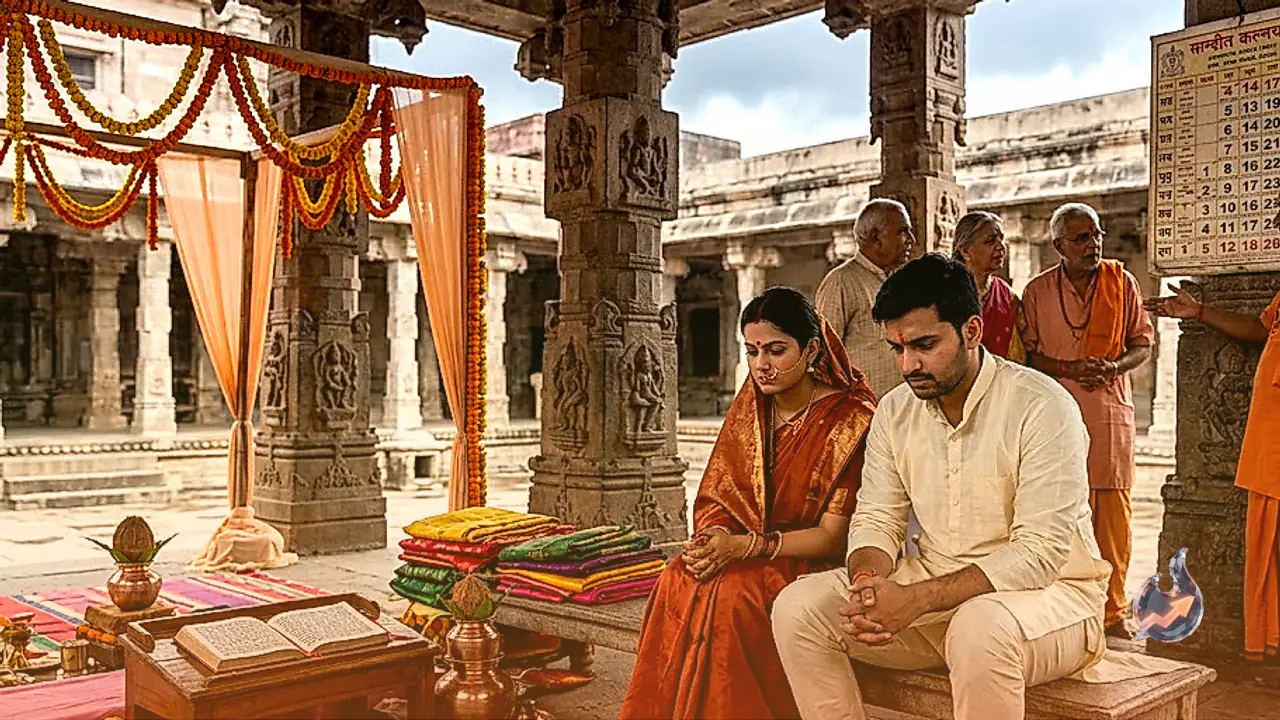
What makes this sacred site particularly remarkable is that public viewing of this miniature idol occurs strictly once a year, and only for a duration of sixty minutes. To facilitate this extraordinary viewing experience, temple administrators arrange optical microscopes within the assembly hall, allowing visiting worshippers to witness the delicate craftsmanship and spiritual form of the small deity. Vast gatherings of Krishna followers assemble specifically to catch this brief glimpse. Temple priest Bihari Lal Pareek explained that on Saturday, on the sacred occasion of Radha Ashtami, thousands of pilgrims lined up in the assembly hall between 10:00 AM and 11:00 AM to view the historic relic under magnification.
Consecration Rituals and Two Major Annual Celebrations
Bihari Lal Pareek shared that the temple community marks the auspicious birthday of Radha with specialized sanctification rituals, recitations, and ceremonial offerings. According to the priest, the calendar at Bihariji temple revolves around two prominent celebratory events each year: Krishna Janmashtami and Radha Ashtami. During the festival of Krishna Janmashtami, the holy image of the Lord undergoes a traditional bath prepared using sacred herbal concoctions. A fortnight later, the atmosphere shifts to honoring Radha on Radha Ashtami, culminating in the festive morning hour when the 2.5-centimetre treasure is presented for communal reverence before returning to protected care.
Legacy of Karmiti Bai Revering the Meera of Shekhawati
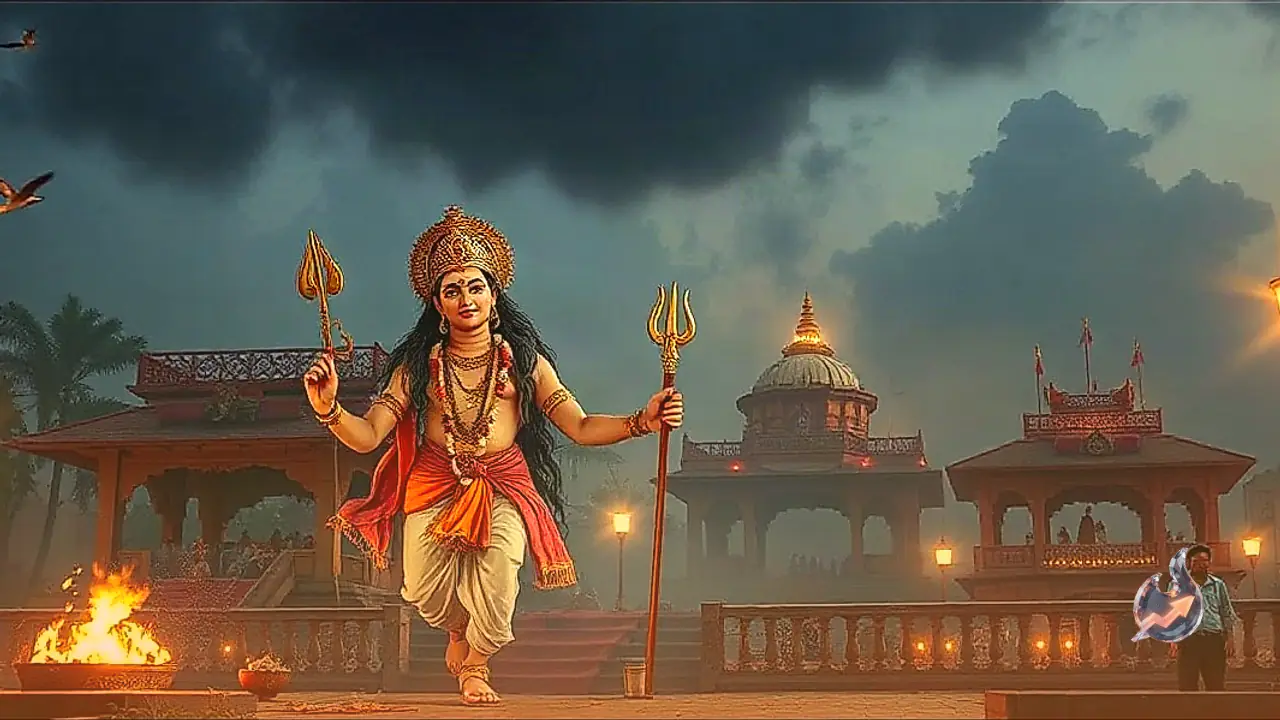
Behind this tiny religious treasure lies a poignant six-century-old chronicle of renunciation and devotion. Temple records and the officiating priest connect the miniature idol directly to Karmiti Bai, a revered mystic popularly celebrated across the countryside as the Meera of Shekhawati. Accounts of her extraordinary detachment are documented in the traditional biographical text Bhaktamal. According to religious accounts, immediately following her wedding celebrations on the very night of her Gauna ceremony, Karmiti Bai renounced worldly comforts and set out on foot toward Vrindavan. Tradition holds that Lord Krishna manifested before her in the guise of an ascetic sadhu to offer her food along the demanding pathway.
Sacred Gifts from the Banks of the Yamuna
When her father Parashuram, who served as a royal priest, pursued her to Vrindavan in an attempt to escort her back to familial life, Karmiti Bai gently declined to return to domestic society. It is said that she retrieved an idol of Lord Krishna from the waters of the sacred Yamuna River, presenting it to her father while inspiring him toward dedicated spiritual contemplation. Priest Bihari Lal Pareek noted that under this same spiritual transmission, she entrusted the miniature 2.5-centimetre Radha idol to her father. In subsequent decades, both sacred representations found their permanent residence at the Bihariji temple in Khandela, inaugurating an unbroken ritual line that spans centuries.
Royal Patronage Near the Sacred Waters of Brahmakund
Parashuram held the position of court priest under the contemporary Shekhawat monarch. Deeply moved by his daughter's profound spiritual absorption and scriptural discourses, he gradually detached himself from courtly duties to immerse entirely in devotion. Intrigued by this transformation, the ruling Shekhawat ruler traveled in person to Vrindavan to witness her life firsthand. Observing her ecstatic devotion and longing along the Yamuna riverbanks, the monarch was profoundly touched by her saintliness. At his direction, a dedicated hermitage was constructed for Karmiti Bai near the sacred site of Brahmakund, and the king himself embraced a life of spiritual devotion. Today, this profound heritage endures inside Khandela's Bihariji temple, where a six-century-old tradition, an unyielding legacy of faith, and an annual one-hour glimpse through a lens keep history vibrantly alive.