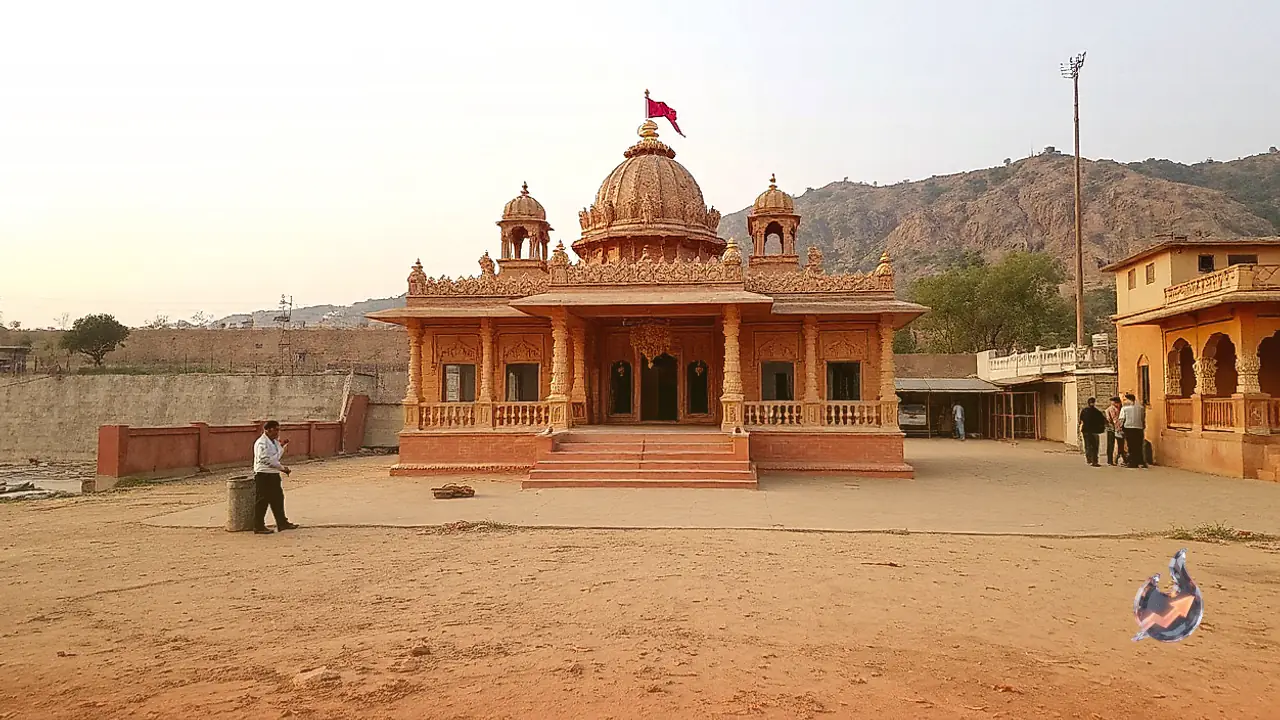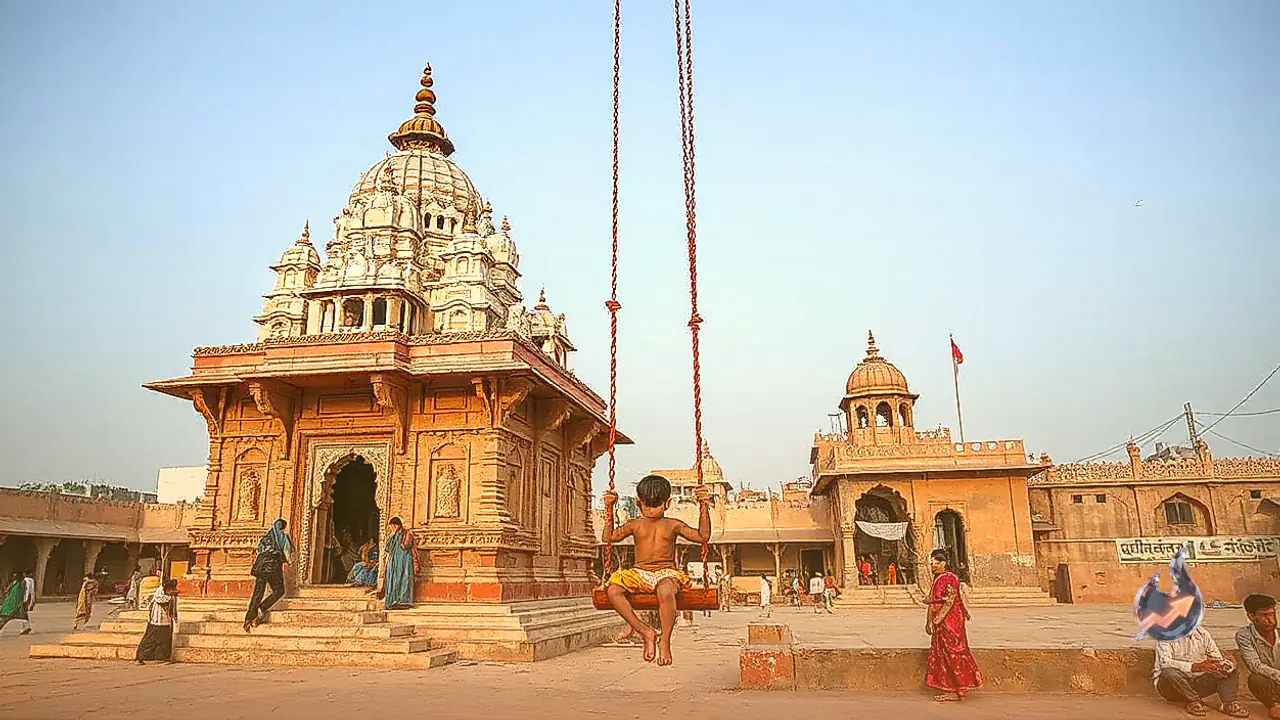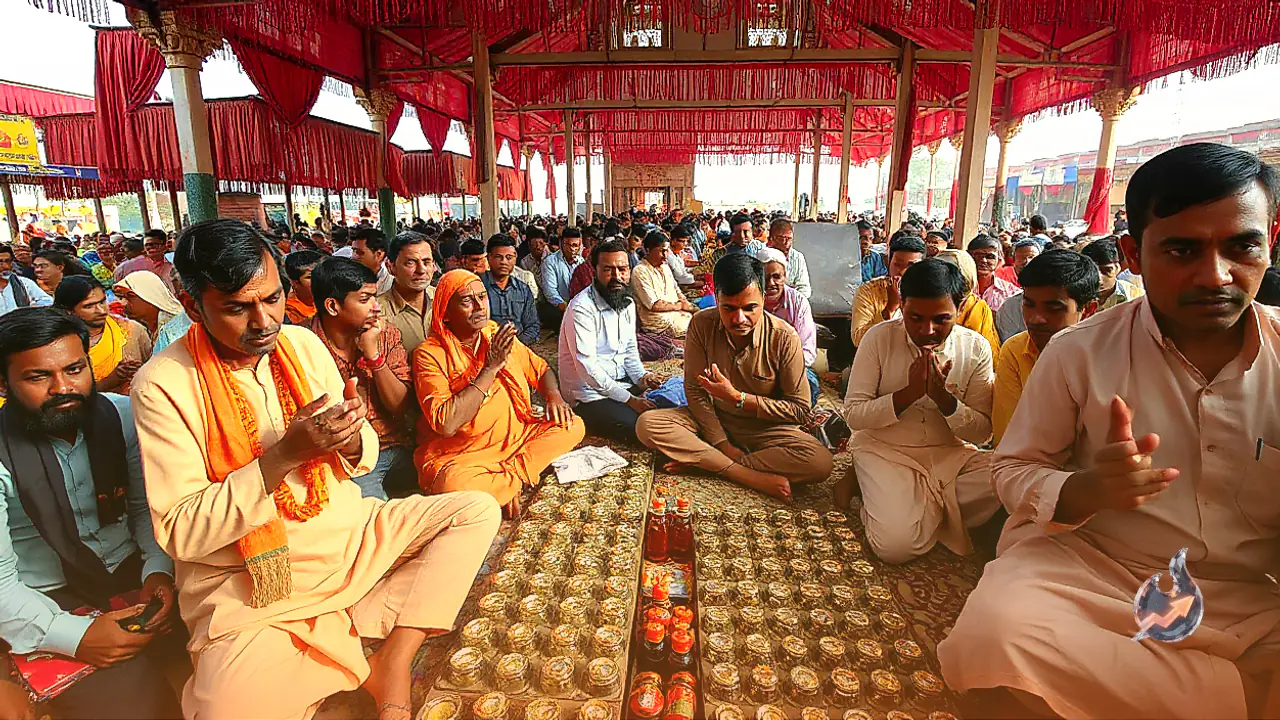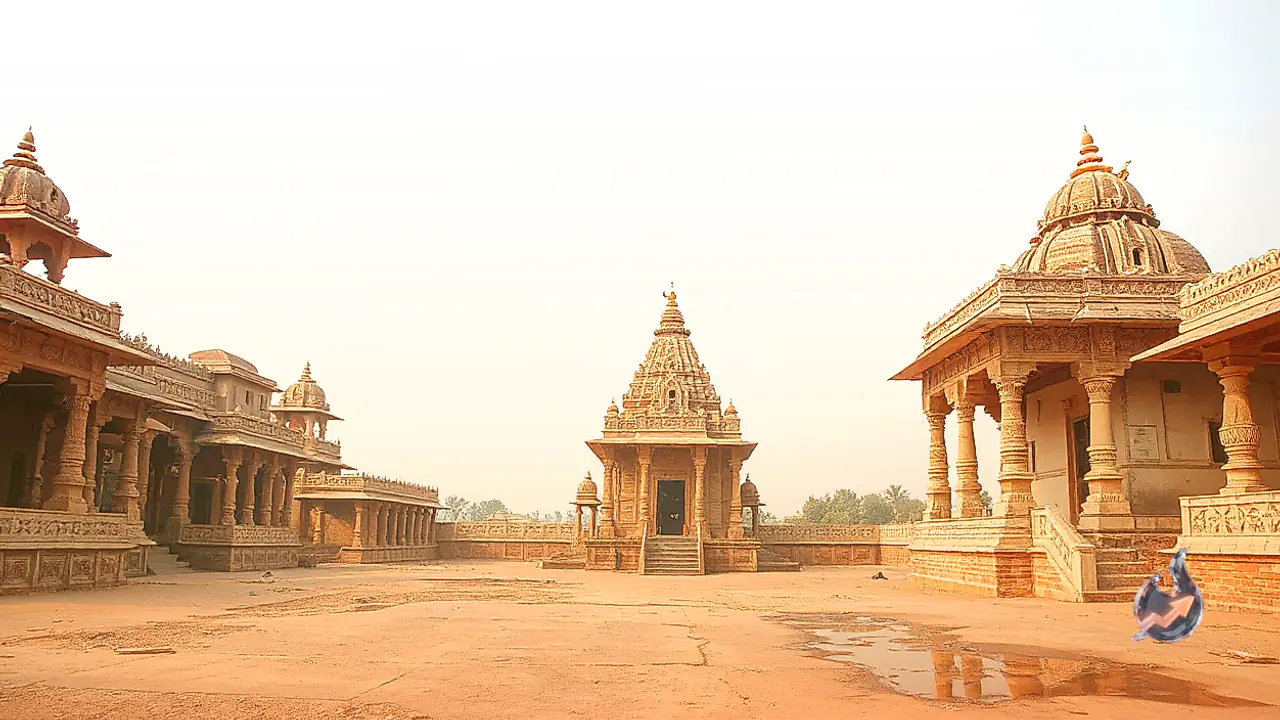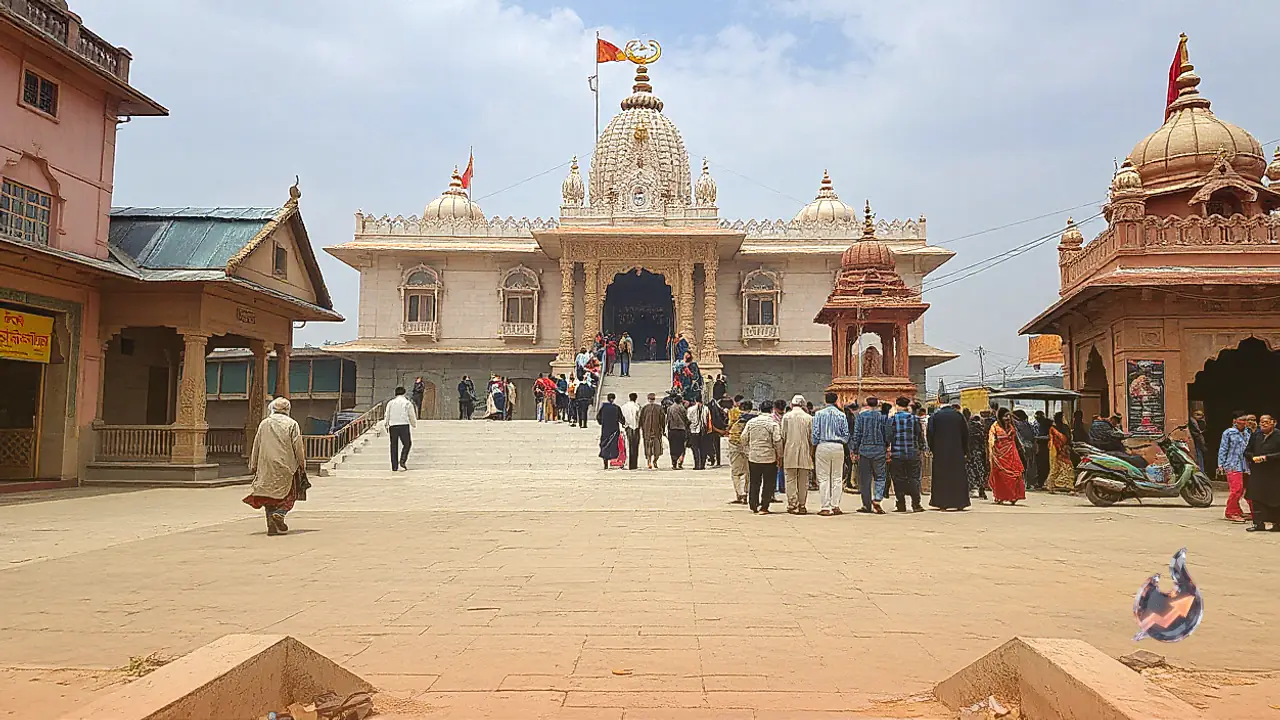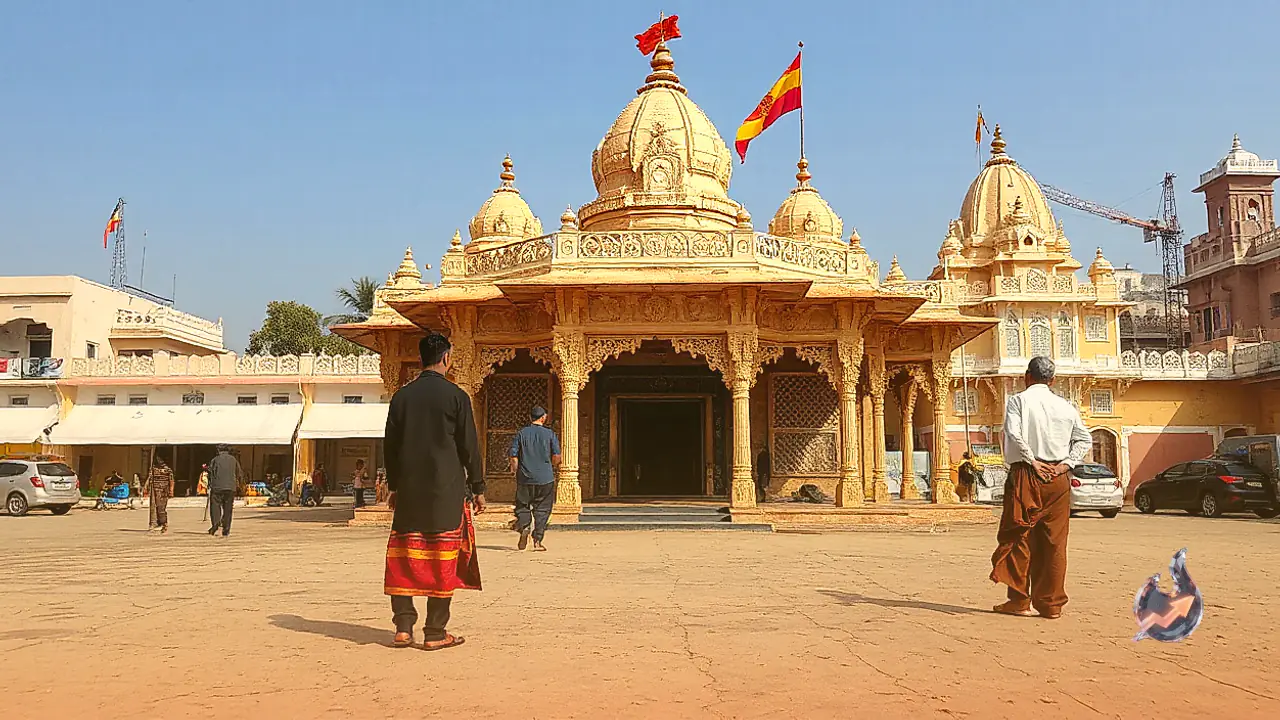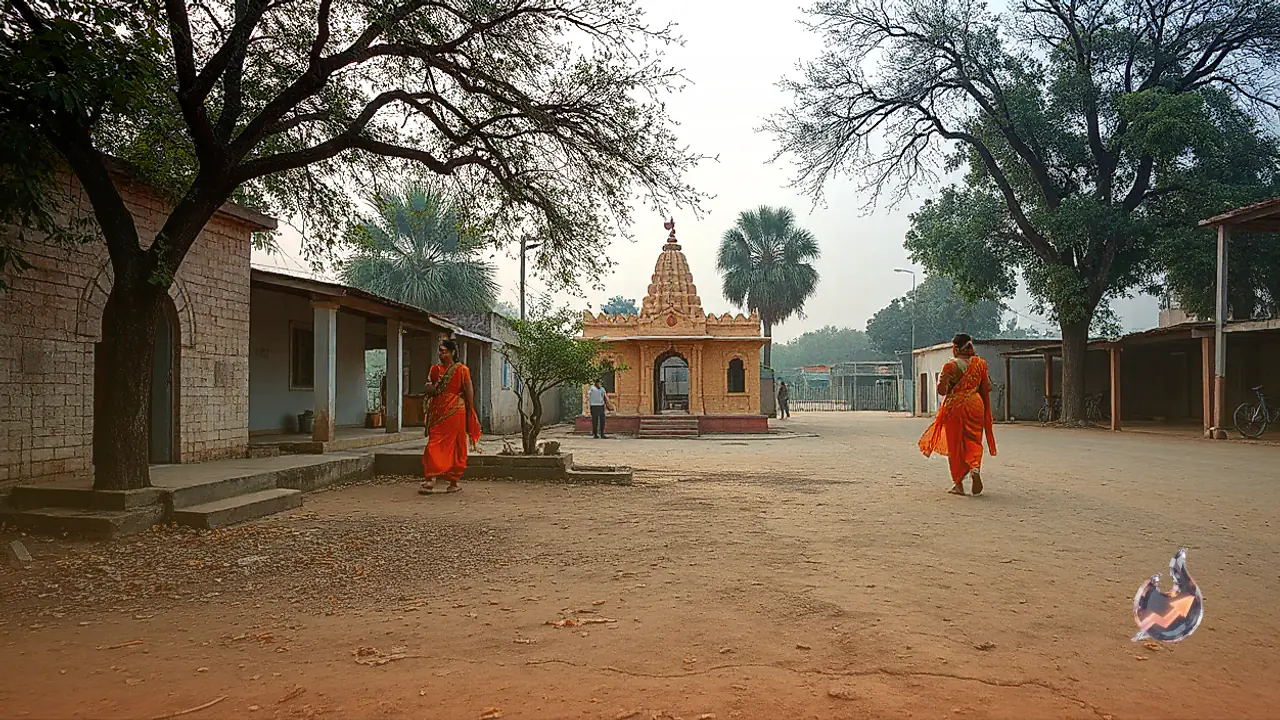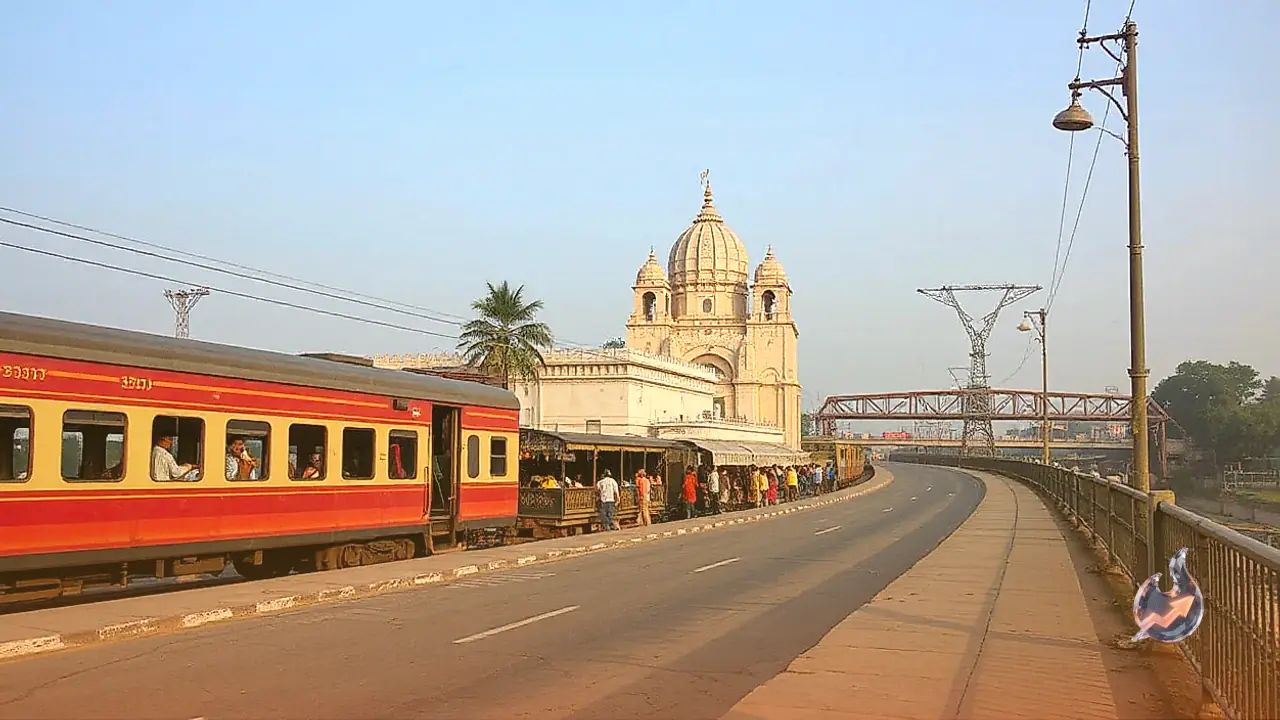

















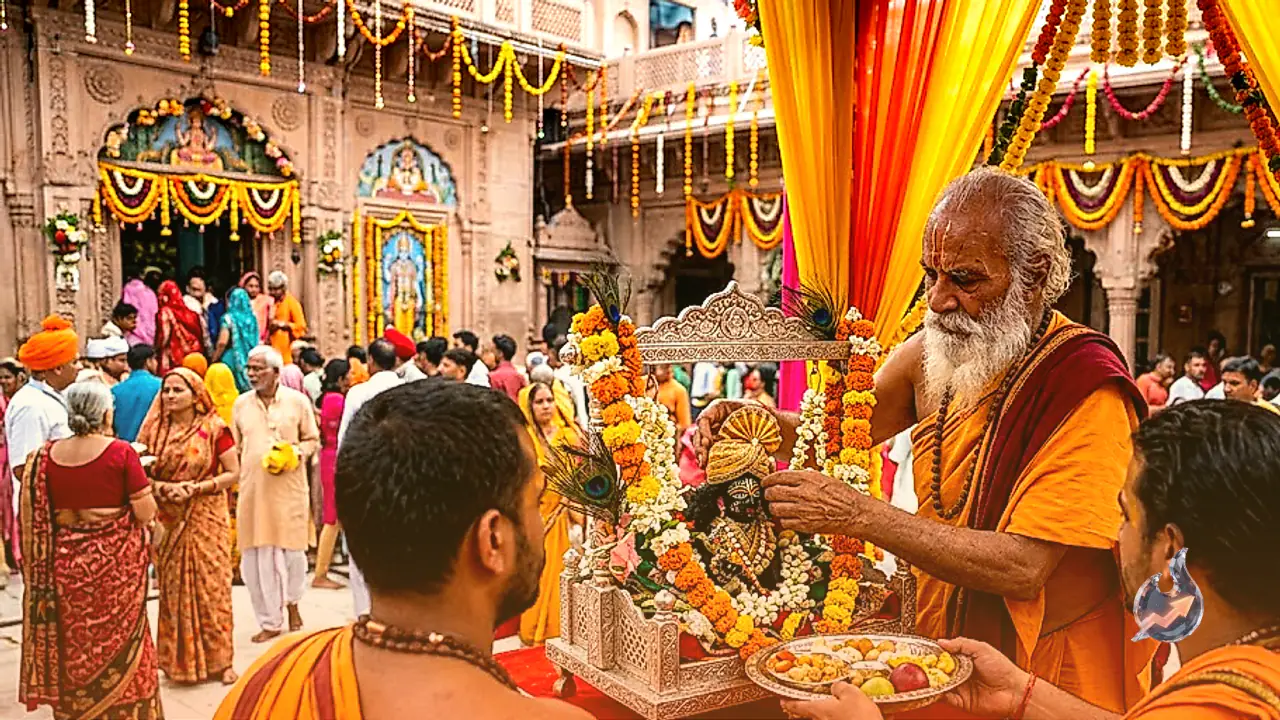

Preparations for Lord Krishna’s birth anniversary have reached their final phase across the sacred land of Braj. From the historic Shri Krishna Janmasthan in Mathura to the globally renowned temples of Vrindavan, grand decorations and elaborate religious arrangements are underway. While the festival of Krishna Janmashtami will be observed in unison across Mathura and Vrindavan, individual temples in the region follow distinct, long-standing traditions. Certain shrines conduct the primary birth rituals at midnight, whereas others celebrate the divine manifestation during daytime. Understanding the precise dates, astrological timings, and temple schedules is essential for devotees planning their pilgrimage.
Astrological Timings, Panchang Date, and Rohini Nakshatra
In 2026, Shri Krishna Janmashtami will be celebrated across Mathura, Vrindavan, and the rest of India on Friday, September 4. According to the Hindu Panchang, the Ashtami Tithi of the Krishna Paksha in the month of Bhadrapada commences at 2:25 AM on September 4 and concludes at 12:13 AM on the night of September 5. Based on the Udayatithi principle, the main fast and religious observances will take place on September 4. Additionally, the Rohini Nakshatra, considered highly auspicious for the birth of Lord Krishna, will remain active until 11:04 PM on September 4. The following day, September 5, will mark the exuberant celebrations of Nandotsav throughout Braj, featuring festivities and distribution of sweet butter offerings.
Shri Krishna Janmasthan Timings and Midnight Nishith Kaal Rituals
At the Shri Krishna Janmasthan in Mathura, a magnificent religious gathering is scheduled for September 4. To accommodate the massive influx of pilgrims from across the globe, the temple management has announced continuous darshan hours. The shrine doors will remain open for visitors from 5:30 AM on September 4 until 1:30 AM late at night. As per Mathura astrological calculations, the auspicious Nishith Kaal window spans from 11:56 PM on September 4 to 12:41 AM on September 5. During these forty-five minutes of midnight, the core rituals including the divine birth worship, ceremonial bath, grand aarti, and traditional chants will be conducted.
Unique Traditions at Radharaman, Bankey Bihari, and Other Shrines
The Shri Radharaman Temple in Vrindavan adheres to a distinctive tradition that sets it apart from most Krishna temples. Instead of midnight, Radharaman Temple celebrates the Prakatyotsav during daytime hours. On September 4, the Mahabhishekar ceremony will begin at 9:00 AM. Priests will bathe the deity for approximately two hours using a sacred mixture of milk, curd, honey, sugar, boora, and rare herbal ingredients. Similar daytime Prakatyotsav rituals will also be observed at Vrindavan's Shahji Temple and Radhadamodar Temple.
Conversely, the Shri Bankey Bihari Temple observes a highly confidential midnight ritual. Exactly at 12:00 AM midnight on September 4, the deity undergoes the Panchamrit Mahabhishekar. Public darshan remains suspended during this sacred ceremony in accordance with ancient temple protocol. Meanwhile, other landmark temples in the region, including Prem Mandir, ISKCON Temple, Chandrodaya Temple, and Rangji Temple, are also completing elaborate setups for the festive occasion.
Understanding the Discrepancy Between Smarta and Vaishnava Observances
Confusion regarding the exact calendar date of Janmashtami frequently arises among devotees due to contrasting theological schools of thought. Householders primarily follow the Smarta tradition, which prioritizes the presence of Ashtami Tithi during the midnight Nishith Kaal window. On the other hand, ascetic orders and monks follow the Vaishnava tradition. The Vaishnava system evaluates Ashtami in conjunction with sunrise timings, Rohini Nakshatra alignment, and additional astrological parameters. This divergence in scriptural interpretation sometimes leads to separate celebration dates across different communities and regions.