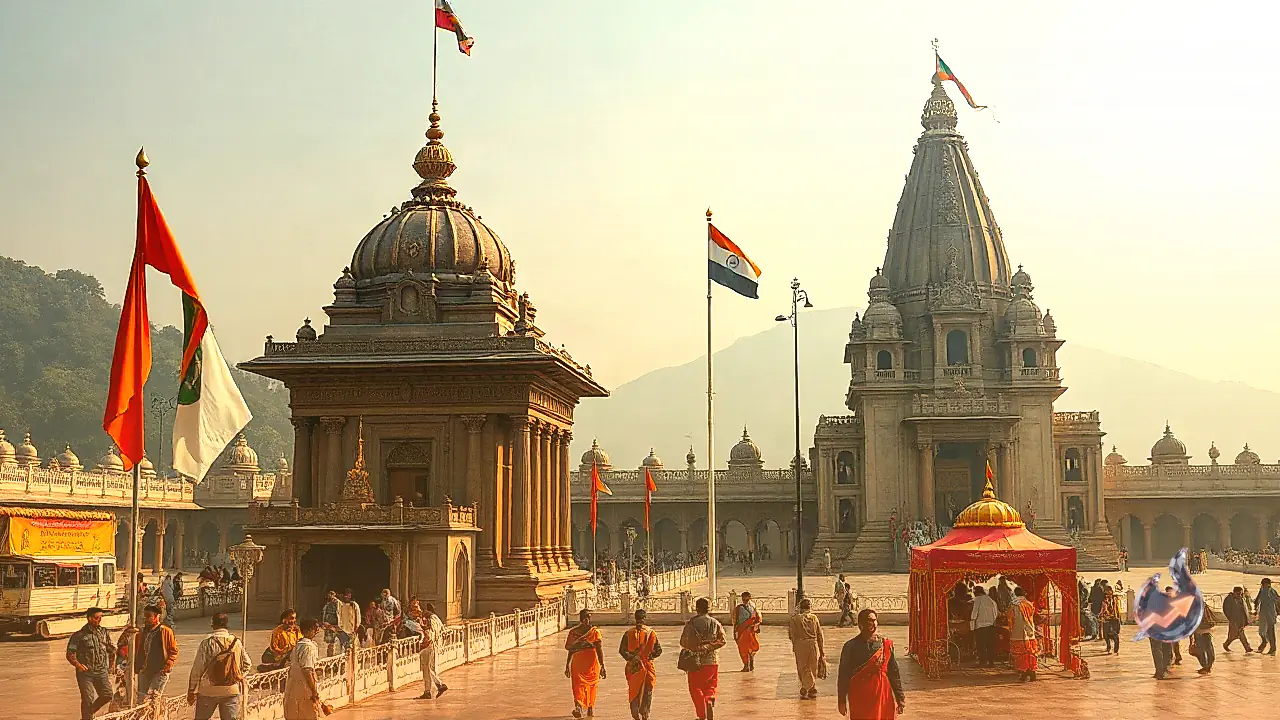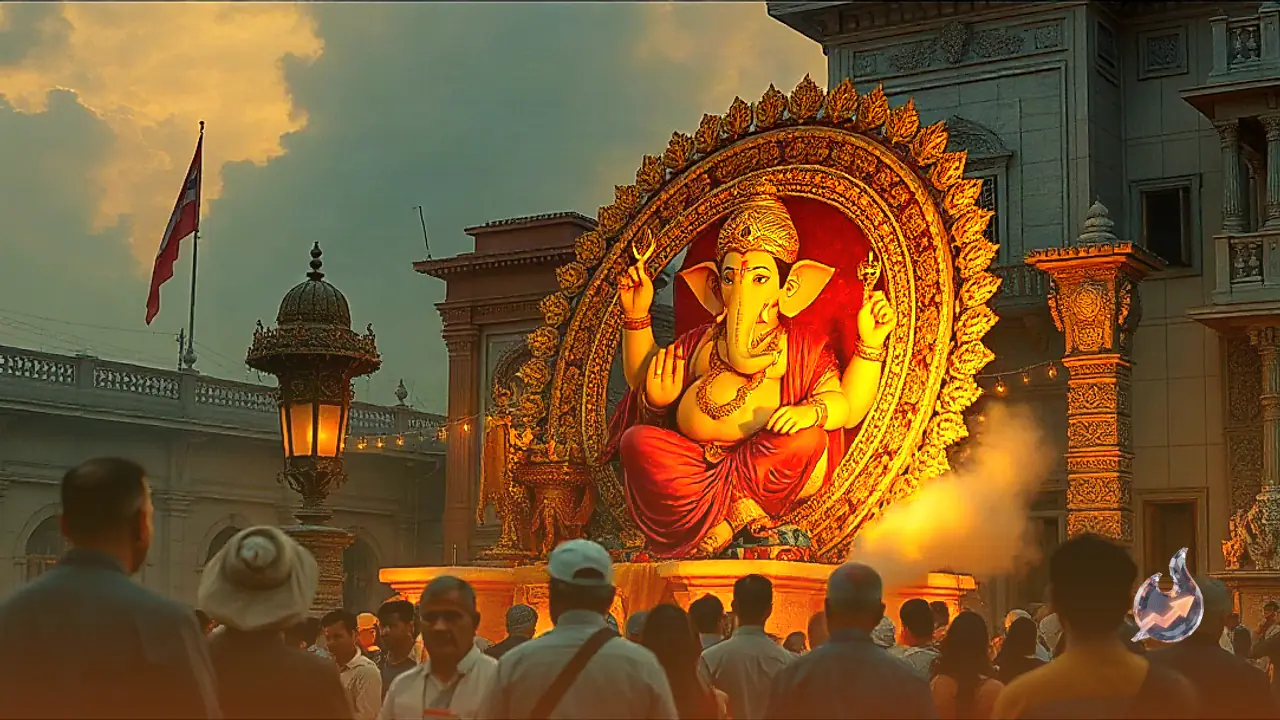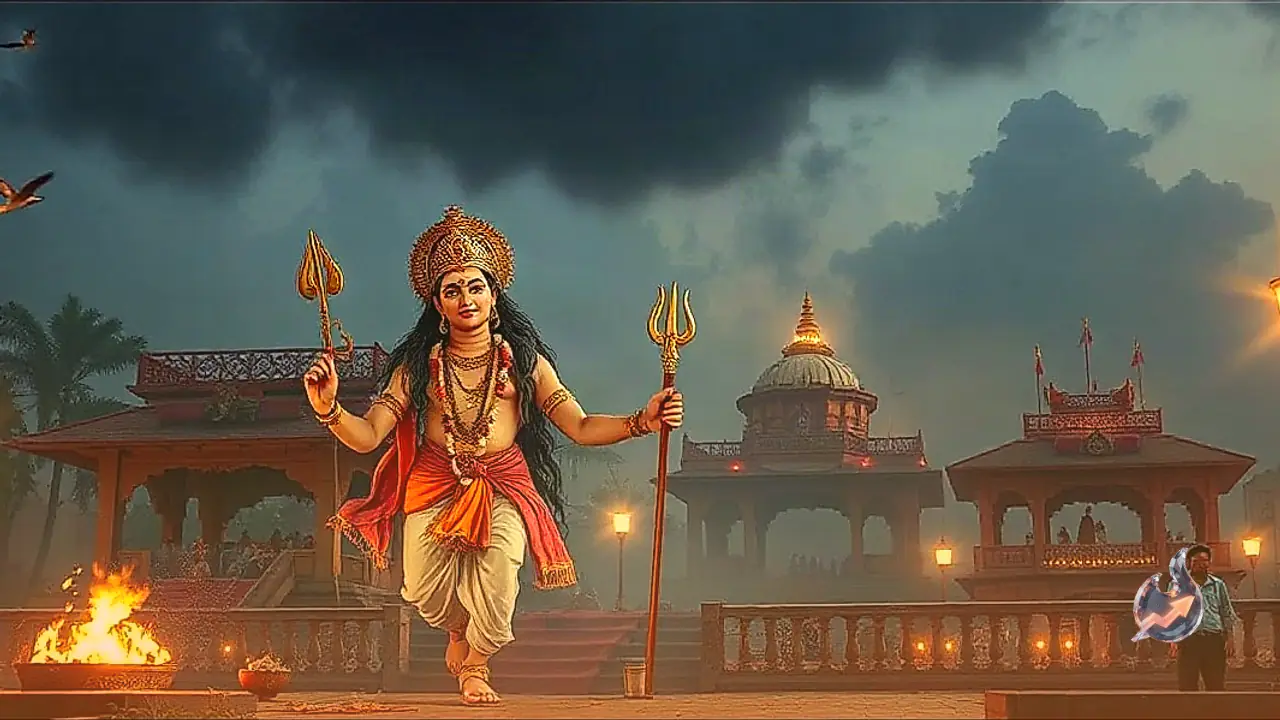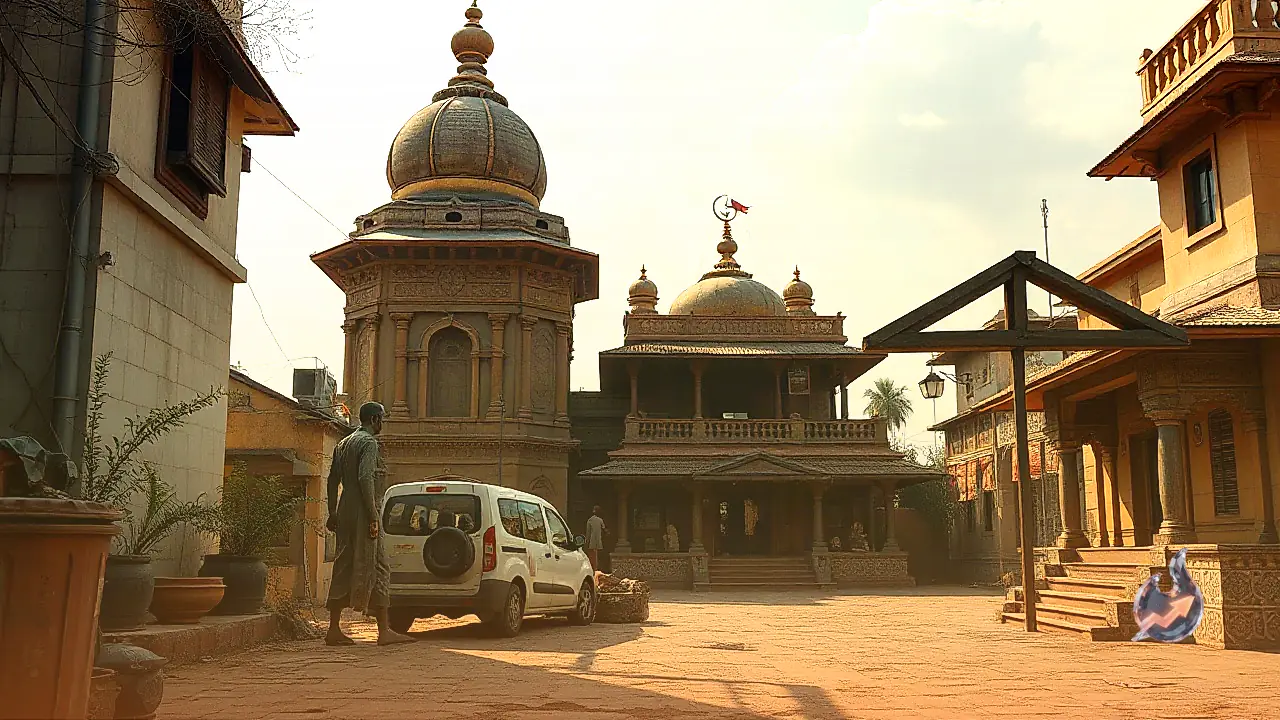



















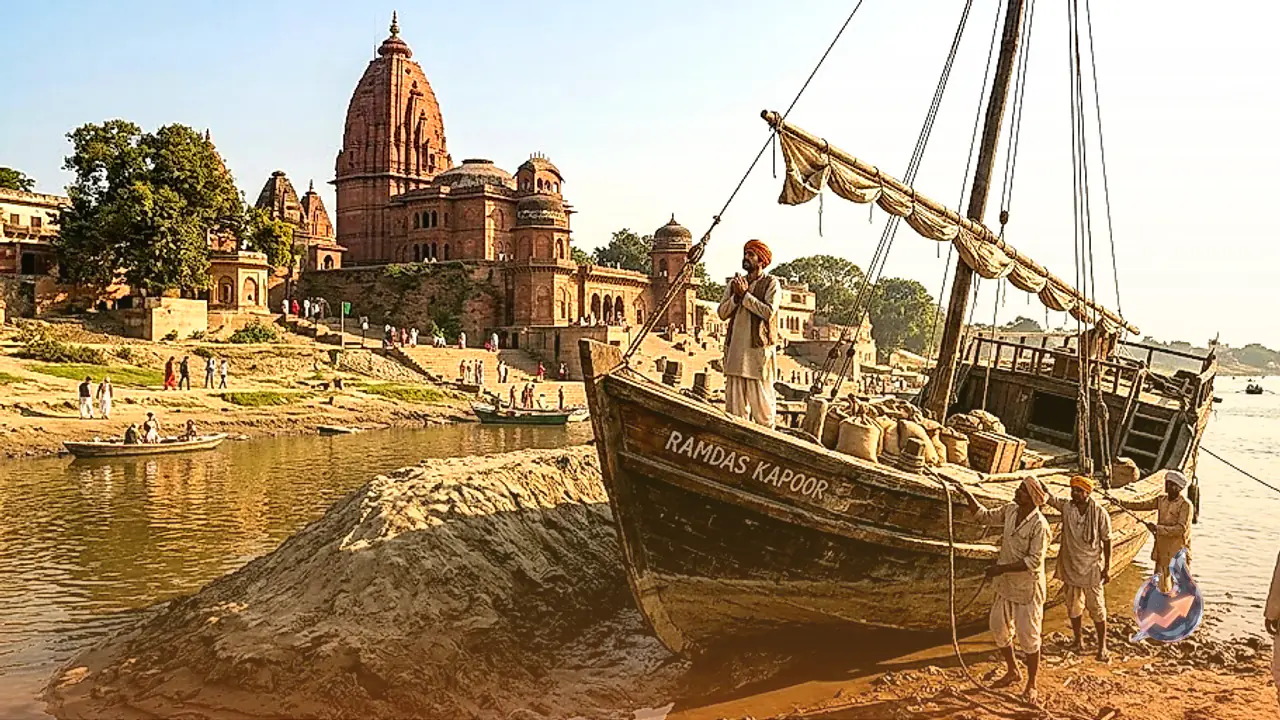

Standing gracefully along the sacred banks of the Yamuna River in Vrindavan, Mathura, the revered Radha Madan Mohan Temple carries a remarkable legacy intertwined with faith, devotion, and centuries-old local lore. Known for its distinct craftsmanship and ancient stone carvings, this historic shrine dates back roughly 550 years and continues to draw pilgrims from all across the country. The story of its origin centers on a desperate merchant whose heavily laden cargo vessel became hopelessly immobilized on a sandy ridge in the river, setting off a sequence of divine events that eventually built the sanctuary.
The Arrival of Sanatan Goswami in the Sacred Groves
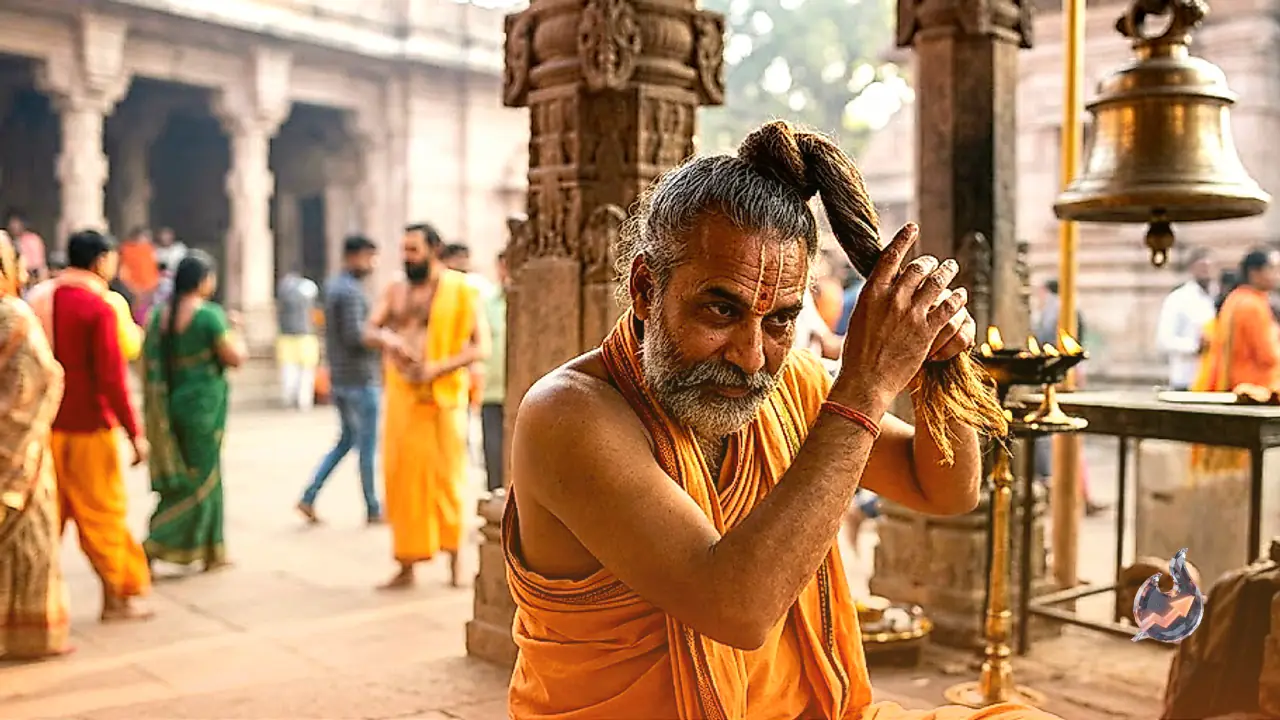
Historically hailed as a sacred forest of holy basil, Vrindavan has long been celebrated as the eternal playground of Krishna's transcendental childhood pastimes. According to historical tradition, Rupa and Sanatan Goswami, prominent disciples of Chaitanya Mahaprabhu, traveled to the region to revive its forgotten spiritual heritage. Sanatan Goswami chose to settle upon an elevated earthen mound alongside the Yamuna, where he built a humble straw cottage to carry out his daily spiritual practices. Each day, he walked from Vrindavan to Mathura to seek madhukari, collecting modest alms of food to offer as a sacred meal before consuming whatever remained as prasad.
An Extraordinary Child and the Simple Offering
During one of his routine visits to Mathura for madhukari, Sanatan Goswami encountered a young boy whose demeanor was anything but ordinary. The child, who was none other than Madan Mohan in disguise, persistently pleaded to accompany the ascetic back to Vrindavan. Sanatan Goswami tried to dissuade him by explaining that an ascetic possessed no material comforts, luxuries, or refined delicacies to offer. He cautioned that if the child chose to come along, he would have to be content with whatever modest offerings were gathered through daily alms. Undeterred, the divine child agreed to the conditions and took up residence beside the ascetic in his modest hermitage.
A Week-Long Crisis on the Sandy Riverbank
Around the same period, an affluent merchant from Punjab named Ramdas Kapoor was navigating a commercial ship down the Yamuna route. His vessel was packed with a vast cargo consisting of camphor and mineral rock salt. As the ship drew near the mound where the hermitage stood, it grounded firmly upon an underwater shoal and remained stuck for seven straight days. Despite every strenuous effort made by the crew to dislodge the hull, the vessel could not be freed. Local lore holds that Madan Mohan had a particular fondness for salt, turning this commercial mishap into an extraordinary test of faith.
The Sacred Promise and the Temple's Construction
Distressed by the prolonged delay and confronting the total loss of his precious consignment, Ramdas Kapoor climbed the mound to plead for spiritual intervention before Madan Mohan. The divine presence indicated that while the deity remained exposed to the open weather and harsh sun, a promise to build a permanent temple would guarantee the vessel's safe passage. Ramdas Kapoor immediately took an oath to finance the construction of a grand temple upon that very site. According to temple tradition, as soon as the sacred touch blessed the effort, the grounded ship drifted smoothly off the sandbank into deep water, and the mundane cargo of rock salt transformed miraculously into precious gems. True to his solemn pledge, the Punjabi merchant funded the building of the iconic Radha Madan Mohan Temple, leaving behind a lasting monument that stands to this day.