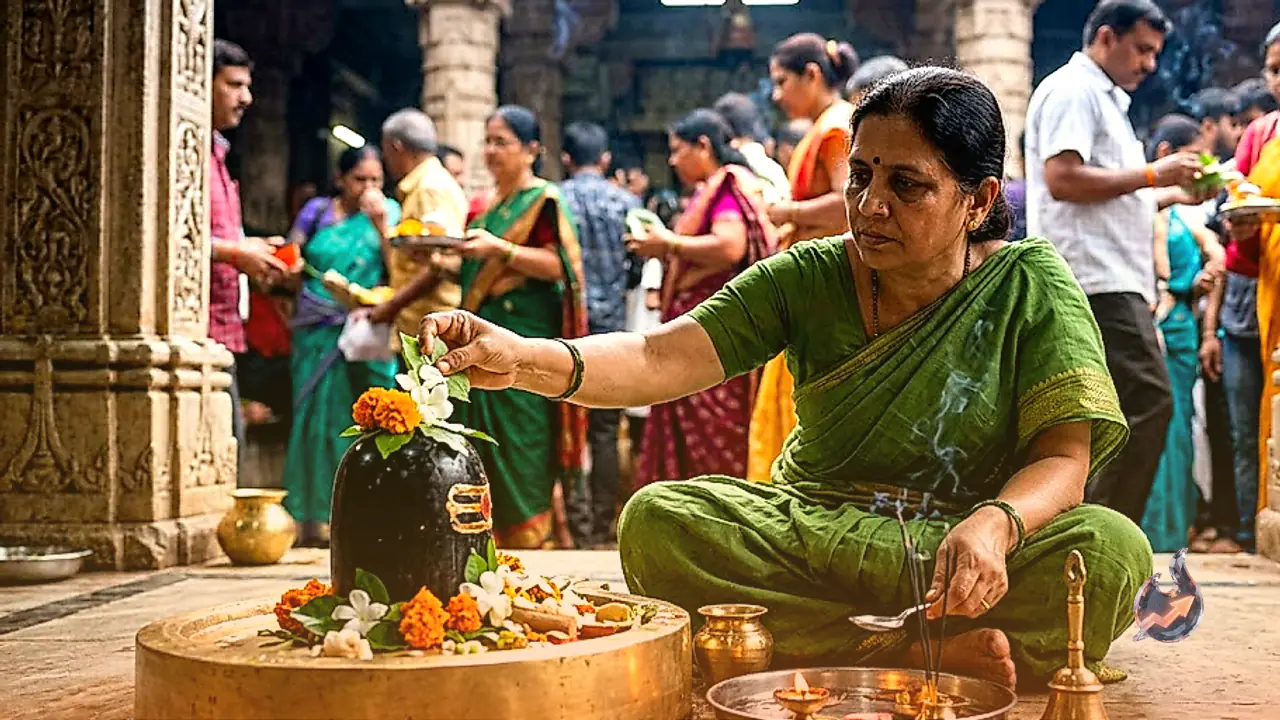



















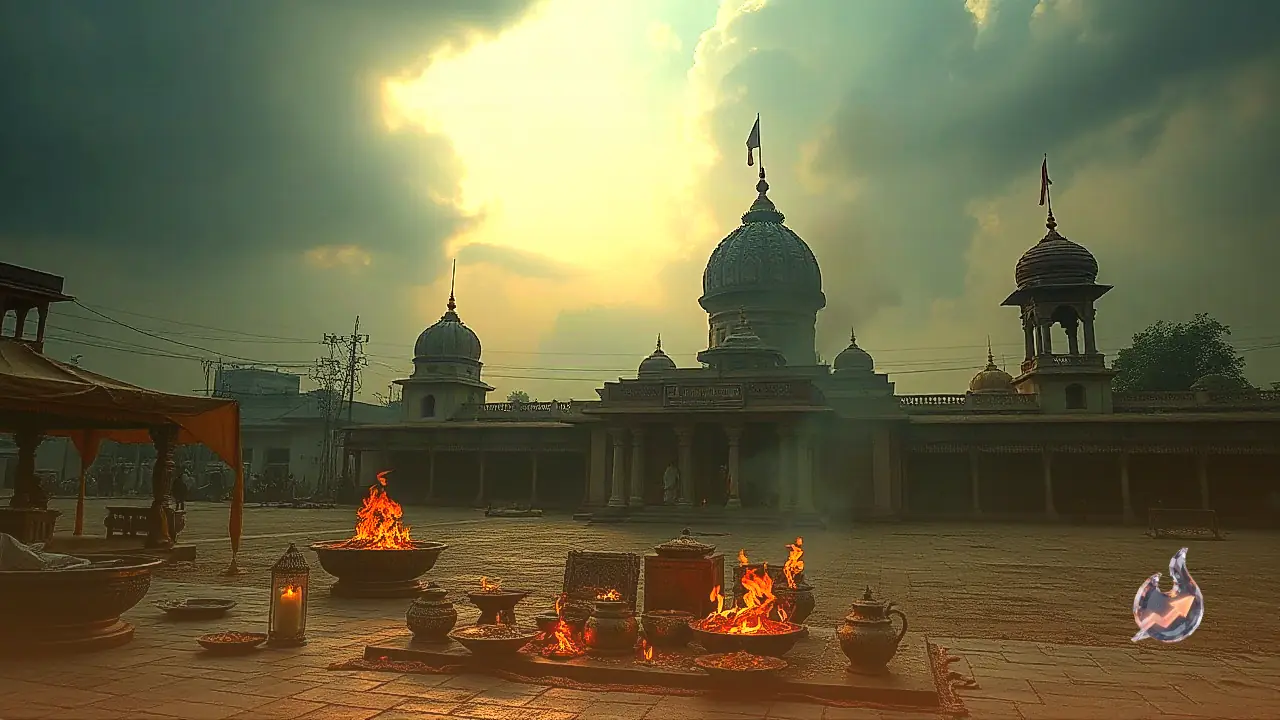

In Sanatan Dharma, the period of Pitru Paksha is dedicated entirely to honoring departed ancestors and seeking peace for their souls. Performing Tarpan, Pind Daan, and Shraddh rituals during these sacred days is believed to invoke the blessings of one's forefathers. Every ritual dedicated to the gratification of ancestors carries deep spiritual significance. Acharya Indu Prakash outlines the crucial guidelines and traditional practices that must be observed to ensure Shraddh rituals are conducted properly.
Optimal Timing and Selection of Sacred Ground
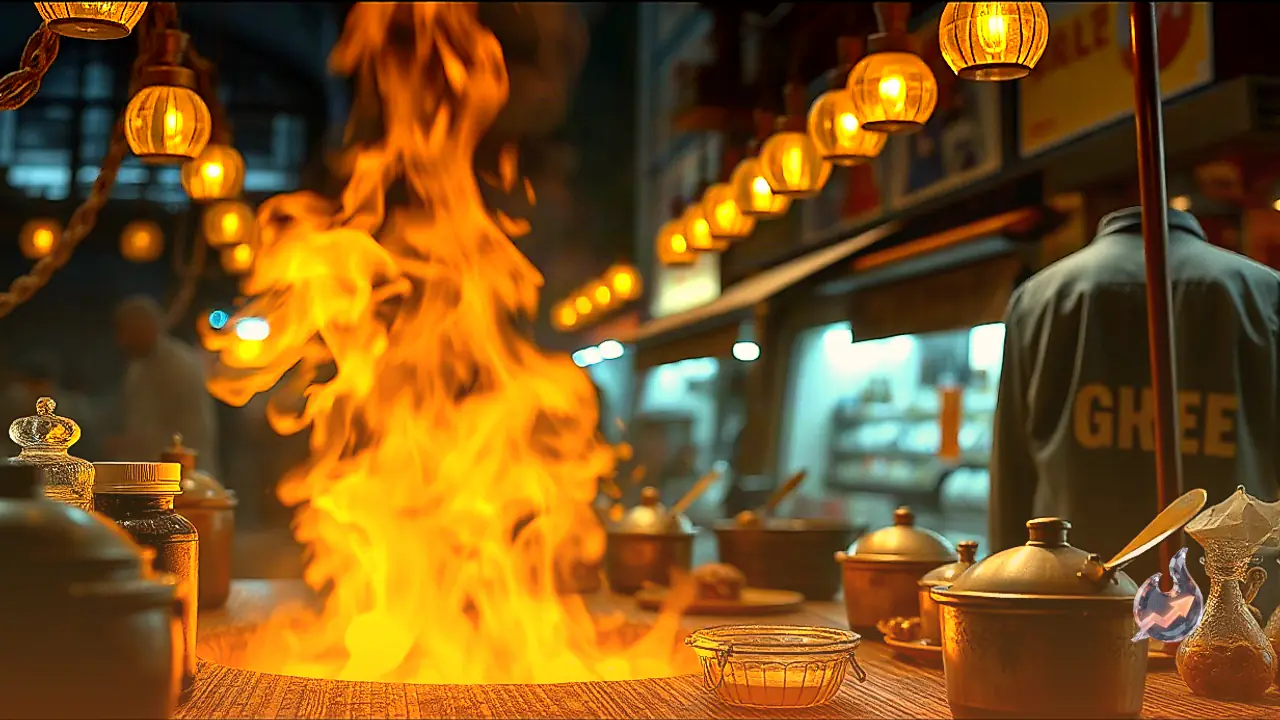
Shraddh rituals should strictly be carried out during the afternoon hours. The ceremonies should ideally take place either on one's own land or at a recognized sacred site and holy riverbank. When preparing the Shraddh food and performing the rituals, the use of cow milk, cow curd, and pure cow ghee is considered ideal. Additionally, Tulsi (holy basil) leaves and sesame seeds must be incorporated into the rituals.
Whenever feasible, using and donating silver utensils during Shraddh is recommended, as silver is regarded as an exceptionally pure metal that brings deep satisfaction to departed ancestors.
Brahmin Invitation and Dining Protocols
Serving food to a Brahmin is a core requirement of the Shraddh ritual. It is believed that if Shraddh is conducted without feeding a Brahmin, the ancestors do not accept the offerings, leading to potential difficulties for the household. The invitation for the feast should be extended to the Brahmin one day prior to the Shraddh date.
Specific guidelines govern the selection of the guest based on the departed ancestor. If the deceased ancestor is a male, a male Brahmin should be invited. If the ancestor is a female, the Brahmin's wife should be fed. Furthermore, if the deceased was a married woman (Saubhagyavati), the invitation should specifically be extended to the wife of a Brahmin who is also married.
Food must always be served using both hands with reverence. The meal prepared specifically for the Brahmin must be offered to an eligible Brahmin alone and not substituted as general charity. Before the meal, the Brahmin should be seated on a clean mat made of Kusha grass, wool, cloth, or blanket. After the meal is concluded, appropriate Dakshina (monetary offering) and clothes should be presented according to one's capacity. Family members and household residents should partake in their meals only after the Brahmin has finished eating.
Panchbali Offerings and Family Responsibilities
Before any family member eats on the day of Shraddh, portions of the prepared meal must be allocated for Panchbali: the cow, deities, crows, dogs, and ants. It is mandatory that the shares meant for dogs and crows are fed directly to them, while the portions designated for deities and ants can be fed to a cow.
Social and familial duties must also be honored. If one's sister, son-in-law, and nephew reside in the same town or city, they must be invited and served food during the Shraddh. Failing to host them is believed to leave both ancestors and deities unsatisfied. Additionally, if any beggar or needy individual arrives at the doorstep on the day of Shraddh, they should be offered food with utmost respect.
Essential Ingredients for Shraddh
The inclusion of barley, peas, foxtail millet (kangni), and sesame seeds in the Shraddh meal is considered highly auspicious. Using a generous amount of sesame seeds makes the Shraddh everlasting (Akshaya), as sesame seeds are believed to shield the ritual from negative forces and evil spirits. Alongside sesame, the use of sacred Kusha grass remains indispensable throughout all Shraddh ceremonies.