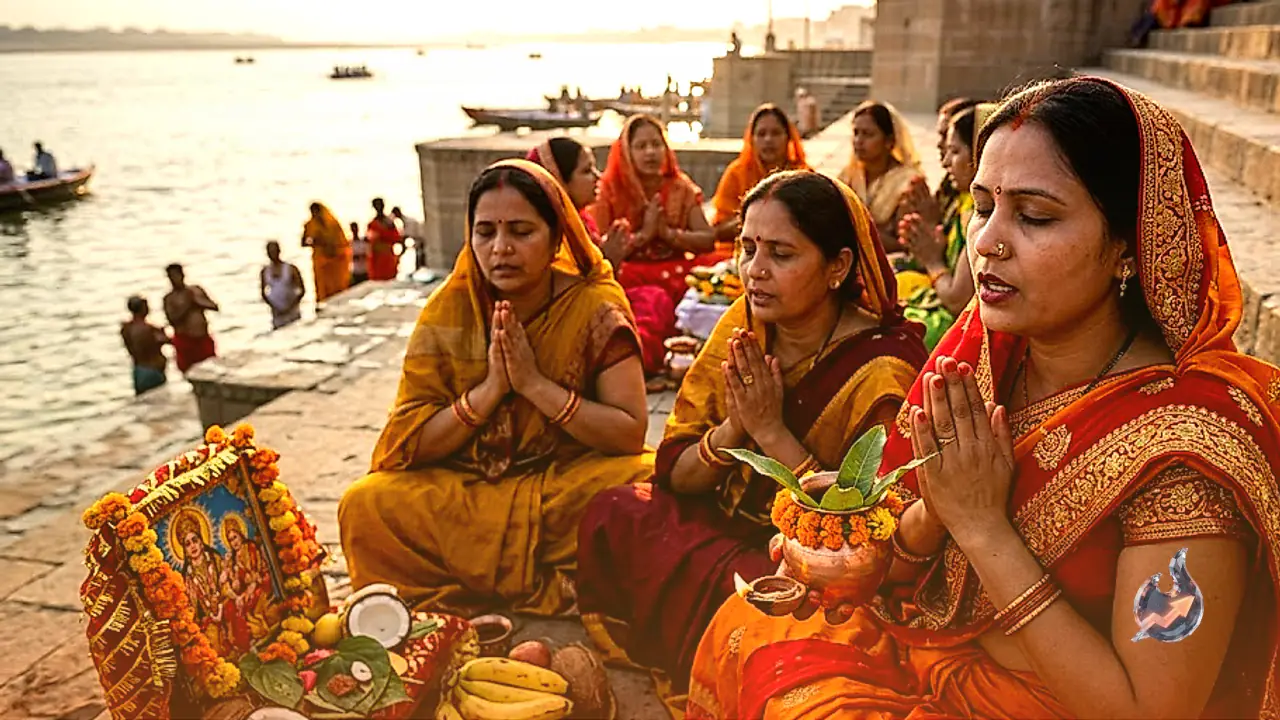























The 16-day sacred observance of Mahalaxmi Vrat, which commences on the Ashtami Tithi of the Shukla Paksha in the month of Bhadrapada, reaches its conclusion on October 3, 2026. According to deep-rooted spiritual beliefs, conducting the concluding udyapan ceremony in strict accordance with prescribed rituals invites the enduring grace of Goddess Lakshmi, ensuring a steady presence of happiness, opulence, and good fortune in the household. Devotees who observed this discipline throughout the 16-day window must carefully complete the final steps involving Kalash setup, special offerings, havan recitations, and charitable distributions.
Morning Preparations and Shrine Arrangements
On the day of the udyapan, worshippers should wake up early and take a bath before dressing in clean clothing. In the northeast corner of the home, which serves as a traditional focal point for sacred energy, set up a low wooden platform or pedestal. Drape a clean red cloth over the pedestal and place an idol or image of Goddess Lakshmi upon it to begin the day's worship in an orderly and purified environment.
Kalash Establishment and Worship of the 16-Knot Thread
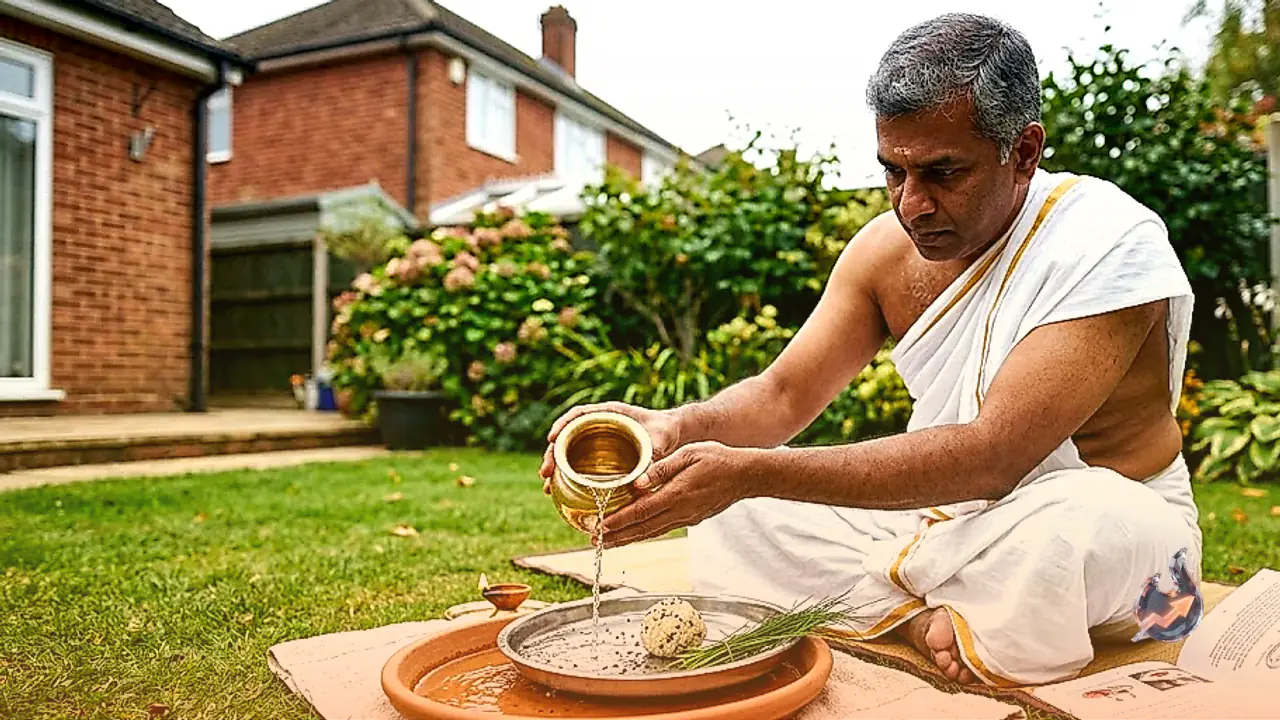
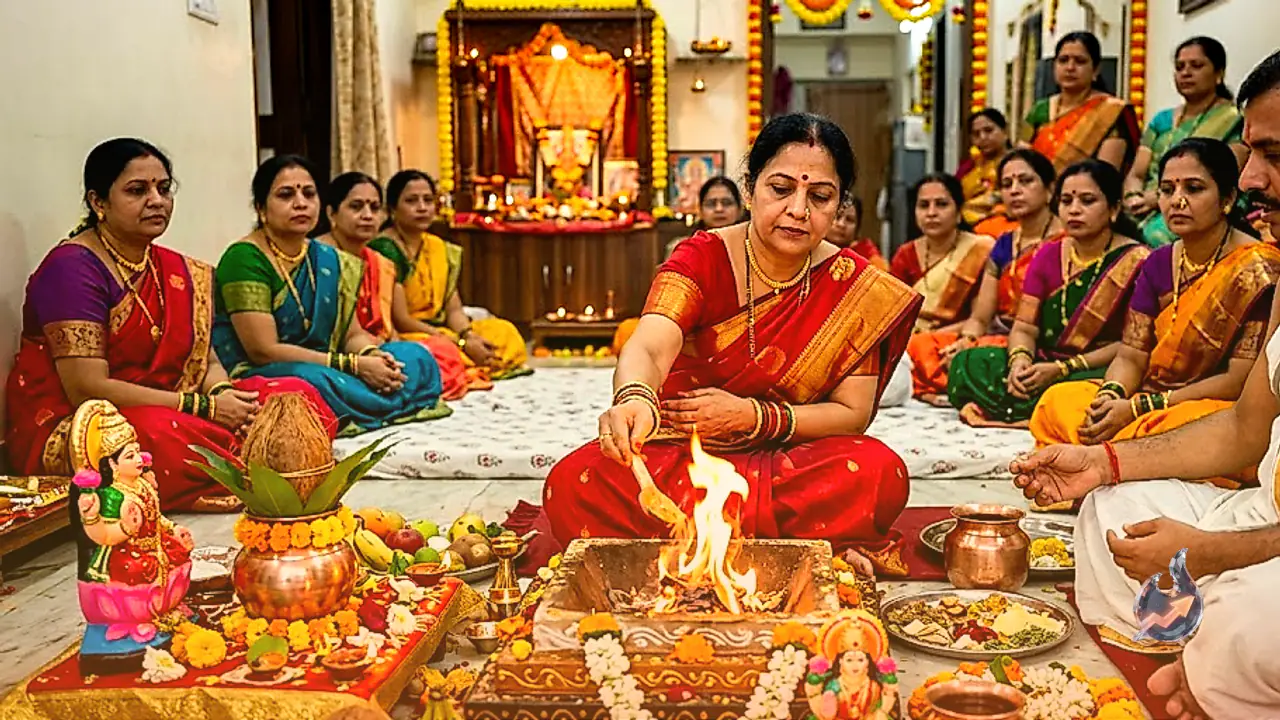
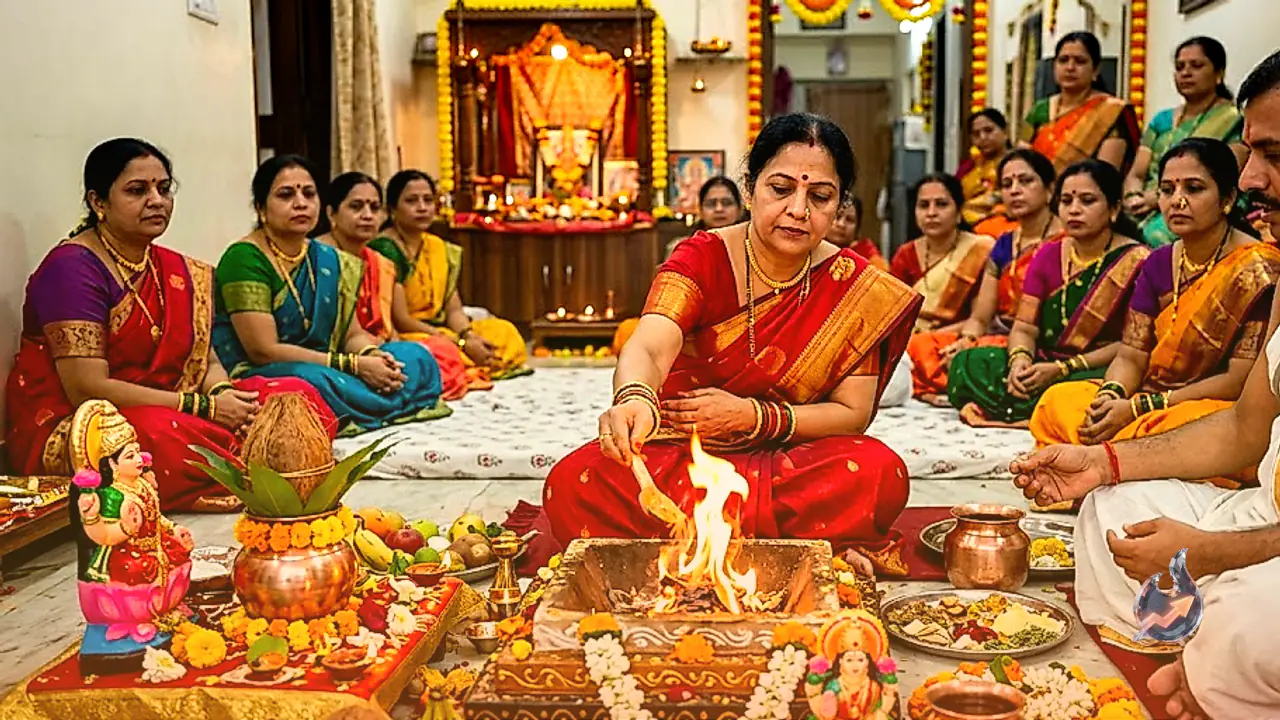
On the platform, create a neat mound of raw rice grains and place a water-filled urn or Kalash directly over it. Arrange mango leaves around the rim of the Kalash and place an unpeeled coconut wound with sacred red moli thread on top. Alongside, place the holy 16-knot cord that was originally consecrated on the very first day of the fast right in front of the deity. Honor this sacred cord by offering roli and unbroken rice grains with deep devotion.
Special Offerings and Traditional Bhog for the Goddess
During the prayer session, present Goddess Lakshmi with lotus flowers, which hold particular spiritual significance for her, along with traditional red garments and traditional cosmetic articles. For the consecrated food offering, prepare rice kheer cooked with milk, freshly fried puris, and an assortment of fresh fruits. Once these pure delicacies are offered before the altar, worshippers proceed with the preparations for the sacred sacrificial fire.
Conducting the Havan with 108 Recitations
To conclude the ceremonial vow, kindle a sacred fire in a compact havan kund or use dried cow-dung cakes in an appropriate fire bowl. While continually chanting the sacred mantra 'Om Mahalaxmyai Namah', offer oblation mixtures into the fire exactly 108 times. After completing the primary offerings, tradition prescribes making final oblations using portions of the prepared rice kheer and puris to bring the sacrificial ritual to its auspicious conclusion.
Honoring Married Women and Alternative Charity Rules
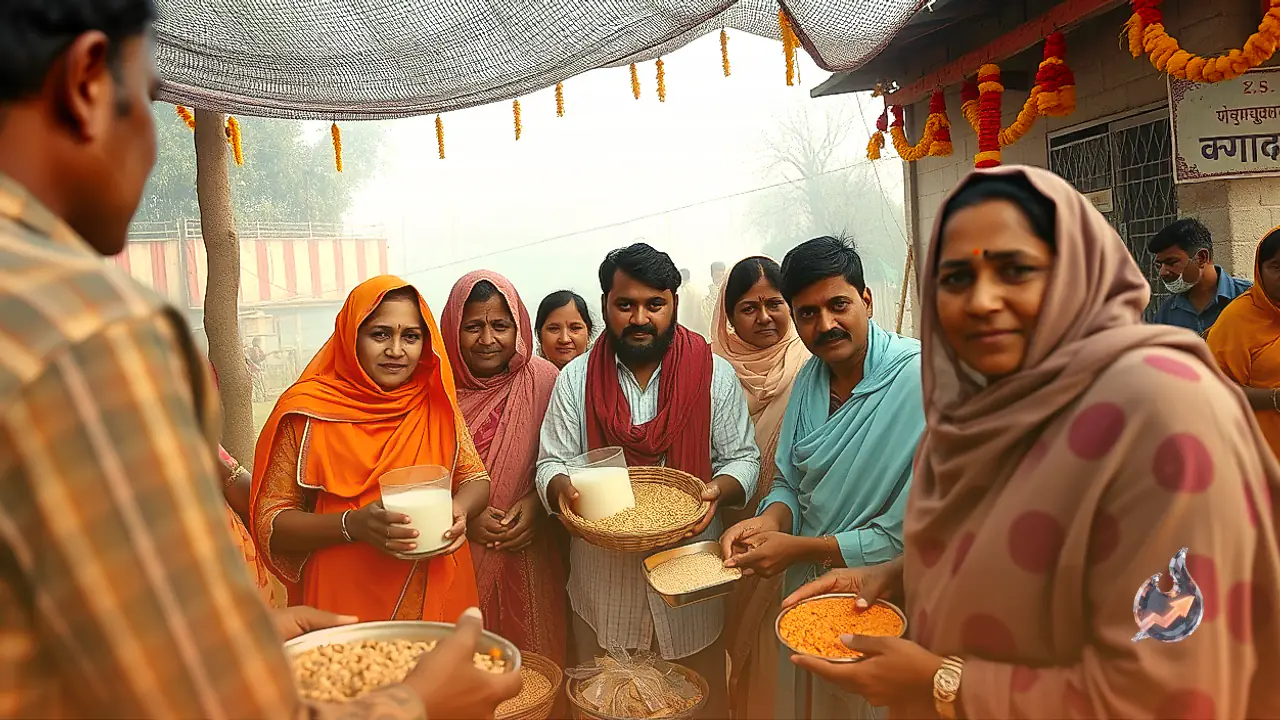
A core element of the udyapan involves extending hospitality to 16 married women. Invite them respectfully to the home and serve them a freshly cooked sattvic meal. Following the meal, present each guest with 16 vanity items, fresh fruits, and cash dakshina before bowing to receive their blessings. If arranging the physical presence of 16 married women is unfeasible, one may invite and feed 16 young unmarried girls instead, or deliver an equivalent donation of food and essentials to a nearby temple in their name.
Ritual Use of the 16-Knot Protective Thread
Following the main worship, take a length of raw cotton yarn and tie 16 distinct knots along its length, reciting the mantra 'Om Mahalaxmyai Namah' as each knot is formed. Anoint this thread with kumkum and unbroken rice grains, then lay it reverently at the feet of Goddess Lakshmi. Once the ceremonies are complete, this sanctified thread can either be tied onto the right wrist for personal protection or stored inside a home safe, cash drawer, or primary wealth repository.
Essential Restraints to Observe on the Final Day
Throughout the day of the udyapan, maintain a calm and courteous domestic atmosphere, actively avoiding anger, verbal conflicts, or hostility with anyone. The food prepared must remain strictly sattvic, completely excluding onions and garlic. Crucially, the person observing the fast must refrain from consuming any grain or heavy food themselves until after the 16 married women or young girls have been properly served and satisfied.