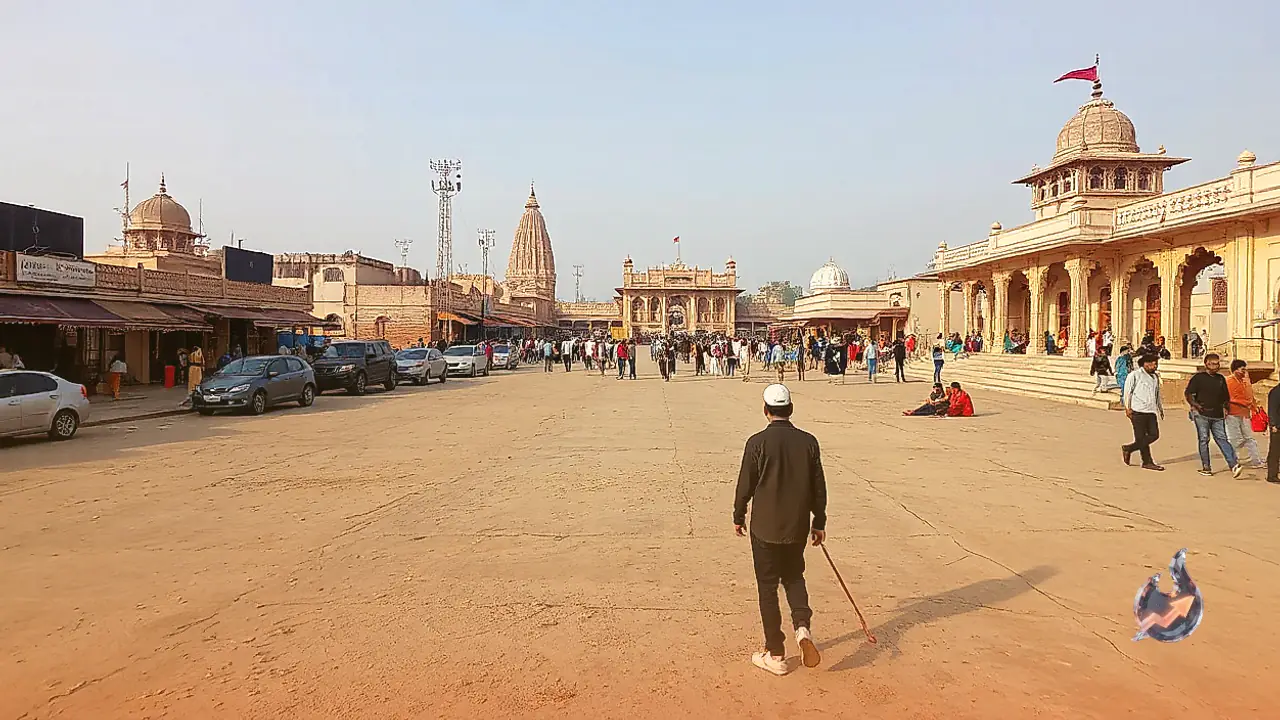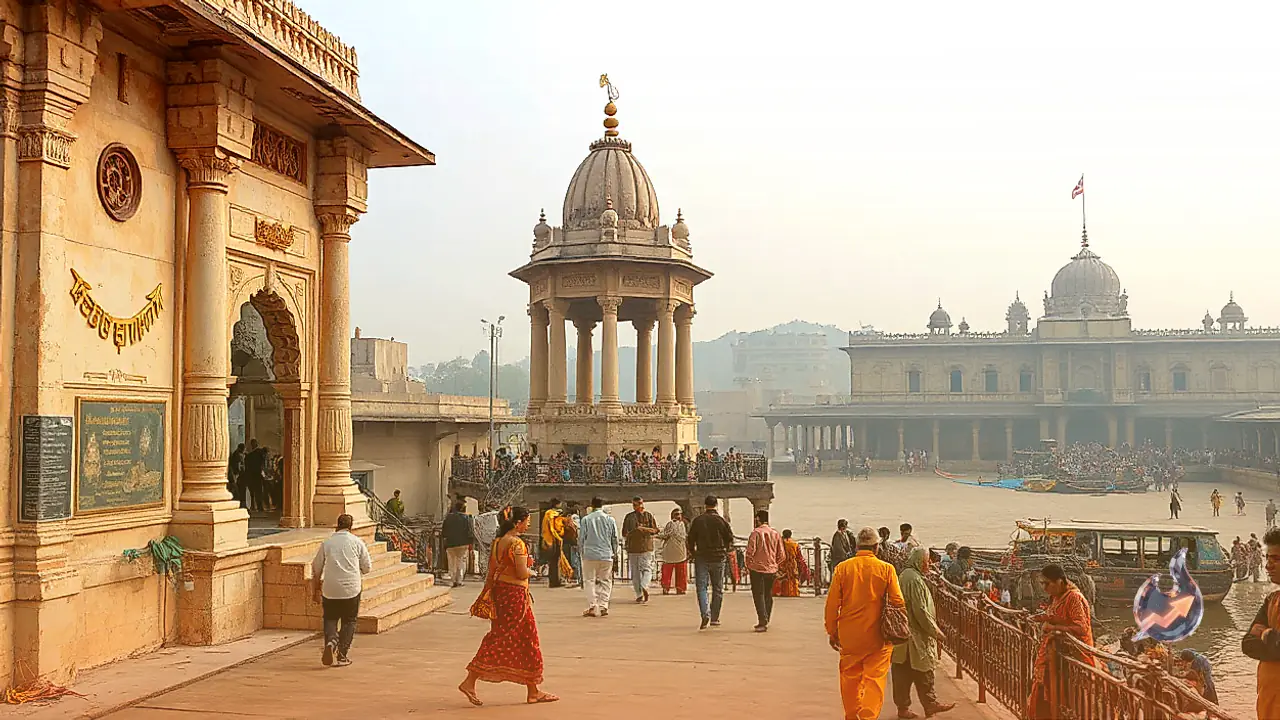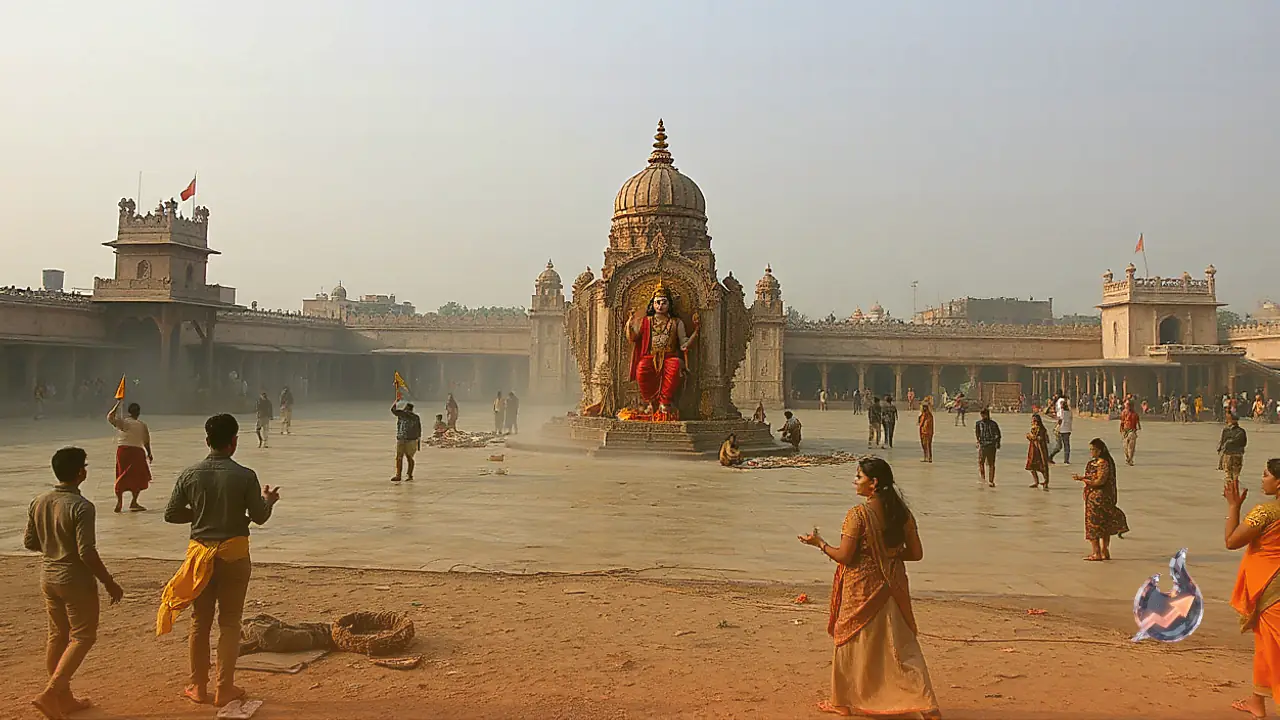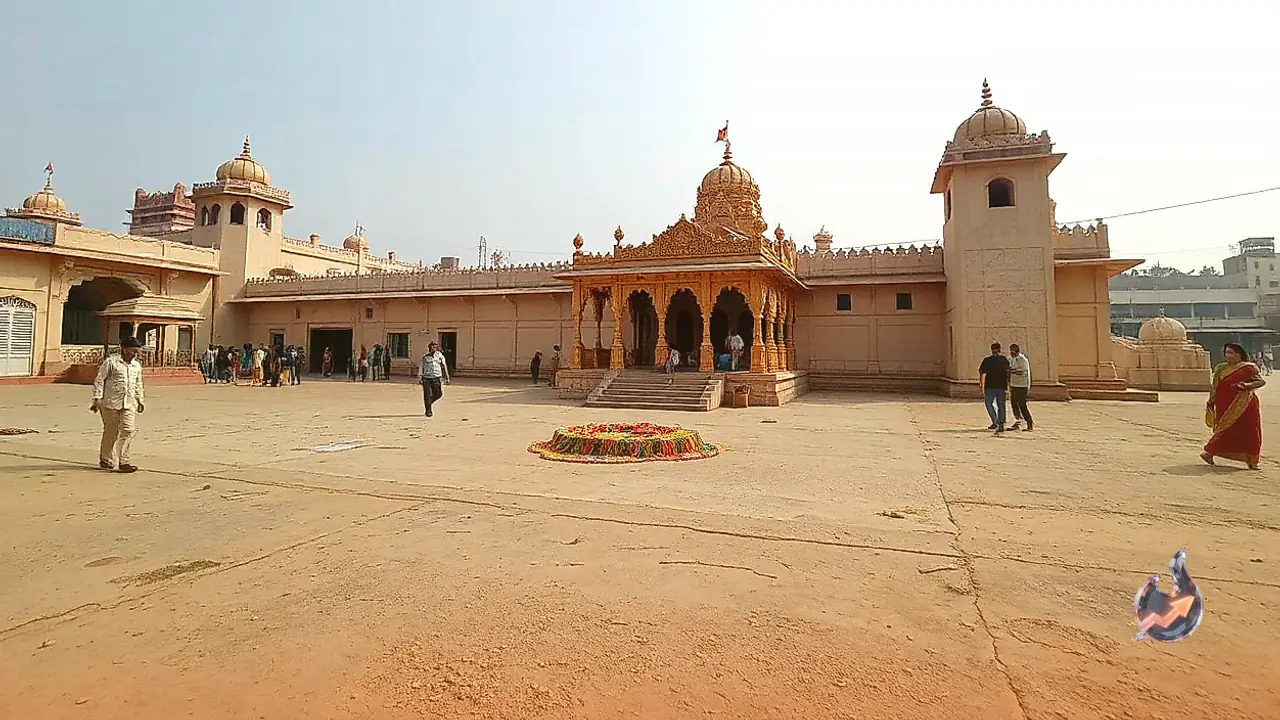



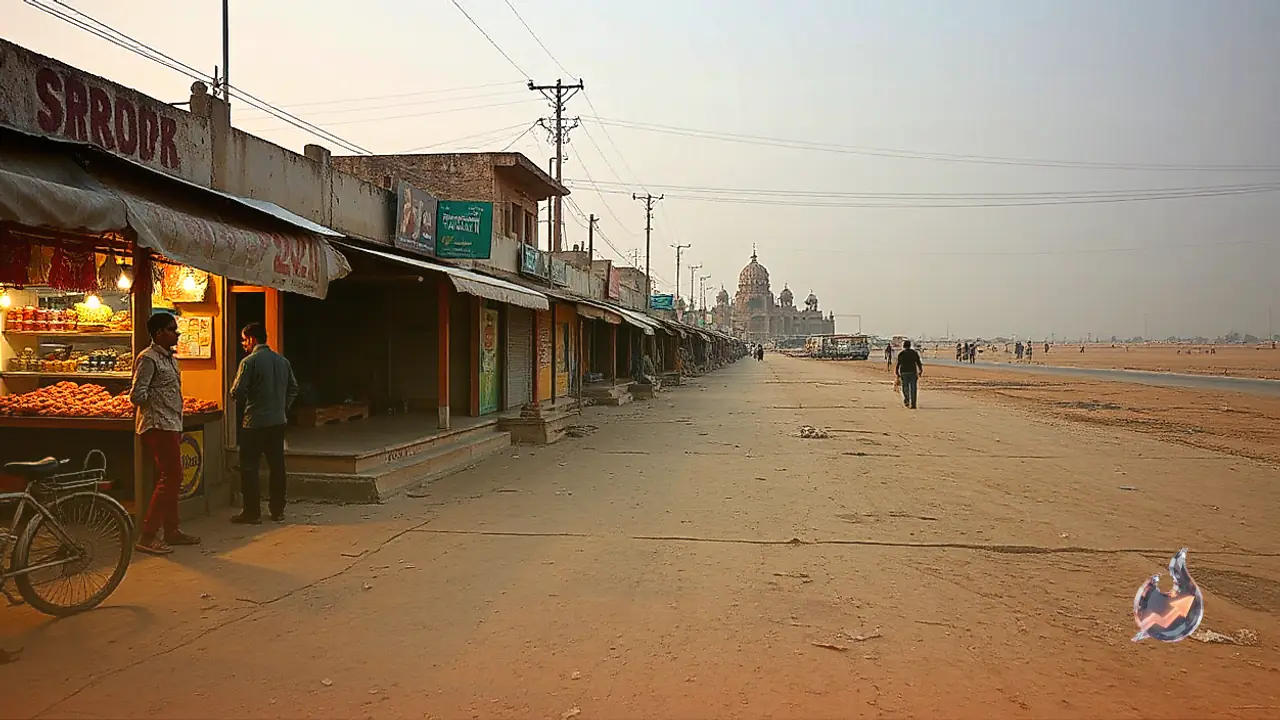


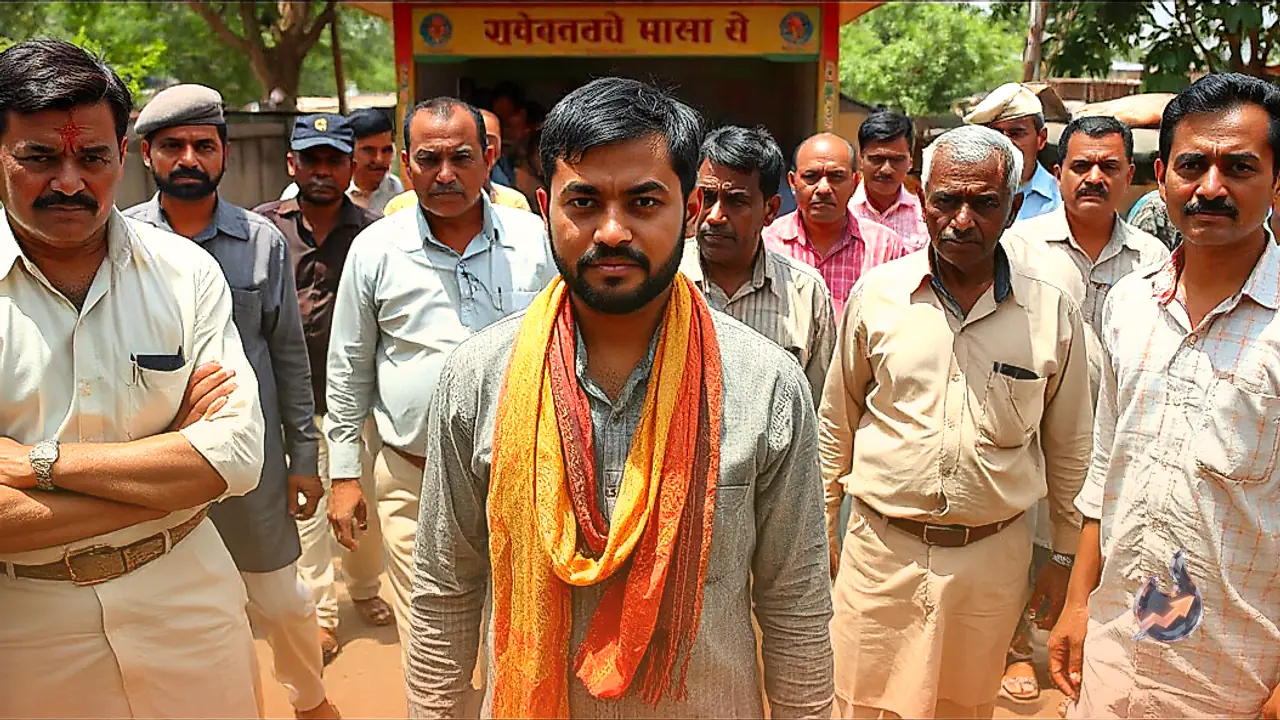

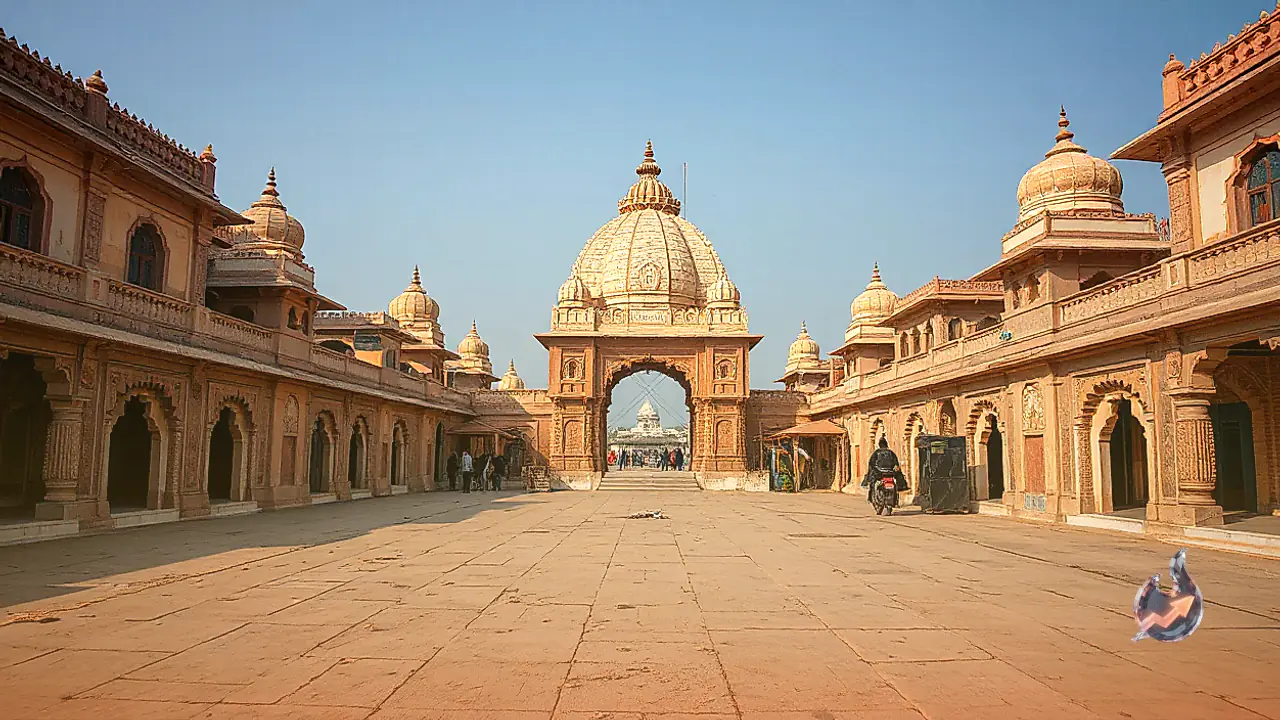














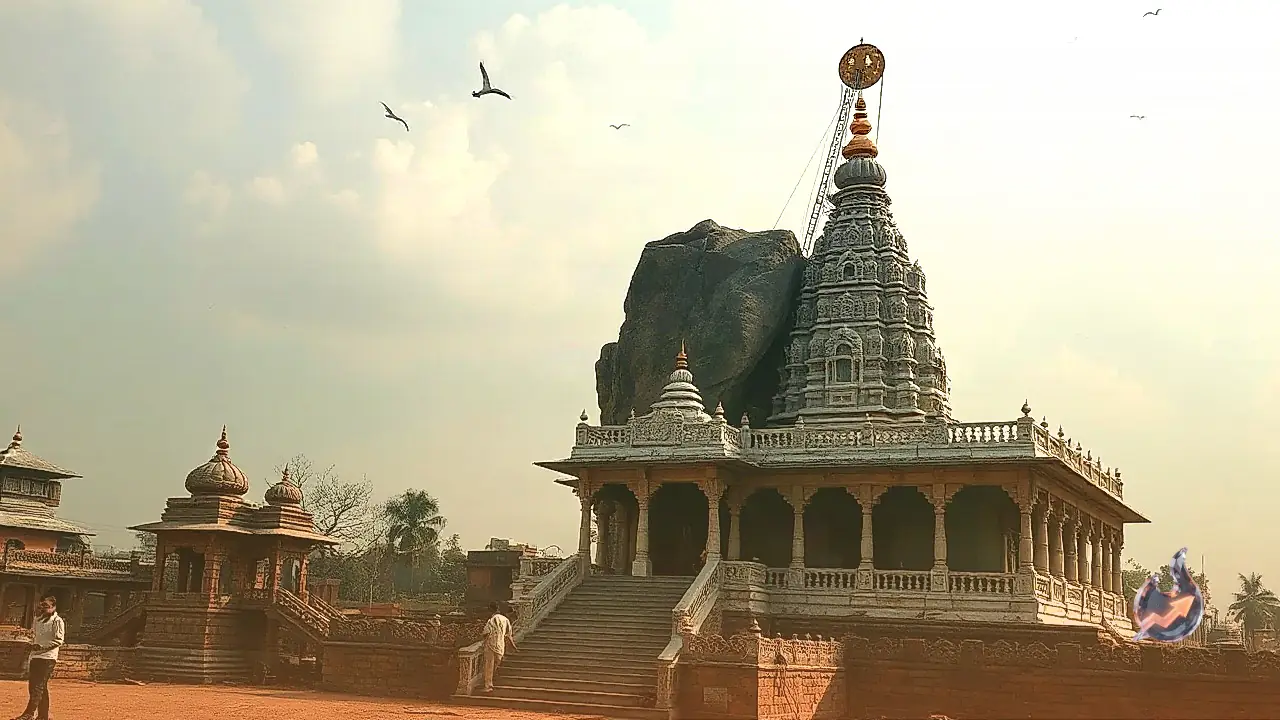

Situated close to the border of Garhwa and Palamu districts in Jharkhand, Khonhar village is home to a revered shrine that holds deep spiritual significance for pilgrims across the country. The Khonhar Nath Temple stands out among regional places of worship due to its unique natural Shivling and its exceptionally rare east-facing Arghya. Every year, during the festival of Mahashivratri, the temple grounds host a grand fair that draws massive crowds of devotees seeking blessings and participating in sacred rituals.
From a Dense Forest to a Prominent Pilgrimage Hub
According to temple priest Santosh Kumar Tiwari, the shrine dates back thousands of years. In ancient times, the entire surrounding landscape was covered by dense wilderness, where Lord Shiva was believed to reside in a completely natural setting. Over the centuries, the structure and surrounding complex evolved significantly. Today, this location functions not only as an important center of religious faith but also as a growing destination for local and regional tourism.
The Rare Significance of the East-Facing Arghya
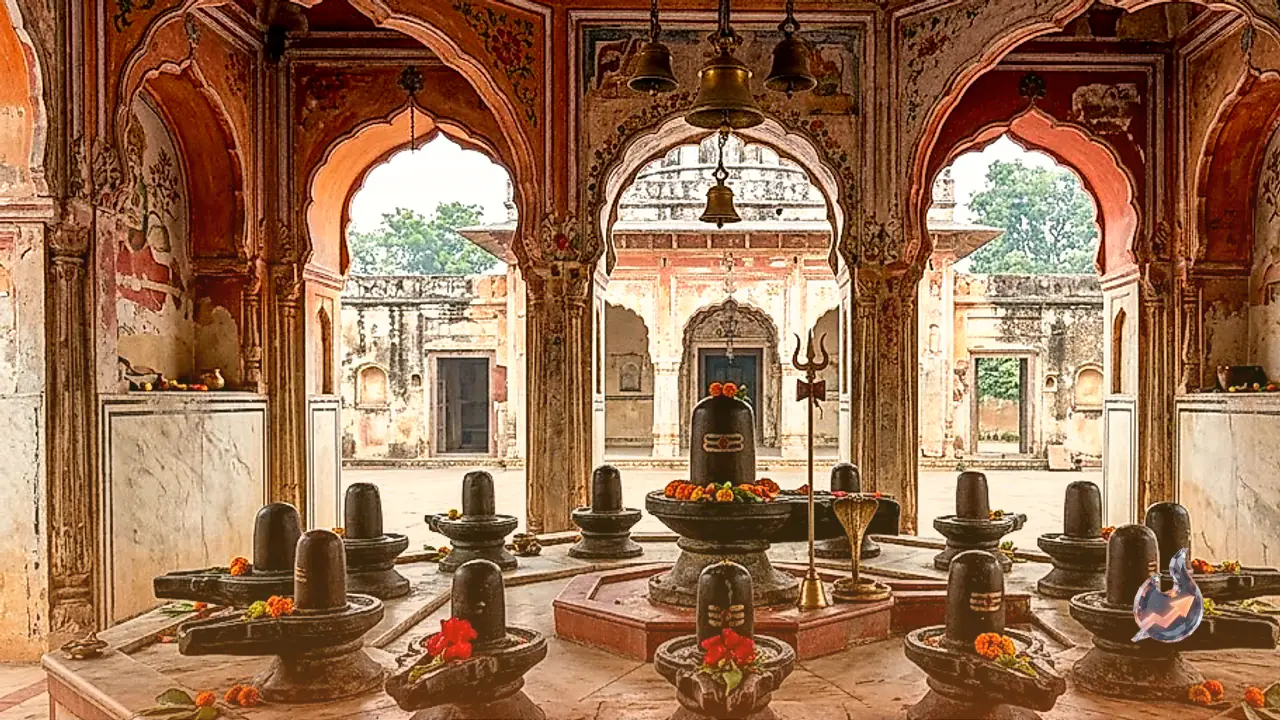
Originally recognized as the Khodar Nath Temple, the shrine's defining characteristic lies in the alignment and natural formation of its Shivling. Unlike conventional shrines where the Arghya traditionally faces northward, local belief holds that the Arghya at Khonhar Nath faces due east. Visiting saints, spiritual scholars, and devotees consider an east-facing orientation to be an extraordinary rarity. This specific geometric aspect gives Khonhar Nath Temple a distinct position in the spiritual landscape of eastern India.
Sacred Association with Goddess Ganga and Remote Devotees
The temple traditions also hold a strong belief regarding the presence of Goddess Ganga alongside Lord Shiva. The natural stone Shivling rests directly adjacent to an ancient natural rock, a spot held in high esteem by visitors. People travel long distances from major urban centers like Delhi, Kanpur, and Lucknow to pray here and fulfill their vows. Local resident Abhishek Pandey emphasizes that the sanctuary's true identity stems from the unshakeable faith connected to it over generations. During the auspicious month of Sawan and the annual festival of Mahashivratri, special worship ceremonies take place, attracting thousands of pilgrims.
Local Faith and Cultural Standing
While references to the temple being thousands of years old or classified as a 'rare Jyotirlinga' rest primarily on long-standing regional traditions and oral beliefs, its cultural footprint remains immense. The combination of a self-manifested natural Shivling and an east-facing Arghya makes Khonhar Nath Temple one of the most distinctive Shaivite shrines in Jharkhand.