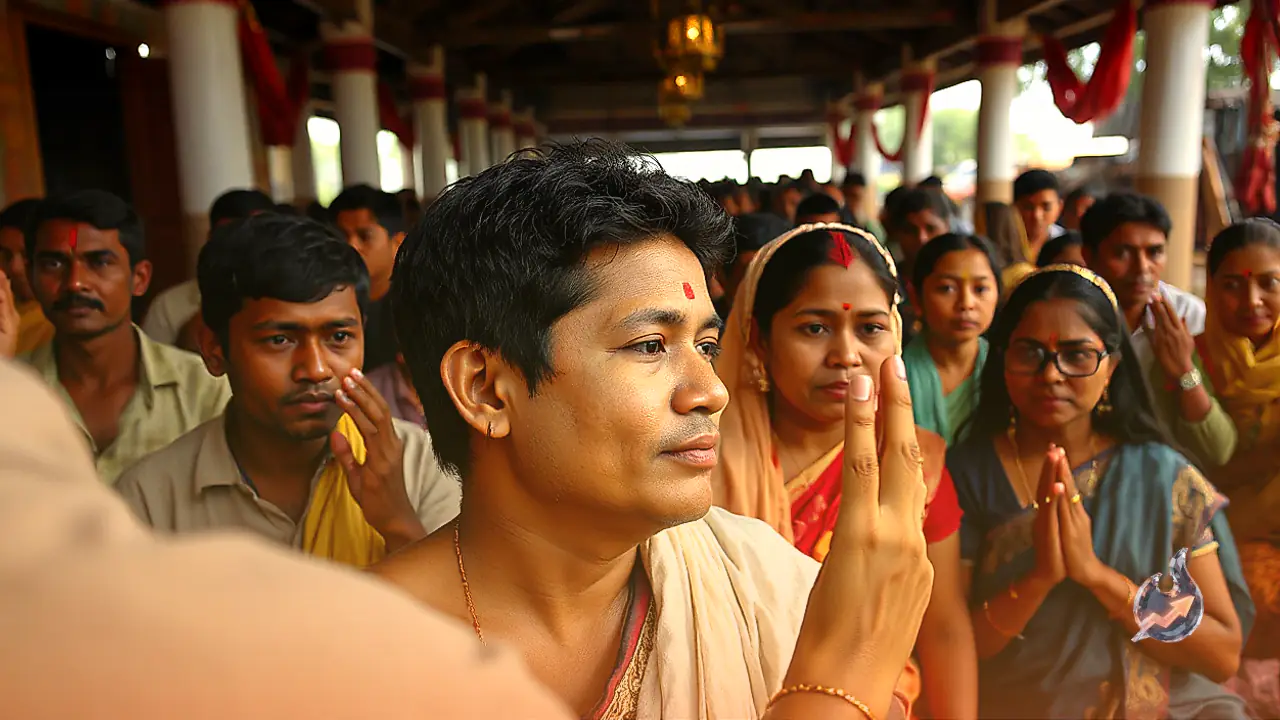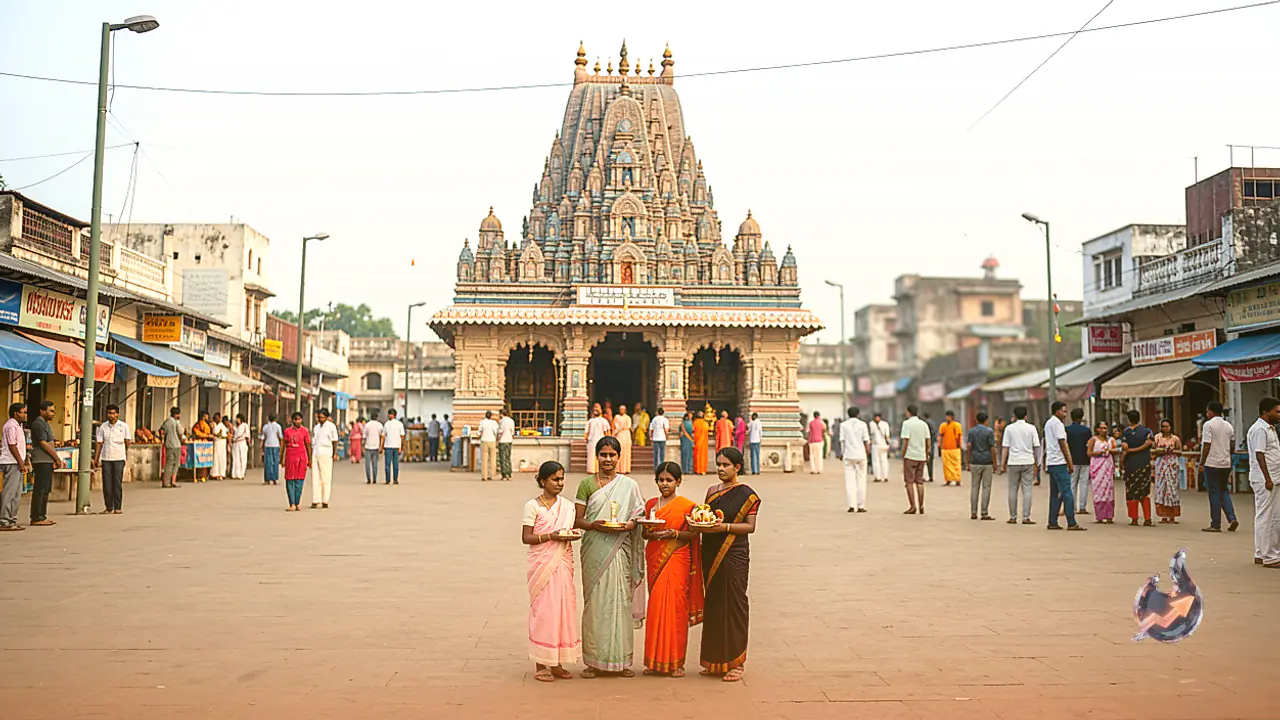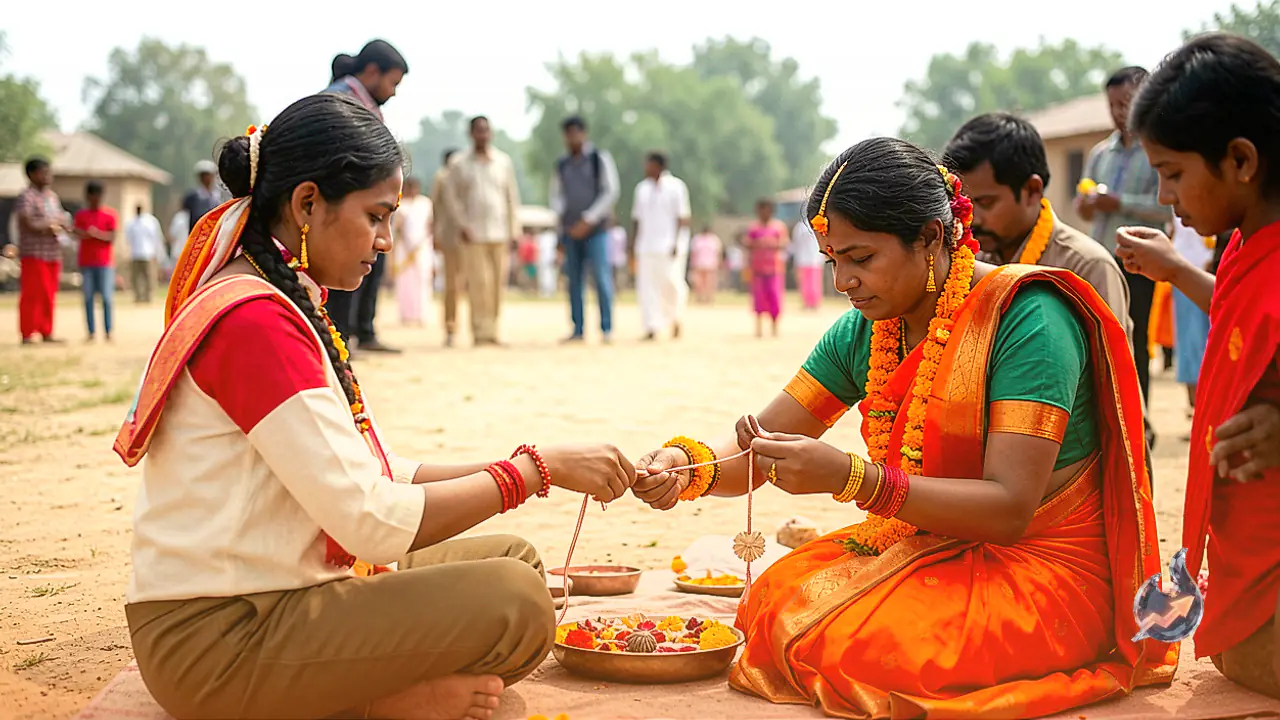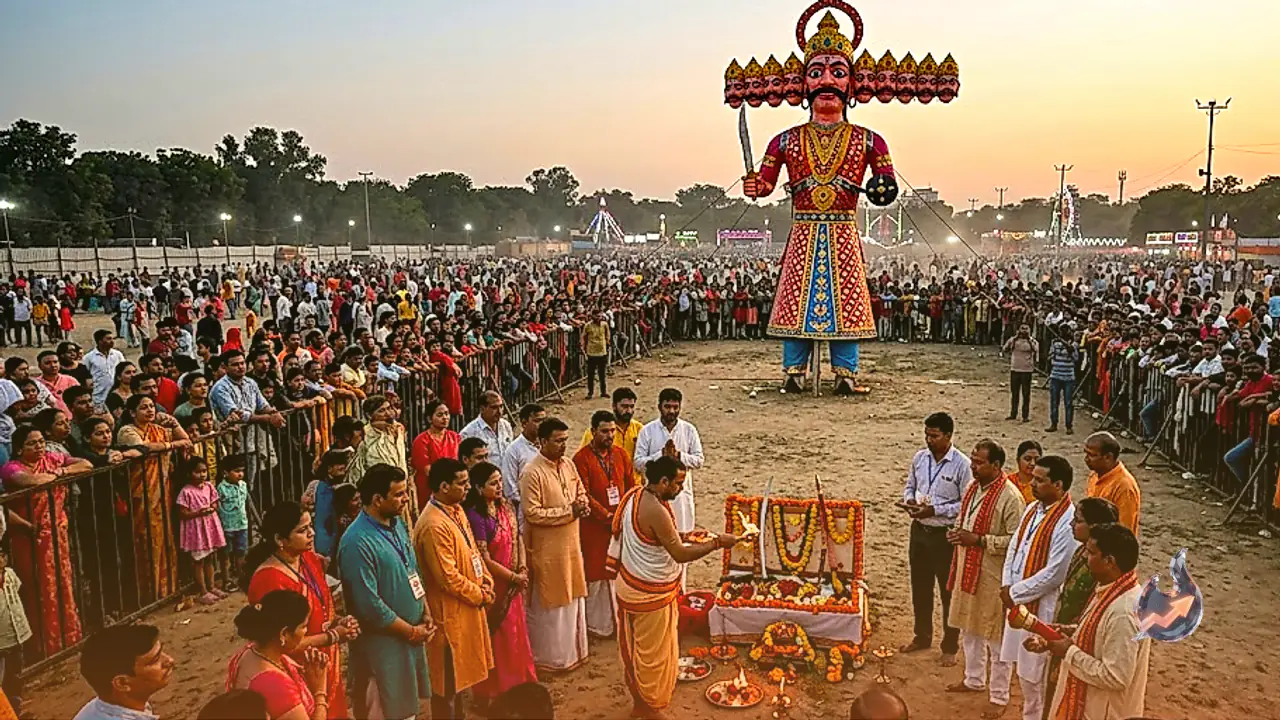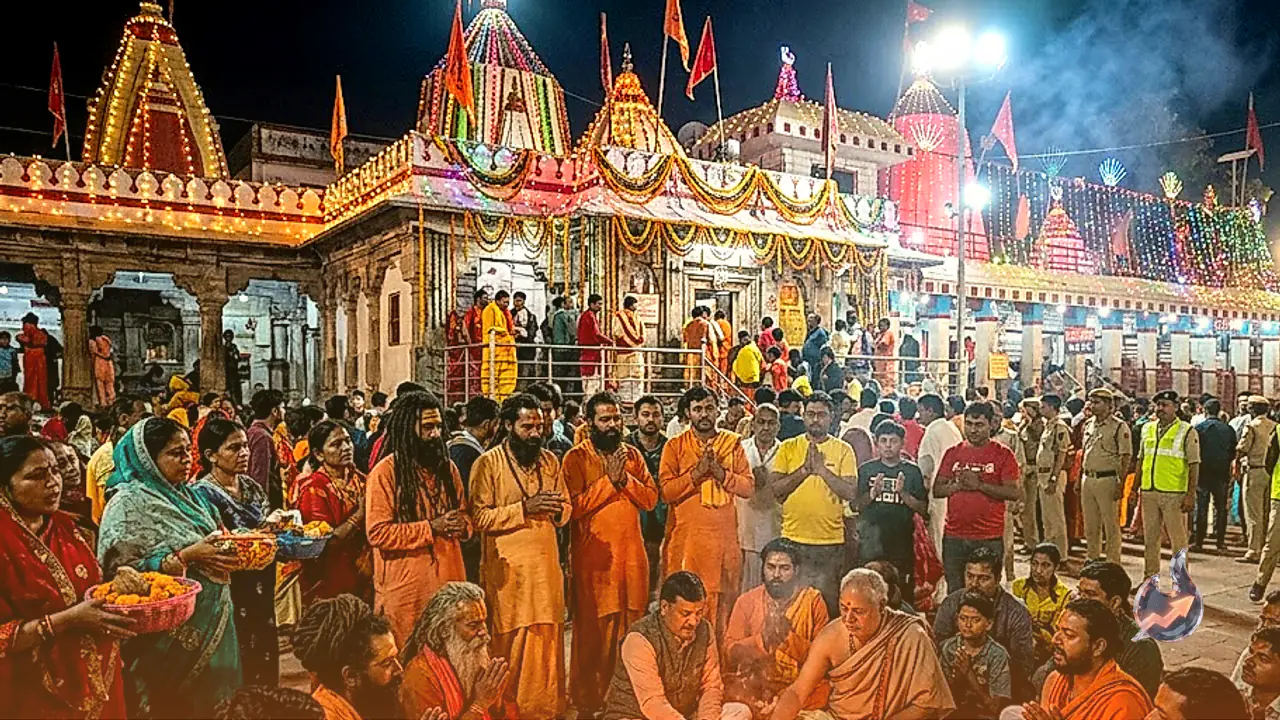























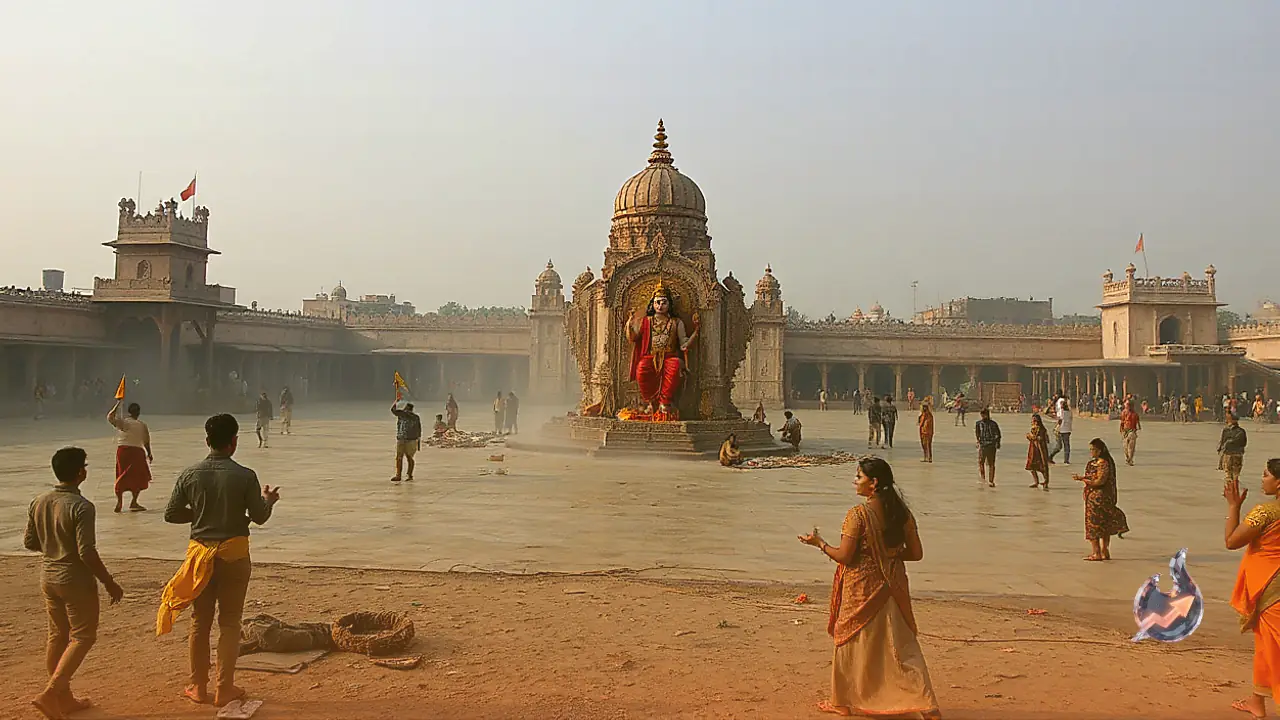

While every month in the Hindu calendar holds its own spiritual significance, the holy period of Sawan is uniquely revered as the most auspicious time for worshipping Lord Shiva. Throughout these four weeks, temples across the country witness millions of devotees performing rituals, observing fasts, and making offerings of sacred water, bilva leaves, dhatura, and seasonal blooms. Many worshippers often wonder why, out of all twelve months in a year, Sawan alone holds such an exclusive and sacred association with Mahadev. Ancient scriptures and long-standing oral traditions trace this special dedication back to profound mythological events that unfolded during the cosmic churning of the ocean.
The Emergence of Kaalkoot During Samudra Manthan
According to classical narratives shared by priest Pandit Kalki Ram from Ayodhya, the origin of this observance is rooted in the legendary episode of Samudra Manthan. When celestial beings and demons united to churn the cosmic ocean in search of the nectar of immortality, an intensely lethal poison known as Kaalkoot surfaced before any celestial treasures appeared. The sheer heat and toxic fumes emanating from this venom plunged all three realms into immense distress and panic, leaving neither gods nor demons with the means to counteract its destructive power.
Faced with the impending annihilation of the universe, all deities turned to Lord Shiva for salvation. Driven by boundless compassion for cosmic welfare, Mahadev accepted the burden and consumed the deadly Kaalkoot poison. Rather than allowing the venom to enter his stomach, he held it securely within his throat. The potent venom permanently turned his throat dark blue, earning the deity the revered title of Neelkanth across the cosmic order.
Cooling the Divine Flames: Indra's Rains and Soothing Offerings
Pandit Kalki Ram explains that even though the poison was confined to Shiva's neck, its burning intensity caused profound physical distress. Seeking to bring comfort to Mahadev, King Indra unleashed torrential showers across the earth to bathe the deity in cooling water. Concurrently, the celestial assembly and Shiva's devoted attendants began administering medicinal herbs known for their cooling properties, including cannabis leaves, dhatura fruit, fresh bilva foliage, and soothing flowers.
This prolonged cooling ritual began right at the onset of the month of Sawan and lasted for the entire duration of that lunar cycle. Relieved of the intense internal heat through continuous jalabhishek and cooling botanical offerings, Lord Shiva granted a benevolent boon to all the celestials. He declared that any devotee who reverently offers flowers, bhang, dhatura, and belpatra during Sawan would be bestowed with immense spiritual merit and eventually attain entry into Shivlok. Ever since, this sacred period has remained the focal point of devotion, rudrabhishek ceremonies, and festive piety dedicated to Mahadev.