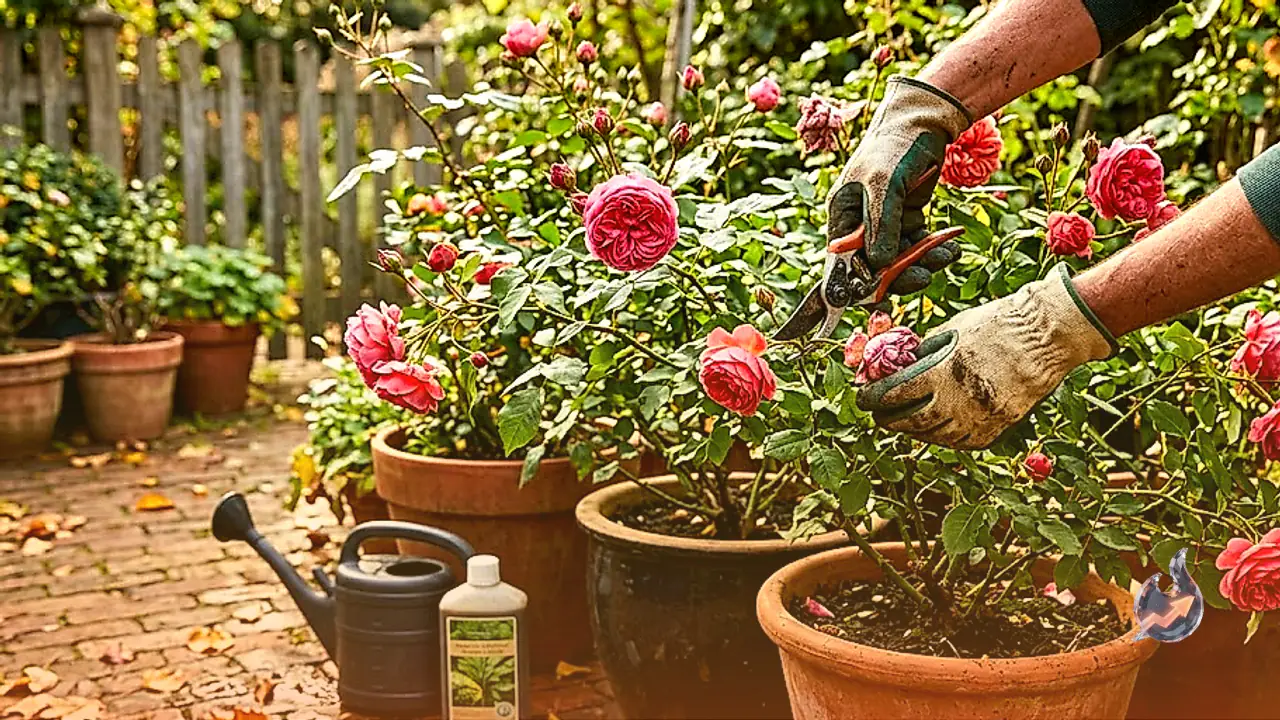























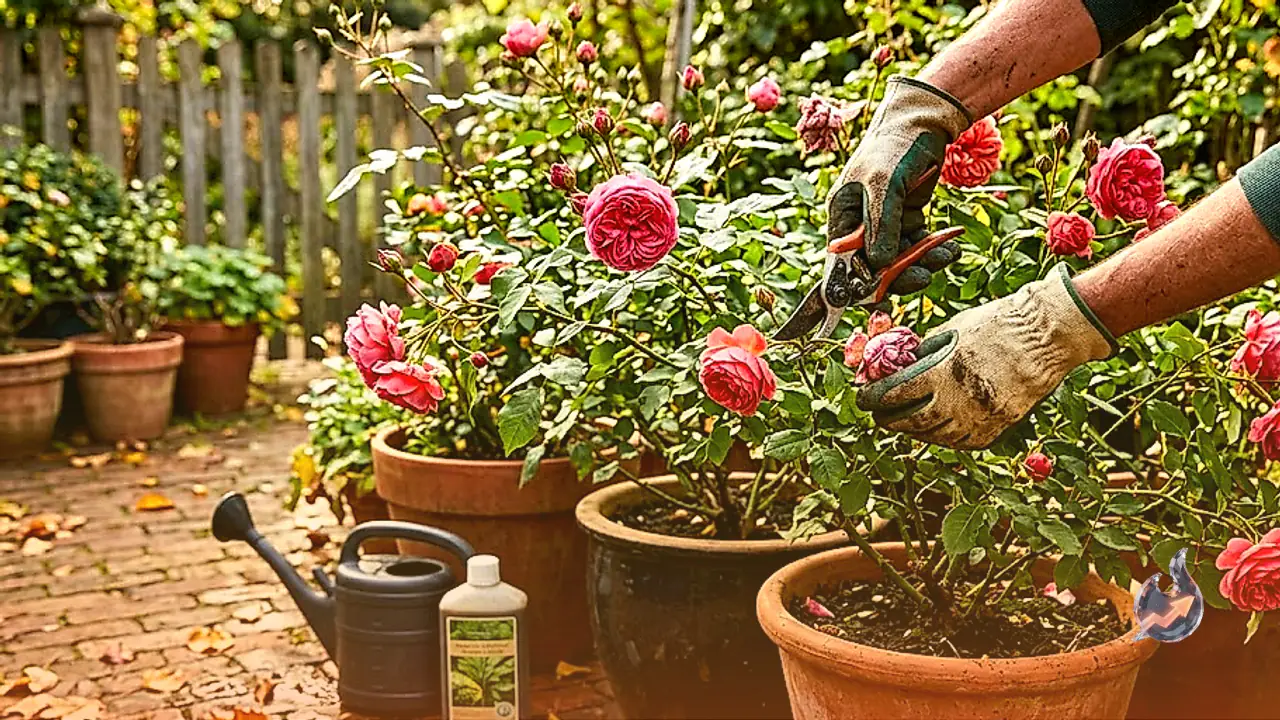

With the onset of October, ambient temperatures begin to decline, creating ideal weather conditions for rose bushes to thrive and produce abundant flowers. Neglecting these plants for extended periods often leads to drying branches, weakness, and vulnerability to various diseases. Experts note that gardeners should systematically trim away all dead, damaged, and diseased stems using clean tools to promote fresh growth and prevent the spread of infections to neighboring healthy foliage.
Precautions to Take During Pruning
While trimming the branches, precision is crucial for encouraging new shoots. Cuts should be made diagonally about half a centimeter to one centimeter above a healthy leaf node or bud. Additionally, excessively dense clusters of stems must be thinned out to ensure adequate sunlight penetration and air circulation throughout the entire plant structure. Gardeners must keep infected cuttings away from other plants and disinfect their cutting instruments regularly. If any signs of fungal infestations or insect attacks appear, appropriate fungicides or pesticides should be applied immediately according to the specific symptoms observed.
Watering and Nutrient Management
It is advisable to withhold watering immediately after pruning to prevent root damage caused by prolonged waterlogging in the soil. To boost the overall development of the rose plant, a nourishing liquid mixture can be prepared by soaking one kilogram of mustard cake along with 250 grams of DAP in 10 liters of water for two days. Applying a small cup of this fermented blend to the soil yields rapid growth results. Furthermore, if leaves turn yellow, develop spots, or show fungal symptoms, those affected leaves should be removed promptly, followed by the application of organic pest control methods to safeguard the plant.