


















Born in Mumbai on October 22, 1964, Amit Shah currently serves as the Union Home Minister and Minister of Cooperation for the country. On the occasion of his birthday, it is pertinent to review the core internal security issues that the central government has placed special emphasis on over the past several years. Among these, campaigns directed against Naxalism and efforts to curb illicit drug trafficking stand out as primary focal points. Following assumption of responsibilities at the Home Ministry, Shah laid consistent stress on bolstering coordination among diverse security agencies and expanding the reach of governmental administration into remote, affected regions. For the elimination of left-wing extremism, the administration had fixed a firm target ending in March 2026, while operations targeting the narcotics trade sought to empower the Narcotics Control Bureau, state police forces, and allied institutions. Understanding the achievements of these initiatives requires a careful examination of official statistics alongside ground-level transformations.
What Was the Strategy Against Left-Wing Extremism?
Left-wing extremism remained a grave challenge to India's internal security for a prolonged duration. Across affected regions spanning states like Chhattisgarh, Jharkhand, and Odisha, persistent violence severely disrupted developmental works and directly impacted the daily lives of ordinary citizens. The central government adopted a comprehensive strategy combining proactive security operations with accelerated delivery of infrastructure including roads, mobile telecommunication networks, banking facilities, and basic administrative services.
Union Home Minister Amit Shah formally announced the target of eradicating Naxalism by March 31, 2026, on August 24, 2024. Following this declaration, synchronized campaigns were executed through close cooperation between central and state administrations. Beyond direct actions by security personnel, significant emphasis was laid on the rehabilitation of surrendered insurgents and the promotion of targeted development initiatives within vulnerable districts.
On March 30, 2026, Shah articulated the government's official stance regarding the anti-Naxal campaign within the Lok Sabha. He informed the house that the construction of 17,589 kilometers of roads had been approved across Naxal-affected territories, out of which approximately 12,000 kilometers had already been successfully paved. He further highlighted the continuous expansion of mobile network coverage, banking branches, and other vital grassroots infrastructure.
The Decisive Milestone on March 31, 2026
On March 31, 2026, the central government formally announced the fulfillment of its objective to rid India of Naxalism. This milestone is widely counted among the foremost internal security achievements of Amit Shah's tenure. Nonetheless, it remains essential to view this announcement within the proper context of the official campaign's stated objectives and subsequent ground assessments.
The execution of this campaign involved the concerted participation of Central Armed Police Forces, state police organizations, and local security units. Priorities included the establishment of security camps deep within affected zones and the execution of targeted raids backed by actionable intelligence. Parallelly, structured policies were put into practice to offer individuals who surrendered an viable pathway back into the national mainstream.
The second pillar of this strategic framework was centered on holistic development. The rapid expansion of road networks and robust communication channels facilitated the extension of administrative governance into isolated geographies, thereby paving the way for easier local access to essential public services.
Measures Undertaken Against the Drug Trade
The illicit trafficking of narcotics is not merely a matter of routine law enforcement; it exerts a profound and detrimental impact on the well-being of youth, families, and societal security at large. The central government laid persistent emphasis on fostering seamless coordination among the Narcotics Control Bureau, state police departments, and multiple regulatory agencies to dismantle drug syndicates.
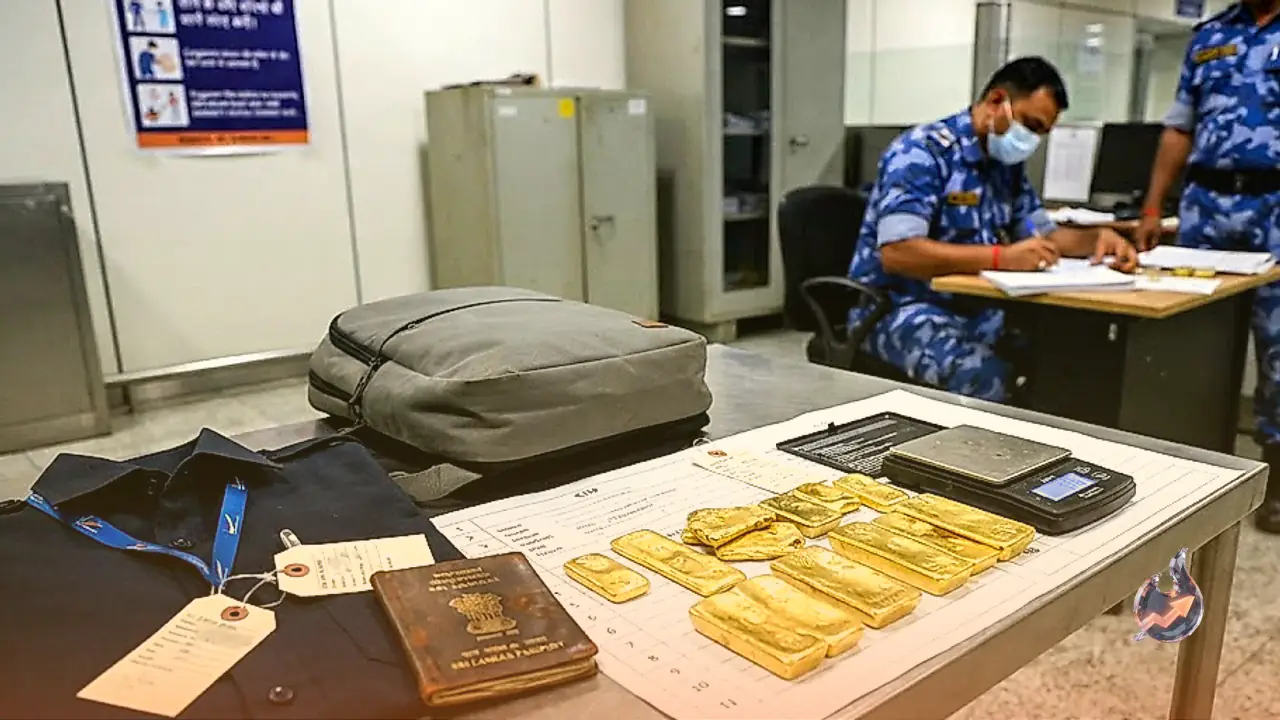
According to official figures, approximately 1.11 million kilograms of illicit drugs were seized across the country during the period spanning from 2014 to 2025. The estimated street value of these confiscated substances was pegged at roughly 1.71 trillion rupees. Referencing these metrics, Home Minister Amit Shah repeatedly emphasized the absolute necessity of intensifying anti-drug operations and systematically dismantling supply networks.
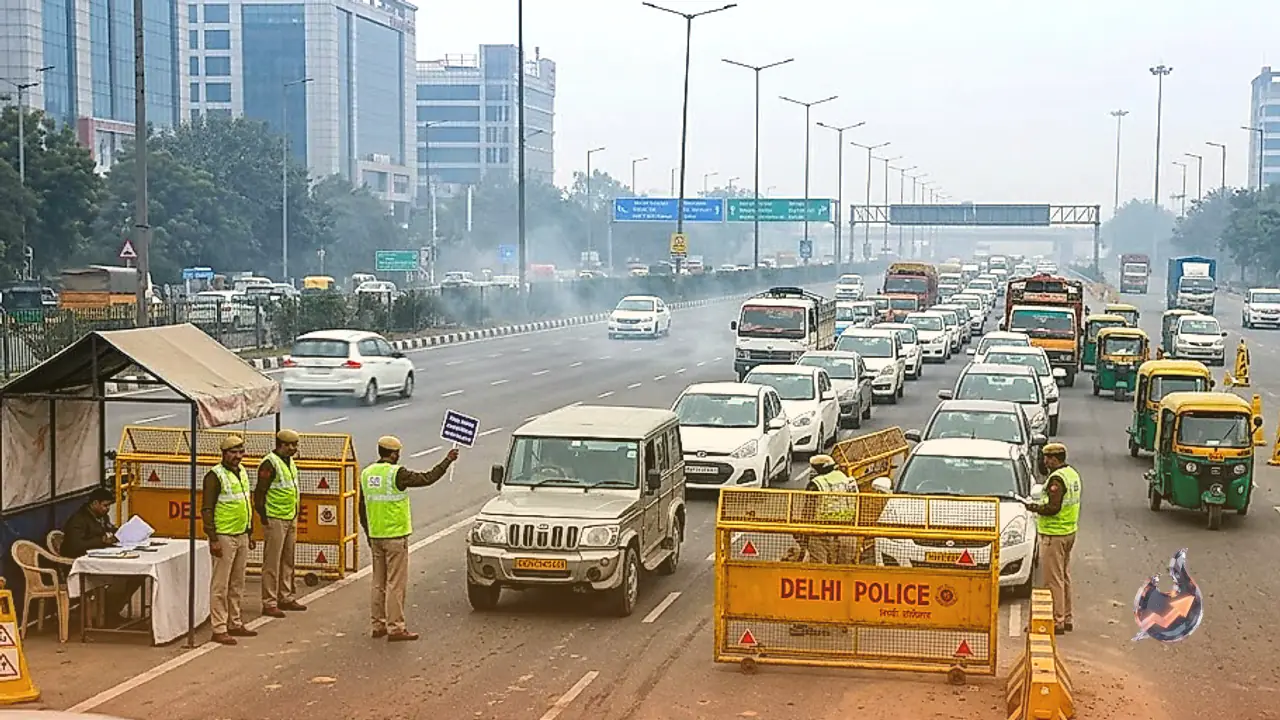
On March 31, 2025, during a joint operation conducted within the Delhi-NCR region, the Narcotics Control Bureau and Delhi Police successfully intercepted significant quantities of methamphetamine, MDMA, and cocaine. The value of these seized narcotics was estimated at approximately 27.4 crore rupees, leading to the apprehension of five individuals. Subsequently, in April 2025, a coordinated raid by the Gujarat ATS and the Indian Coast Guard resulted in the seizure of 300 kilograms of contraband near international maritime borders. These specific cases illustrate that enforcement actions extended far beyond street-level peddling to target high-level networks.
Has the Menace of Narcotics Been Completely Eradicated?
While substantial seizures and high-profile arrests constitute crucial components of the anti-narcotics campaign, they do not automatically warrant the conclusion that the underlying problem has been entirely eradicated. Alongside weakening trafficking cartels, it remains equally critical to systematically suppress consumer demand and provide adequate medical treatment and rehabilitation facilities to individuals struggling with addiction.
In February 2026, the central government outlined a comprehensive three-year roadmap designed to render India completely drug-free from 2026 through 2029. This blueprint focused heavily on dismantling supply chains right from their primary sources down to local distribution points while optimizing inter-agency cooperation.
Therefore, evaluating Amit Shah's tenure requires looking beyond aggregate figures of seized narcotics, arrested suspects, and targeted raids to encompass broader preventive and rehabilitative outcomes. While stated governmental targets carry significant weight, ultimate long-term success will be measured by the permanence of reductions achieved in the active availability and consumption of illicit substances.