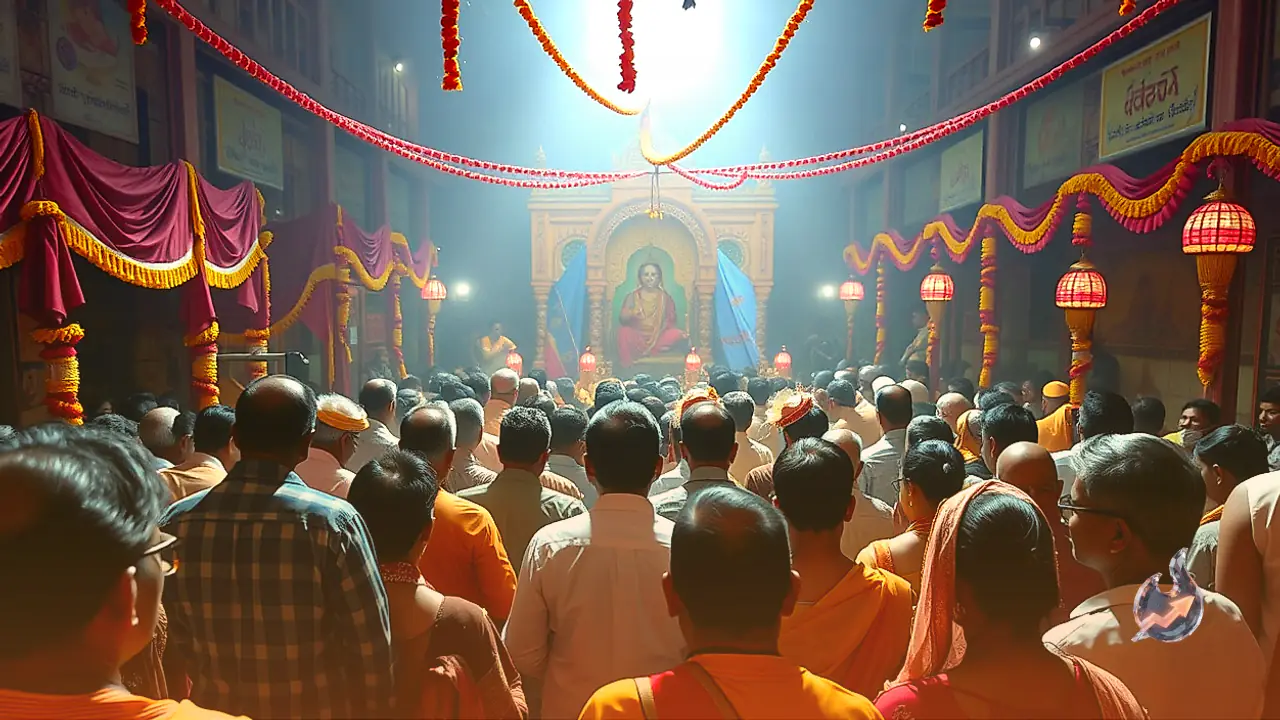






















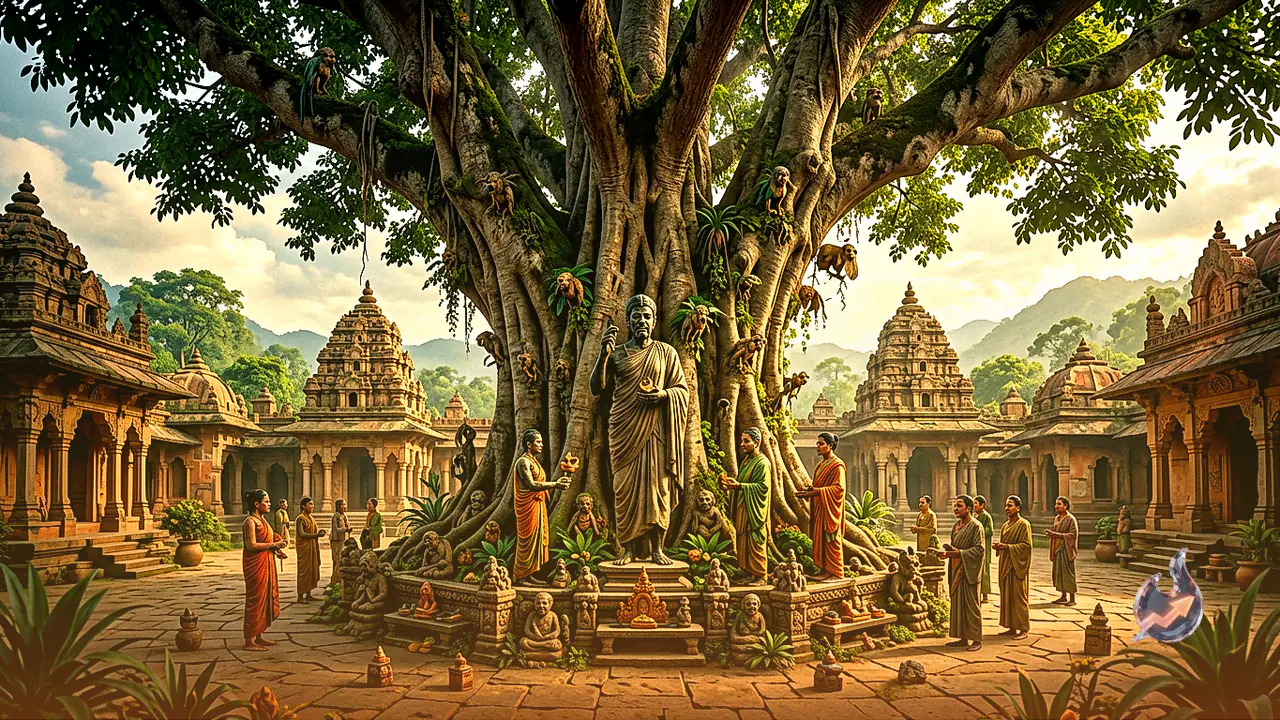

The Ram Janaki temple located in the Nichlaul area of Maharajganj district, Uttar Pradesh, is currently drawing widespread attention due to a unique natural heritage housed within its premises. Standing directly behind the main temple structure is an exceptionally ancient and massive Gular (cluster fig) tree whose precise age remains entirely unknown. For local residents and visiting devotees, the sheer size and historical presence of this tree have turned it into a centerpiece of fascination. Spanning across multiple generations, the tree has maintained its majestic form, serving as an enduring symbol of spiritual faith and local heritage.
Three Generations of Priestly Lineage and an Unknown Age
The spiritual lineage connected to the Ram Janaki temple runs deep within the family of the current head priest. Serving as the third consecutive generation of priests performing daily worship at the shrine, he shares that the tree's history extends far beyond living memory. According to him, his great-grandfather used to describe this very Gular tree, recalling that it stood in virtually the exact same expansive and towering state during his own era.
Because the tree was already fully grown and massive during the time of the current priest's great-grandfather, estimating its true age has proved virtually impossible. Over the decades, the tree has become intrinsically woven into the historical record and personal memory of the temple's custodians. Every visitor arriving at the shrine finds themselves captivated by the sheer scale of its ancient trunk and canopy.
A Sacred Refuge for Local Wildlife and Avian Species
A particularly remarkable aspect of this ancient Gular tree involves the consumption of its fruit. Unlike typical fruit-bearing trees where harvest is common, human devotees never pluck or consume the figs growing on this sacred tree. Out of reverent tradition and respect for the temple environment, the fruit is left entirely untouched by people.
Instead, the tree serves as an abundant feeding ground exclusively for local wildlife. Throughout the day, troops of monkeys and various bird species gather along its sturdy branches to feast on the ripening fruits. Pilgrims visiting the temple complex frequently observe these birds and monkeys feeding peacefully in the branches, creating a harmonious blend between religious devotion and natural biodiversity.
Resisting Proposals for Removal to Protect Living History
Beyond its spiritual significance, the Gular tree enhances the immediate environment of the Ram Janaki temple by offering dense shade and lush greenery, keeping the surroundings cool and serene. For the local community, it has long been considered an indispensable element of the temple grounds. However, the tree faced a moment of uncertainty when suggestions were put forward to fell it.
Recognizing the historical and ecological value of the tree, the temple priest firmly opposed any attempt to cut it down. He pointed out that the ancient tree posed no danger or harm to the physical temple structure or to visiting devotees. Advocating for preservation over destruction, his strong resistance ensured that the tree remained intact. Today, the giant Gular tree stands not merely as a botanical specimen, but as a living testament to the preserved heritage and unwavering faith associated with the Ram Janaki temple.