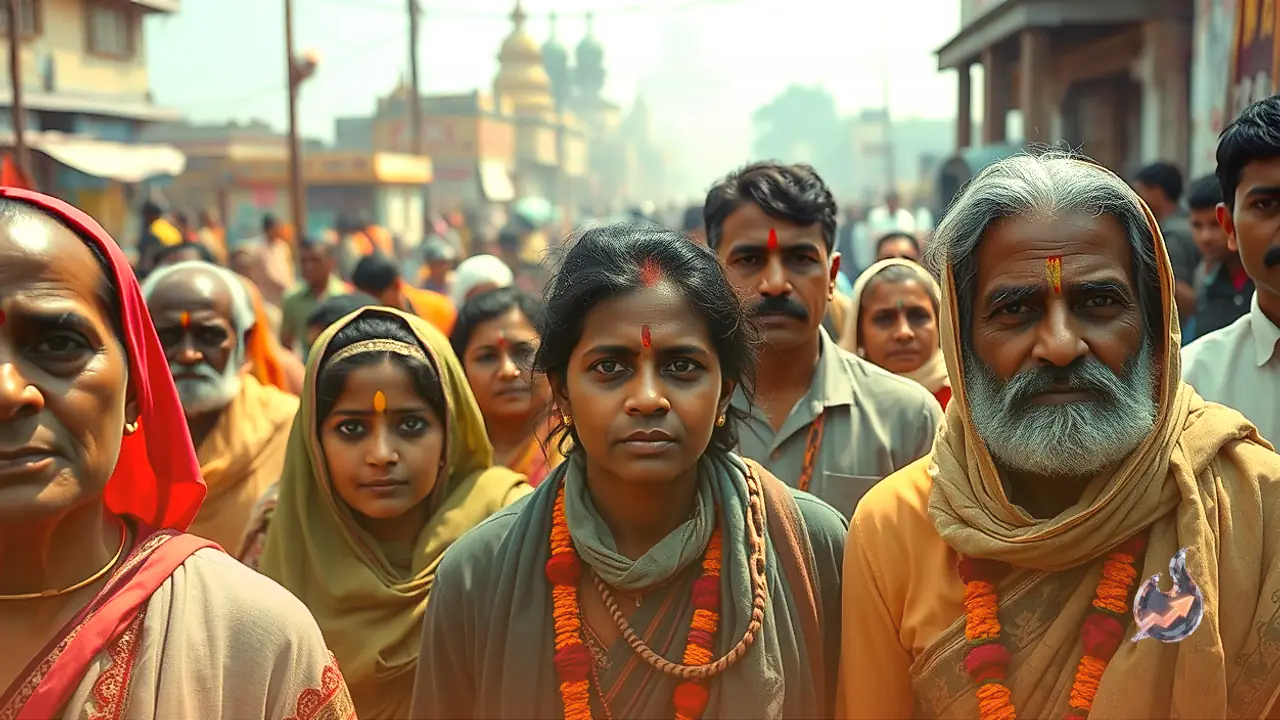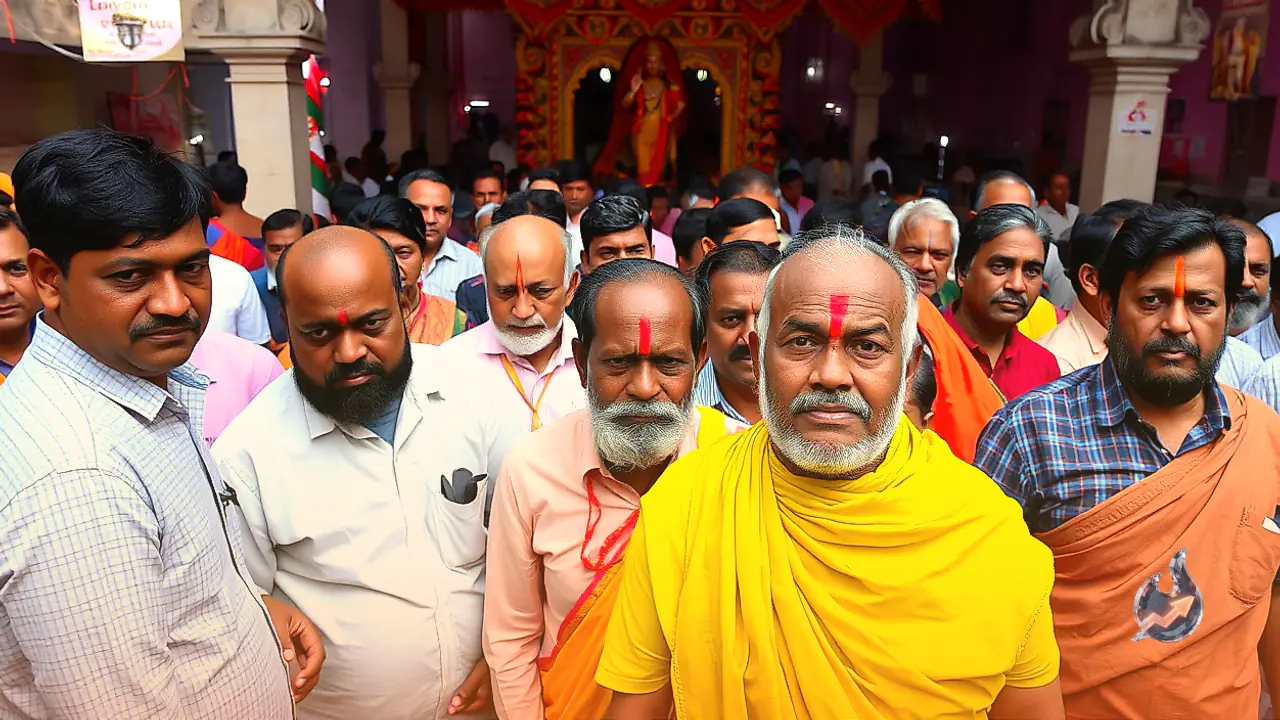















Indian festive traditions often celebrate shared spiritual themes through distinctly different cultural lenses. A prime example is the observance of Sharadiya Navratri and Durga Puja during the autumn month of Ashwin. While both festivals venerate feminine divine energy and mark the triumph of righteousness over evil, they are not identical. Navratri is deeply centered on individual spiritual discipline, penance, and the worship of nine distinct forms of the Goddess, whereas Durga Puja is a grand communal commemoration celebrating the homecoming of Mahishasuramardini and her cosmic victory.
Timeline and Festive Durations
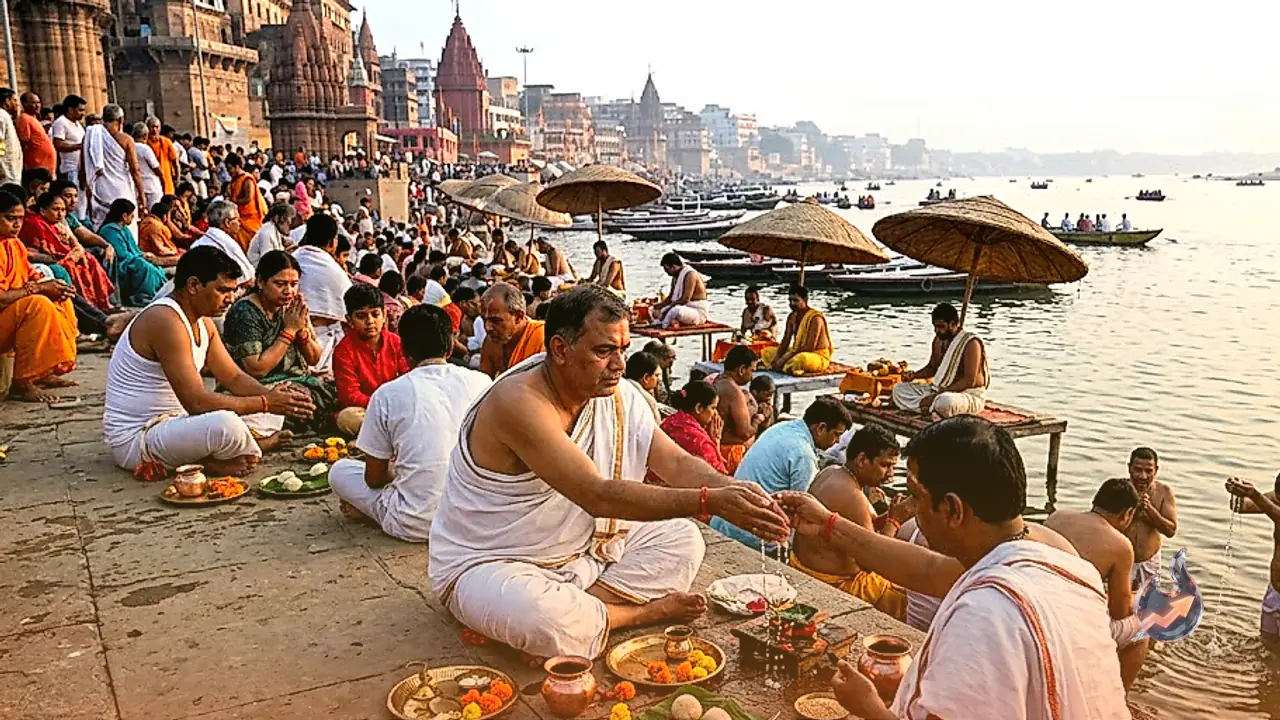
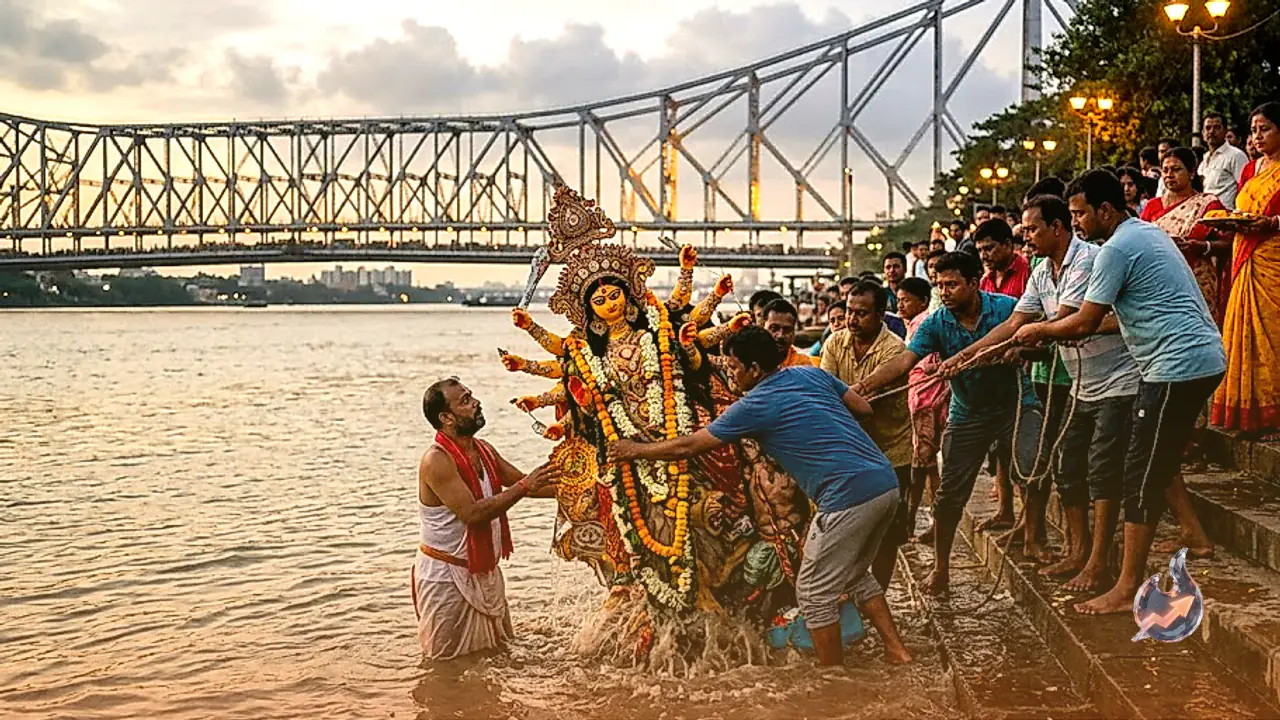
The schedules and spans of the two celebrations reflect notable structural differences. Sharadiya Navratri begins on the Pratipada tithi of the Shukla Paksha in the month of Ashwin and spans nine nights and days. In 2026, Sharadiya Navratri runs from October 11 to October 19, followed by Vijayadashami on October 20, 2026. In contrast, while the festive atmosphere of Durga Puja is ushered in on Mahalaya, the formal rituals take place over five primary days from Shasthi to Dashami. For 2026, the key festivities of Durga Puja will be observed from October 16 to October 21, concluding with Sindoor Khela on October 20 and idol immersion on October 21.
Iconography and Forms of Worship
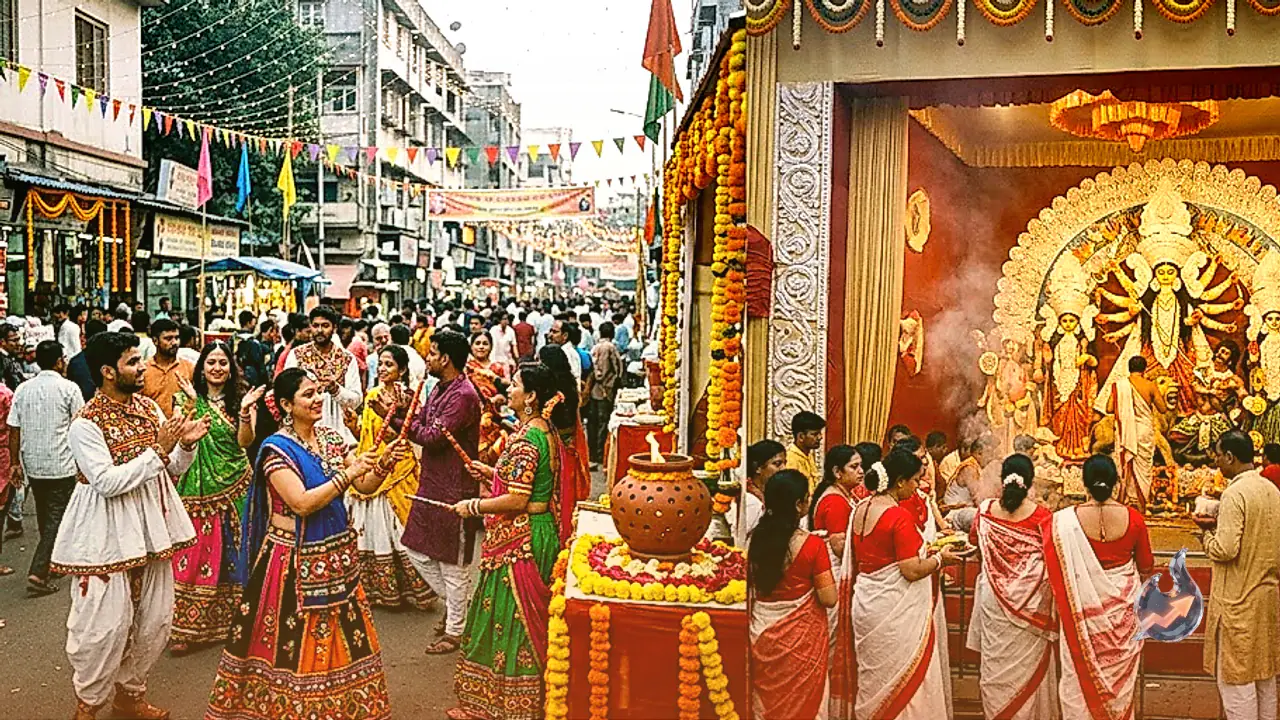
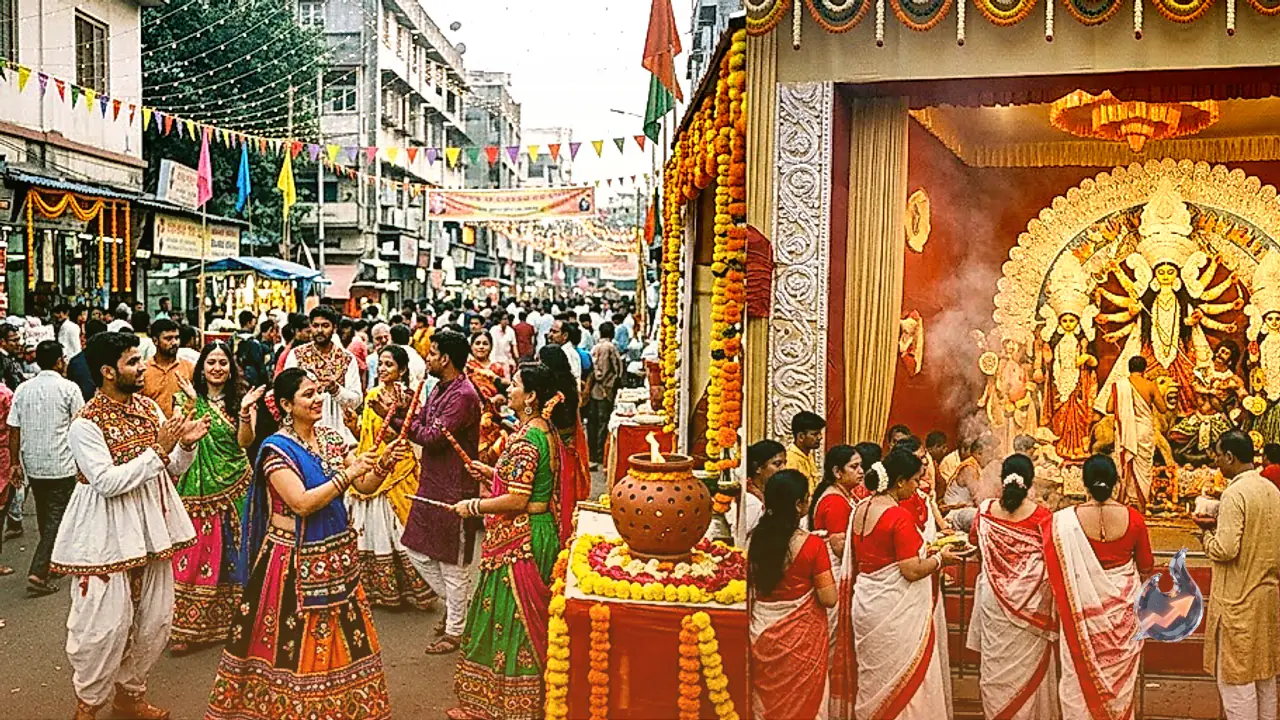
The central deity presentation differs fundamentally between the two traditions. Navratri focuses sequentially on the Navadurga—the nine individual manifestations of Goddess Durga worshipped day by day: Shailputri, Brahmacharini, Chandraghanta, Kushmanda, Skandamata, Katyayani, Kalaratri, Mahagauri, and Siddhidatri. In contrast, Durga Puja centers around a monumental tableau depicting Goddess Durga as Mahishasuramardini, slaying the buffalo demon. Flanking her in the ornate pandals are her divine children: Goddess Lakshmi, Goddess Saraswati, Lord Ganesha, and Lord Kartikeya, representing holistic prosperity, wisdom, and strength.
Fasting Rules and Culinary Practices
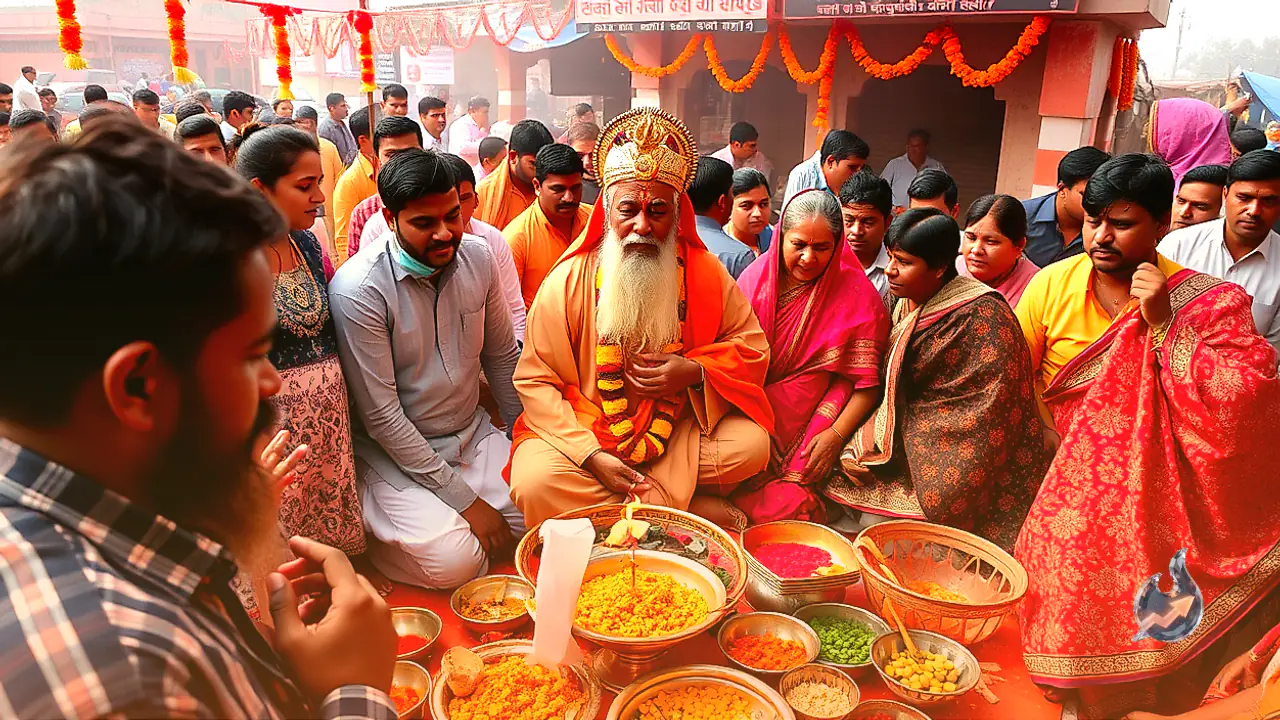
The devotional expressions around food and fasting showcase contrasting practices. Across northern and central India, devotees observing Navratri undertake strict nine-day fasts, adhering to a disciplined sattvic diet. Conversely, across eastern India—especially in West Bengal, Assam, Tripura, and Odisha—Durga Puja is celebrated through shared feasts. Rather than abstaining from food, worshippers partake in sacred Mahaprasad, elaborate bhog offerings, and rich traditional delicacies prepared for family and community gatherings.
Ceremonial Rites and Daily Rituals
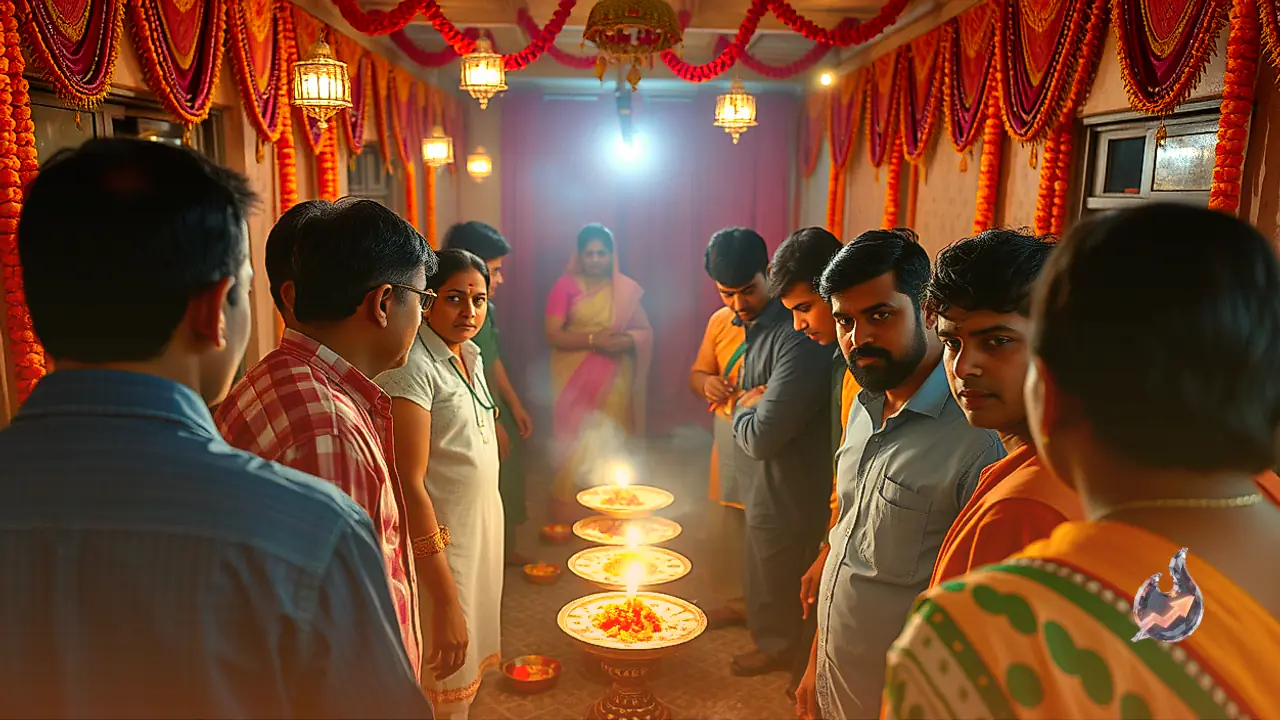
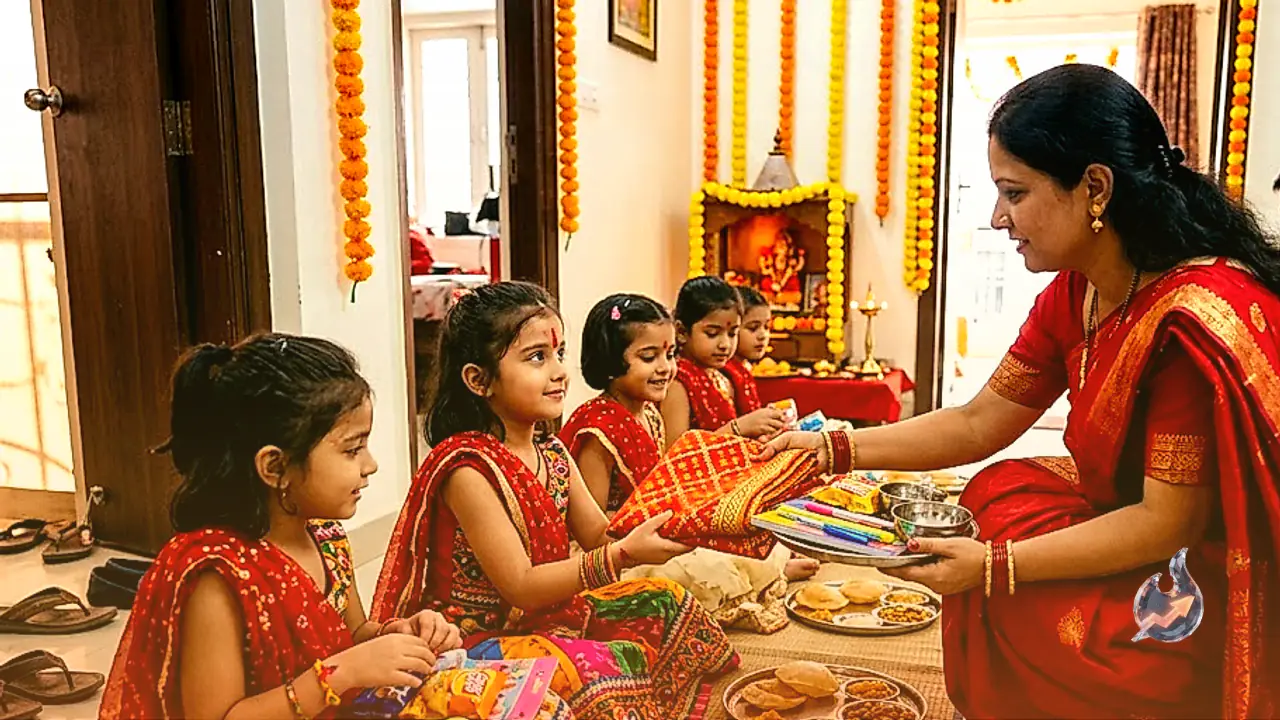
The core rituals of each festival carry their own unique liturgical format. Navratri commences with Ghatasthapana (Kalash Sthapana) in homes and temples, accompanied by daily recitations of the Durga Saptashati or Durga Chalisa, steady diya lighting, and regular aarti. The observance culminates with Kanya Pujan on Ashtami or Navami. In Durga Puja, specialized priests conduct Bodhon, Pushpanjali, and vibrant aartis within artistically themed pandals. Crucial rites include the potent Sandhi Puja at the juncture of Ashtami and Navami, culminating in Vijayadashami ceremonies.
Cultural Festivities and Regional Colors
Each festival brings its own cultural signature to public life. Navratri nights across western and northern India are alive with Garba, Dandiya Raas, and theatrical Ramlila performances. Durga Puja turns eastern regions into massive open-air cultural celebrations driven by the rhythmic beats of the dhak, dynamic Dhunuchi Naach, and the joyful farewell ritual of Sindoor Khela before the sacred pratima visarjan. Despite their distinct customs, both festivals ultimately celebrate spiritual rejuvenation, societal unity, and the enduring power of faith.