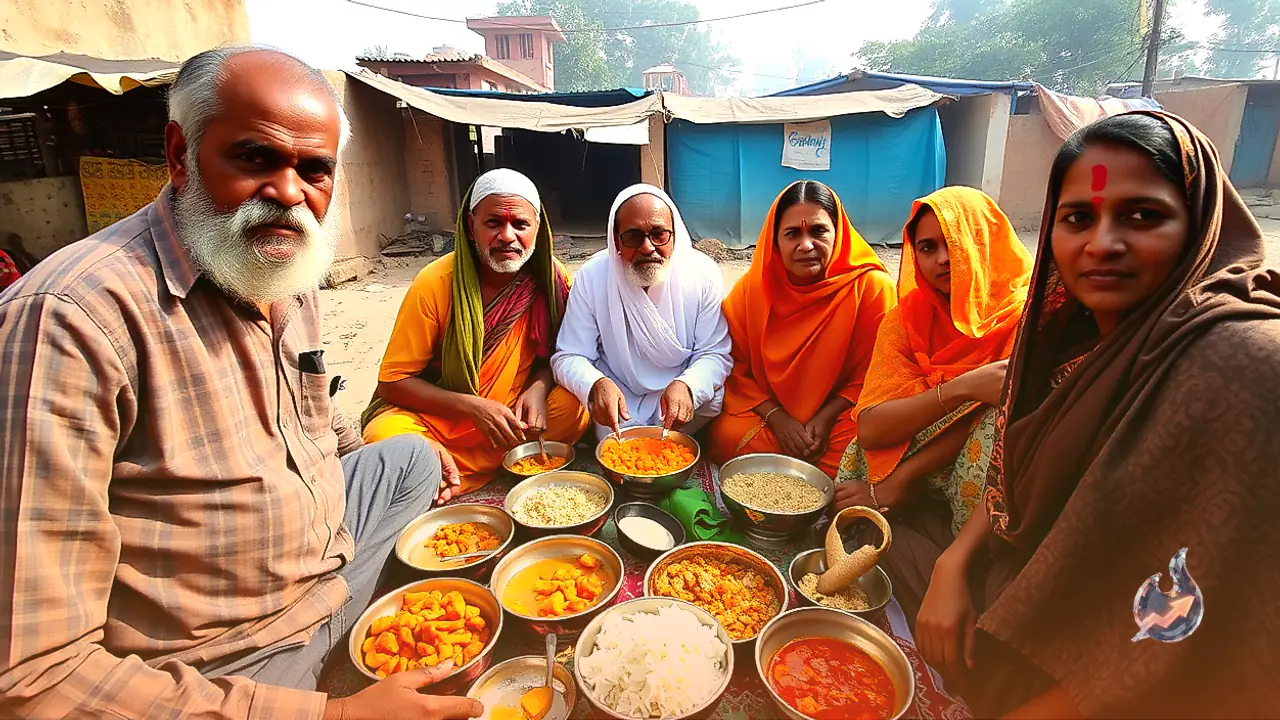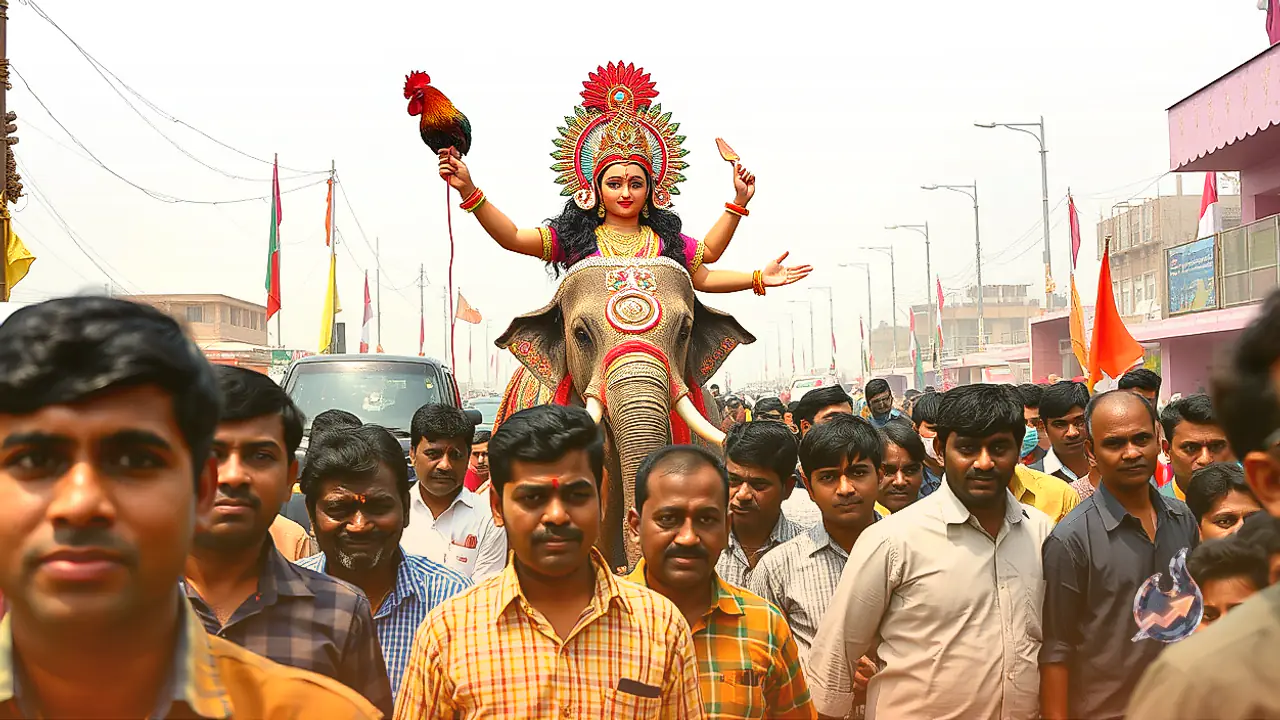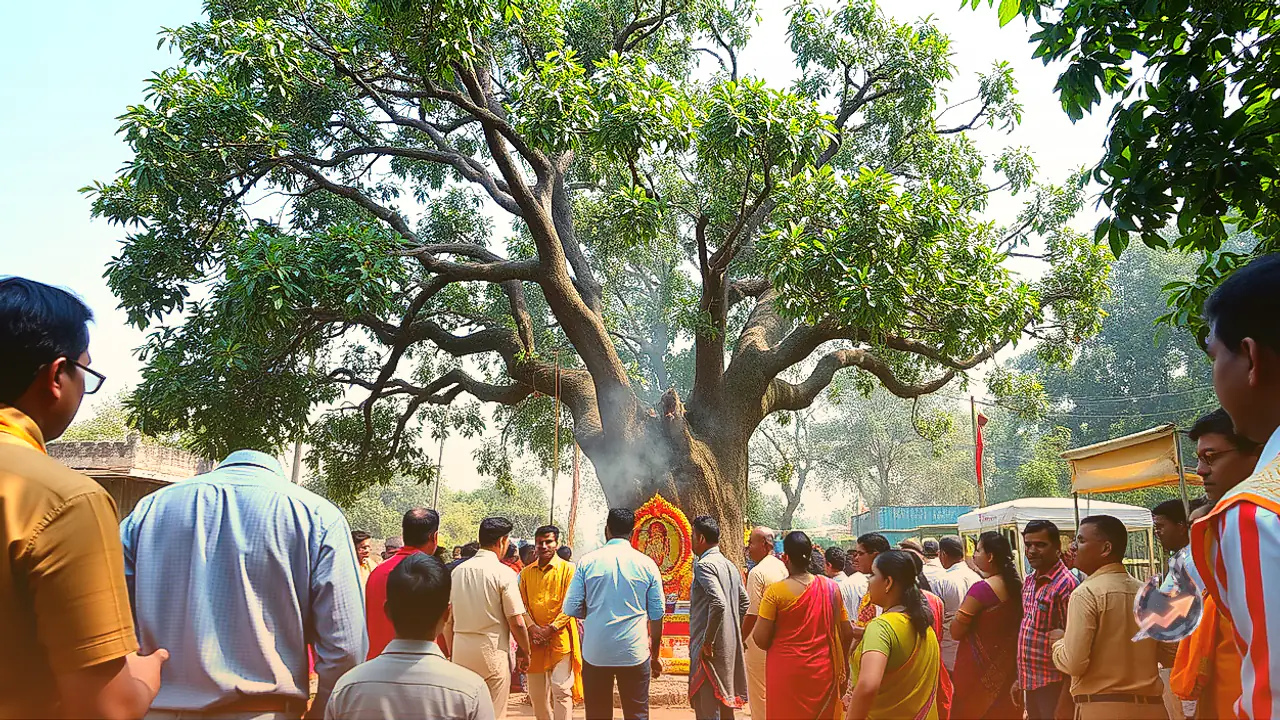





















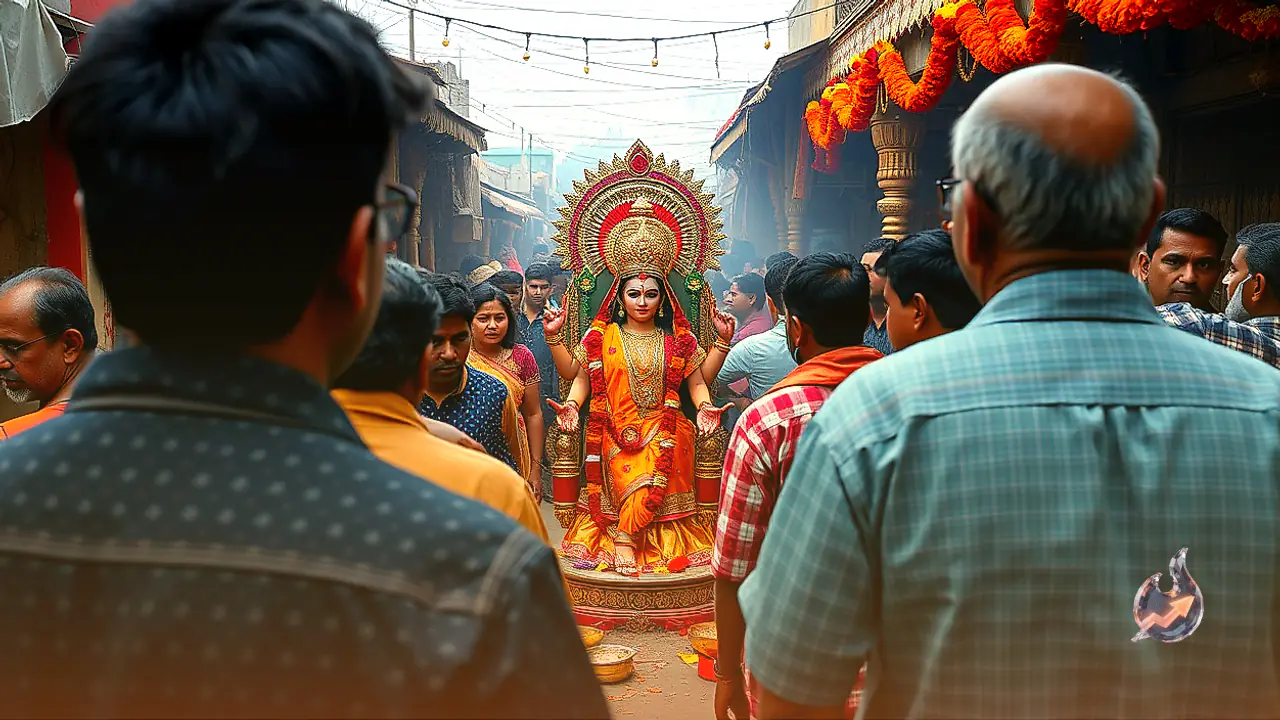

The auspicious festival of Shardiya Navratri will commence on October 11 and conclude on October 19, bringing nine days of continuous worship and religious observance. Throughout this period, devotees offer prayers to the nine divine forms of Goddess Durga. The opening day holds paramount importance as worshippers set up the sacred altar, install the idol alongside Lord Ganesha, perform the Kalash Sthapana, and sow barley seeds. Many families also observe the discipline of lighting an Akhand Jyoti that burns without interruption for the entire duration of the festival.
Complete Checklist of Essential Durga Puja Samagri
A properly arranged altar requires specific traditional items to carry out daily rituals smoothly. The primary requirements include an idol or framed image of Goddess Durga, an idol of Lord Ganesha, a wooden platform, and a seating mat. Worshippers spread a clean red cloth on the platform and keep sacred red thread (kalawa or mauli), fresh flowers, and floral garlands ready for the deities.
For ceremonial offerings, keep a full set of traditional shringar items, a red chunri to drape over the deity, and a coconut. The holy scripture Durga Saptashati is kept for recitation, accompanied by seasonal fruits for prasad, incense sticks (agarbatti), dhoop, a metal or clay lamp, fresh betel leaves (paan), and whole betel nuts (supari). The ritual plate must feature an aarti thali, a ritual bell, a small water vessel, camphor (kapoor), a lamp filled with pure ghee and cotton wicks, kumkum, sandalwood paste (chandan), turmeric (haldi), whole uncooked rice grains (akshat), an Ashtadal lotus design, and rice grains colored with turmeric and kumkum.
Items Required for Ghatasthapana and Kalash Setup
Setting up the sacred water vessel on the first morning is a foundational rite of Navratri. This requires an earthen or copper pot filled with pure, clean water. Inside the sanctified water, place a coin, some akshat, two whole betel nuts, two cardamom pods (elaichi), a piece of whole dried turmeric root, and two whole cloves (laung).
The neck of the pot is ringed with a branch containing 8 intact mango leaves. A coconut is then bound with sacred red thread, wrapped securely in a small red chunri, and placed firmly atop the arrangement.
Requirements for Sowing Barley
Sowing barley serves as an auspicious symbol of renewal and prosperity alongside the Kalash. To prepare this setup, gather a large shallow earthen pot, clean dark garden soil, whole barley and wheat grains, pure water for moistening the soil, and sacred thread (kalawa or mauli) to tie around the pot.
Step-by-Step Guide to Performing Navratri Puja
Begin by thoroughly cleaning the chosen corner of the home and setting up the wooden platform covered smoothly with the red cloth. Scatter a modest bed of raw rice grains on the cloth before respectfully placing the idol of Goddess Durga alongside Lord Ganesha.
Next, assemble the Kalash. Fill the clay or copper pot with clean water, dropping in the coin, betel nut, cloves, cardamom, and turmeric piece. Position the 8 connected mango leaves around its rim and set the chunri-wrapped coconut at the top. Place this completed vessel neatly next to the idols.
Using a fresh flower, sprinkle droplets of holy water over the idols of Lord Ganesha and Goddess Durga to mark ritual purification. Light the Akhand Jyoti if observing that vows, along with an independent ghee lamp dedicated to daily aarti. Apply tilak using chandan, kumkum, and haldi to Lord Ganesha, Goddess Durga, the Kalash, and the lamp.
Offer the prepared shringar basket and garments to the Goddess. Present sweet offerings such as batasha, mishri, and fresh seasonal fruits according to devotion. Conclude the service by chanting traditional Devi mantras and singing the aarti with devotion.