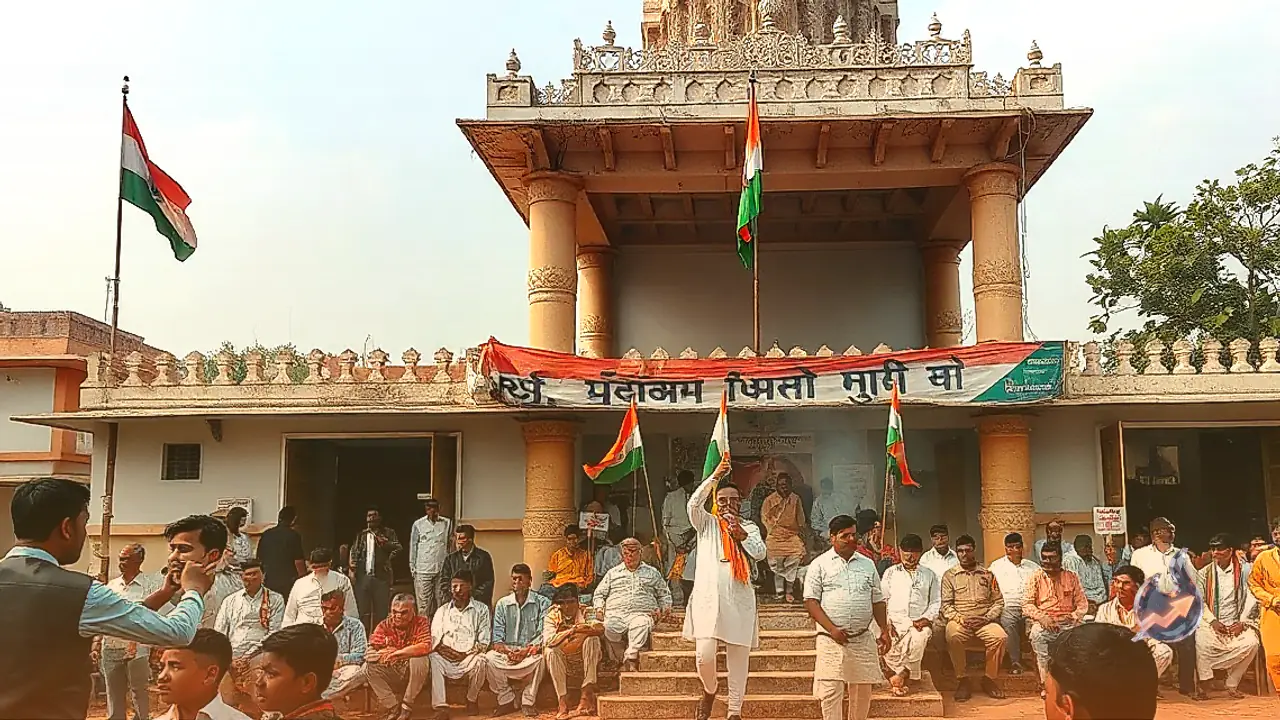




















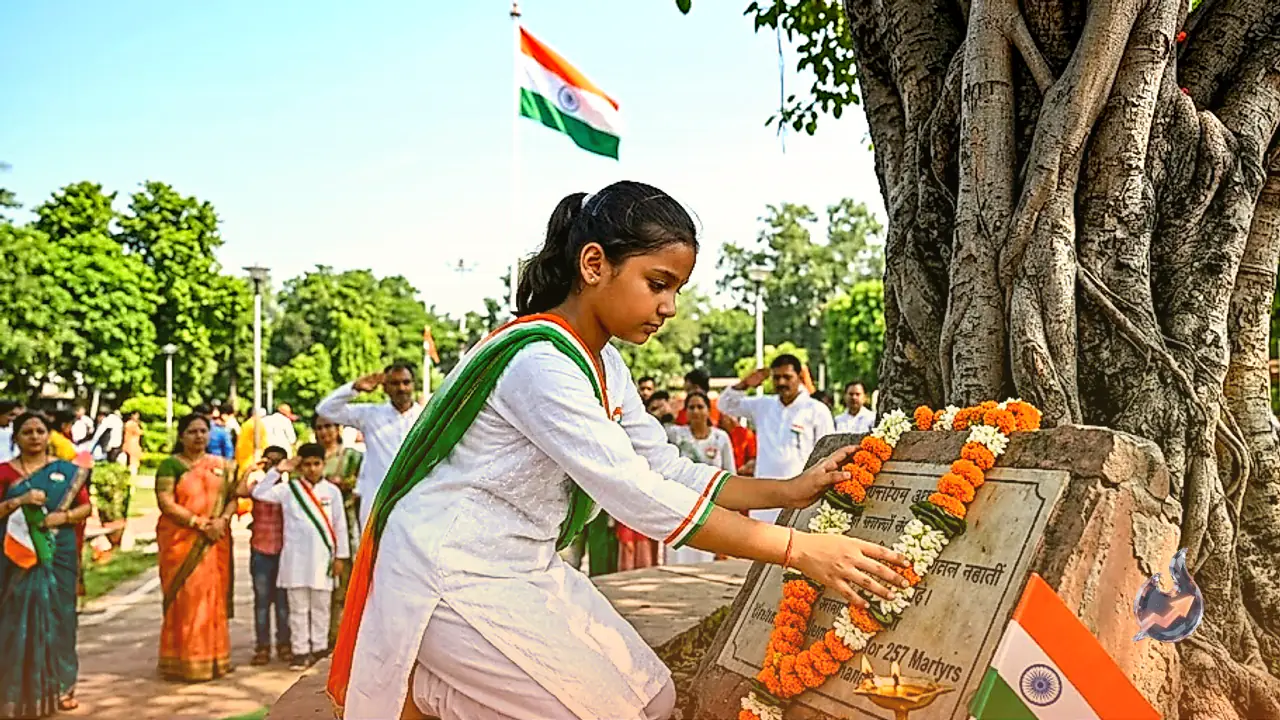

On the patriotic occasion of Independence Day on 15 August, the historic city of Bareilly in Uttar Pradesh immerses itself in nationalist fervor. Bravery statues and historical memorials dotted across the city serve as poignant reminders of the immortal martyrs whose heroic sacrifices secured India's freedom. Residents, along with enthusiastic youth holding the national tricolor, gather at these symbolic landmarks to pay homage to the fallen heroes. Visitors lay floral wreaths, capture memorable photographs, and honor the selfless dedication of revolutionaries who laid down their lives for the nation. Bareilly possesses a deeply rooted heritage of anti-colonial resistance, military bravery, and historical sacrifices.
Colonial Military Roots and St. Stephen's Church
Bareilly's Cantonment (Cantt) area has been intimately connected with military administration since the early British colonial era. Established during that period, St. Stephen's Church emerged as a pivotal religious and social hub for British military officers, soldiers, and their families stationed in the region. The architectural structure continues to reflect over two centuries of historical heritage. Adorning the interior walls of the church are intricate brass and marble memorial plaques dedicated to the officers and soldiers who served in various British regiments over the decades, making it an essential site of colonial military memory.
The Supreme Sacrifice of Captain Pankaj Arora in the 1999 Kargil War
The brave soldiers of Bareilly have consistently made extraordinary contributions toward safeguarding India's borders. Captain Pankaj Arora, a distinguished officer of the Indian Army, exemplified extraordinary valor during the 1999 Kargil War in Jammu and Kashmir. Operating under Operation Vijay, he led operations against armed Pakistani infiltrators in the treacherous high-altitude terrain with exceptional bravery. Captain Pankaj Arora made the ultimate sacrifice while gallantly defending the nation. Every year on 15 August, the citizens of Bareilly pay solemn tribute to his memory and draw inspiration from his selfless devotion to the country.
Battle of Miranpur Katra and the Historic Two-Century-Old Cemetery
The historic cemetery located in Bareilly carries a rich past spanning more than 200 years. Historical records reveal that during the fierce Battle of Miranpur Katra, troops from the British East India Company deployed alongside the forces of the Nawab of Awadh. Numerous British officers and soldiers were killed during this intense armed conflict. This designated ground was initially utilized to bury those fallen combatants, laying the foundation of the graveyard. Later, in 1889, the administration officially organized and structured the cemetery, which remains a preserved historical site detailing 19th-century military encounters.
Bareilly College as a Hub of Freedom Movements
Established during the colonial era, Bareilly College boasts a legacy spanning nearly two centuries. During India's independence movement, this educational institution transformed into a nerve center for freedom fighters and student revolutionaries. Major nationwide demonstrations, hunger strikes, and peaceful agitations against British colonial rule were planned and executed from this campus. On Independence Day, visitors and history enthusiasts visit Bareilly College to admire its iconic architecture and recall the pivotal role its students played in achieving national sovereignty.
The Historic Banyan Tree and the Martyrdom of 257 Revolutionaries
The First War of Independence in 1857 witnessed a fierce uprising against colonial authority in Bareilly. Following the recapture of the city by British forces, the colonial military launched a brutal crackdown to suppress resistance. Standing silently inside the current Collectorate or Commissionery premises, an ancient banyan tree remains a solemn witness to this historical atrocity. To instill terror among freedom fighters, the British military executed 257 patriots simultaneously by hanging them from the branches of this single tree. The historic banyan tree is carefully preserved today as a national monument to their sacrifice.