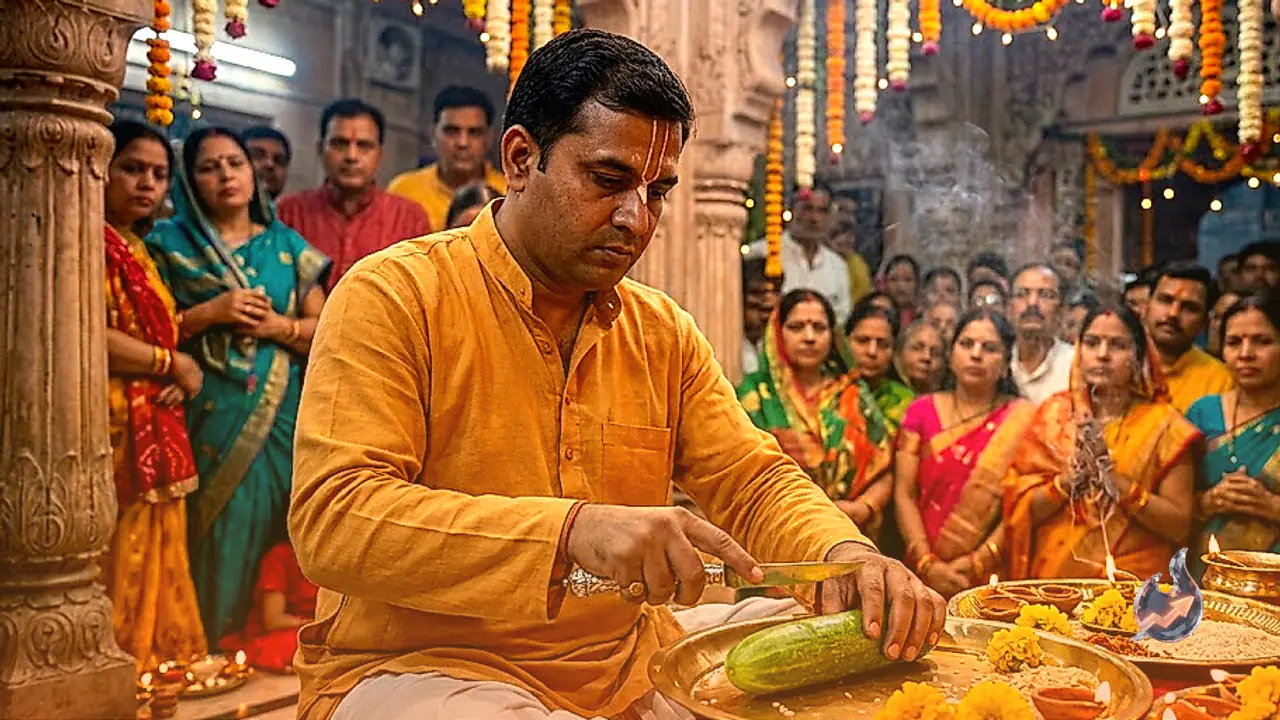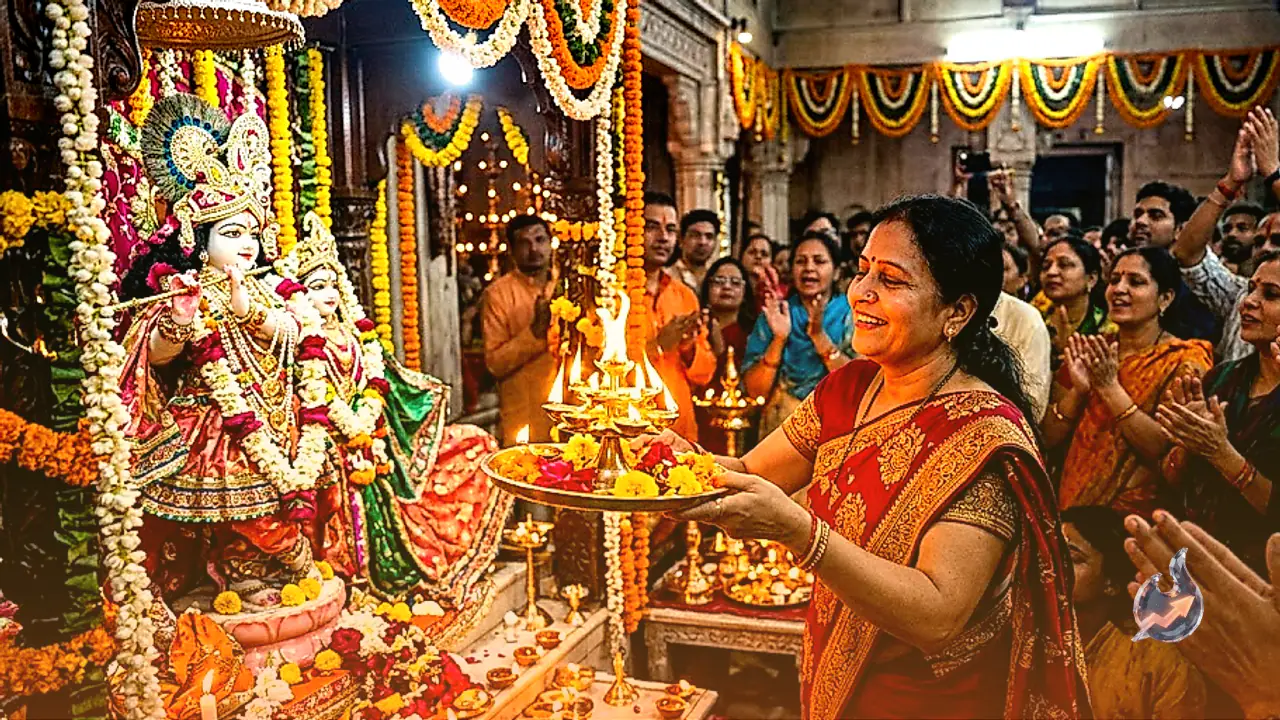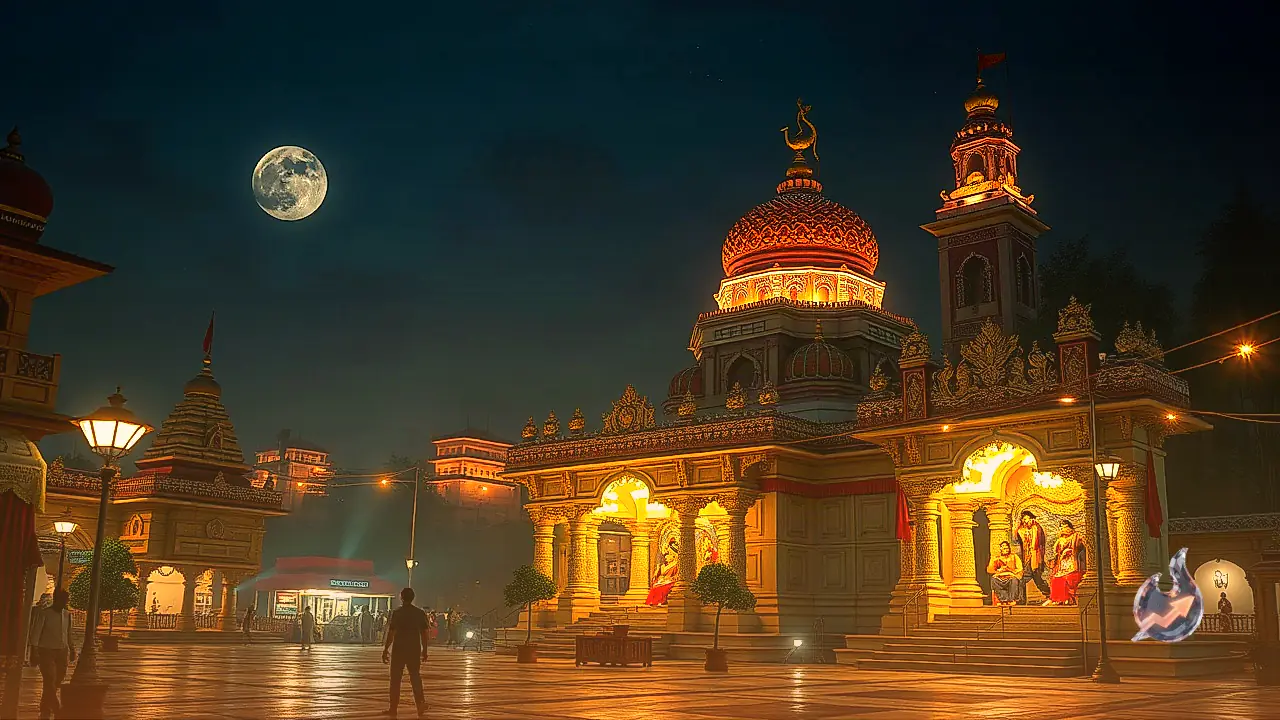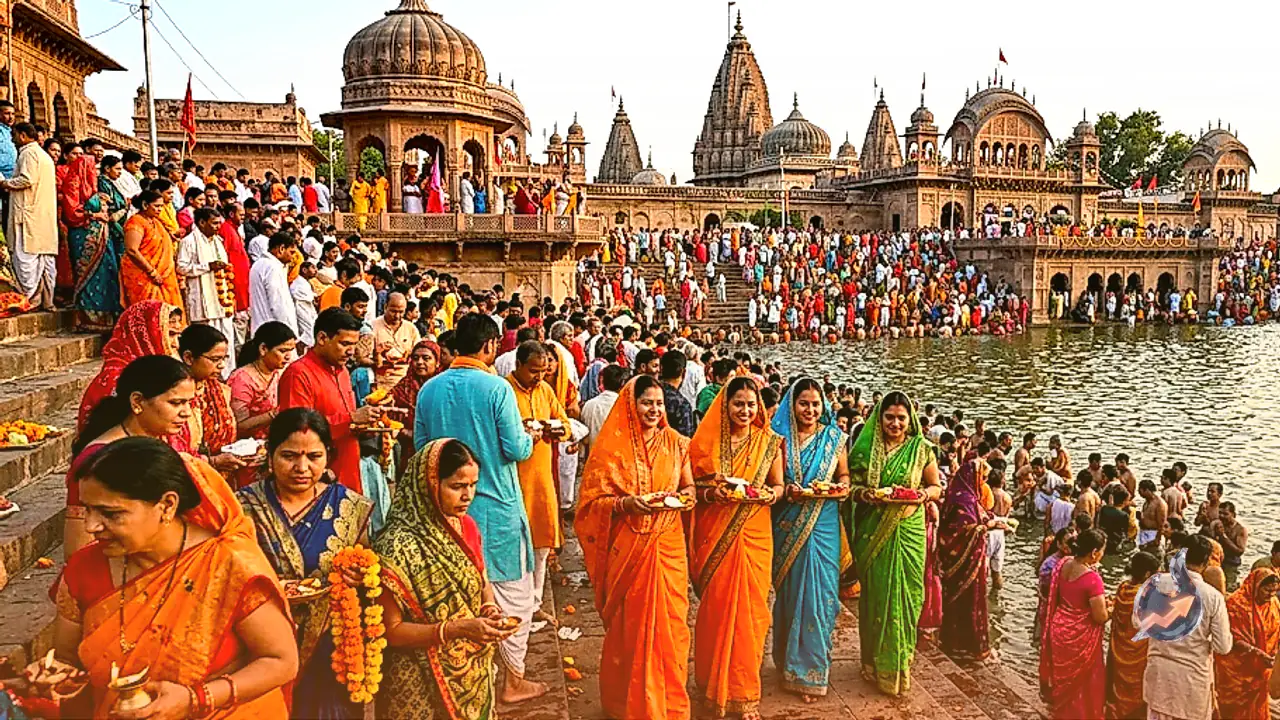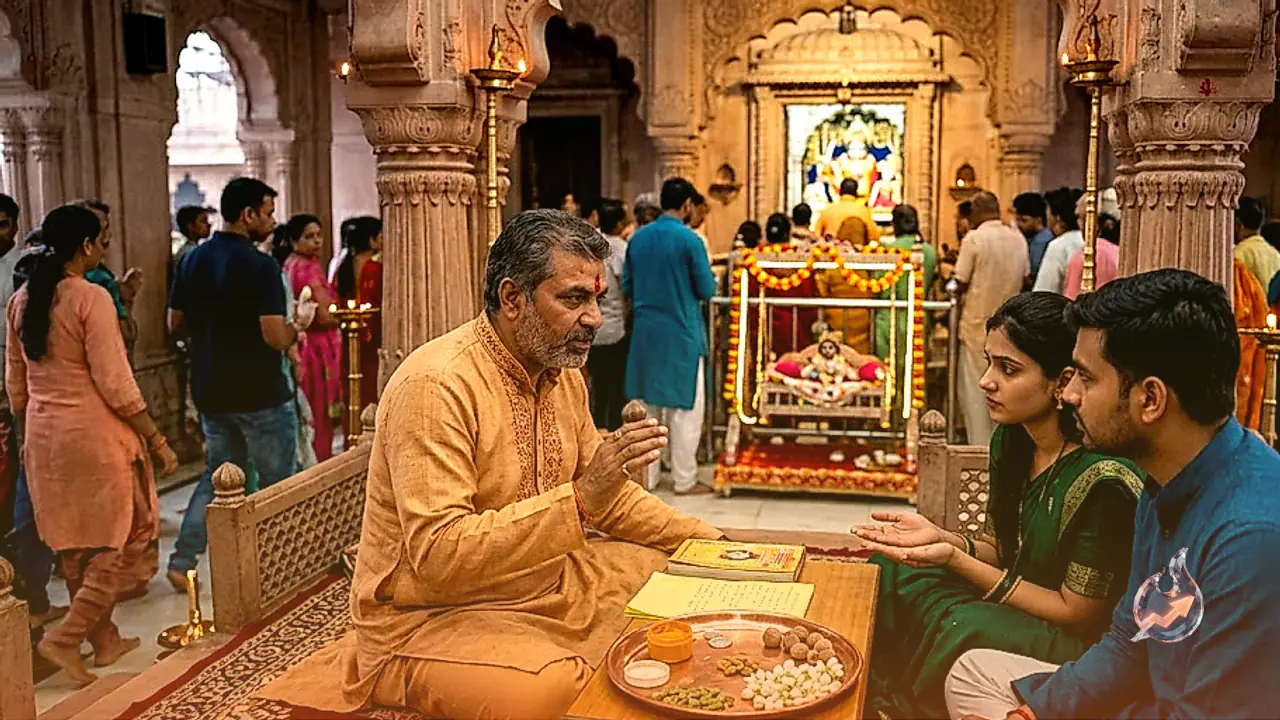





















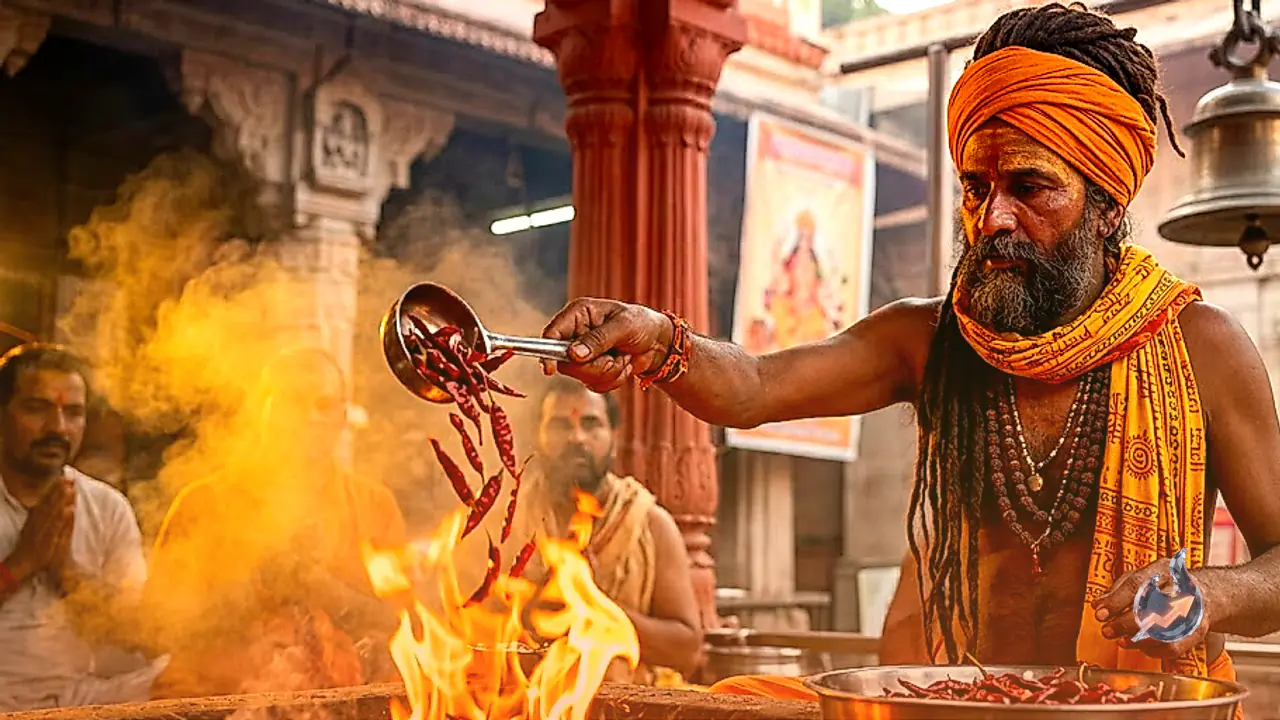

Ujjain's well known Maa Baglamukhi temple has turned into a hub of tantric worship as the nine day festival of Gupt Navratri continues in the city. Special prayers, abhishek, havan and tantric rituals dedicated to the 10 Mahavidyas are being held at the temple through the festival, and a dedicated chili fire ritual, known locally as mirch yagya, has also begun on the premises. Devotees believe this ritual offers freedom from enemies, victory, success in undertakings and the fulfilment of wishes. Devotees and spiritual seekers from Gujarat, Rajasthan, Maharashtra and several other states are arriving in Ujjain to take part.
Temple becomes a centre for worship of the 10 Mahavidyas
At the Baglamukhi temple, priests and devotees are conducting special worship of all 10 Mahavidyas, namely Maa Kali, Tara, Tripura Sundari or Shodashi, Bhuvaneshwari, Bhairavi, Chhinnamasta, Dhumavati, Baglamukhi, Matangi and Kamala. Each of these forms is believed to carry its own distinct tantric and spiritual significance, which is why practitioners worship different forms depending on the outcome they are seeking. Devotees are offering ahutis into the havan kund as part of their worship of Maa Baglamukhi. It is widely believed that sadhana performed during Gupt Navratri bears results quickly, which is why this festival holds special importance for practitioners of tantra sadhana.
Four Navratris a year, but Ashadh's is the most secretive
According to the temple's head priest, Mahant Ramnath Maharaj, there are four Navratris observed through the year in total. The Chaitra and Shardiya Navratris draw large crowds of ordinary devotees who worship the goddess, while the Gupt Navratris that fall in the months of Magh and Ashadh are considered especially significant for tantra sadhana and worship of the 10 Mahavidyas. This is why practitioners travel from across the country directly to the Baglamukhi temple in Ujjain during these two periods.
Lamps, chanting and havan continue through the night
As night falls, practitioners at the temple light lamps and immerse themselves in mantra chanting, havan and special tantric rituals. The aim is to attain spiritual accomplishment and seek the goddess's blessings for the fulfilment of personal wishes. By offering special materials into the havan, devotees are seeking freedom from enemy trouble and success in their endeavours. Large crowds of devotees have been gathering at the temple since early morning, and this daily cycle of worship, havan and rituals is expected to continue right through the festival.
Devotees carry home sindoor as prasad
Mahant Ramnath Maharaj further said that a different form of the goddess is worshipped at the temple each day of Navratri. One quintal of sindoor arrives at the temple every day for the goddess's worship. This sindoor is first offered to the goddess, after which devotees carry it home as prasad.