
























The district of Meerut in western Uttar Pradesh is widely recognized for its deep historical roots, but it also holds profound spiritual significance. Located roughly 25 kilometers from the main city lies Gagol Tirth, a breathtaking pilgrimage destination that stands apart from typical religious sites. Instead of a single sanctum, this extraordinary complex houses hundreds of Shivlings crafted specifically in the sacred shape of a Swastika. The rare architectural and spiritual layout of this destination draws countless devotees seeking peace and divine blessings, making it a highly distinctive landmark across the entire state.
A Divine Dream That Birthed a Sanctuary
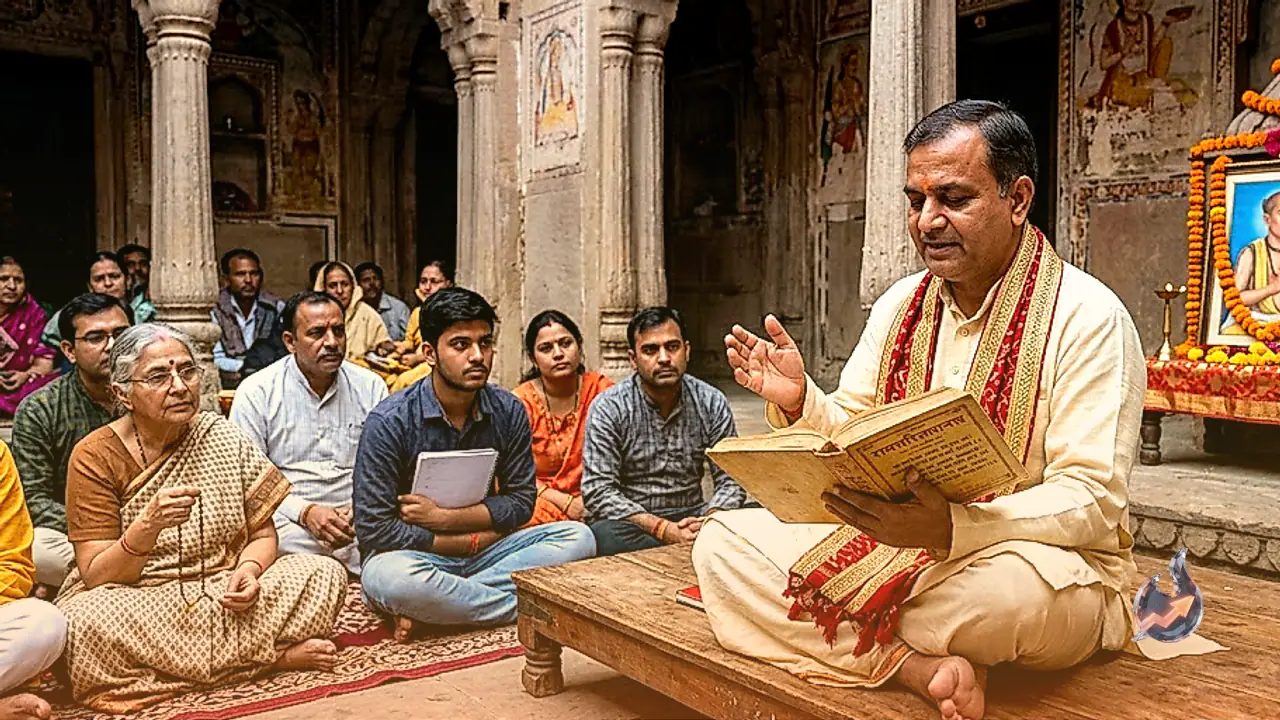
The origins of this massive spiritual complex stem from a mystical experience. Mahant Shivdas Maharaj, the spiritual head of the temple, stated that he once experienced a vivid dream directing him to establish a special sanctuary for salvation, known as a Moksha Dham. Unsure of how to proceed, he shared this profound nocturnal instruction with Sadhvi Madhudas, a resident ascetic at the shrine. Together, they delved into the study of ancient scriptures and religious texts to find a precedent for such a vision. Their extensive research led them to the Shrimad Bhagavat Katha, where they found specific mentions of Swastika-shaped Shivlings. Armed with this strong scriptural validation, the foundation for the Moksha Dham was finally laid, eventually resulting in the installation of hundreds of these unique stone deities.
The Ritual of 21 Sacred Circumambulations
Worshipping at Gagol Tirth involves a highly specific and rigorous set of rituals. Visitors do not simply walk up to the main deity to offer their prayers. The temple's traditions mandate that every devotee must first complete 21 circumambulations around various spiritual elements spread across the complex. Only after finishing this extensive parikrama are the faithful permitted to perform the final Jalabhishek, the ritual bathing of the main Shivling. This elaborate devotion process makes the shrine completely unique in the region. The temple sees an overwhelming surge of visitors during the holy month of Sawan. Kanwariyas, in particular, travel long distances carrying sacred water to pour over the deities here, holding a deep-seated belief that just witnessing this grand assembly of Shivlings will fulfill all their life's wishes.
Ancient Ties to Maharishi Vishwamitra
The sanctity of Gagol Tirth extends far beyond its modern construction, reaching back into the ancient mythological era. The land itself is historically revered as the tapasthali, or the intense meditation ground, of the revered sage Maharishi Vishwamitra. Spiritual texts and local lore suggest that the great sage performed rigorous penance in this exact serene environment for years. Furthermore, deep-rooted religious beliefs indicate that Lord Ram and his younger brother Lakshman visited this hallowed ground during their time. These powerful mythological connections continue to form the bedrock of the intense faith exhibited by the local populace and visiting pilgrims alike.
The Ancient Pond Created by Lord Ram
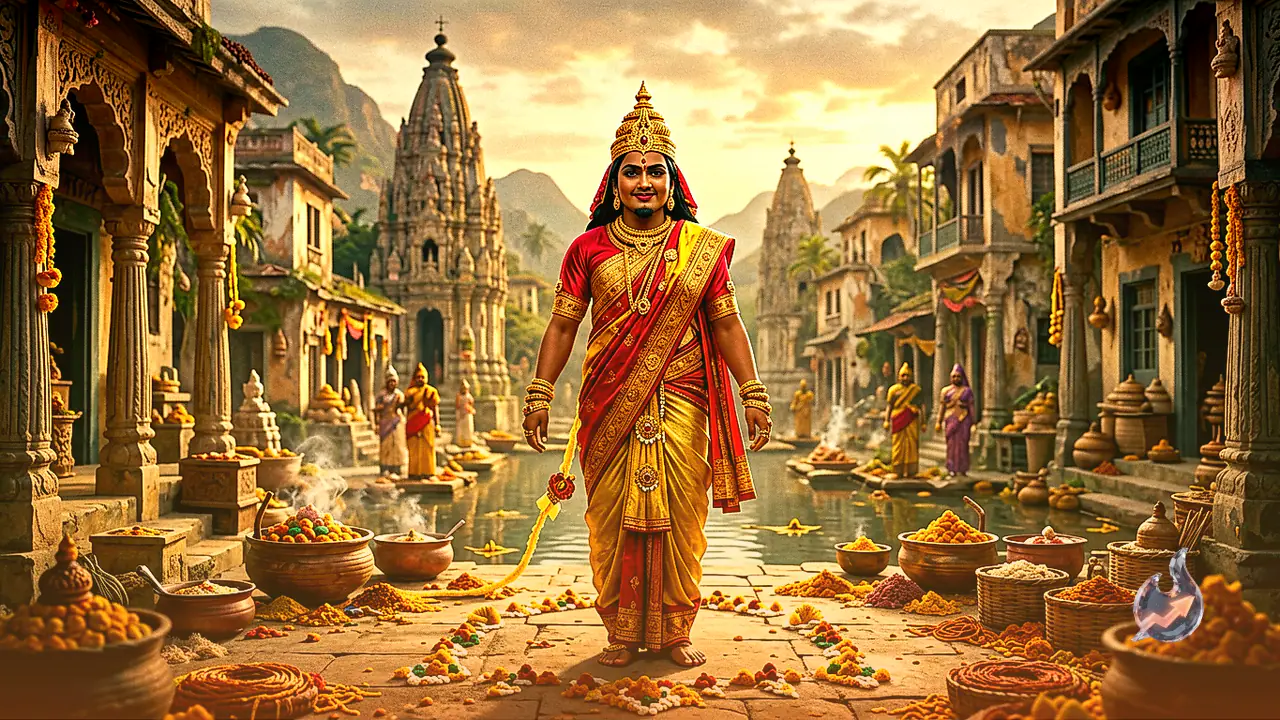
Adding to the deep mystique of the Gagol Tirth complex is an ancient pond that commands immense veneration from the masses. According to enduring local legend, Lord Ram himself created this extensive water body by striking the earth with his arrow. Because it is believed to have been born directly from a divine weapon, the pond is treated with the utmost reverence by everyone who visits the shrine. Devotees from all corners of the country arrive here to pay their respects to the miraculous waters alongside their temple worship. Recognizing the immense cultural and historical value of the site, the state government has initiated a series of continuous development projects. These infrastructural upgrades are designed to elevate Gagol Tirth into a prominent religious tourism hub, ensuring modern facilities for the continuously growing number of spiritual travelers.