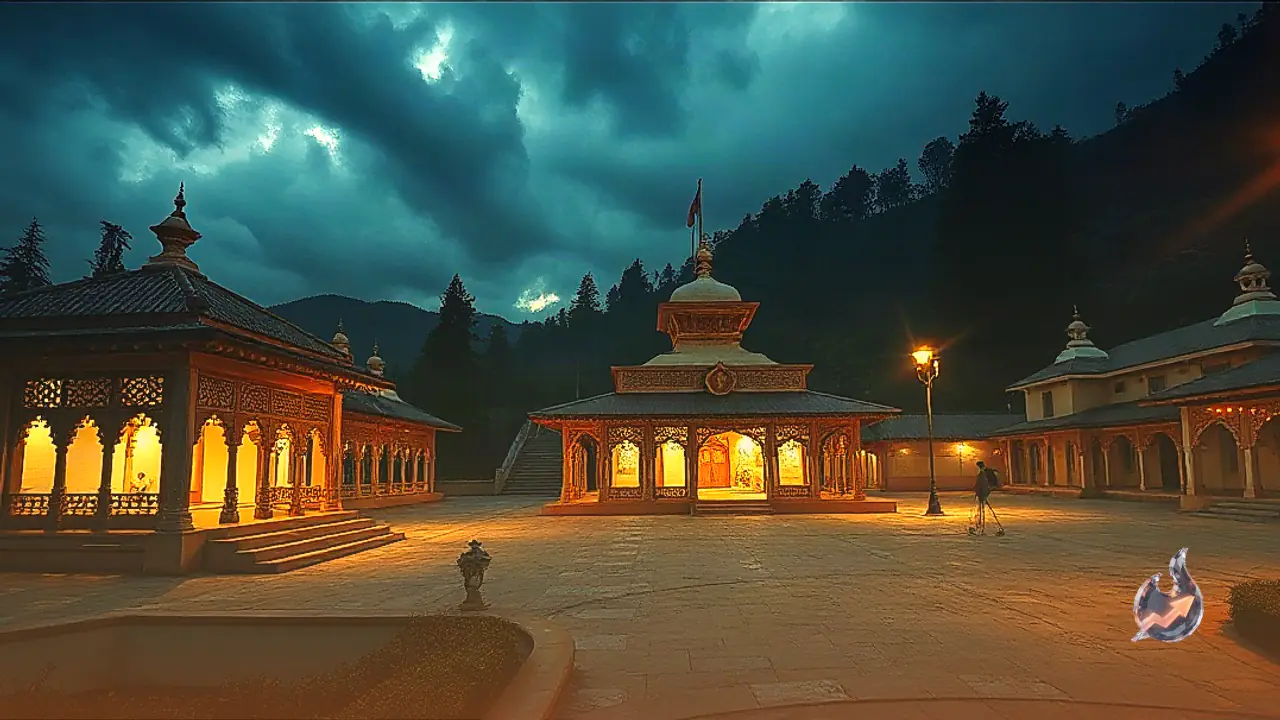






















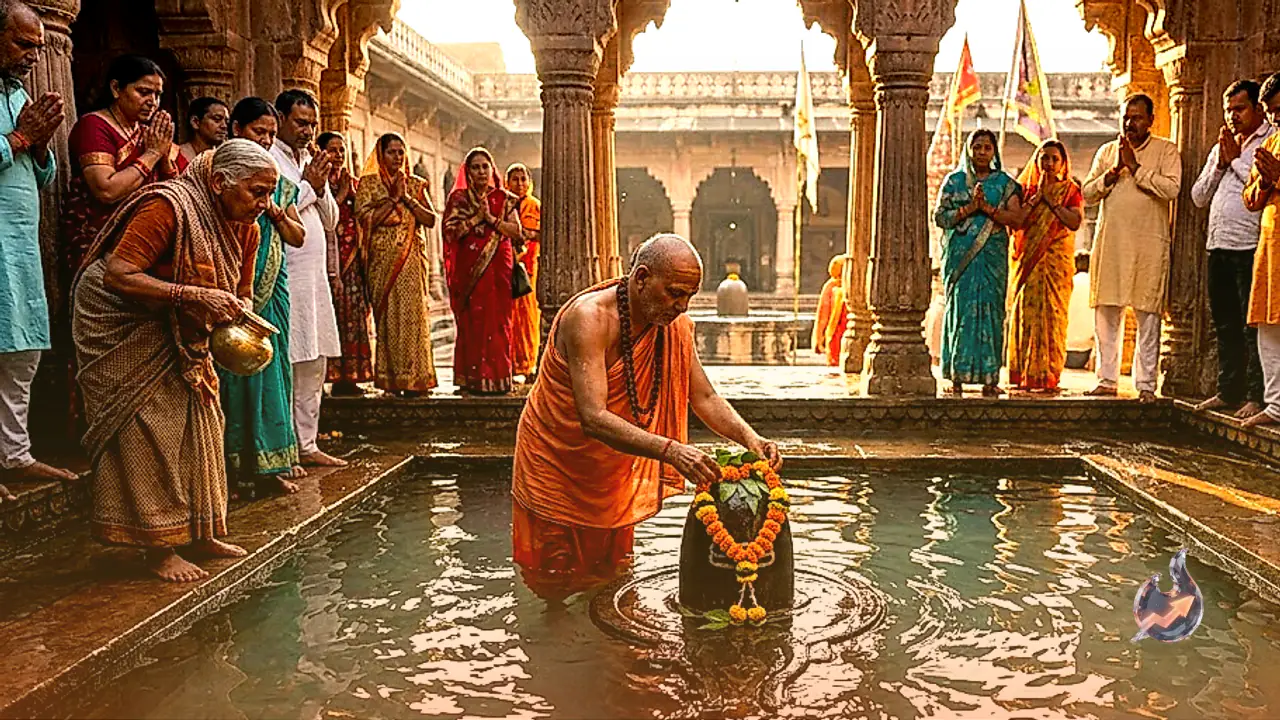

The ancient Siddheshwar Temple, located in the Bundelkhand region of Jhansi, witnesses a remarkable and highly unusual religious practice every year as the holy month of Sawan begins. While devotees across the country traditionally pour small amounts of water over the Shiva Linga in a standard ritual known as Jalabhishek, this historic shrine follows a completely different and fascinating approach. Here, worshippers immerse the sacred idol completely in water, intentionally covering more than half of its structure. This unusual and rare sight often leaves first-time visitors completely astonished, as it contrasts sharply with the standard worship practices observed in almost all other shrines. For the local residents and regular visitors, however, this is a deeply cherished custom that they have been practicing with profound faith and dedication for many decades. Followers firmly believe that performing this specific act of continuous water immersion brings immense pleasure to Lord Shiva. They hold a strong conviction that this devotion guarantees lasting peace, prosperity, and harmony within their households.
Seeking Favorable Monsoons and Bountiful Harvests
Many worshippers hold a strong, collective conviction that submerging the deity in water during this auspicious period plays a direct role in influencing the region's weather patterns, especially during times of drought. The local agricultural community believes this dedicated form of worship triggers favorable and abundant rainfall, which is absolutely essential for yielding a rich and prosperous harvest in their fields. Consequently, a massive influx of villagers, farmers, and residents from neighboring areas travel to the shrine annually to seek these blessings. They gather in extremely large numbers to actively participate in this distinct ceremony, bringing with them a profound sense of devotion and hope. Different individuals carry their own personal beliefs regarding the origin and ultimate impact of this specific ritual. A significant portion of the congregation notes that the practice is incredibly old, having been passed down continuously through many generations. They clearly recall their ancestors performing the exact same rituals in the past, and today, the younger generation continues to honor this rich heritage, carrying it forward with the very same dedication and trust.
The Spiritual Significance of Continuous Immersion
The head priest of the shrine, Hari Om Pathak, offers a distinct and detailed spiritual explanation for this continuing custom. According to his deep understanding of the rituals, the entire month of Sawan is considered exceptionally dear to the deity. Keeping the idol permanently submerged in a body of water is primarily a direct method of offering soothing coolness and comfort to Lord Shiva throughout this highly sacred time. Furthermore, placing the structure continuously in water ensures that the holy ritual of Jalabhishek happens without a single moment of interruption, flowing endlessly. He describes this unbroken and constant flow of water as an extraordinary, elevated form of serving the divine. Beyond the physical acts and the water itself, the priest emphasizes that the sheer, unshakeable faith of the gathering crowds remains the absolute most significant aspect of the entire event. Every single individual who steps into the courtyard prays with a pure heart, asking the divine to grant lifelong prosperity, health, and well-being to their family members.
A Gathering Hub for Spiritual Peace and Devotion
Throughout the ongoing Sawan season, the entire temple premises remain densely packed with faithful followers from the early hours of dawn until late dusk. A vibrant, energetic atmosphere of religious fervor takes over the entire location, making it a spectacular sight. Various individuals can be seen patiently waiting to offer holy water, while others carefully and respectfully present sacred Belpatra leaves at the main altar. A large number of tourists and curious onlookers also arrive simply to witness this fascinating custom with their own eyes, drawn by the unique nature of the immersion. Visitors frequently mention experiencing a profound, indescribable sense of inner tranquility and mental peace after spending time within the sanctuary. This profound sense of spiritual fulfillment is a primary reason why the daily footfall continues to multiply and grow with each passing year. The immersion ceremony has evolved far beyond a basic religious duty; it now stands as a powerful, living symbol of the community's unshakeable trust and deep affection for the divine. Because of these deep cultural roots, this historic Jhansi site transforms into a massive epicenter of faith for thousands of people during every single monsoon season.