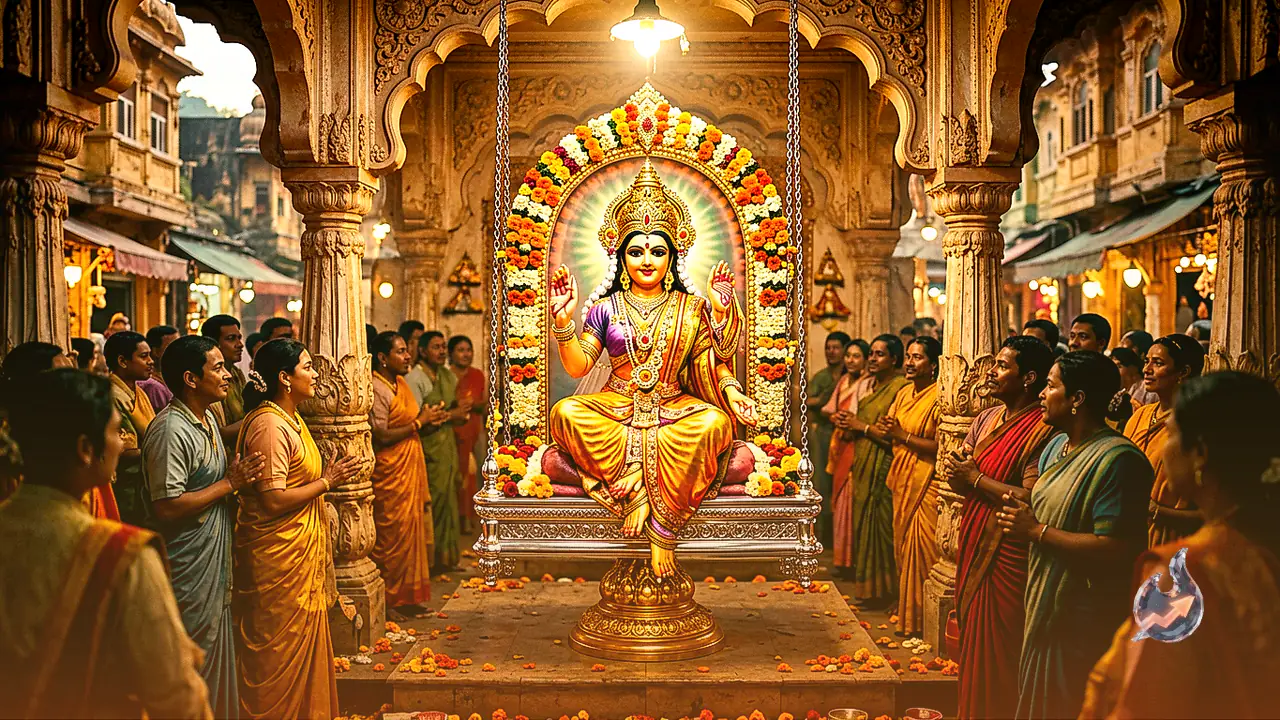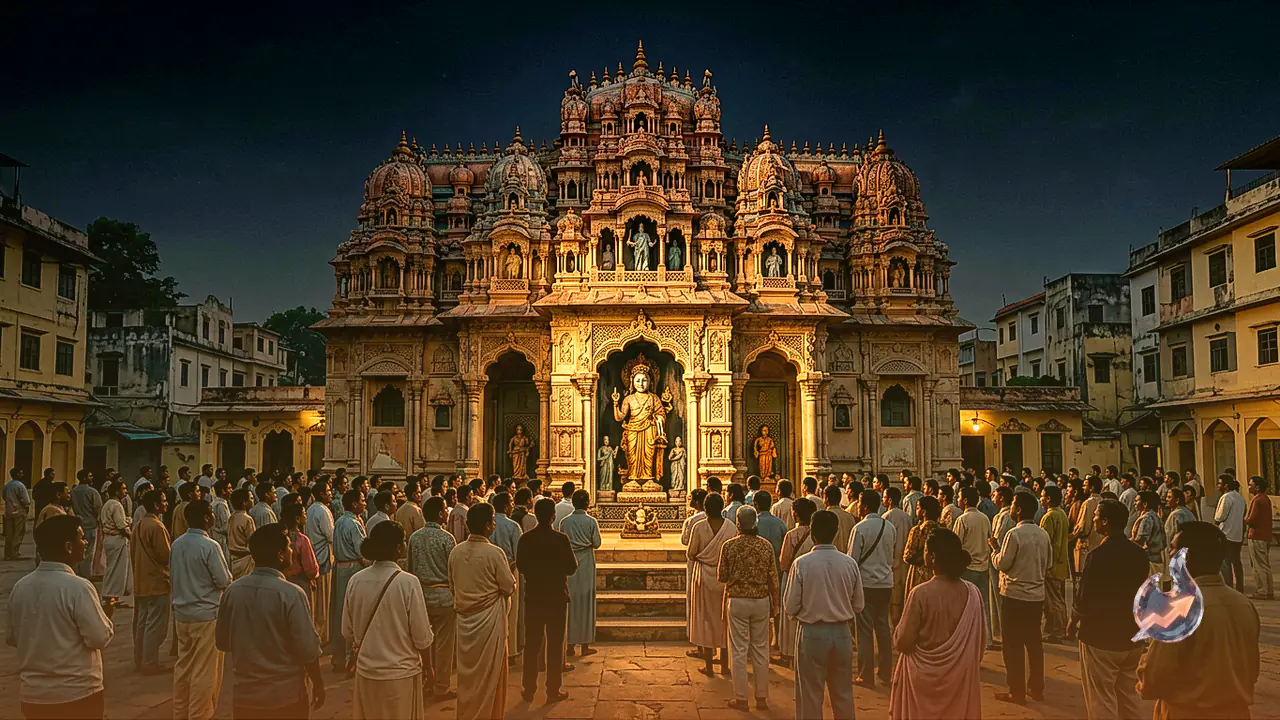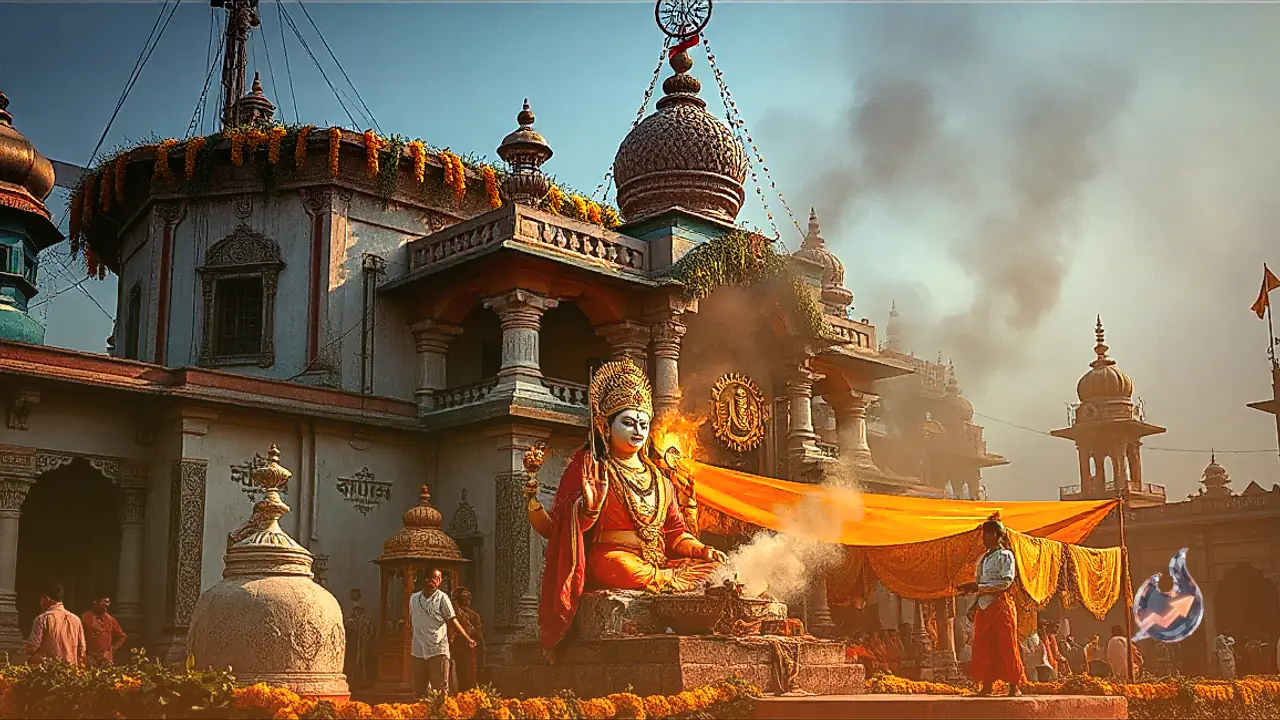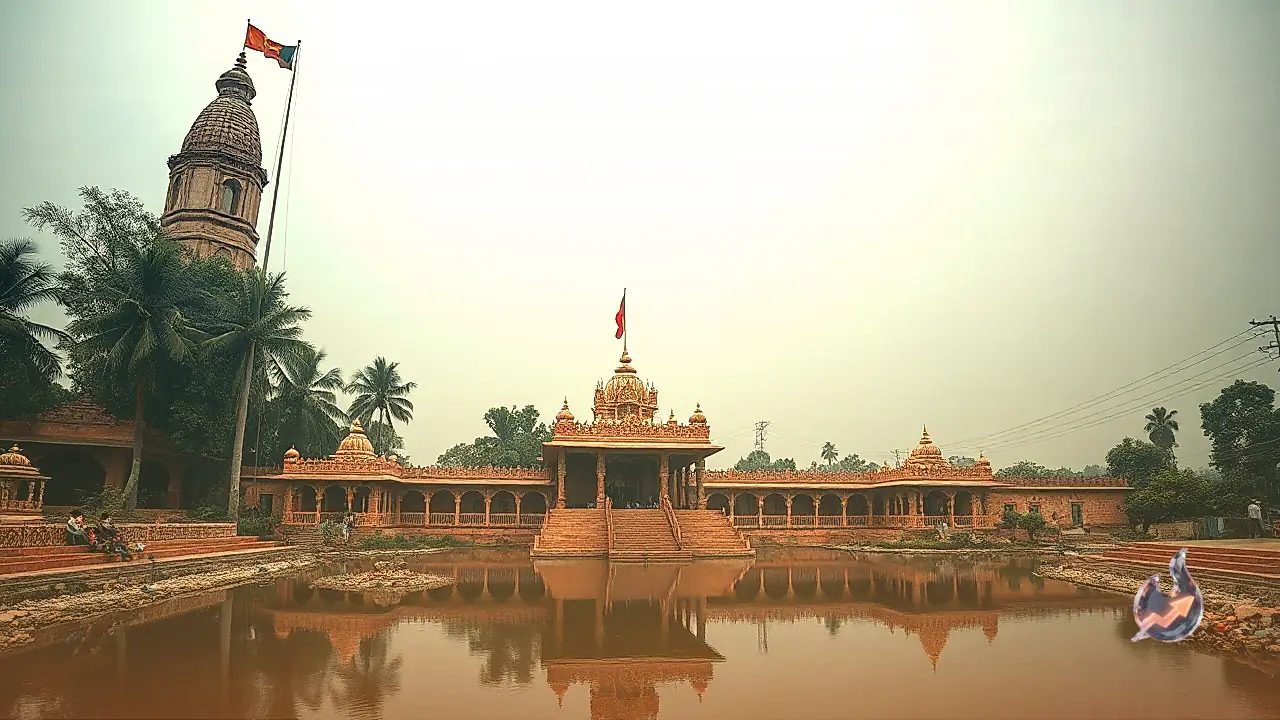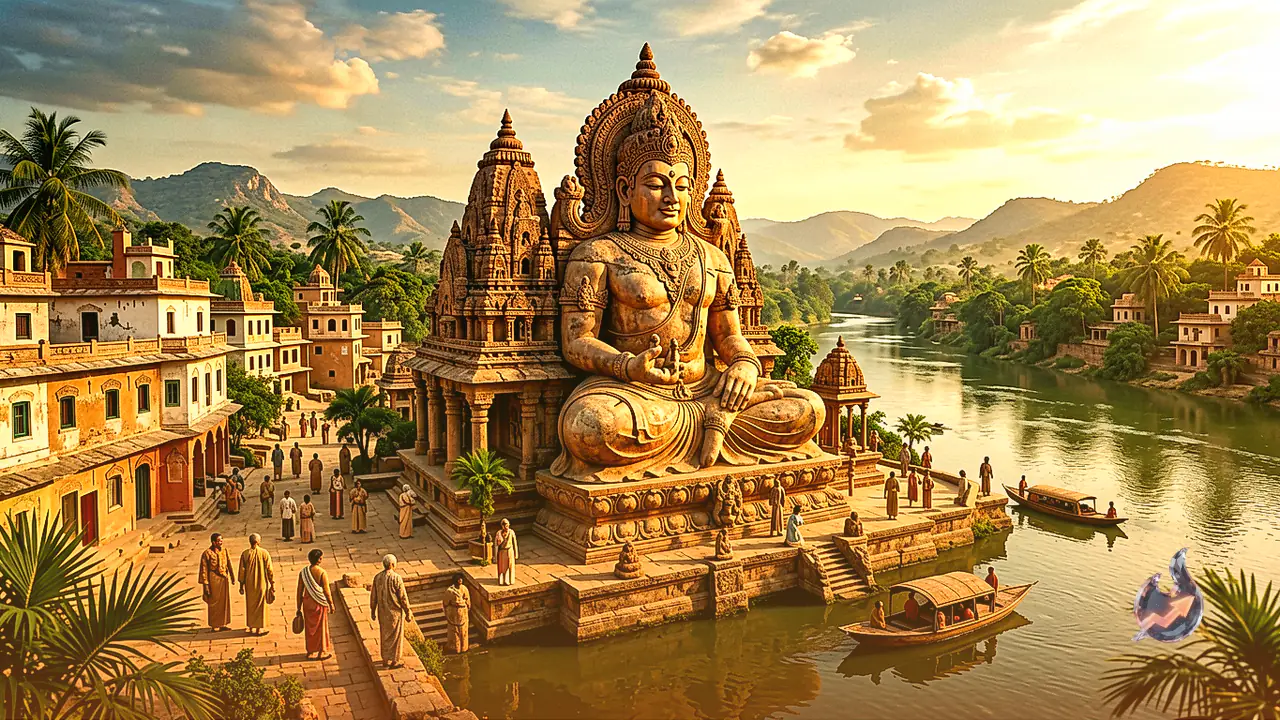























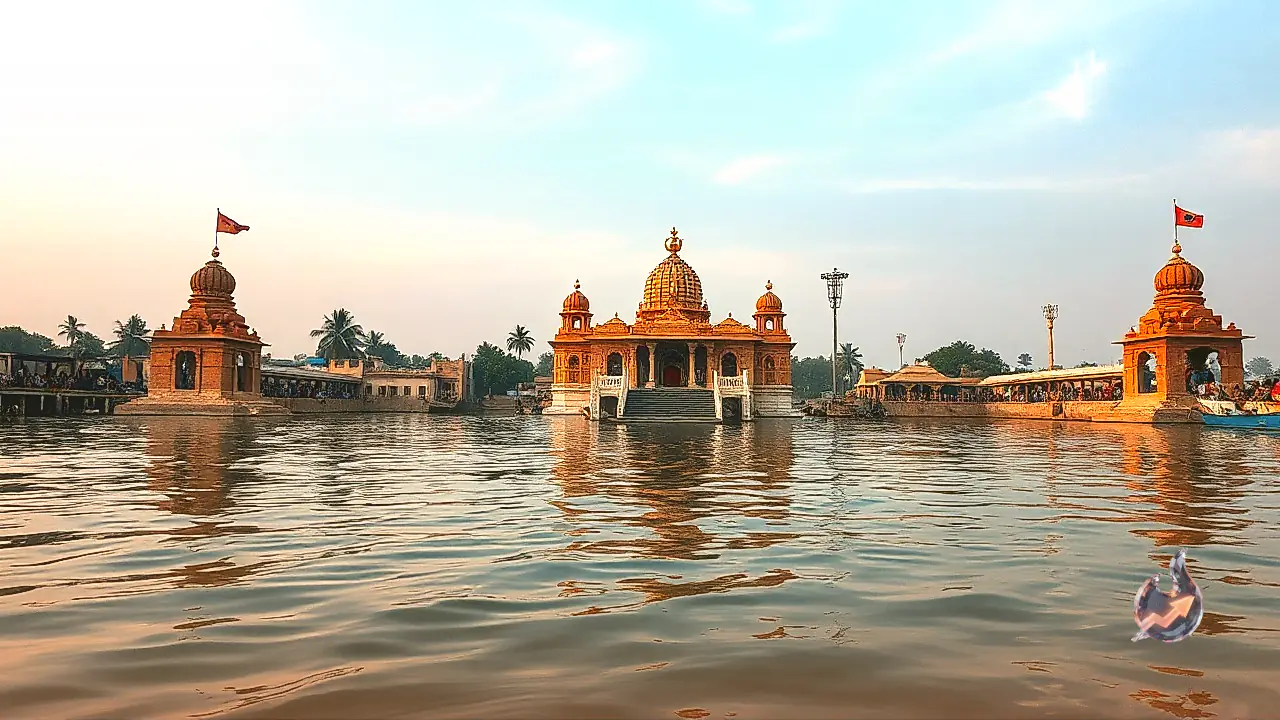

The religious city of Ujjain is surrounded by numerous sacred sites whose fascinating traditions and beliefs continue to astonish people. One such miraculous abode is Jaleshwar Mahadev, situated right in the middle of the Chambal River. At this unique location, the current of the Chambal flows in the distinct shape of a trident. During the monsoon season when the river swells to its limits, an extraordinary phenomenon unfolds that draws devotees from far and wide. Located near Ingoria, this ancient temple serves as a powerful focal point of unwavering devotion, where people believe every heartfelt prayer is ultimately answered.
The Unbroken Sanity Amidst Raging Waters
The mystical aura surrounding Jaleshwar Mahadev never ceases to amaze pilgrims. Regarding this Swayambhu Linga seated amidst the Chambal River, locals say that no matter how severe the floods or how ferocious the water current gets, the sanctity of the shrine remains untouched. According to local traditions, various ancient idols of deities floating down the river naturally come to a halt upon reaching this spot. This explains why numerous broken statues can be seen scattered around the temple complex, bearing witness to the deep mystery and profound reverence associated with this sacred geography.
Why It Is Called the Kedarnath of Malwa
The divine grandeur of Jaleshwar Mahadev is often spoken of in the same breath as the legendary Himalayan shrine. Just as the portals of Kedarnath remain open to pilgrims for only six months a year, the darshan of Jaleshwar Mahadev is similarly restricted to a six-month window. For the remaining half of the year, the self-manifested linga remains completely submerged underwater. Because of this rare cyclical tradition and devotion, followers reverently address the deity as the Kedarnath of Malwa.
Bells and Flags That Survive the Deluge
During the rainy season when the Chambal River assumes a terrifying form, a breathtaking spectacle takes place at the Jaleshwar Mahadev shrine. While massive trees and heavy boulders are swept away in the ferocious torrent, the Swayambhu Linga moves against the direction of the water current, establishing itself a short distance away from the main temple structure. What astounds observers the most is that even amidst such violent floods, the temple bell and the sacred flag remain completely intact and secure. Once the water recedes, devotees reverently return the linga back to its original pedestal.