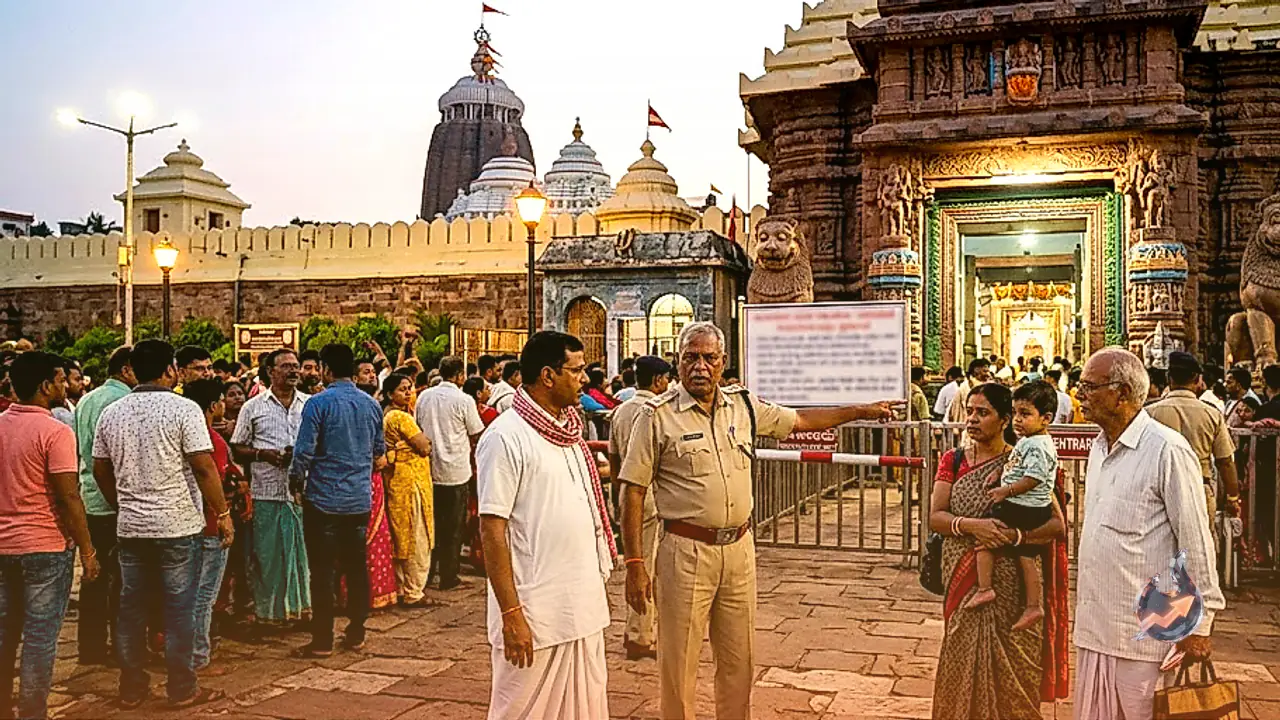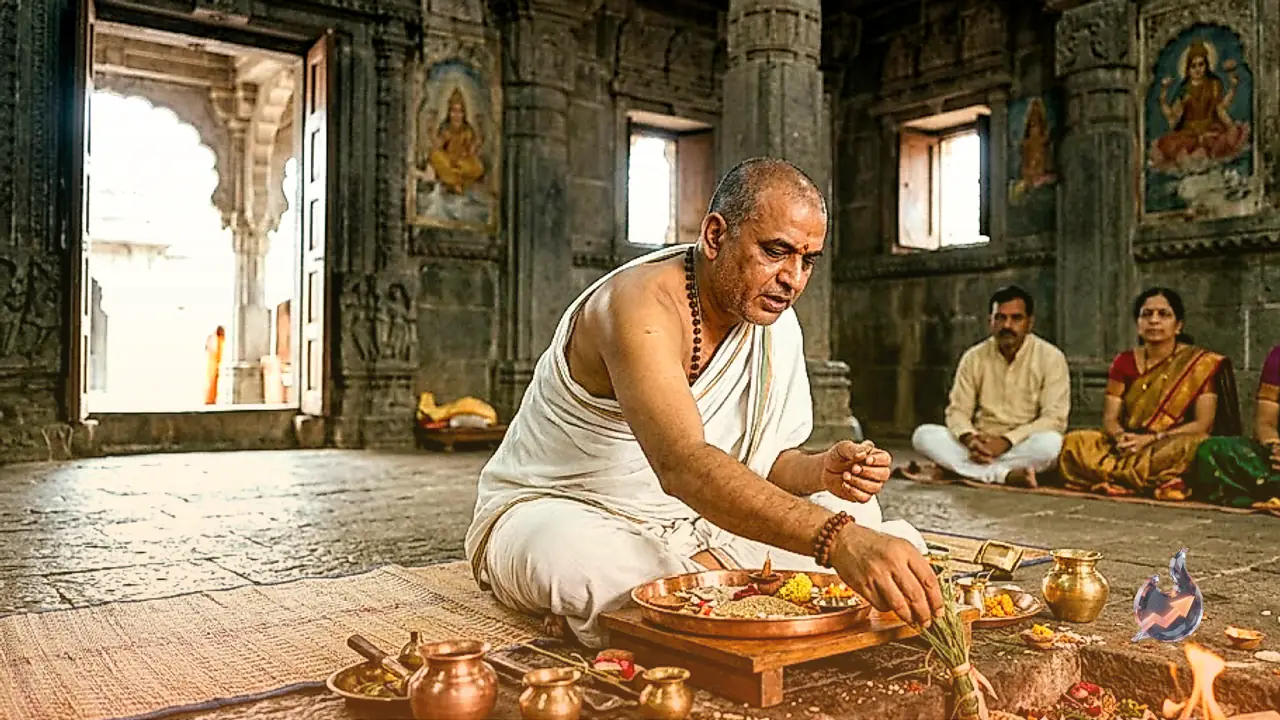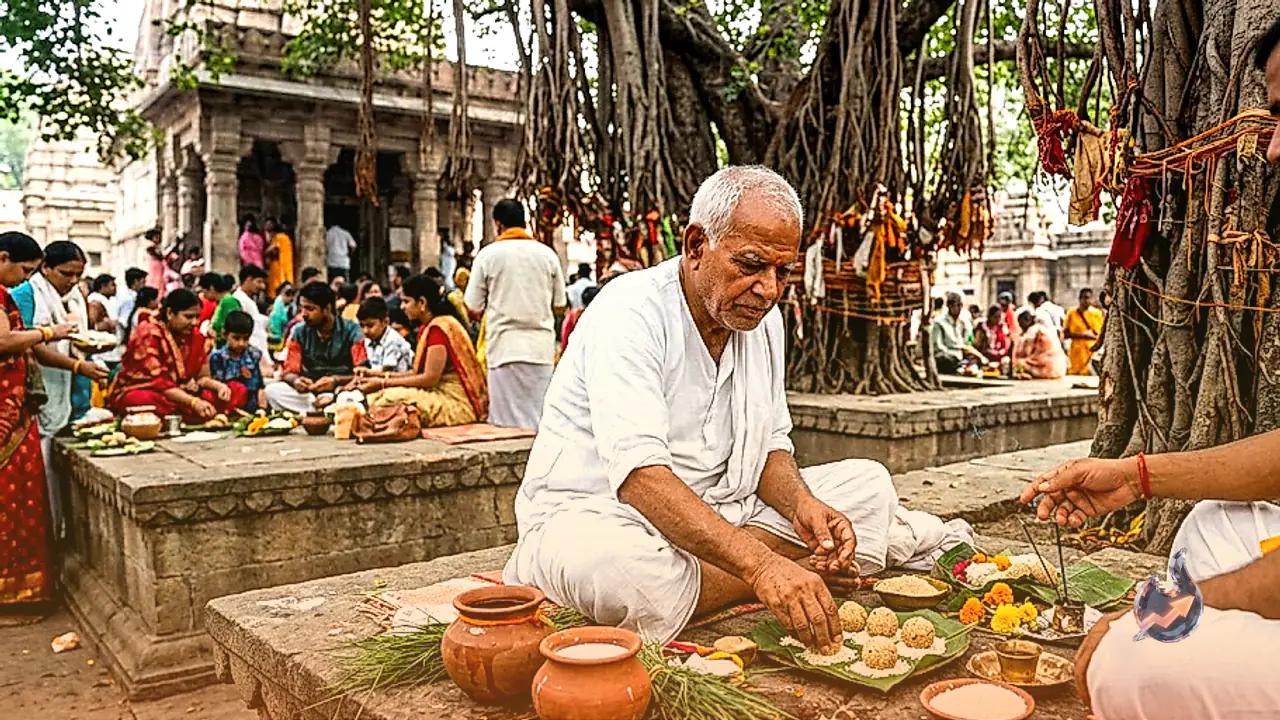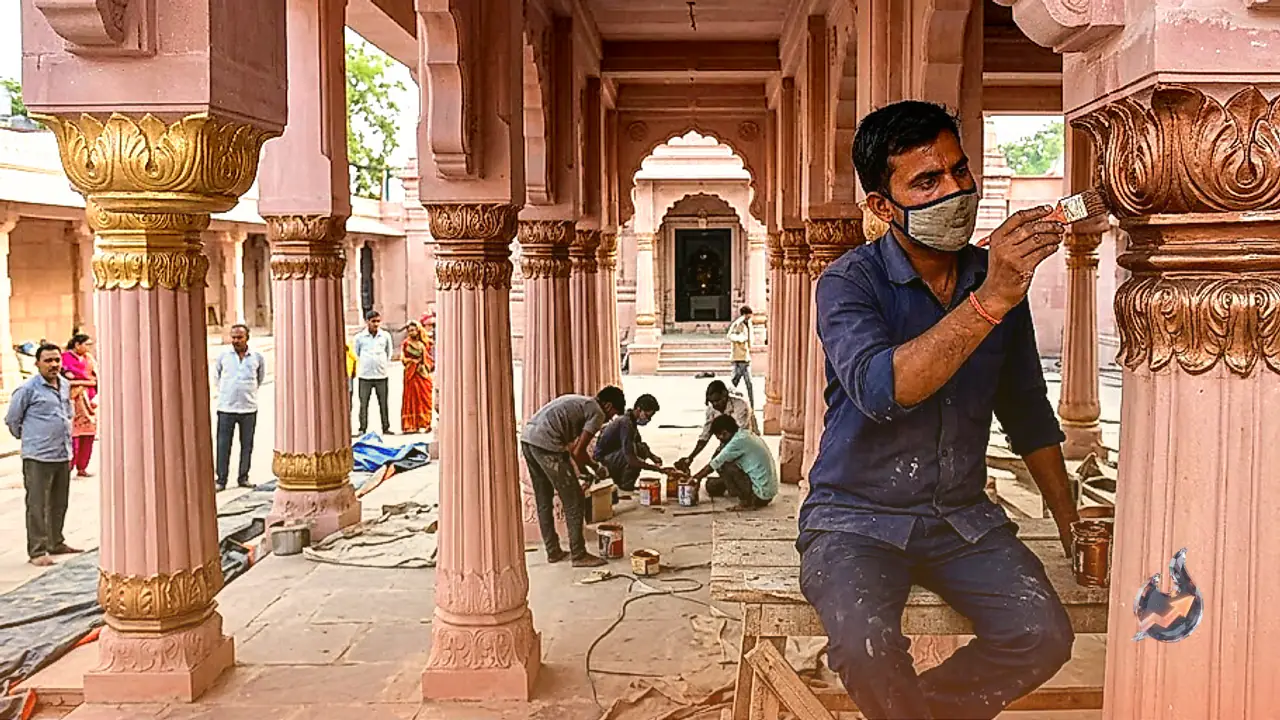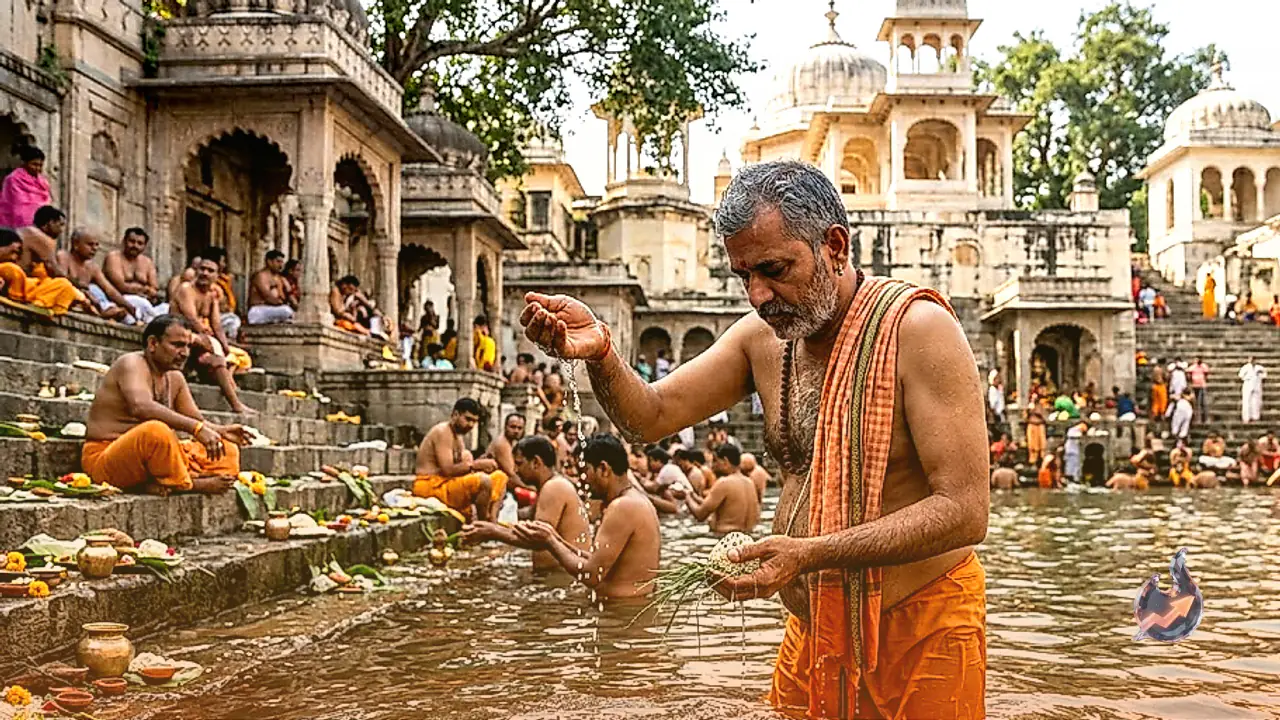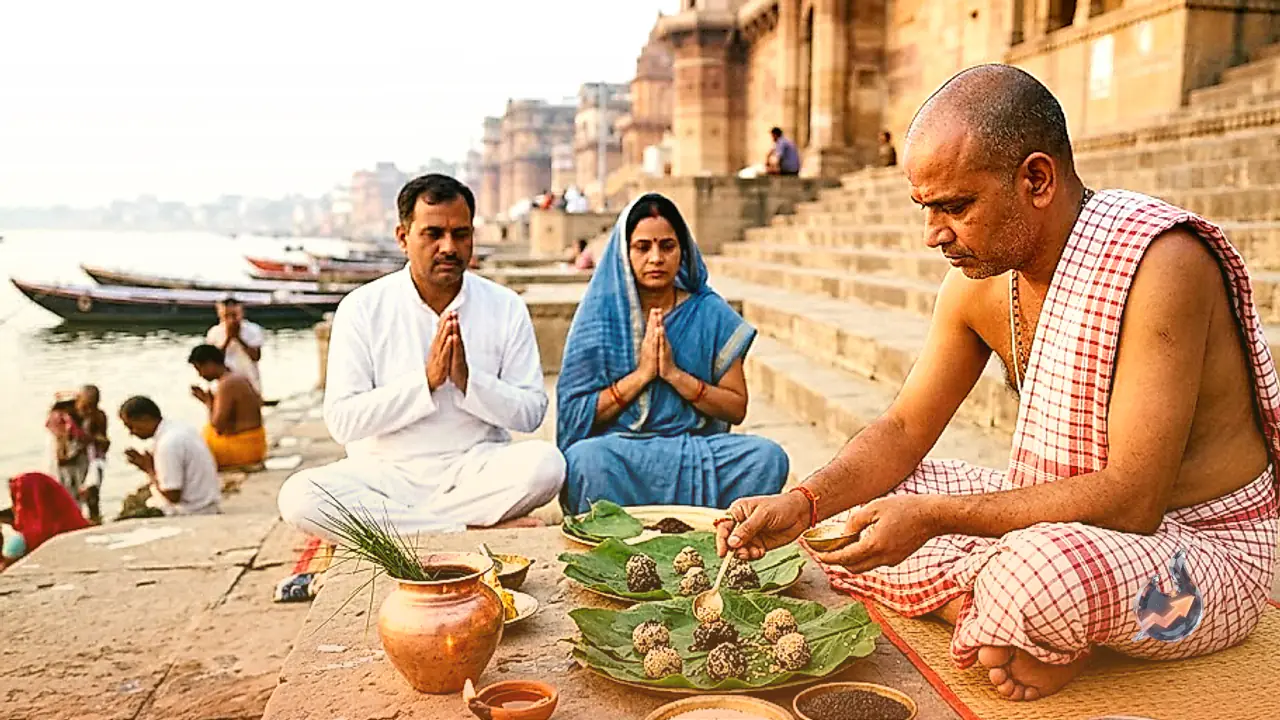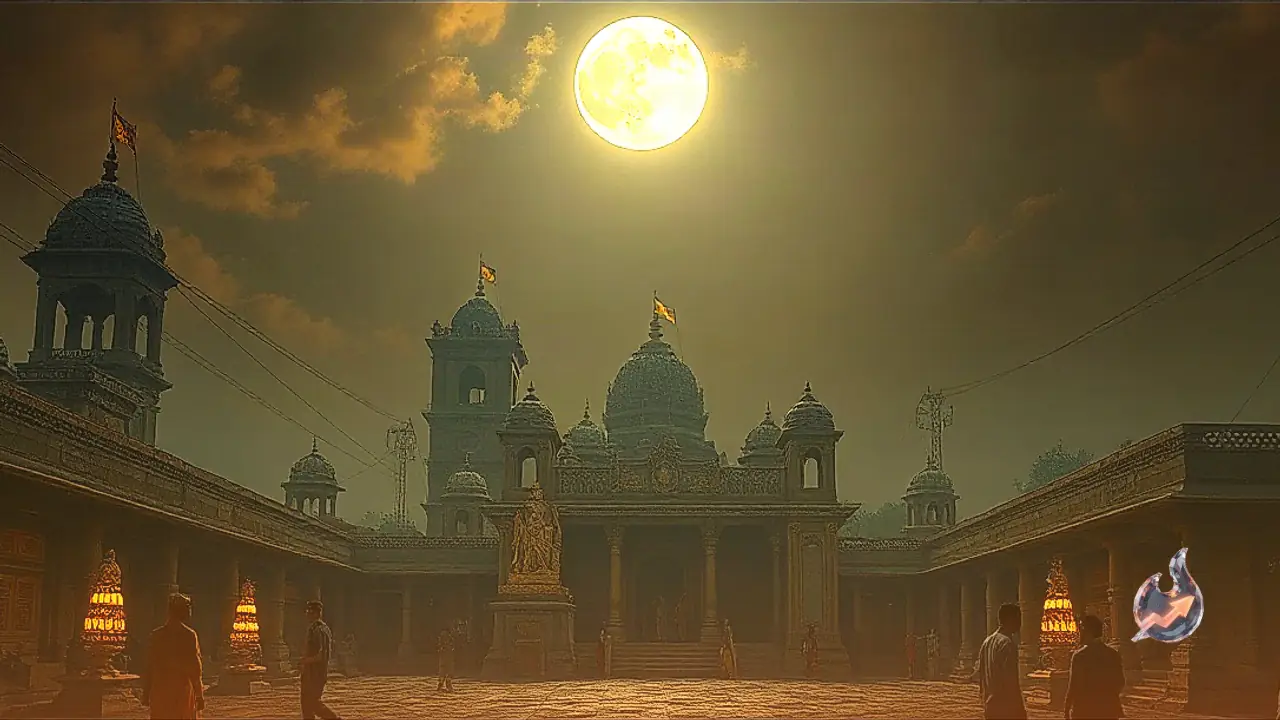



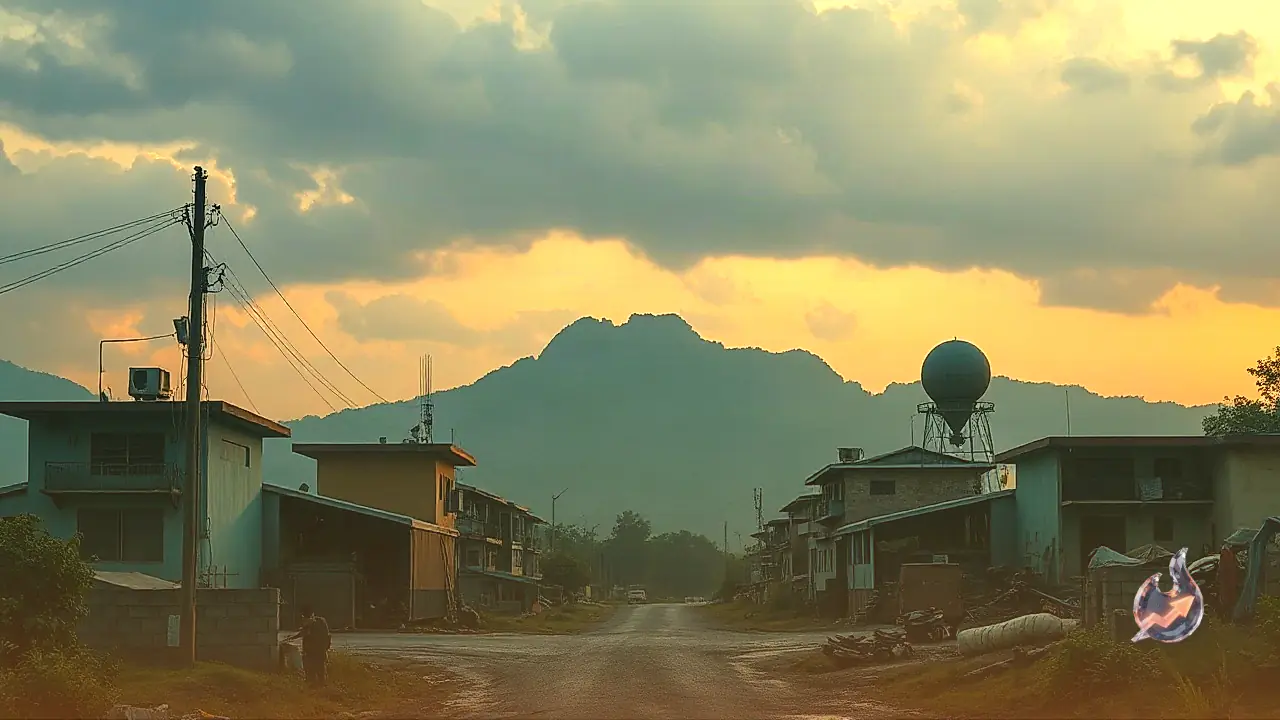















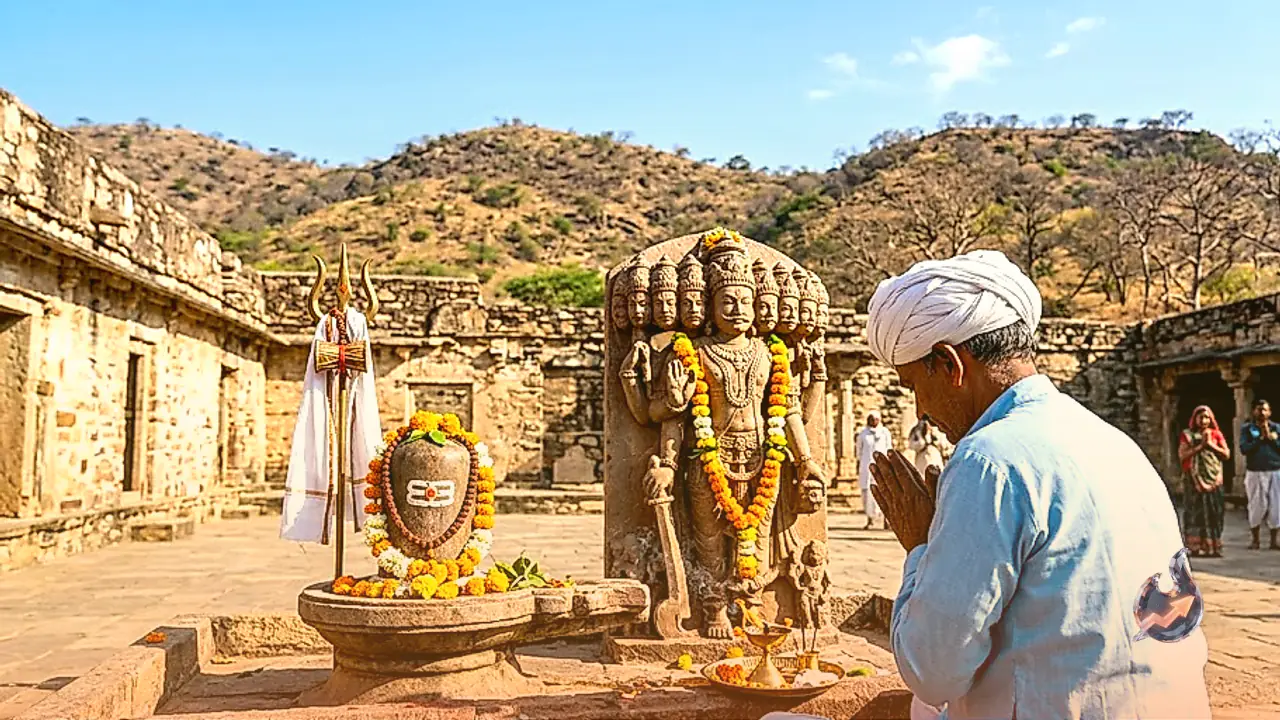

Nestled among the lush Aravali hills in the Jhadol region of Rajasthan's Udaipur district, the Kamalnath Mahadev Temple stands as a remarkable sanctuary of faith and ancient heritage. Situated roughly 40 kilometers from Udaipur city, this historic shrine holds a unique place in Indian spiritual tradition as one of the extremely rare temples where Ravana is revered alongside Lord Shiva. During the holy month of Sawan, large gatherings of devotees and travelers journey to this secluded destination to witness its unique customs amidst striking natural surroundings.
The Mythological Legend of 108 Lotuses and Ravana's Devotion
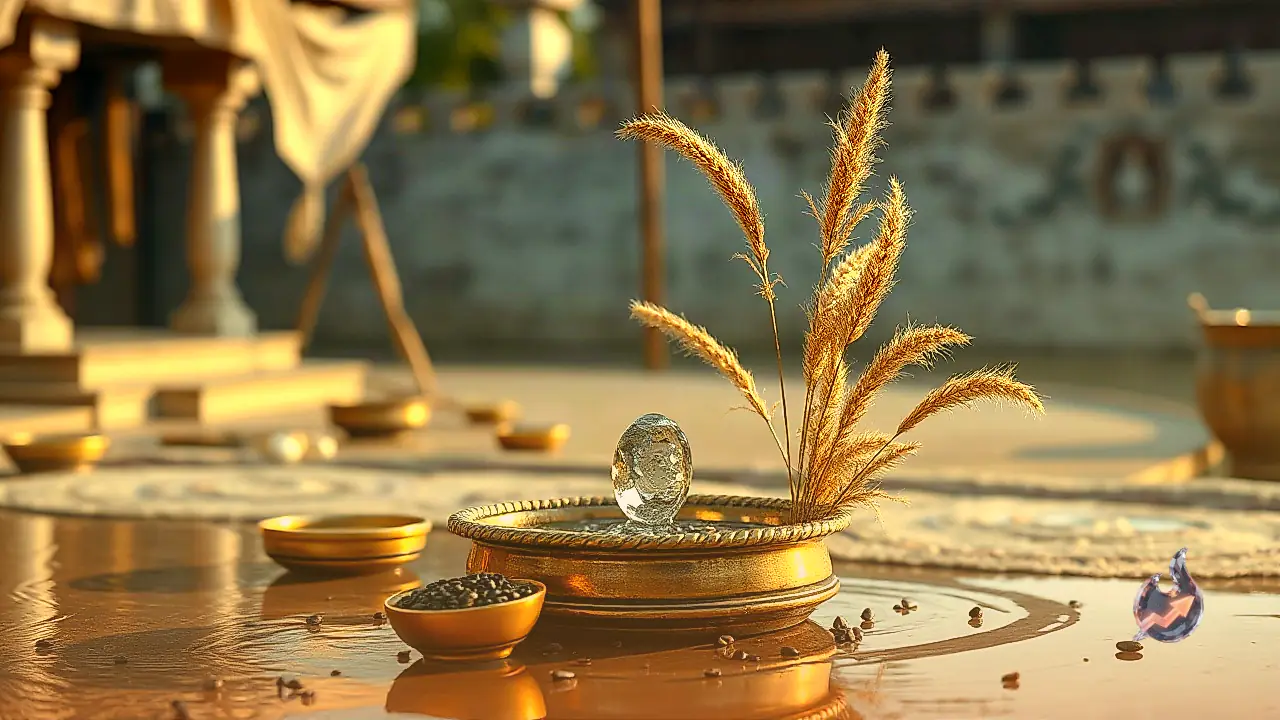
The origin of Kamalnath Mahadev Temple is deeply rooted in epic mythology surrounding Ravana's intense penance for Lord Shiva. According to revered traditions, Ravana, known as a supreme devotee of Shiva, pledged to offer 108 lotuses during an arduous worship ritual to please the deity. However, as the ritual reached its climax, Ravana realized that one lotus was missing. Unwilling to leave his sacred vow incomplete, he courageously severed his own head and offered it at the feet of Lord Shiva. Touched by such profound devotion and extreme sacrifice, Lord Shiva appeared before him and restored his severed head to his body. This extraordinary miracle gave the sacred site its enduring name, Kamalnath Mahadev.
A Rare Co-existence of Divine Worship and Tradition
What truly sets Kamalnath Mahadev Temple apart from conventional shrines is the presence of an idol dedicated to Ravana within the temple premises. Across India, only a handful of places observe the ritual of worshipping Ravana alongside the main deity. Local residents share that visitors routinely offer prayers to Lord Shiva before paying homage at the idol of Ravana. This distinctive practice has been preserved across centuries, maintaining its sanctity and spiritual resonance among the local population.
The Stewardship of the Local Tribal Community
The daily upkeep, maintenance, and spiritual rituals of the Kamalnath Mahadev shrine are preserved by the local tribal community residing in the surrounding Aravali hills. For generations, tribal families have actively nurtured this tradition, worshipping both Shiva and Ravana with equal reverence. Local villagers view this ritual as an ancestral legacy passed down over centuries. Special prayers, elaborate rituals, and community gatherings mark important occasions like the Sawan month and Mahashivratri, drawing widespread participation.
Swayambhu Shivling and Eco-Spiritual Attraction
Devotees strongly believe that the Shivling enshrined here is a Swayambhu, a self-manifested deity. Faith dictates that prayers made here with a pure heart are invariably granted by Lord Shiva. Beyond its religious significance, the temple is a captivating destination for eco-tourism. Encircled by rolling green mountains, tranquil valleys, and vibrant monsoon landscapes, the area provides a peaceful retreat for spiritual seekers and nature enthusiasts alike. Visitors from Rajasthan and across India frequently visit the shrine to experience both spiritual solace and scenic beauty.