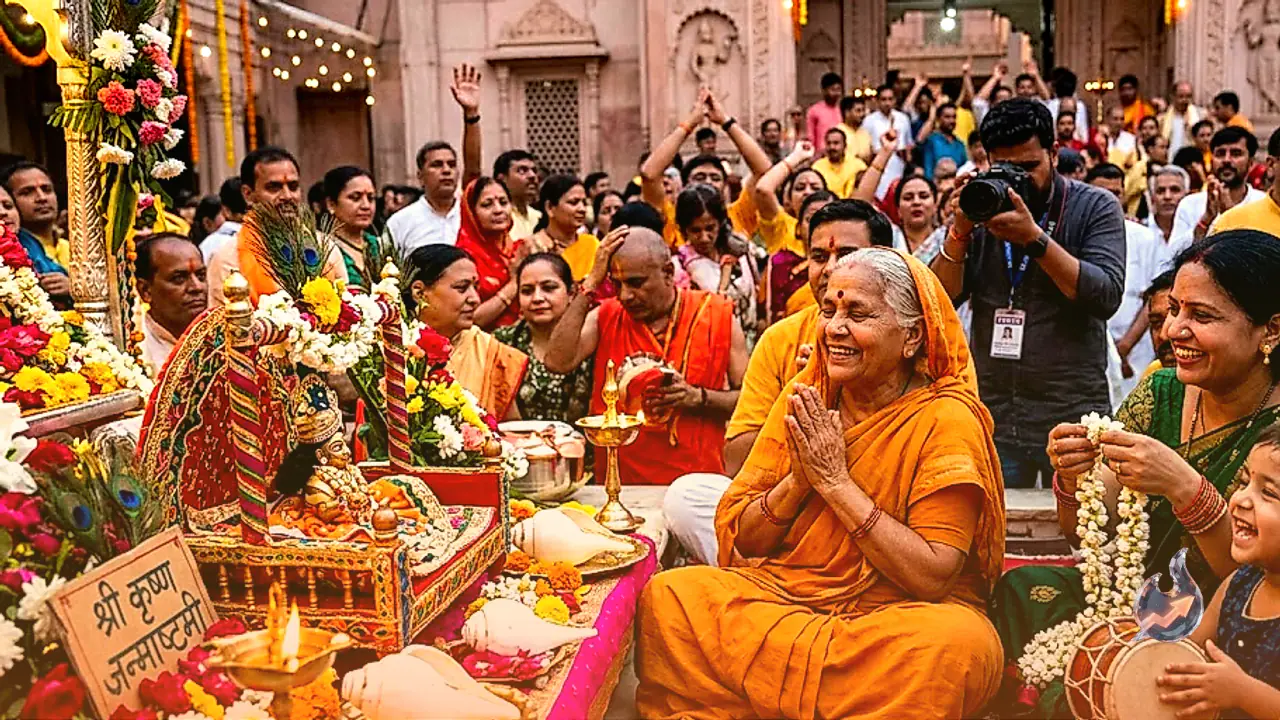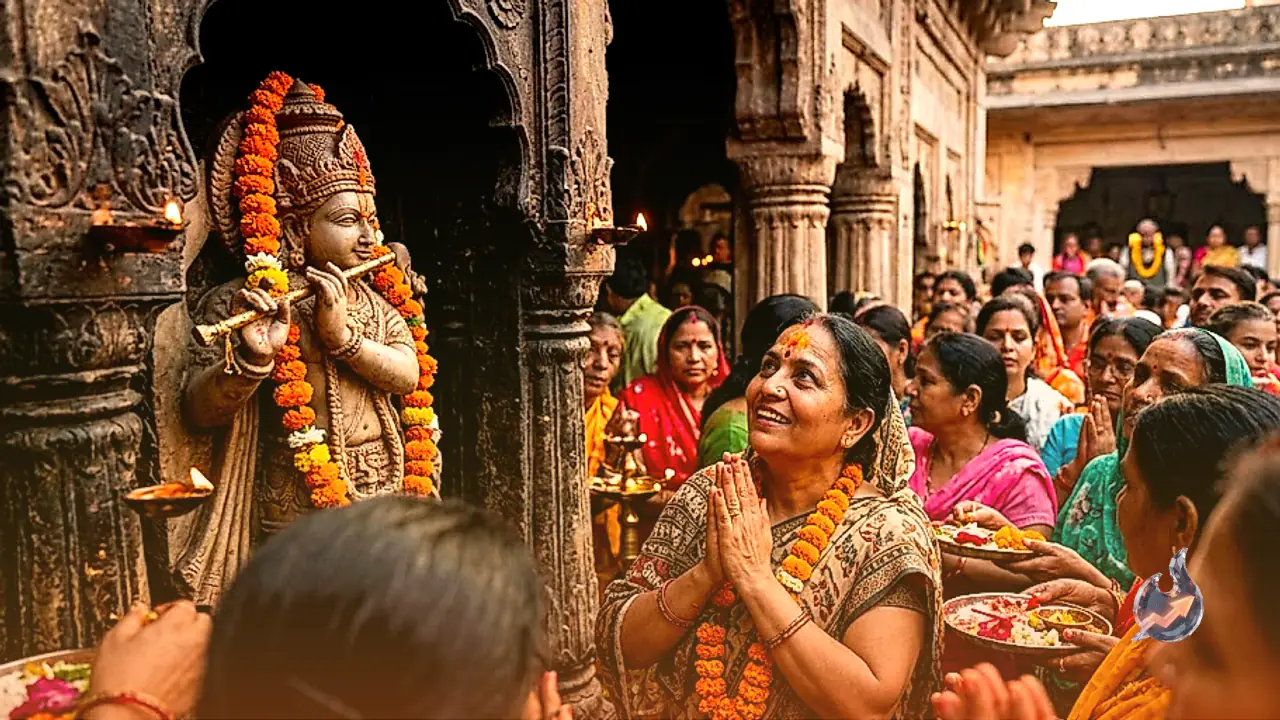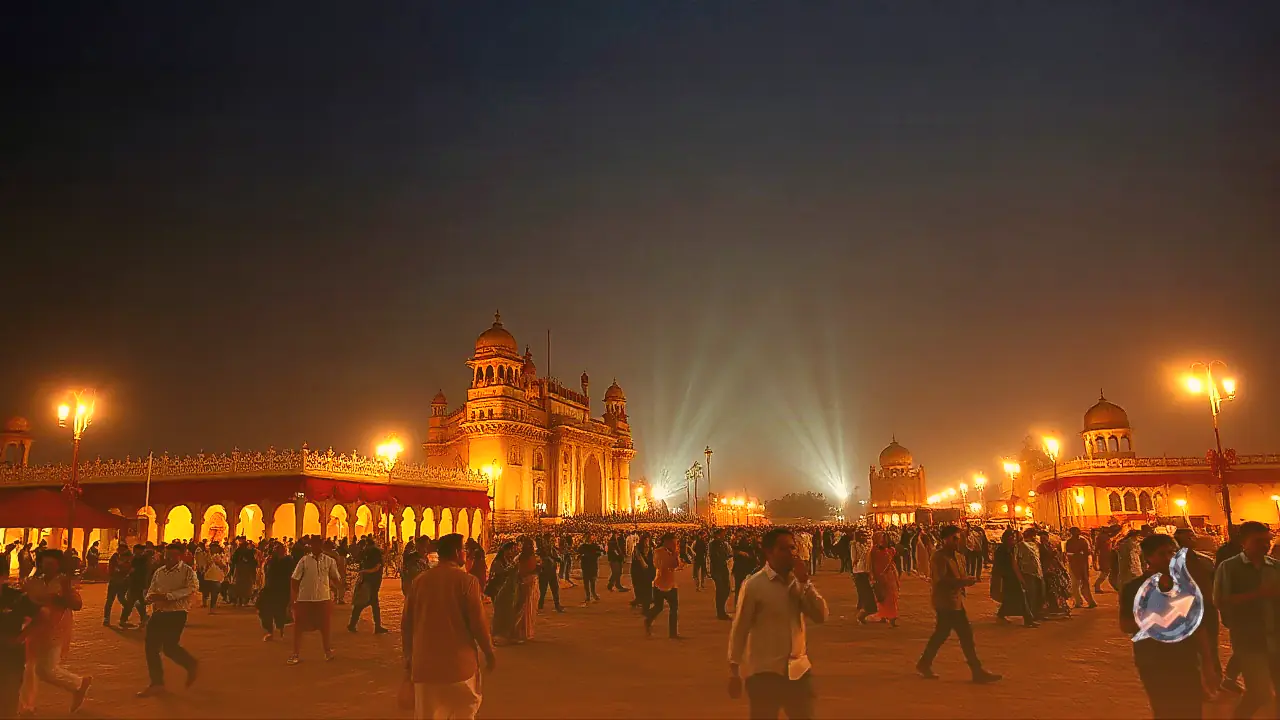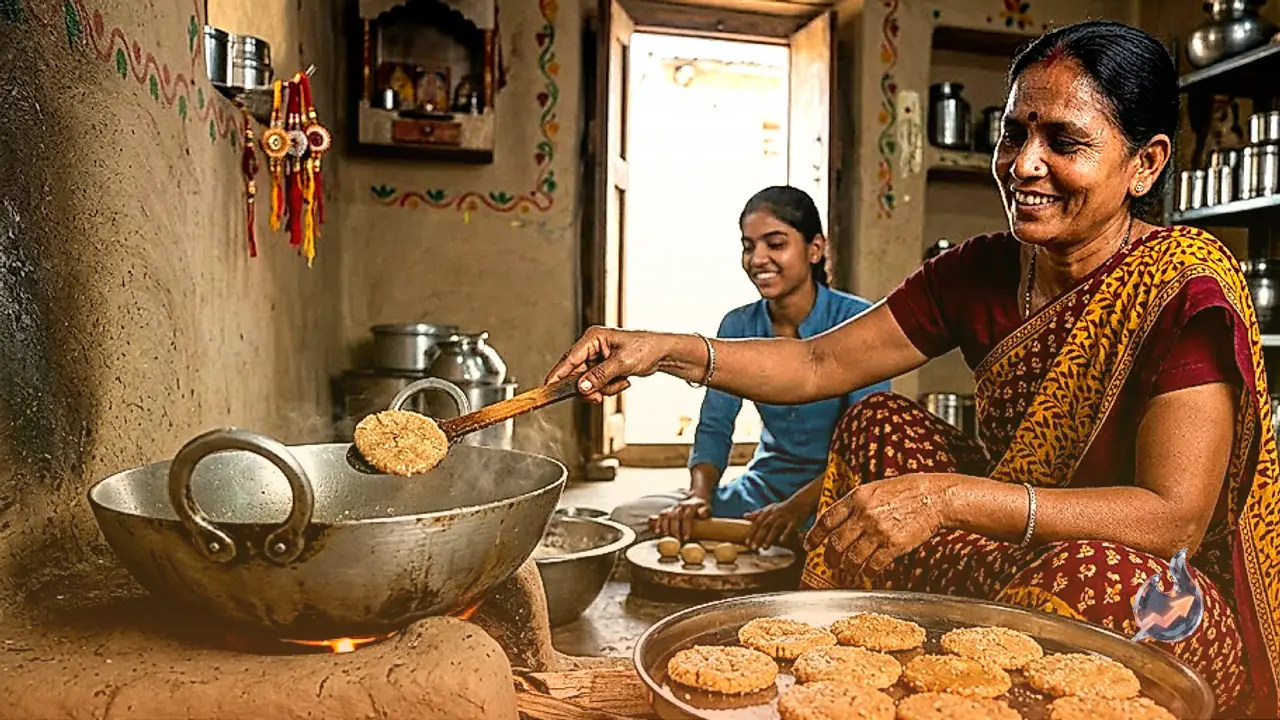






















On the auspicious occasion of Janmashtami, various regions across the country showcase distinct cultural practices and festive fervor. In Telangana, households observe a fascinating and deeply spiritual custom to welcome child Krishna into their homes with great devotion and enthusiasm. Known widely as Krishna Paadalu, this centuries-old tradition is meticulously observed in both rural and urban areas throughout the state.
Drawing Tiny Footprints from the Entrance to the Pooja Room
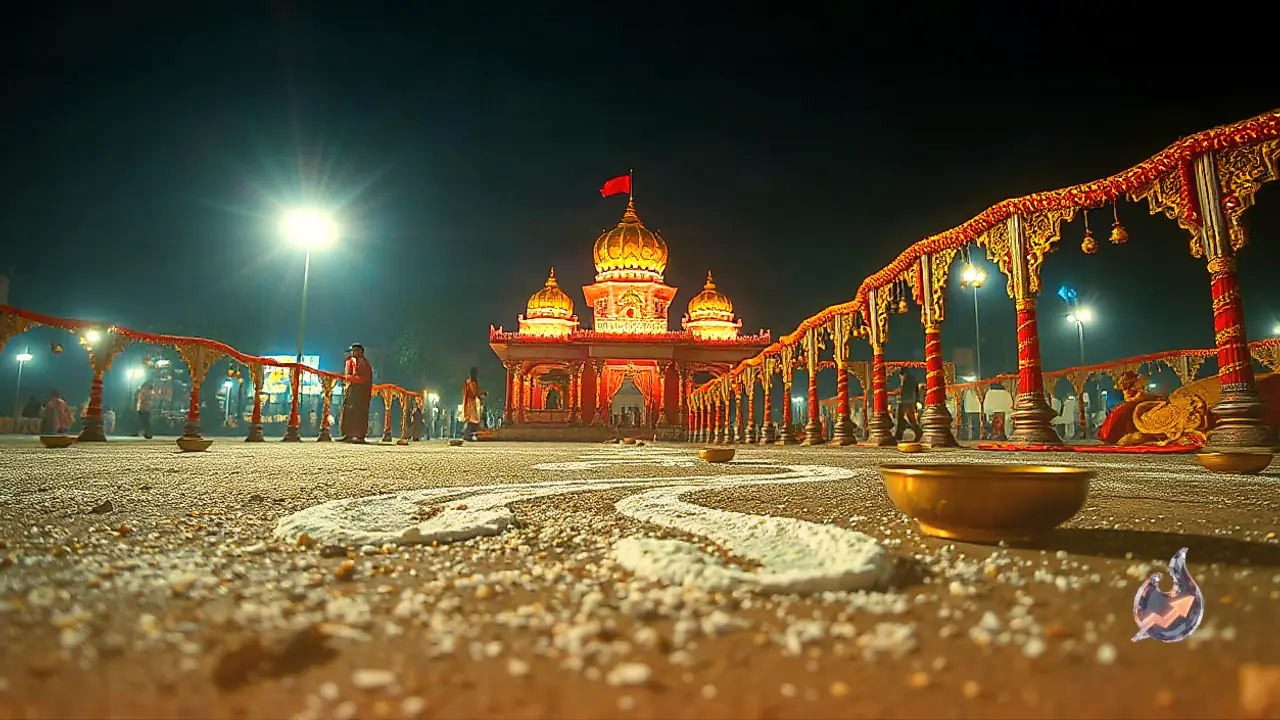
As part of this ritual, small footprints resembling those of infant Krishna are created starting right from the main entrance and leading all the way to the prayer room and kitchen. It is firmly believed that at the stroke of midnight, Kanhaiya himself walks inside the house in search of butter using these tiny steps, bestowing blessings of peace, happiness, and prosperity upon the entire family.
Traditional Method of Preparing Rice Flour Paste
To create these sacred footprints, people strictly avoid any kind of artificial colors or paints. Instead, a thick paste is prepared exclusively using pure soaked rice. In many traditional households, women still grind the soaked rice finely on a traditional silbatta stone grinder to get the right consistency.
Elder women of the household dip the edge of their closed fist or palm into this white paste and stamp it gently on the floor to form the shape of a foot sole. Following this, they use their fingertips to delicately imprint the five small toes. In homes where toddlers live, children's actual feet are sometimes lightly dipped into the paste and made to walk on the floor, filling the atmosphere with joy and festive cheer.
Significance of Footprint Direction and Kanhaiya Arrival
According to religious beliefs, the orientation of these footprints is always kept pointing inward from the outside. In other words, the marks start at the threshold and move toward the altar or the pot of butter. This clearly symbolizes that the mischievous infant god is stepping into the house from the exterior, making devotees feel as though the deity has personally arrived at their doorstep.
A Unique Message of Environmental Care and Compassion
This ancient practice also carries a practical and eco-friendly dimension. Following traditional customs, using edible rice flour serves a dual purpose beyond mere decoration, as it provides a natural food source for ants and small insects. Rooted in Indian philosophy, this act embodies Bhut Daya, which signifies compassion toward all living creatures. Even in this modern era, the people of Telangana continue to preserve their rich cultural and ecological heritage with unwavering devotion.