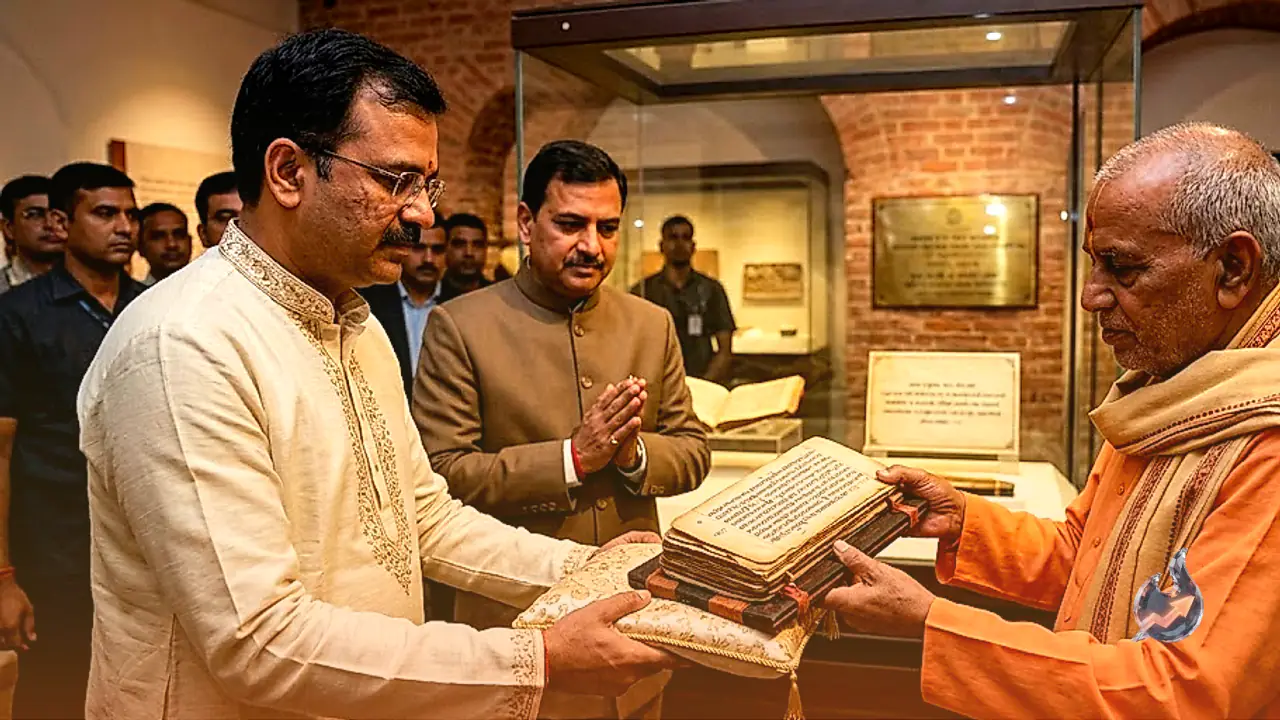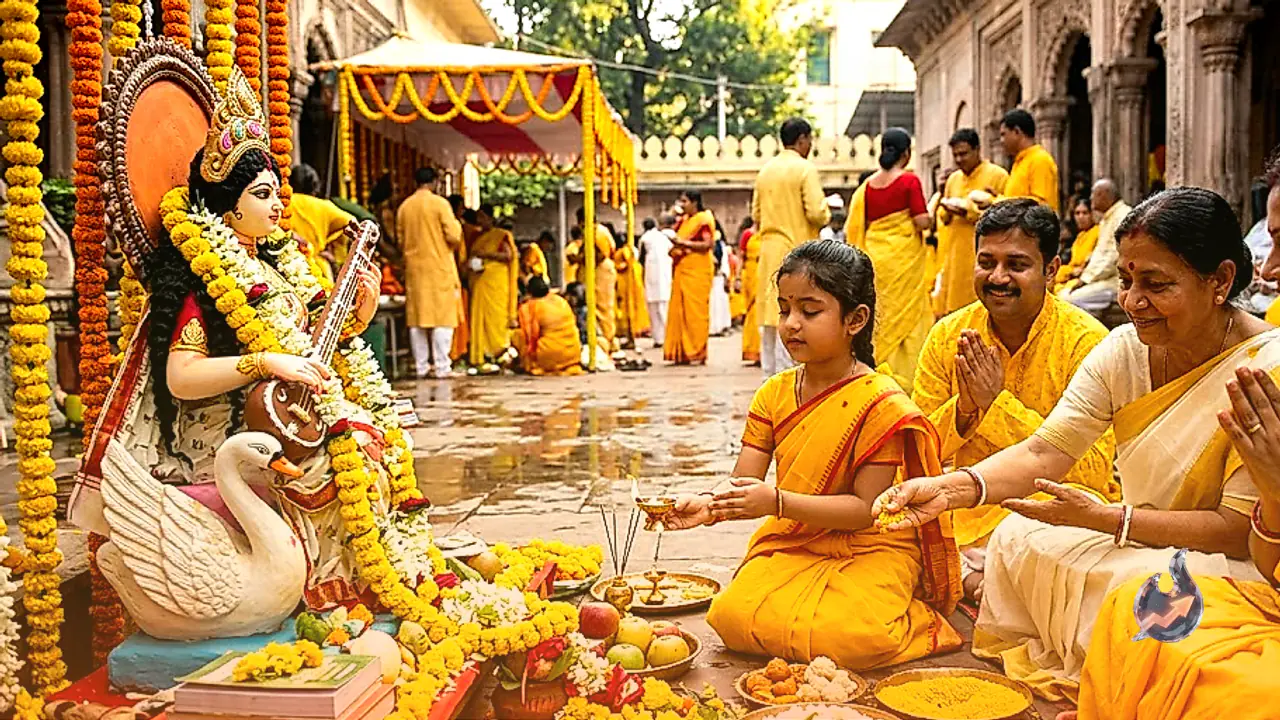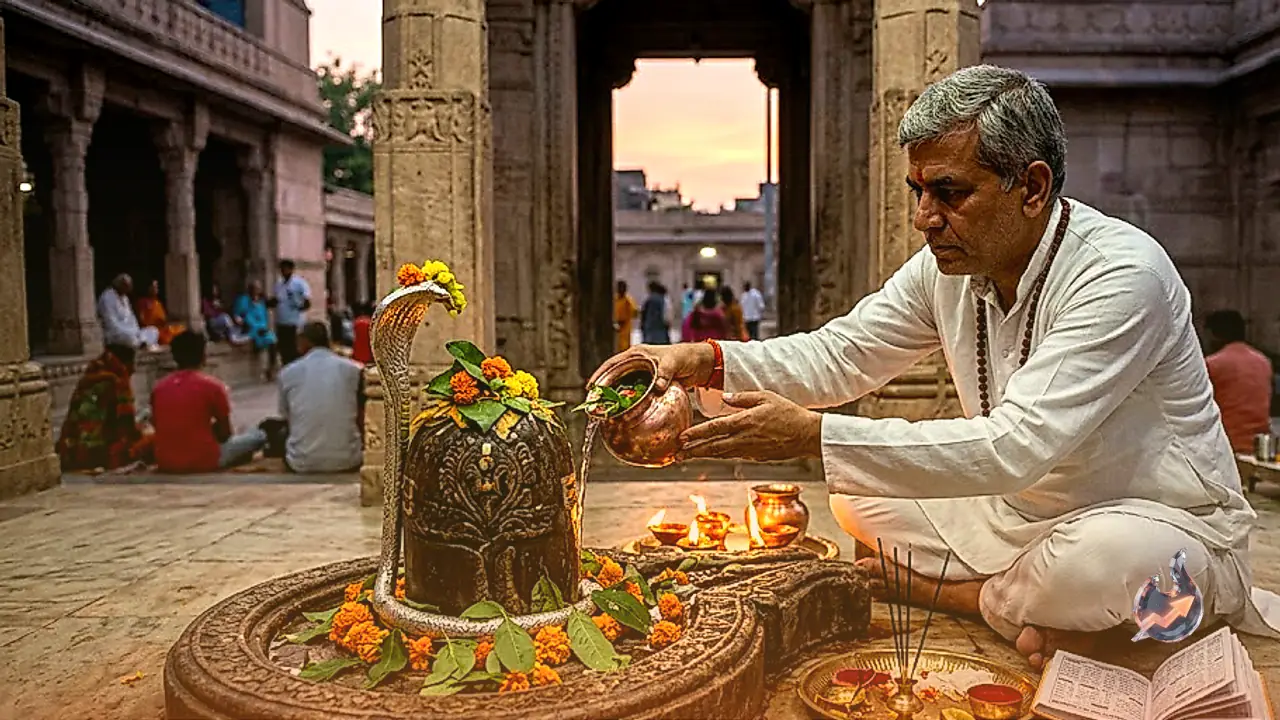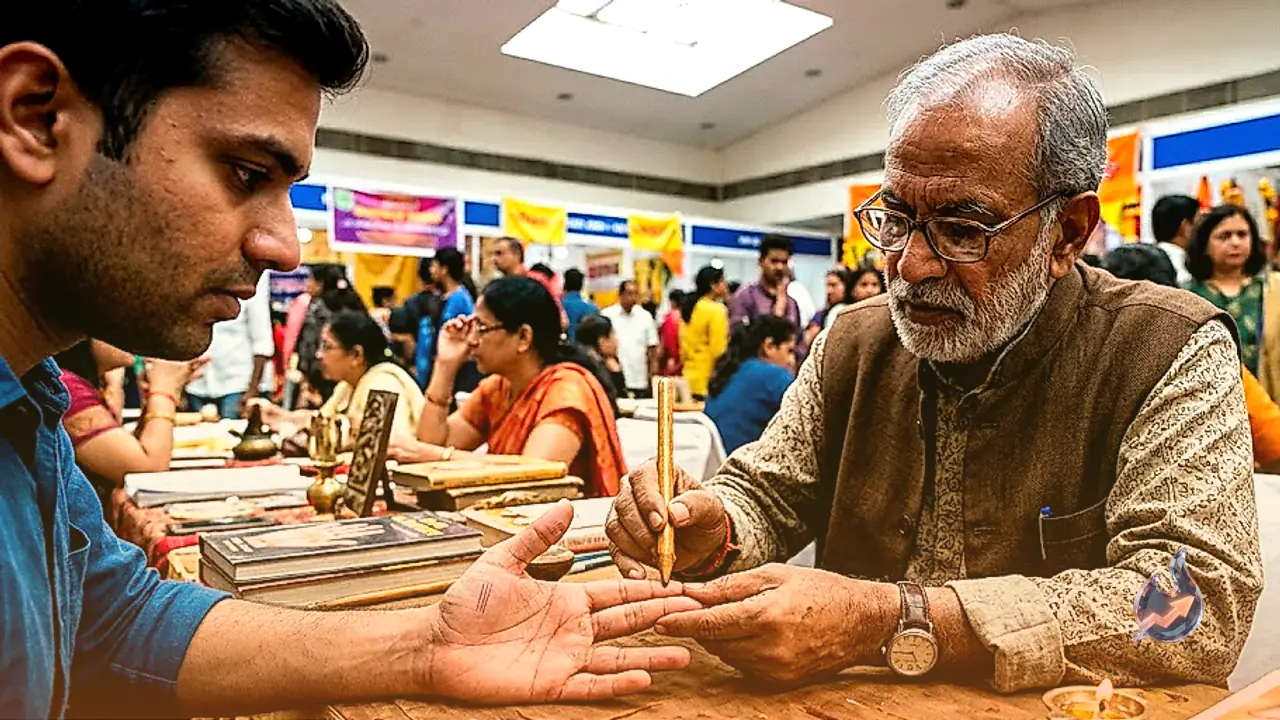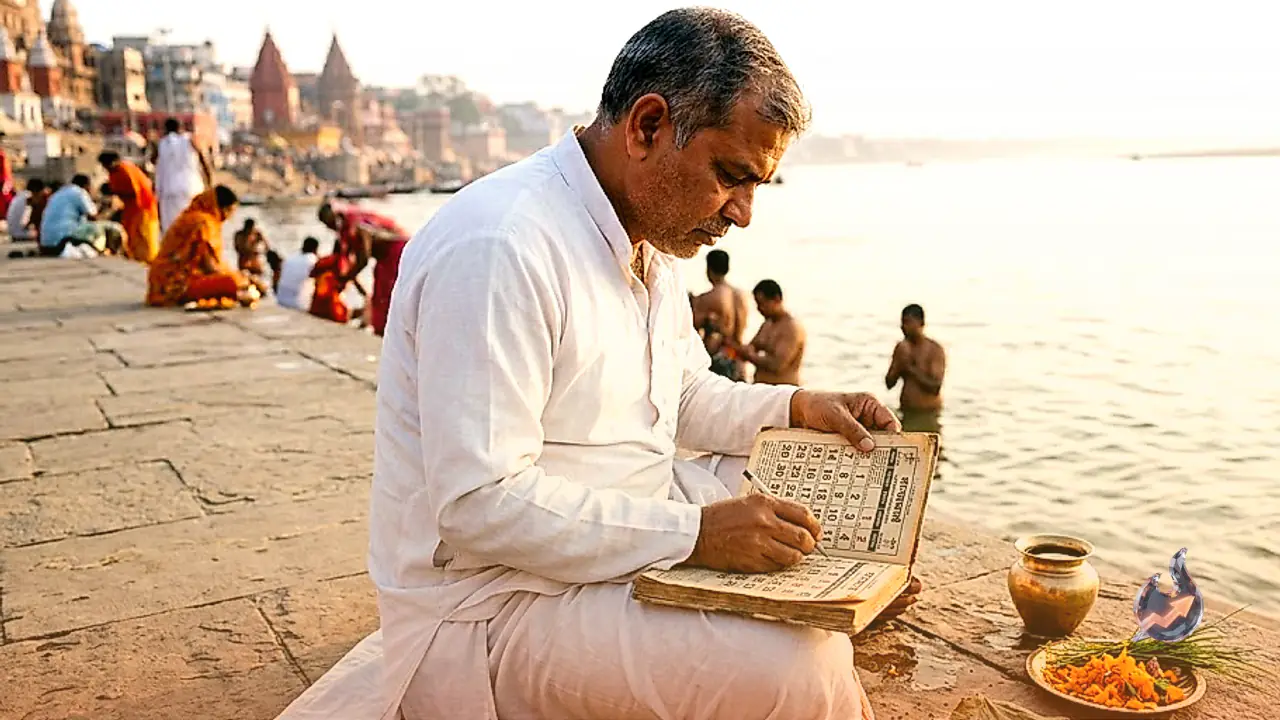




















In traditional customs, the period of Pitru Paksha is observed as a dedicated time to show deep reverence, gratitude, and remembrance toward ancestors. This solemn annual observance begins on September 26, 2026. According to long-standing cultural beliefs, maintaining a disciplined and sattvic routine is central to this fortnight, which also extends to what items one should bring home. Certain devotional items are considered auspicious to purchase during this phase, whereas purchasing conventional luxury goods and assets meant for celebration is strictly advised against.
Purchasing Shradh and Ritual Essentials
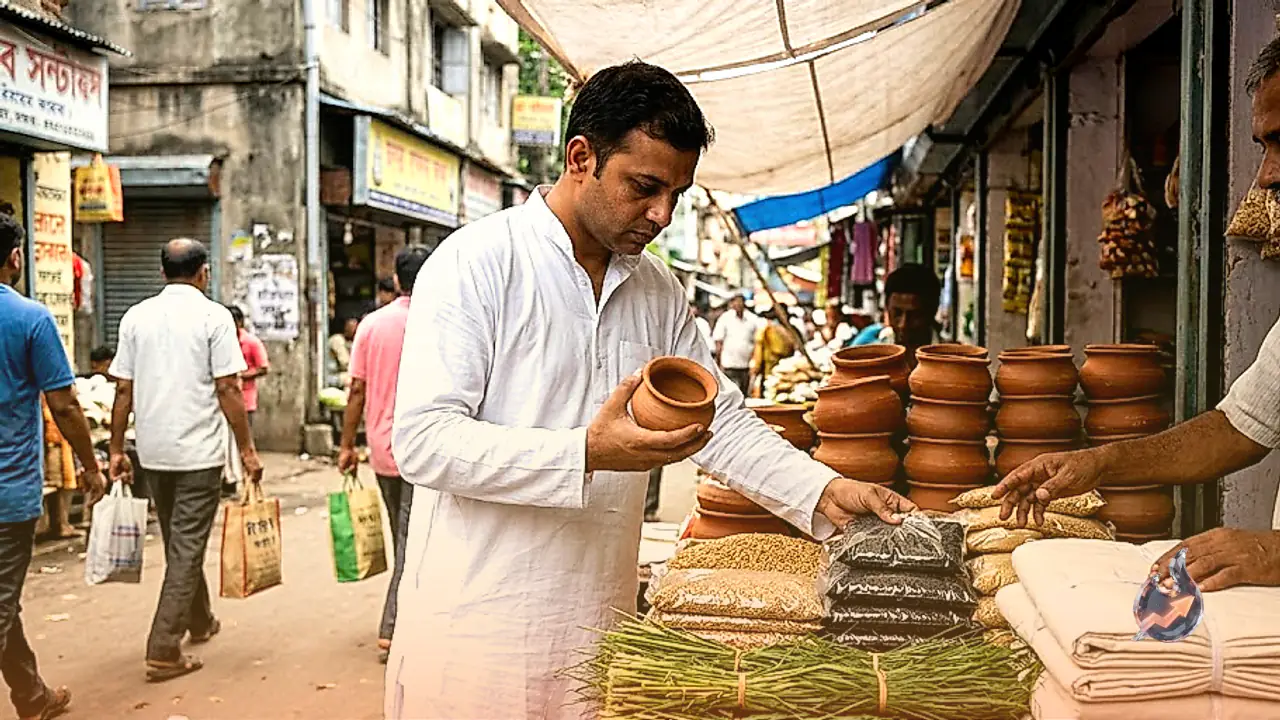
Acquiring materials directly connected to the sacred rites of Shradh, Pind Daan, and Tarpan is considered spiritually rewarding during this period. People can buy barley, black sesame seeds, Kusha grass, unbroken rice grains, and jasmine oil during these days. In addition, procuring incense, traditional oil lamps, and sacred religious books is also regarded as highly beneficial. These items serve not only the daily memorial rites and prayers but can also be donated to the underprivileged to earn spiritual merit.
The Significance of Black Sesame Seeds
Black sesame seeds carry premier importance across all ancestral rituals during this observance. Traditional belief holds that offering water libations mixed with black sesame grants complete satisfaction and peace to departed souls. Purchasing black sesame seeds and donating them to someone in need during this sacred window is regarded as an act of great virtue and goodwill.
Bringing Home Metal Utensils
Purchasing cookware and ritual vessels made of copper, bronze, and brass is considered completely appropriate during Pitru Paksha. These metals have long been sanctified for use in sacred ceremonies and ancestral offerings. Devotees may choose to buy any of these metal vessels according to their domestic requirements and personal financial capacity.
The Sanctity of Gangajal
Bringing holy water from the Ganges into the household holds immense spiritual value throughout this period. It is actively utilized in performing ancestral Tarpan, ceremonial ablutions, and daily prayers. As part of established customs, sprinkling Gangajal across the home altar and throughout living spaces is practiced to maintain a clean and sanctified environment.
Items That Must Be Avoided
Because this phase prioritizes restraint, solemnity, and reflection over celebration, bringing home items associated with material indulgence or new beginnings is traditionally discouraged. Observers are advised to strictly refrain from the following purchases
- Avoid purchasing iron metal or any household implements made of iron.
- Do not buy brand new clothes or fashion apparel during this period.
- Refrain from purchasing gold and silver jewelry or related precious ornaments.
- Avoid bringing home a new vehicle such as a motorcycle or car.
- Do not invest in or purchase real estate, including residential land, apartments, or houses.
- Avoid purchasing new footwear such as shoes and sandals.
- Do not shop for items intended for weddings or upcoming auspicious family celebrations.
- Traditional custom also cautions against buying a new household broom during this fortnight.