


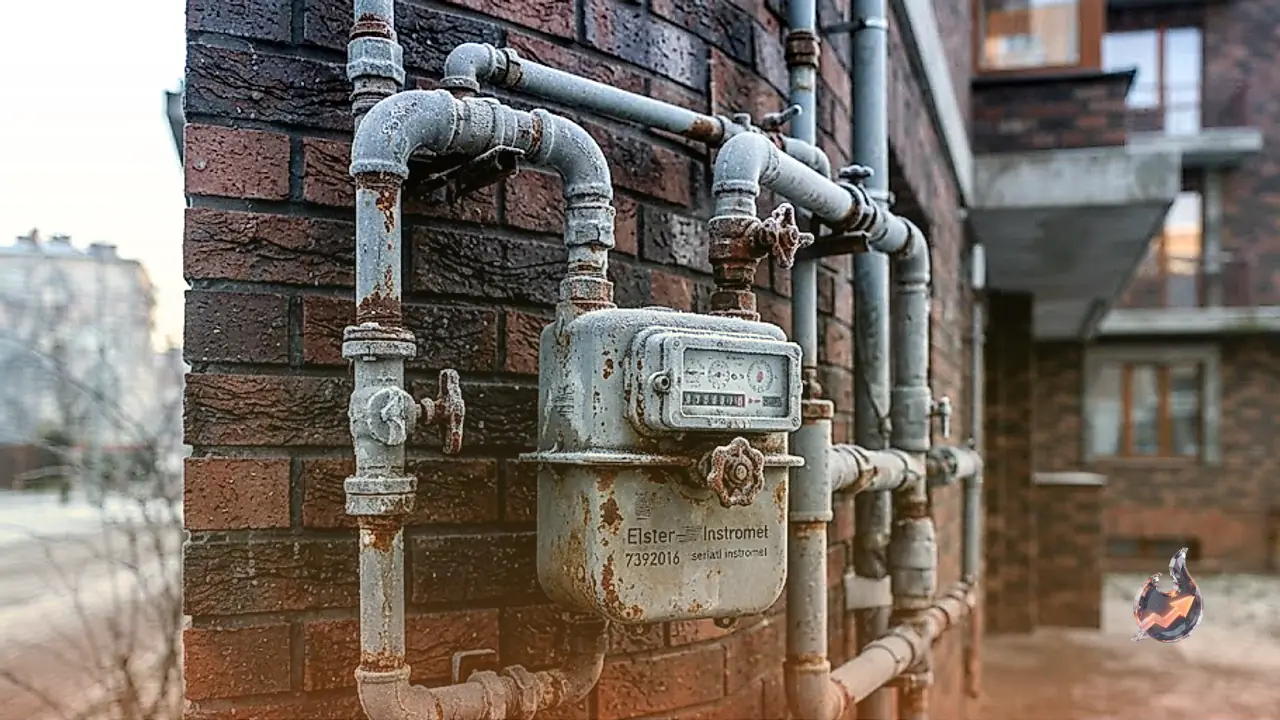

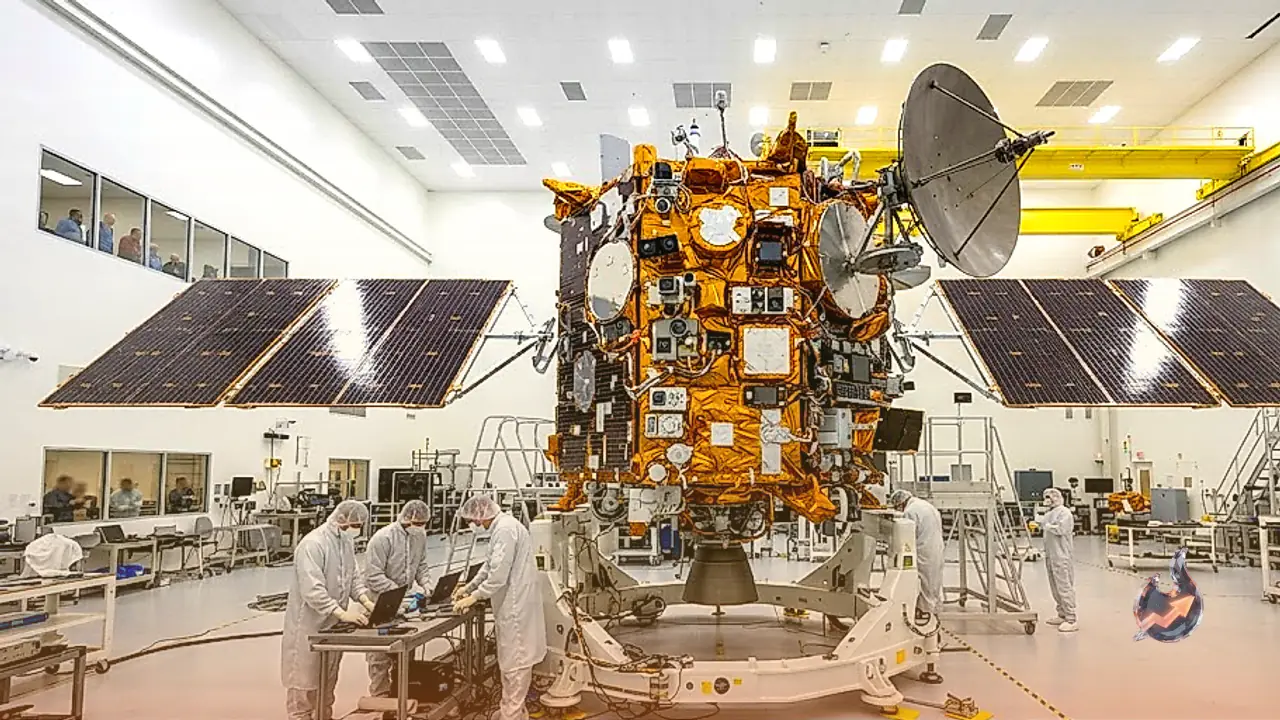















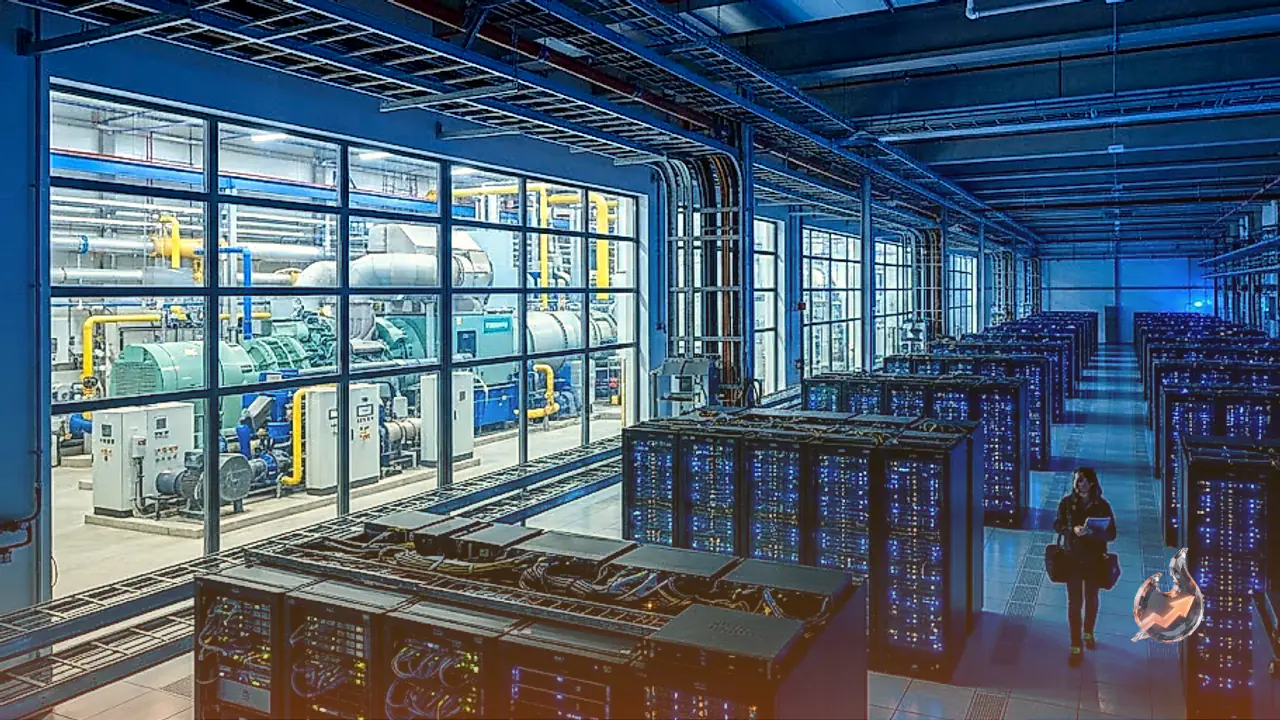

Artificial intelligence firm Anthropic has explicitly warned in its initial public offering filing that natural gas shortages and sharp price fluctuations pose a major threat to its expansion. As the massive boom in American data center construction accelerates, these facilities are placing extraordinary demands on the nation's energy grid. Rather than enduring years of administrative delays to secure utility grid connections, several tech firms are choosing to construct their own dedicated, on-site gas-fired power generation stations.
Skyrocketing Power Demand Across the AI Sector
Data compiled by energy analytics firm Cleanview underscores the magnitude of this shift. As of July 2025, behind-the-meter gas projects under development accounted for roughly 20 gigawatts of capacity. By October 2026, that figure is projected to surge to an unprecedented 110 gigawatts. This rapid proliferation has intensified competition for available fuel. In its regulatory filings, Anthropic noted that competing against rival operators leaves it vulnerable to volatile fuel costs and supply interruptions that remain completely outside its control, potentially driving up natural gas prices in key deployment zones.
Shifting Away from Cloud Giants to Owned Infrastructure
Historically, Anthropic relied on renting raw compute capacity from established cloud infrastructure providers. Its filing explicitly highlights existing relationships with Amazon, Google, Microsoft, and SpaceX. Notably, Anthropic leases server infrastructure from SpaceX's Colossus data center hub in Memphis, Tennessee, which is currently embroiled in legal challenges over the deployment of unpermitted natural gas turbines. To diminish its dependency on third-party tech giants and assume direct operational oversight, Anthropic has recently begun directly leasing and constructing its own facility sites.
Central to this independence initiative is a $50 billion agreement struck last year with Fluidstack, which handles data center development and facilities management. Anthropic has already identified flagship locations in Texas and New York. Furthermore, the firm has tied itself to data center projects featuring substantial on-site gas plants across Louisiana, Texas, and West Virginia. According to a separate public filing from infrastructure developer Nscale, the proposed West Virginia installation could ultimately become one of the largest gas-powered industrial sites in the United States.
Global LNG Export Competition and Regional Pressures
Distributing infrastructure across multiple geographic regions exposes Anthropic to localized fuel market shocks and pipeline constraints. This regional vulnerability is especially pronounced in the American South and Southeast, where data facilities must directly compete for fuel with liquefied natural gas export terminals. U.S. gas exports are expanding due to geopolitical shifts and federal trade incentives, with export demand projected to double over the next ten years.
Enrique Gonzalez, head of Americas gas research at BloombergNEF, highlighted that gas costs will inevitably rise in states like Louisiana and Texas where LNG export terminals are heavily clustered. BloombergNEF estimates that grid-connected data centers alone will demand an additional 15 billion cubic feet of natural gas per day by 2035, representing a 15 percent increase in overall national demand. Conservative projections for pending on-site gas projects add another 3 billion cubic feet per day within the coming decade. With Texas serving as the epicenter for behind-the-meter facilities, developers are locked in intense rivalry for finite pipeline capacity.
Potential Toll on Household Bills and Rejection of Renewables
The intense strain on gas supplies could ultimately cascade down to residential electricity consumers. Experts caution that when wholesale hub prices increase, local utilities frequently pass those elevated supply costs onto household power bills unless restrained by legislation. Gas producers, remembering the market crash following the 2022 energy crisis, remain cautious about over-expanding production capacity too quickly.
While zero-carbon clean energy like solar, wind, geothermal, and nuclear might seem like the logical solution to these supply constraints, Anthropic explicitly dismissed green energy alternatives in its prospectus. The company stated that renewable options cannot provide the required volume within necessary timelines or at commercially viable price points to support their immediate growth goals.