























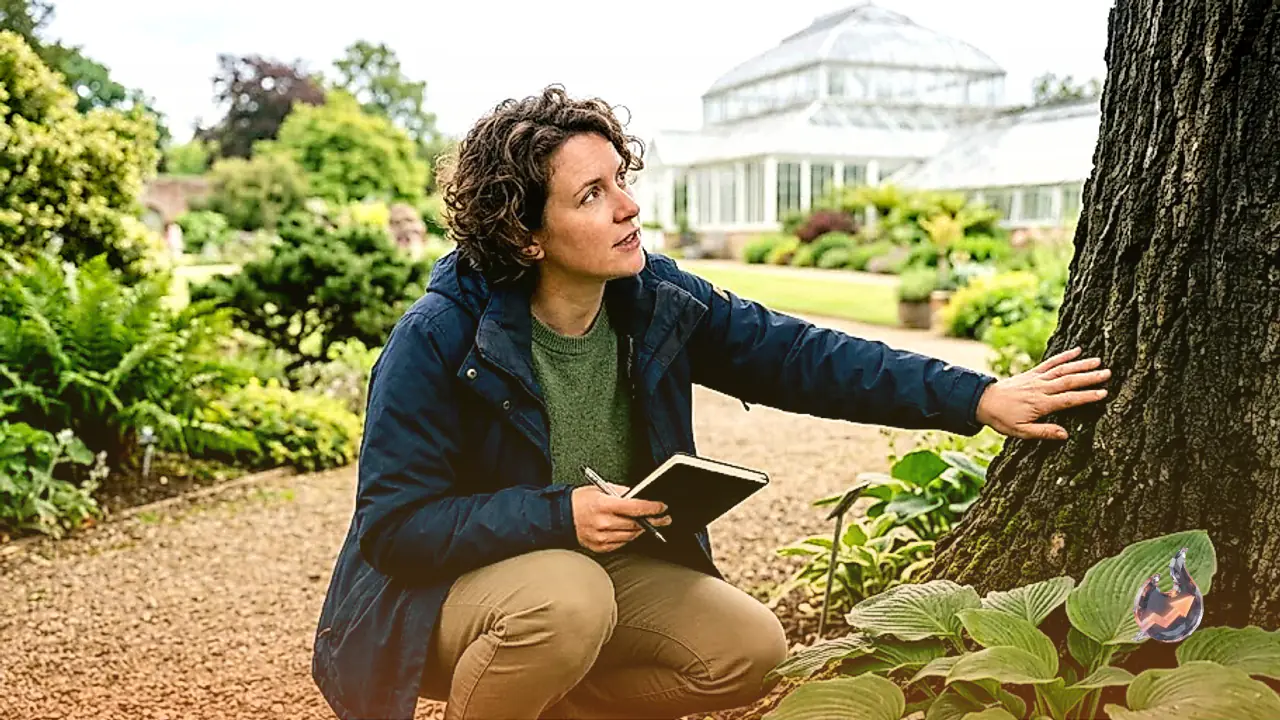

In everyday conversation, the terms tree and plant are frequently used as if they mean the exact same thing. However, botanical science establishes a distinct structural and biological boundary between the two. In simple terms, every tree is fundamentally a plant, but not every plant has the genetic makeup to become a tree. Key differences in size, stem composition, root structure, and overall lifespan set them apart.
The Broad Scope of Plants and Their Core Characteristics
The term plant represents a broad scientific category that encompasses nearly all forms of vegetation on Earth. This category includes tiny blades of grass, climbing vines, dense shrubs, flowering species, and massive trees. Regardless of their size, all members of the plant kingdom share essential biological traits.
One of the primary functions of plants is producing their own food through the process of photosynthesis. By utilizing sunlight, water, and carbon dioxide, plants manufacture energy for themselves while simultaneously regulating atmospheric oxygen levels, sustaining life across the planet.
Key Structural Differences Between Trees and Plants
Trees represent a specialized, highly developed subgroup within the plant kingdom. They possess specific physical characteristics that differentiate them from non-tree plant species. The defining feature of a tree is its thick, hard, and woody central trunk that rises vertically before branching out at a higher elevation.
The primary physical distinctions between trees and other plants include
- Stem Structure: Trees develop a prominent, solid, and woody main stem. In contrast, many smaller plants feature soft, green, flexible stems that bend easily without snapping.
- Size and Canopy: Trees generally grow to significant heights, establishing dense leaf canopies well above ground level. Ordinary plants remain small to medium in scale.
- Common Examples: Mango, neem, banyan, and peepal serve as classic examples of trees, whereas herbs and flowering garden species illustrate non-tree plants.
Lifespan and Root Architecture
Lifespan offers another clear line of differentiation between these botanical forms. Most trees are long-lived perennials capable of surviving for decades or even centuries. Conversely, many smaller plant species complete their entire life cycle within a few months or a couple of years.
Root architecture also plays a vital role in distinguishing the two. A mature tree develops an extensive root system that penetrates deep into the soil and spreads horizontally across a wide area. This deep anchorage provides structural stability, enabling the tree to withstand powerful winds. Smaller plants typically feature shallow root systems that remain close to the soil surface.
Do All Young Plants Eventually Grow Into Trees?
It is true that every tree begins its life as a small sprout or sapling. Over time, as the sapling grows, its main stem hardens into wood, its height increases, and it matures into a full-sized tree.
However, this transition does not apply to all plants. Countless plant species are biologically programmed to remain small throughout their entire lifespan, never developing the woody trunk or massive height characteristic of trees.