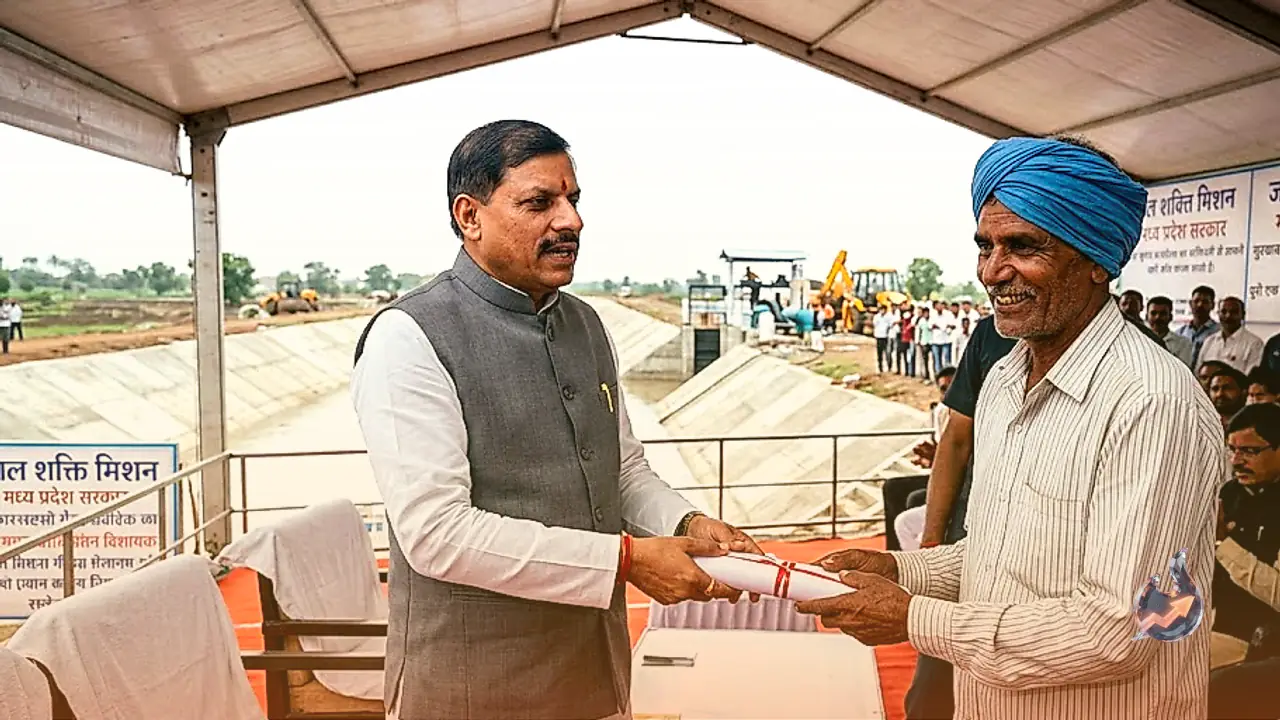






















In an effort to provide accessible, secure, and modern public transit options to residents, the Madhya Pradesh government is launching a statewide bus transport initiative. The transport department's flagship project, known as the Mukhyamantri Sugam Parivahan Seva, will officially start operations on September 25, 2026. Chief Minister Mohan Yadav will flag off an initial fleet of 351 buses at a state-level inauguration event organized at the Dussehra Maidan in Bhopal. Designed to upgrade transit connectivity between major districts, assist daily commuters, and lower vehicular pollution through cleaner options, the overall initiative will eventually see approximately 1,500 buses operating on roads across the state.
Fleet Segregated Into Intercity And Intracity Routes
The 351 buses scheduled for the synchronized launch have been categorized into two operational wings. The first group comprises 120 intercity buses assigned to manage connections between two or more urban centres, providing faster transit links across regional corridors. Complementing these are 231 intracity buses that will ply inside municipal limits, providing urban commuters with affordable, organized, and reliable transit options for everyday municipal travel. This two-tier distribution targets both regional commuting needs and local city connectivity simultaneously.
Initial Network Covers Seven Urban Districts
The inaugural phase deploys bus fleets across seven key cities: Indore, Bhopal, Jabalpur, Rewa, Dewas, Katni, and Bhind. Vehicle numbers have been tailored to meet localized transit demands. Indore receives the largest deployment with 145 buses, including 50 intercity and 95 intracity vehicles. The capital city of Bhopal follows with an allocation of 106 buses, divided into 23 intercity and 83 intracity units.
Jabalpur is scheduled to operate 67 buses, made up of 14 intercity and 53 intracity models. Other participating districts are focused predominantly on intercity transit links: Rewa will receive 18 intercity buses, Dewas is allotted 10 intercity buses, Katni gets 3 intercity buses, and Bhind will see 2 intercity buses enter service. This regional allocation is structured to bridge transit gaps between district headquarters and neighboring towns.
Long-Term Roadmap Targets 15,000 Buses By 2031
The transport plan includes long-term infrastructure expansion that extends deep into rural districts. By the year 2031, the administration aims to connect 75 percent of all gram panchayats to the bus network, drastically improving rural mobility. Statewide plans call for deploying more than 15,000 modern public buses, engineered to serve over 3 million daily passengers safely and consistently. To handle this fleet scale, the project includes the redevelopment and modernization of more than 180 bus terminals, stands, and maintenance depots across the state.
Promoting Clean Fuels And Electric Mobility
Environmental mitigation forms a central component of this public mobility scheme. In an effort to cut carbon emissions and minimize the ecological footprint of mass transit, the state is emphasizing clean fuels and the phased induction of electric buses into the public transport ecosystem.
Real-Time ITMS Tracking And Passenger Safety
All buses operating under the Mukhyamantri Sugam Parivahan Seva will be monitored through an Intelligent Transport Management System (ITMS). Advanced command and control centres have been established under Madhya Pradesh Yatri Parivahan and Infrastructure Limited (MPYPIL) alongside its 7 subsidiary entities. These integrated operations facilities will track bus routes, vehicular coordinates, scheduling adherence, and operational incidents in real time.
Passenger security, particularly for women and children, is designated as a top priority. Each bus is equipped with 07 CCTV cameras, emergency panic buttons, and Vehicle Location Tracking Devices (VLTD). To improve passenger travel, buses feature Passenger Information Systems (PIS), backed by specialized technical training for drivers and a responsive grievance redressal system designed to keep public transit safe and predictable.
Private Operator Integration Through PPP Model
The government is relying on a Public-Private Partnership (PPP) framework to sustain daily operations through transparent contracting and performance incentives. This model allows private bus operators to curb ticket revenue leakage, tap non-fare revenue streams such as commercial advertising and parcel cargo transit, and utilize state-of-the-art depots and passenger terminals with administrative support.
Economic Impact And Job Opportunities
The widespread rollout of transit services is projected to generate significant investment and employment throughout Madhya Pradesh. Expanding fleet operations creates direct demand in bus manufacturing, electric mobility technology, charging station deployment, technical maintenance, and allied logistics. Consequently, the project is anticipated to foster industrial activity in automobile-related fields while opening substantial employment and self-employment opportunities for local youth.