














The Indian Space Research Organisation (ISRO) is steadily moving forward with plans to send people to the moon as part of the ongoing Gaganyaan program, which aims to develop a human-rated spacecraft. Beyond Gaganyaan, ISRO scientists are actively engaged in long-term space initiatives, including the ambitious establishment of an Indian space station. Under India Space Vision 2047, several bold objectives have been laid out for human space exploration, reflecting the nation's growing self-reliance, advanced space capabilities, and forward-looking strategic goals.
The Kalam Corner and Laser Show at Thumba
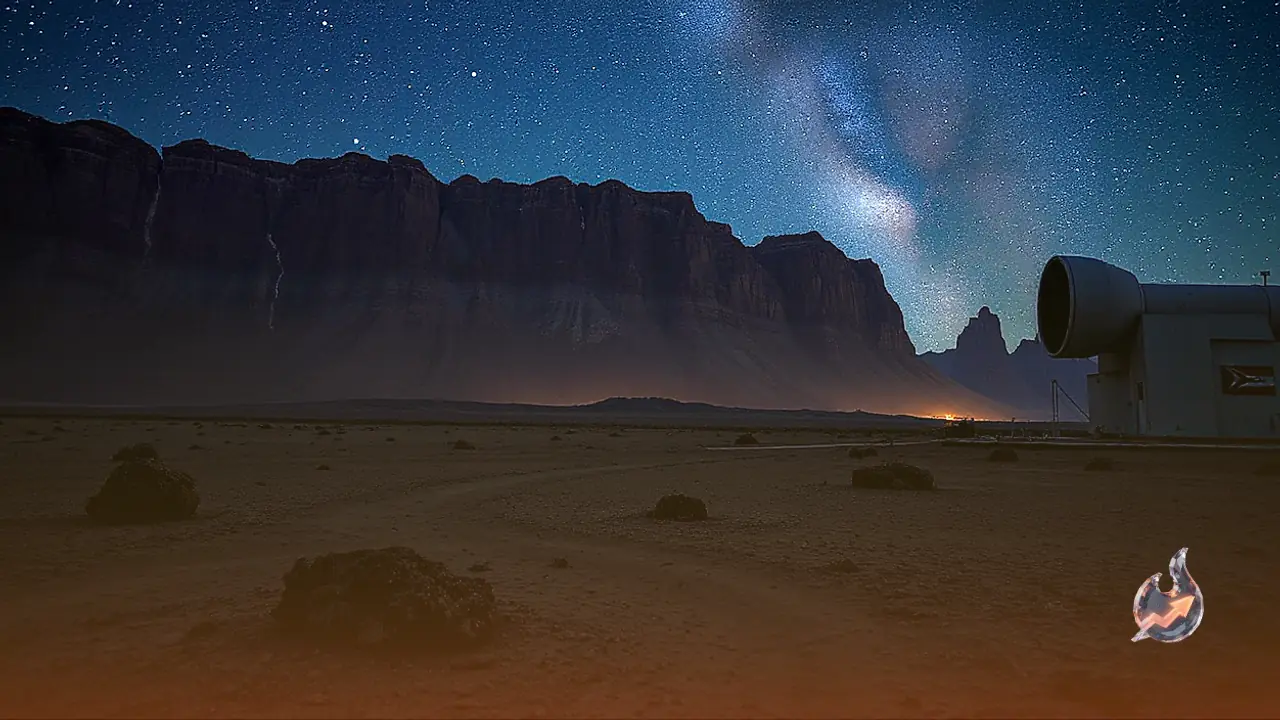
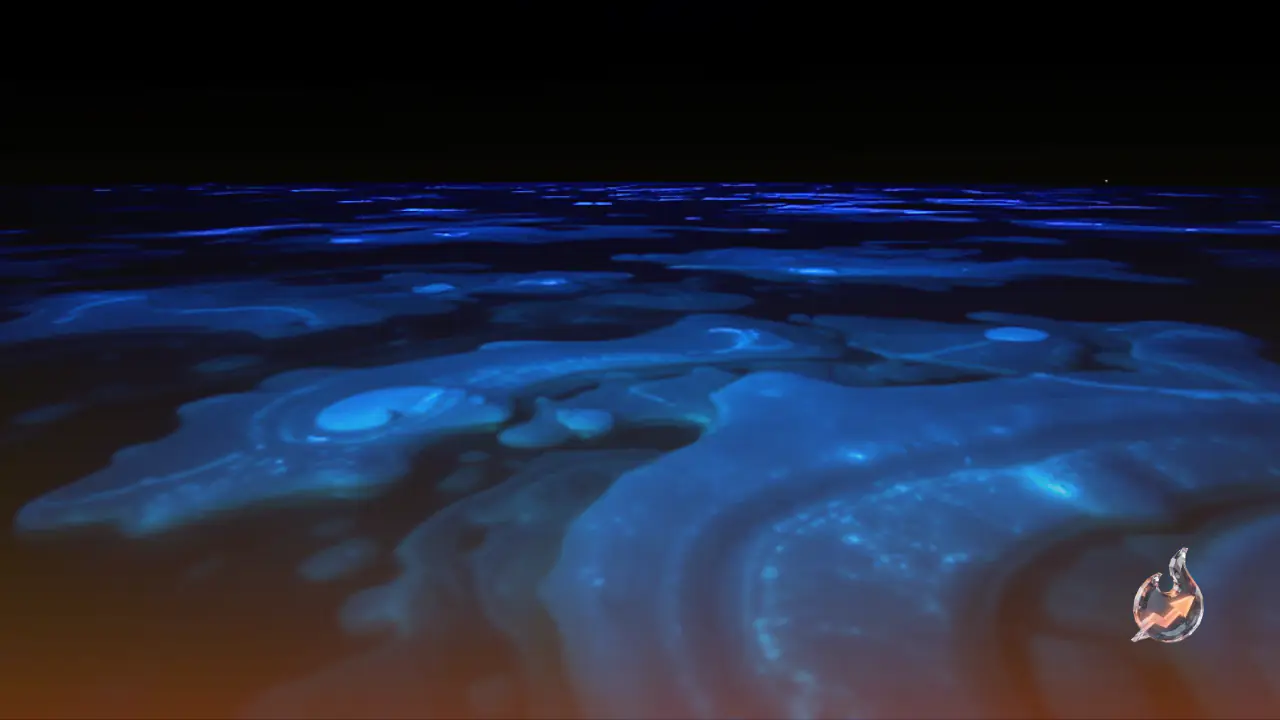
At the Vikram Sarabhai Space Centre in Thumba, Thiruvananthapuram, a laser exhibition is hosted right outside the office space once used by Dr. A.P.J. Abdul Kalam. Known as the Kalam Corner, this presentation uses a laser show to illustrate the early scientific career and inspiring contributions of Dr. A.P.J. Abdul Kalam. Visitors and staff draw inspiration from this tribute located outside his former workspace. Dr. Kalam played a pivotal role in nurturing India's nascent space program at Thumba, a legacy that continues to inspire reverence across the country today.
Journalists Visit the Historic Thumba Facility
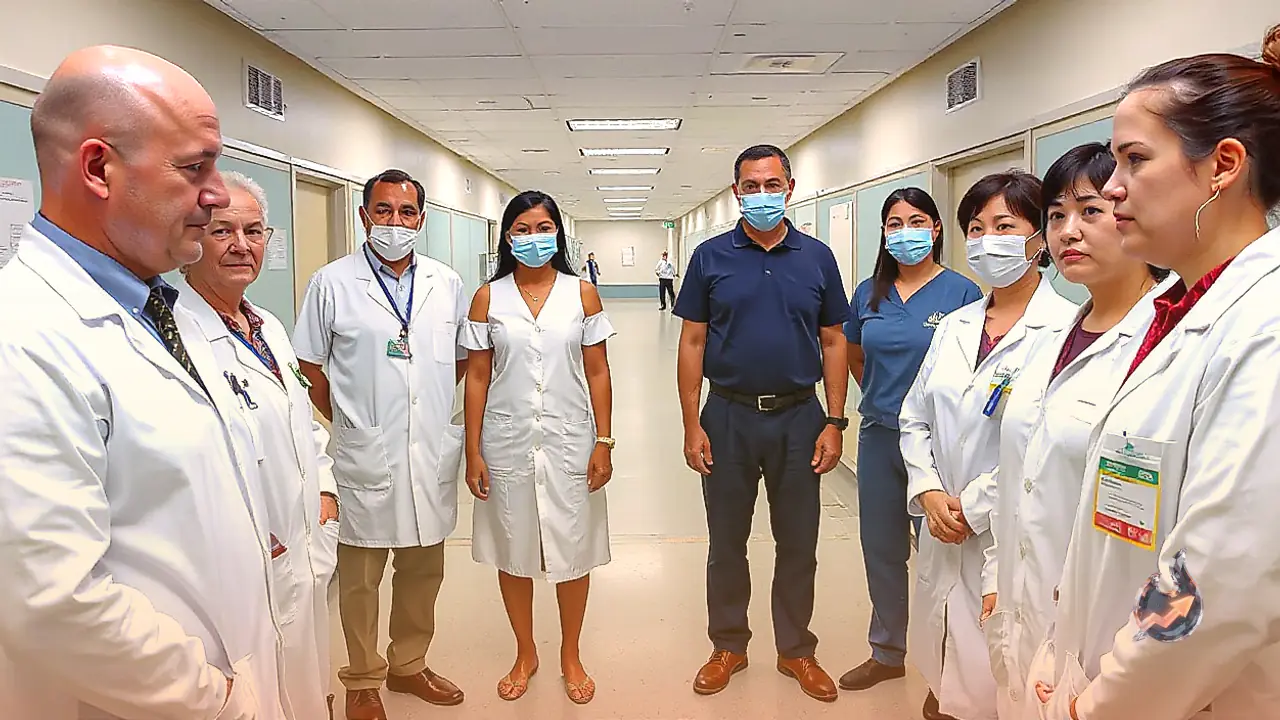
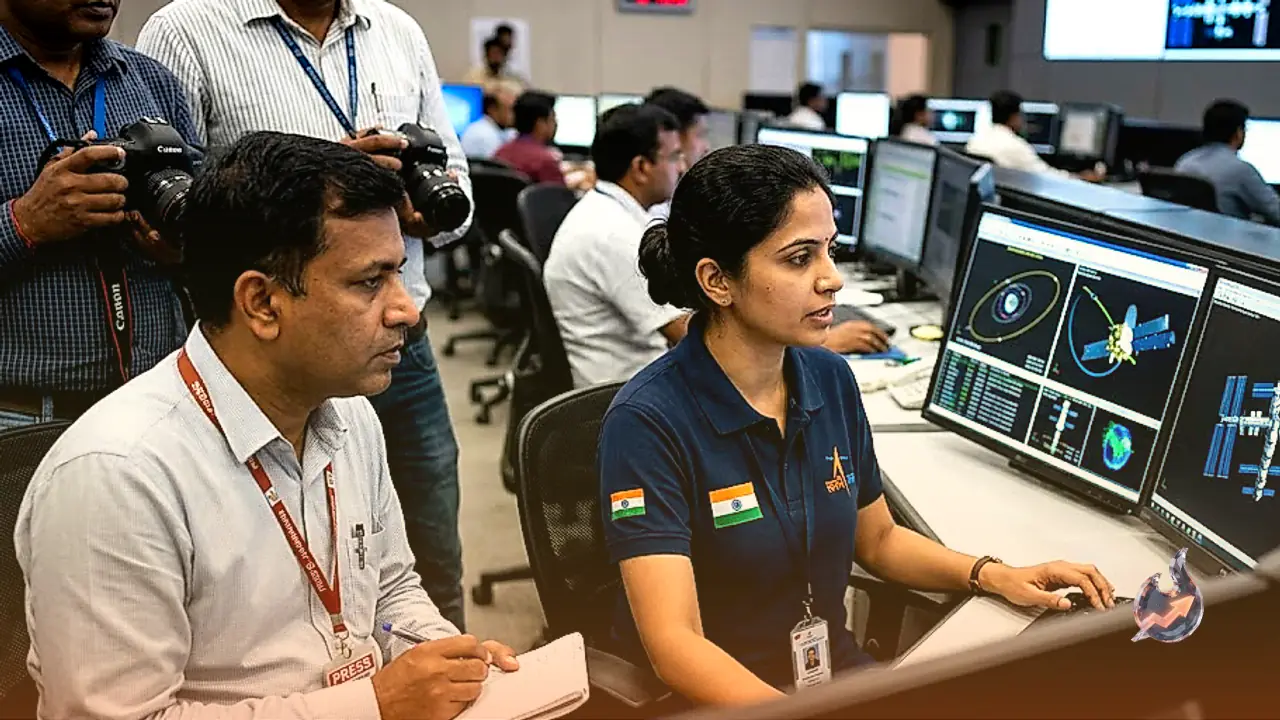
A delegation of journalists traveling from Jharkhand to Thiruvananthapuram explored the historic Thumba Equatorial Rocket Launching Station (TERLS). During the visit, reporters were briefed on the glorious journey, landmark achievements, and future ambitions of India's space program. The tour provided a comprehensive look at how the facility has evolved and how it continues to serve as a vital hub for scientific inquiry and rocket research.
From a Local Church to a Space Museum
The Thumba Equatorial Rocket Launching Station was established in 1962 under the visionary leadership of Dr. Vikram Sarabhai and Dr. Homi Jehangir Bhabha. Thumba was selected for rocket launches because the Earth's magnetic equator passes directly over the area, making it uniquely advantageous for atmospheric and ionospheric research. At the time, the only major structure in the locality was the St. Mary Magdalene Church, which the local fishing community generously handed over to support the nascent space program. Indian space scientists initially used this church complex as their office and laboratory, and the building now stands as a museum showcasing India's remarkable journey into space.
First Sounding Rocket and Ongoing Operations
Marking a historic milestone in India's space endeavors, the nation successfully launched its first sounding rocket, the Nike-Apache, from Thumba on November 21, 1963. Regular sounding rocket launches and scientific activities continue to be conducted from Thumba to this day. Alongside these routine operations, preparations for various critical missions under the broader Indian space program are progressing at a steady pace.