




















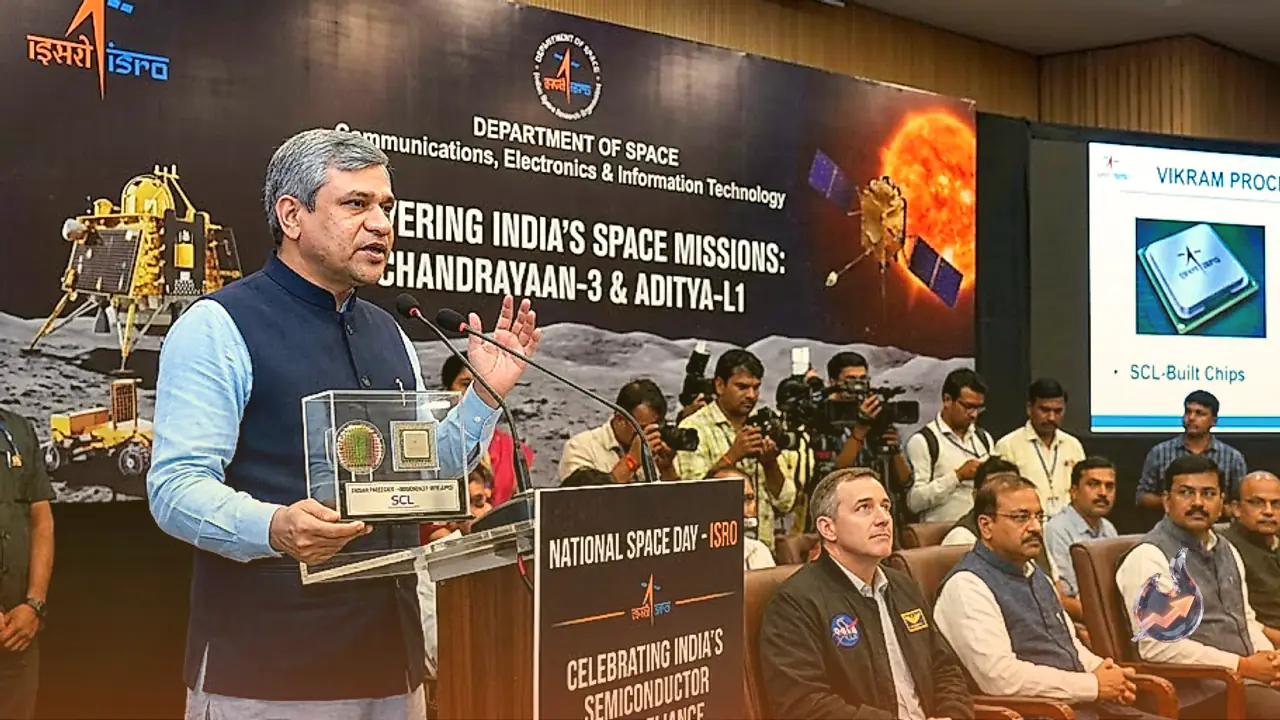

The influence of India's indigenous semiconductor technology is now clearly visible in global space exploration. Whether it is the historic Chandrayaan-3 mission or the Aditya-L1 solar study mission, the success of these major space endeavors has been significantly driven by Indian-made semiconductors. On the occasion of National Space Day, Union Minister Ashwini Vaishnaw shared key details with the country regarding these achievements in indigenous semiconductor technology, showcasing India's growing prowess in the technological domain.
Space-Grade Chips Developed By Mohali Lab
According to Union Minister Ashwini Vaishnaw, the Semiconductor Laboratory (SCL) located in Mohali has manufactured flight-grade chips specifically engineered to operate in the harsh environment of outer space. The space environment presents extreme challenges, including rapid and severe temperature fluctuations, intense radiation, heavy pressure, and severe vibrations. SCL's chips have been meticulously designed to function reliably under these adverse conditions, ensuring the success of complex space missions.
Indigenous Camera Chip Used In Chandrayaan-3 Lander
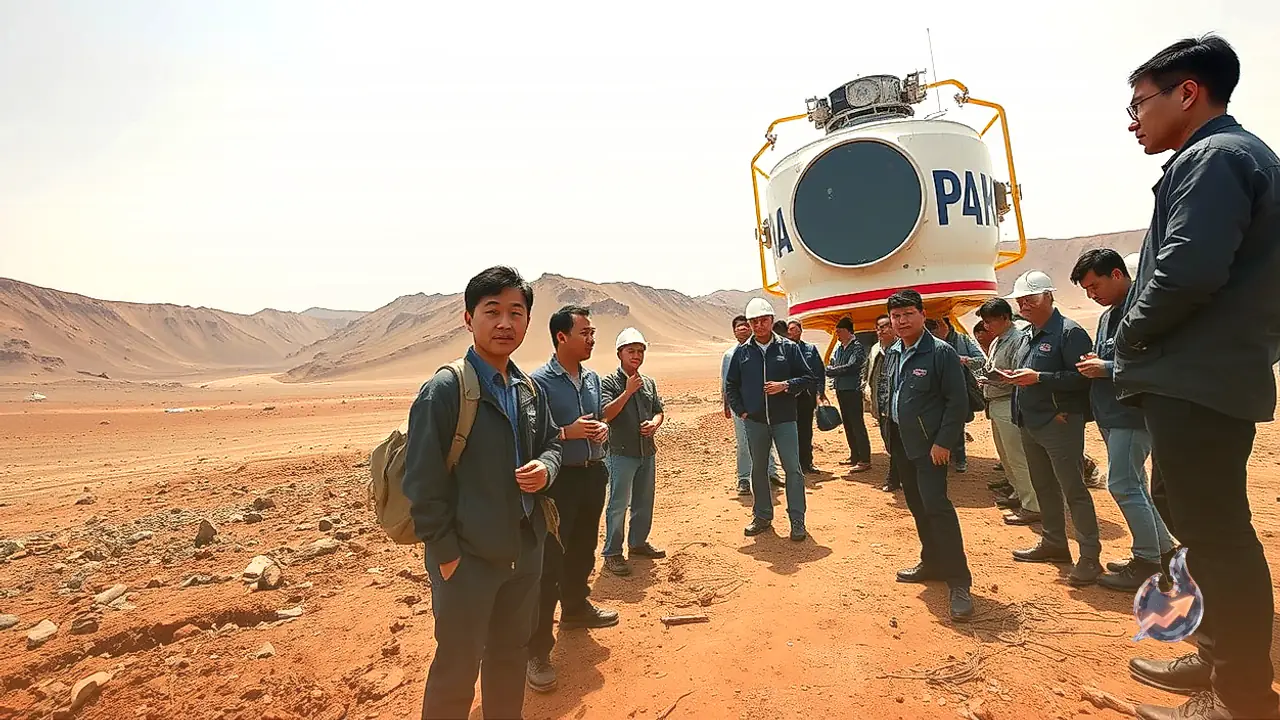
India's ambitious lunar mission, Chandrayaan-3, utilized a camera chip manufactured by SCL. This specialized chip was integrated into the camera system installed on the Chandrayaan-3 lander. During the lander's descent onto the lunar surface, the camera system played a crucial role. Essential images related to the landing were successfully captured through this system. The flawless operation of a camera system equipped with indigenous chips in the hostile environment of space is nothing short of a major milestone.
India Develops Its Own ‘Vikram’ Processor
Union Minister Ashwini Vaishnaw also revealed that SCL has successfully developed an indigenous processor named ‘Vikram’. This processor is currently being deployed in various satellite launch vehicles and rockets. The role of a processor in space missions is critical, as numerous electronic systems within rockets and launch vehicles operate on this technology. The deployment of this India-made processor in space missions stands as a strong testament to the country's expanding semiconductor capabilities.
Radiation-Hardened ADC Chips Featured In Aditya-L1
Following Chandrayaan-3, Indian indigenous chips were also deployed in the Aditya-L1 solar mission. SCL fabricated specialized radiation-hardened ADC chips for this mission. Radiation present in outer space can pose a serious threat to sensitive electronic systems. Radiation-hardened chips are specifically built to counter this exact problem. Since Aditya-L1 is dedicated to studying the Sun, protecting the mission's electronic systems from radiation hazards is of utmost importance.
Moving Towards Self-Reliance In Space
The successful integration of Indian chips into complex missions like Chandrayaan-3 and Aditya-L1 marks a monumental achievement for the country. Chips and various other electronic components form the backbone of any space mission. Having these components manufactured domestically highlights India's rapidly advancing technical competence. From the Moon to the Sun, indigenous semiconductor technology is bolstering India's space programs, marking a definitive step toward an Aatmanirbhar Bharat in the space sector.