























Iran spent four decades preparing for a prospective war with the United States, planning extensively for extreme scenarios such as the elimination of its top leadership. This long-term groundwork explains why its adversaries have found it remarkably difficult to completely devastate the country. A military expert detailed how these four decades of preparation have kept Iran from collapsing under severe pressure.
Sustaining A Protracted Conflict
Speaking at a discussion in Washington hosted by the Observer Research Foundation America, retired Indian Army Lieutenant General K.J.S. Dhillon noted that despite suffering substantial damage in ongoing skirmishes with Israel and the US, Iran retains the capacity to fight a prolonged war. The former head of India's Defence Intelligence Agency emphasized that the foremost lesson from these events is that any military operation must have clear objectives and a well-defined exit strategy before it begins. The goals declared prior to hostilities must be explicit for the government, the armed forces, and the leadership alike.
The Mosaic Doctrine And Decentralization
Dhillon explained that Iran's ongoing conflict has unfolded largely along the lines of the framework it spent the last 40 years designing. The nation even accounted for potential disruptions like the removal of its highest leadership. By adopting a mosaic doctrine, Iran decentralized its military forces into 31 independent headquarters. Even if the primary leadership echelon is wiped out, these regional headquarters remain fully operational, allowing Iran to maintain a protracted war footing where a weaker side can still extract tactical advantages.
Formidable Geography As A Defensive Shield
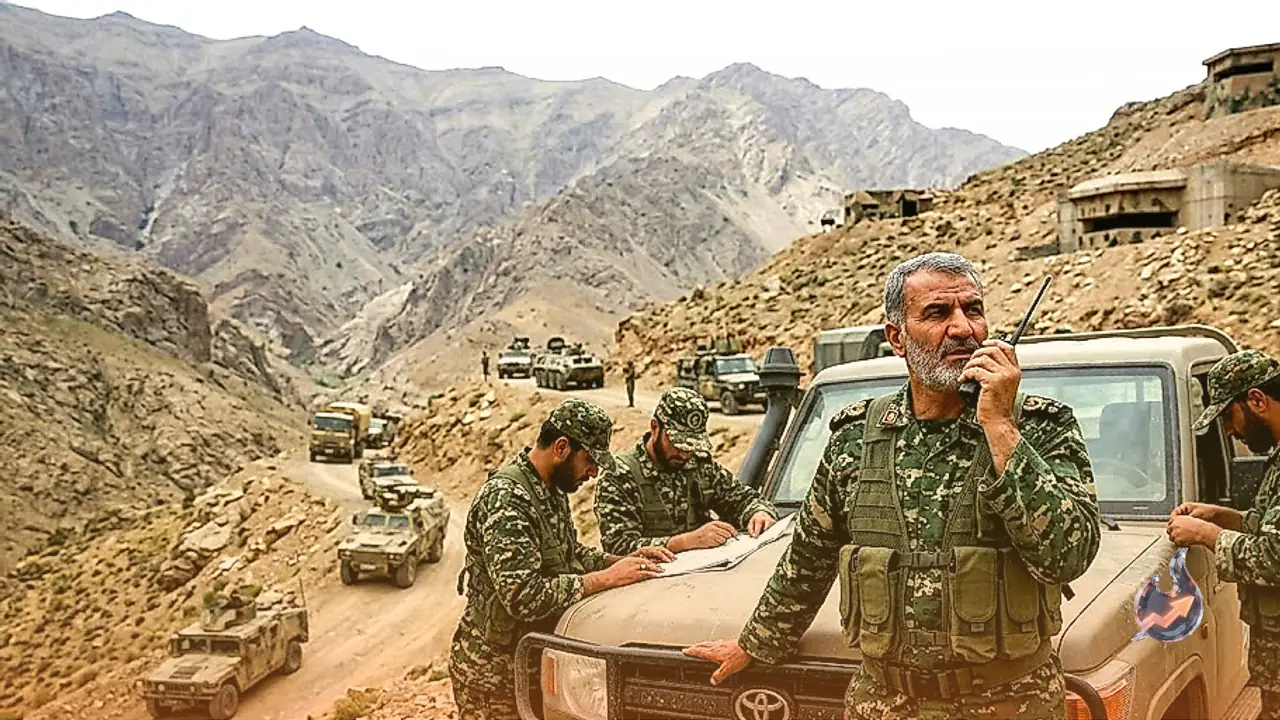
The rugged topography of Iran provides an inherent tactical barrier for ground invasions, contrasting sharply with the open deserts found in places like Saudi Arabia and Iraq. Dhillon described the nation as a bowl surrounded entirely by mountains on all sides, featuring interior desert expanses where summer temperatures regularly soar to 55 or 60 degrees Celsius. To reach central Iranian territories, hostile forces would have to scale treacherous mountain ranges and conquer every single outpost, rendering massive ground deployments nearly impossible.
Securing The Strait Of Hormuz
Recognizing that it lacked a powerful traditional air force to challenge the US directly in open waters, Iran concentrated its military developments on safeguarding the Strait Of Hormuz. Instead of building conventional aerial might, Tehran built capabilities centered around fast attack boats, torpedo vessels, naval sea mines, coastal artillery, advanced missiles, and drones. Its entire naval framework was deliberately tailored to protect these vital maritime bottlenecks through asymmetric defensive tactics.
Broader Strategic Takeaways
Dhillon concluded that military strategists can draw valuable lessons from how Iran fought using missiles and integrated air defence rather than relying on a conventional air force. Facing an enormously powerful adversary, Iran has avoided total destruction precisely because of its meticulous 40-year preparation window. Meanwhile, the prolonged nature of this US-Iran confrontation is compounding security challenges elsewhere, leaving Ukraine vulnerable due to critical shortages of interceptors like Patriot systems.