






















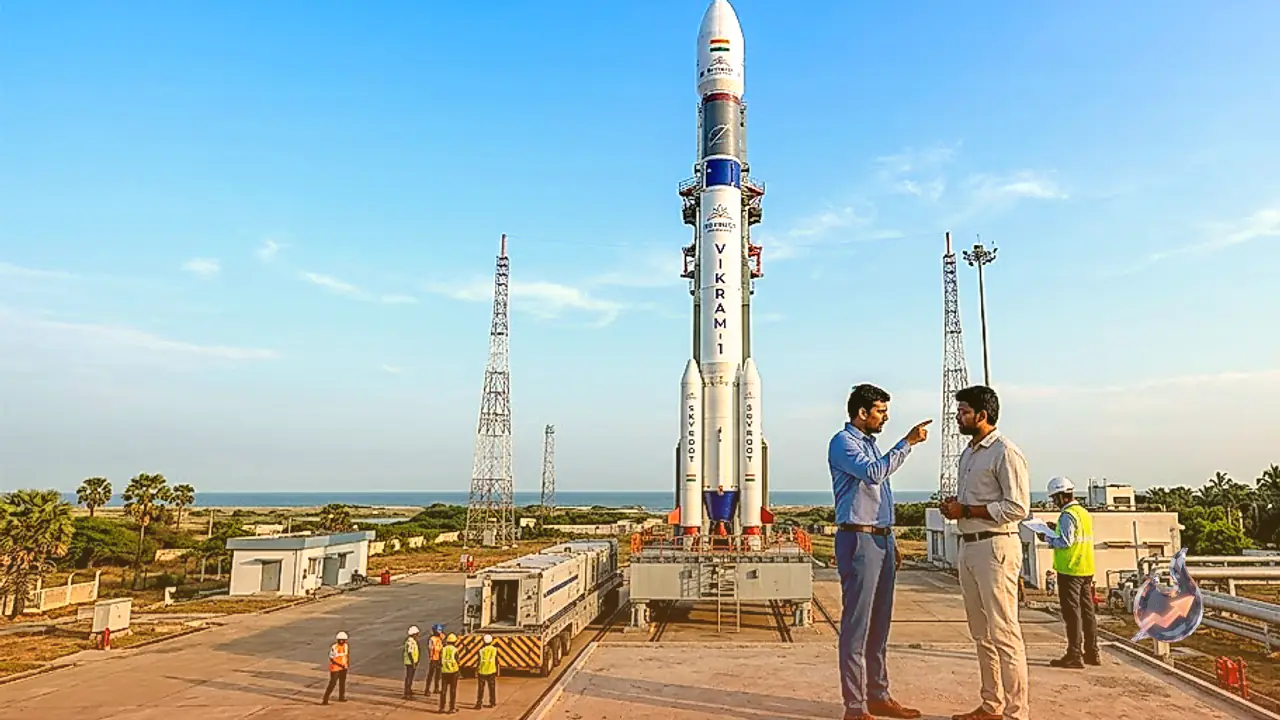

India's private space company Skyroot Aerospace announced on Thursday that it will attempt the first test flight of its Vikram-1 orbital rocket on July 18 from the first launch pad at the Satish Dhawan Space Centre (SDSC-SHAR) in Sriharikota. The launch is being seen as a defining moment for the country's private space sector.
Why This Launch Matters
What makes this attempt historic is that it will be the first time an orbital-class rocket fully designed and developed by a private Indian company tries to lift off from Indian soil. Until now, most large rocket launches in India have been carried out by government agencies, so Skyroot's attempt is a major test of what the private sector can achieve.
Multiple Technology Payloads Onboard
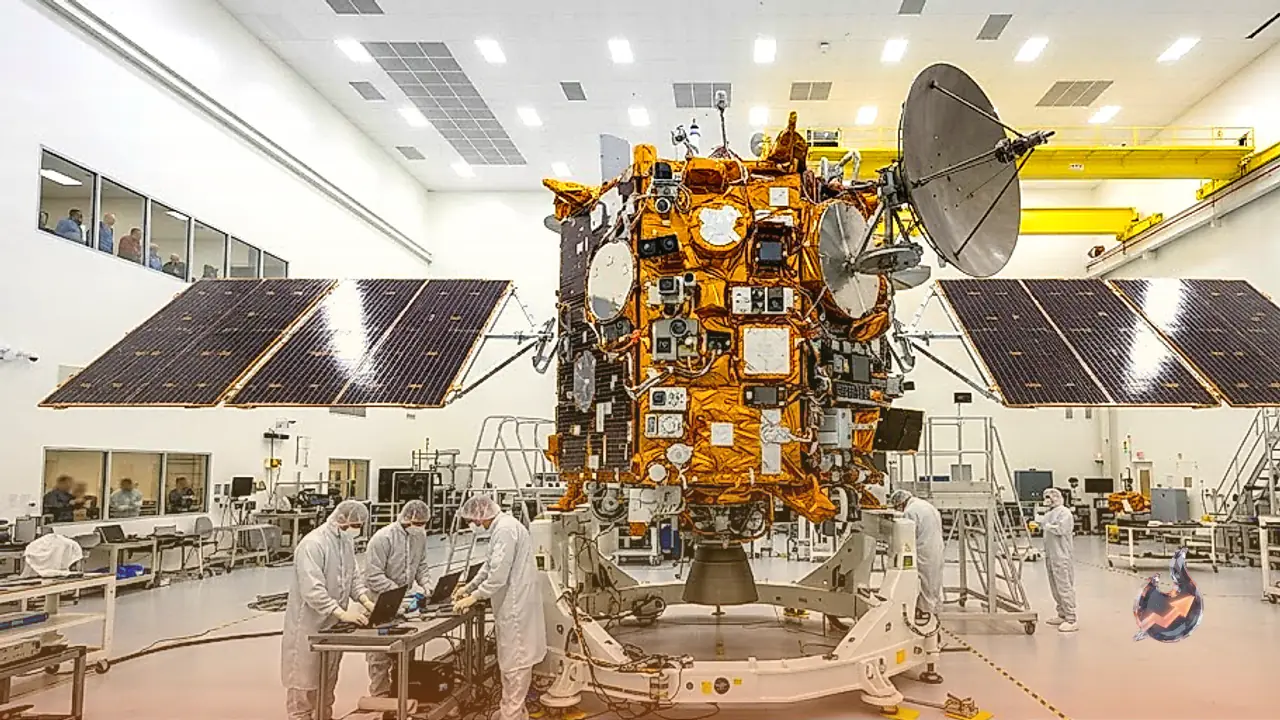
Vikram-1 will carry several technology demonstration payloads on this flight, including those from Graha Space, Cosmoserve, Dcubed and Skyroot's own SCOPE. Alongside these, Cosmos Diamonds' artwork titled Cosmic Bloom and a micro-art piece will also be part of the mission, making it more than just a technical test flight.
Airspace and Maritime Notices Issued
According to the company's statement, the relevant authorities have already issued the necessary airspace and maritime notices for the launch. Under these notices, restricted zones have been formally declared around Vikram-1's flight path and potential impact area for the day of the launch, to ensure safety during the flight.
What CEO Pawan Kumar Chandana Said
Skyroot Aerospace co-founder and chief executive officer Pawan Kumar Chandana said every possible ground-level test on Vikram-1 has already been completed. The company is now excited to see how the rocket performs during an actual flight for the first time. He said that even though this is the first test flight, it will provide the company with several important technical data points that will guide future missions.
A Big Opportunity in the Small Satellite Market
Chandana also said the mission will build a strong foundation for Skyroot's regular space launch programme. He noted that the global market for small satellite launches is currently facing a supply shortage, even as demand for space-based services keeps rising steadily. Companies like Skyroot see this gap between demand and supply as a significant opportunity.
Vikram-1's Design and Technology
Standing roughly seven storeys tall, Vikram-1 is a multi-stage rocket built entirely from a carbon composite structure. It uses a propulsion system developed in-house by the company, featuring 3D-printed engines and high-capacity solid-fuel boosters. Known as Mission Aagman, this is Skyroot's second major mission.
Vikram-S Already Made History
Skyroot had earlier completed a successful sub-orbital flight of Vikram-S on November 18, 2022, which became the first private rocket to reach space from Indian soil. That success laid the groundwork for the company's move toward a larger orbital mission.
The Target for the First Flight
Vikram-1 is designed to place small satellites weighing up to 350 kilograms into low earth orbit (LEO). The goal for its first test flight is to reach an orbit at an altitude of 450 kilometres with a 60 degree inclination.